
Reviewed · SHOPPING TOURS
The Sunday Market in Had Draa & Local Food Tasting.
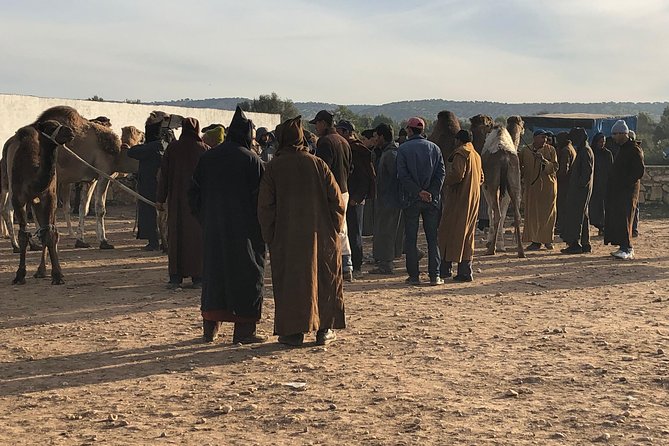
Morocco gets wonderfully real here. This four-hour outing from Essaouira takes you to Had Draa, about 30 kilometers toward Marrakech, for the region’s biggest rural market. I like the chance to see farmers arrive with produce, animals, and handmade goods, and I like that the visit includes local tasting rather than a quick walk past the stalls. The main consideration is that the livestock and butcher areas can be rough to watch, especially if you are used to stricter animal-welfare practices.
You meet at 9 a.m. at Labo Abdelkrim Khatabi d’Analyses Médicales on Rue Oued El Makhazine and return there afterward. Guides such as Abdul, Abdoul, Naima, and Claudia have been praised for their warmth, care, and ability to explain Moroccan and Berber life. I would also plan for sun and bring water, since one visitor specifically wished cold water had been provided on a hot day.
In This Review
- Key points at a glance
- Why Had Draa feels different from Essaouira
- The morning drive from Essaouira to Had Draa
- Three hours among produce, spices, animals, and tools
- The hard parts of the livestock and butcher areas
- Tasting warm bread, Argan oil, mint tea, and dromedary
- What the guides add to the morning
- Is $58.07 a fair price?
- Who should book this experience?
- Should you book Had Draa on Sunday?
- FAQ
- Where is the Sunday market located?
- What time does the experience start?
- Where is the meeting point?
- How long does the outing last?
- Does the tour include food tasting?
- Can vegetarians take part?
- What happens if I need to cancel?
Key points at a glance
- Had Draa is a working countryside market: This is where local people shop, sell crops, trade animals, and catch up over tea.
- The market is about 30 kilometers from Essaouira: Transport is included in the short morning outing, with roughly three hours spent at the market.
- Food tasting is part of the visit: Expect samples of local foods, warm bread, olives, Argan oil, mint tea, and grilled dromedary.
- The group is limited to 12 people: That gives your guide room to answer questions and steer you through crowded sections.
- The setting is culturally direct: Men make up much of the crowd, and café conversations and livestock trading are central to the scene.
- It is not a polished attraction: Animal treatment, dirt, crowds, and the butcher area may be difficult for some people.
Why Had Draa feels different from Essaouira
Essaouira is easy to enjoy. Its sea air, old walls, cafés, and established visitor scene make it a comfortable base. Had Draa shows you another side of the region, one tied to farming, livestock, transport, food, and weekly shopping.
The market gathers every Sunday, when farmers from the surrounding area make the trip to sell what they have and buy what they need. Some arrive by donkey. The range of goods reflects daily work in the countryside: vegetables, fruit, nuts, spices, animals, tools, and crafts.
I like this kind of outing because it gives the market a purpose beyond sightseeing. You are not walking through a display arranged for outsiders. You are watching a weekly event that serves the local community. People meet friends, share tea, exchange news, and make purchases under tents or in cafés.
The social pattern is worth noting. The market is mainly attended by men, so it may not feel like a family street fair or a mixed urban souk. That is part of the local setting, not a flaw in the tour, but it helps to know before you go.
More Food Tours:
- From Marrakech: Merzouga 3-Day Desert Safari with Food
★ 4.7 · 12,232 reviews - Marrakech: Street Food Tour with a Local Guide
★ 4.9 · 3,119 reviews - Marrakech: Street Food Tour by Night
★ 4.8 · 2,838 reviews
The morning drive from Essaouira to Had Draa
The meeting point is at Labo Abdelkrim Khatabi d’Analyses Médicales, 287 Rue Oued El Makhazine, Essaouira 44000. The start time is 9 a.m., and the outing finishes back at the same place.
The total experience lasts about four hours. The market portion is listed at three hours, so the remaining time covers the trip between Essaouira and Had Draa and the return. That balance makes sense. The market is large enough to reward a slow visit, and rushing through it would miss much of its character.
A small group of no more than 12 people is useful here. Had Draa can be crowded, with carts, tents, livestock, food stalls, and people moving in several directions. A guide can help you keep track of the group and explain what you are seeing without turning the visit into a lecture.
Guides named in the feedback include Abdul and Abdoul, as well as Naima and Claudia. Their strengths appear to be slightly different, but the common thread is personal attention and clear explanations. Naima, for example, has been praised for looking after the group and making Moroccan culture easier to understand. Claudia has been especially valued for finding a way through the market and helping visitors handle sensitive moments respectfully.
Three hours among produce, spices, animals, and tools
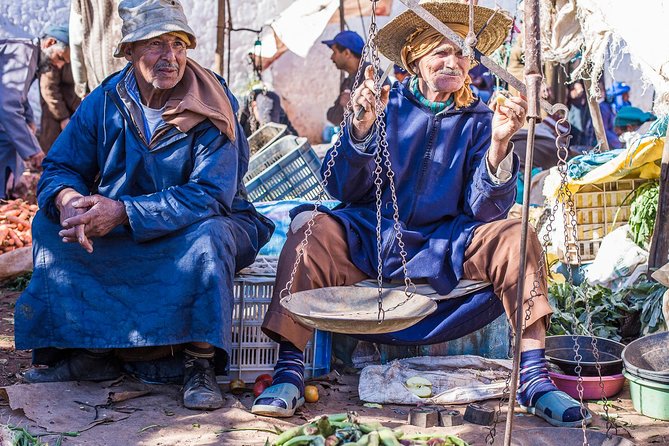
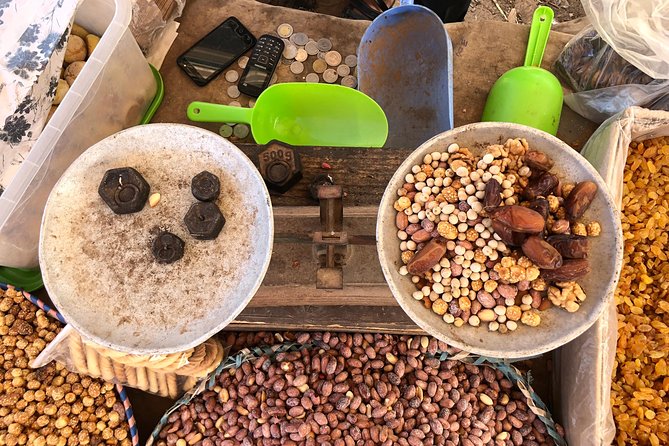
The first part of the market is a sensory workout. Produce, nuts, spices, and other foodstuffs bring strong smells and color to the stalls. The market also displays practical items needed for work and home, giving you a quick lesson in how much a rural shopping trip can involve.
You might see goods arranged under tents, vendors working beside carts, and animals being bought or sold nearby. The point is not simply to collect photographs. It is to watch how the market functions as a trading center and meeting place.
I would give yourself time to notice the small exchanges. A person choosing vegetables, a farmer checking an animal, or friends sitting with tea can tell you as much about local life as a formal monument. Your guide’s explanations help connect those scenes to rural Moroccan and Berber customs.
Photography deserves care. The market is a place where people are working, negotiating, and handling animals. One guide specifically stressed not photographing people without permission and avoiding intrusive behavior. You will get more from the visit if you keep your camera down at times and pay attention to the activity in front of you.
The atmosphere may feel crowded and confusing at first. That is why the guide matters. Claudia was praised for knowing her way through the maze, and that practical help can make the difference between feeling lost and seeing how the market fits together.
The hard parts of the livestock and butcher areas
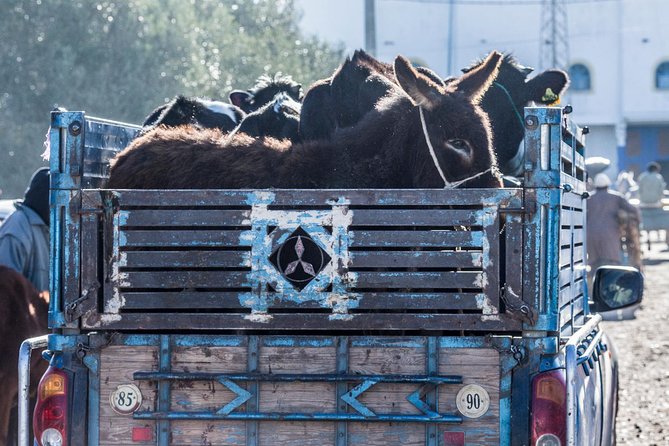
This is the section that requires the most preparation. The market offers a direct view of livestock trading and meat preparation, and conditions may look very different from what you know at home.
One person described the treatment of animals as difficult by British standards and advised leaving judgment at the door. Another described the market as rough and thought-provoking after seeing the condition of some animals and people. These are not minor details. If you are sensitive to animal welfare, poverty, blood, or open-air meat preparation, you may find this part upsetting.
At the same time, avoiding the market because it does not match your expectations would erase the very reality the outing is meant to show. The guide’s job is to provide context, not pretend that rural life is tidy. You can ask questions, keep a respectful distance, and choose not to walk through the butcher area if you prefer.
Vegetarians are not forgotten. The provider has indicated that guides can look after vegetarian visitors and offer an alternative viewing route when someone does not want to enter the butcher section. I would mention your preference at the start so the guide can plan around it.
This is also a good reason to choose a guided visit instead of arriving alone. Local customs, personal privacy, and animal handling can be hard to read from the outside. A considerate guide helps you observe without making the market feel like a stage.
A few more Essaouira trips worth weighing up
- 3-Day Tour to Merzouga Erg Chebbi with Food & Camel Trek
★ 5.0 · 1,770 reviews - Authentic Moroccan Food Tour in Marrakech with Dinner
★ 5.0 · 1,423 reviews - From Marrakech: Zagora 2-Day Desert Safari with Food & Camp
★ 4.5 · 1,137 reviews - Marrakech: Jemma El Fnaa Food Tour with Dinner
★ 4.7 · 394 reviews
Tasting warm bread, Argan oil, mint tea, and dromedary
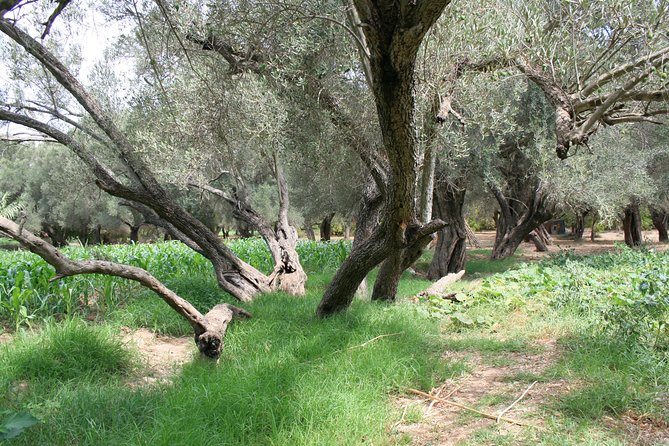
Food gives the visit a second focus. You sample a range of local foods during the market walk, then eat at one of the cafés beside the stalls. These cafés use open grills and offer a simple meal tied to the place.
The meal includes warm bread, olive oil, Argan oil, olives, and traditional mint tea. The bread and oils make an easy introduction to everyday Moroccan flavors, while the tea gives you a chance to sit and watch the market continue around you.
The unusual item is grilled dromedary. Several descriptions singled it out as a memorable part of the meal, and one person found the camel meat very good. It is not presented as a luxury dish. It is a local food experience served in a practical market setting, which makes it more interesting than trying an exotic item in a restaurant designed for outsiders.
You do not have to treat the meal as a test of bravery. If dromedary is not for you, the guide can help with other food choices, and vegetarian arrangements are available. Still, if you are curious about regional eating habits, this is one of the strongest reasons to book the outing.
The setting matters as much as the menu. You are eating near open grills, tents, animals, and shoppers. Expect a straightforward meal rather than polished service. That is part of the appeal, but people wanting a quiet restaurant lunch should set their expectations differently.
What the guides add to the morning
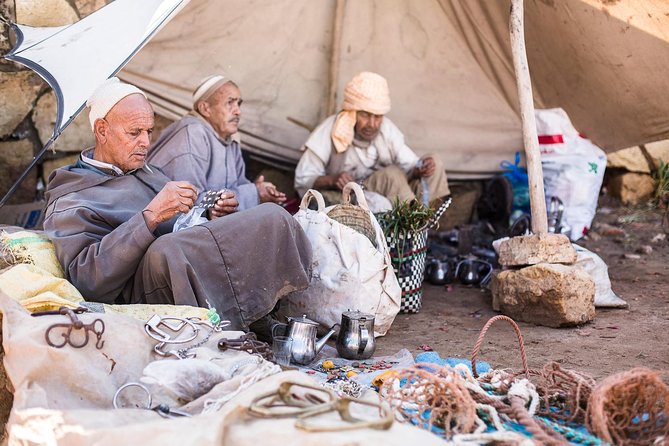
The guide is central to the experience. Without one, you would see a large market. With one, you have a better chance of understanding why people are there and what the different sections mean.
Abdul and Abdoul have been described as punctual, kind, friendly, and attentive. Naima has been praised for making the visit engaging and for explaining Moroccan and Berber life with care. Claudia has been valued for guiding people through the crowded market while reminding them to respect local privacy.
Those personal details matter because Had Draa is not arranged with signs for outsiders. You may not know which goods are for sale, which animals are being traded, or how to interpret a café scene. A good guide translates without flattening the culture into a few easy facts.
The best approach is to ask questions. Ask about the crops, the animals, the role of the weekly market, or the food you are tasting. The guides are there to explain daily life, and the strongest parts of the morning seem to come from these conversations.
Is $58.07 a fair price?
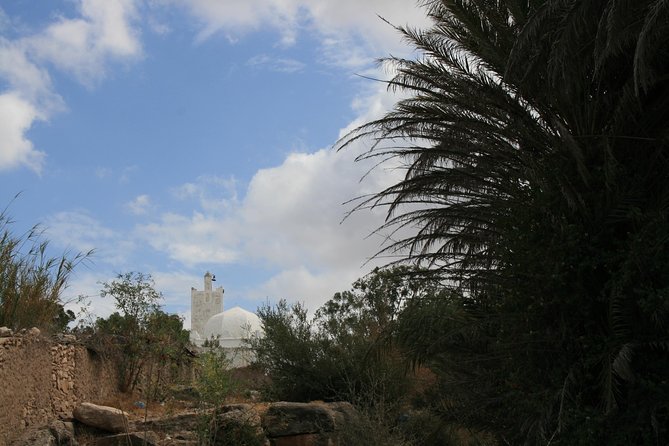
At $58.07 per person, this is not the cheapest way to see a market. The price makes more sense when you consider what is bundled into a short morning: transport from Essaouira, a guide, a small group capped at 12, several hours at Had Draa, food tastings, and a market meal.
You are also paying for access and interpretation. Had Draa is not a simple attraction with a clear entrance and a marked route. A guide helps you move through the market, understand the social setting, handle photography respectfully, and decide how to approach the livestock and butcher areas.
I see good value here if you want rural context rather than another urban souk. The price is less convincing if you only want a quick look at stalls or prefer to explore independently. In that case, the food and transport may not justify the cost.
The high 4.9 rating from 33 ratings and 97 percent recommendation indicate very strong satisfaction, but the most useful point is what people praise: the guides, the meal, the sense of entering everyday Morocco, and the chance to see a market that does not cater to visitors.
Who should book this experience?
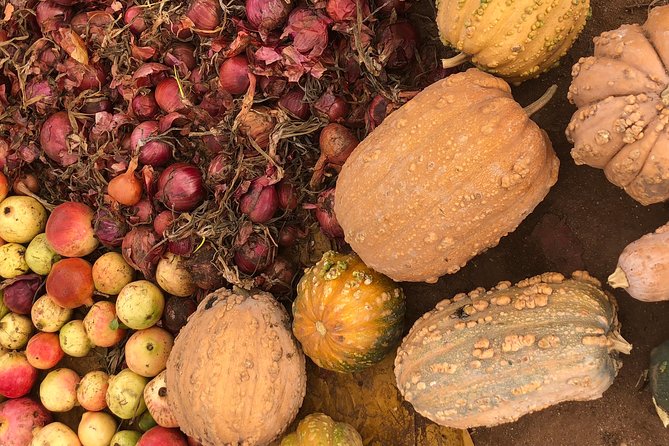
I would recommend it to you if you enjoy local food, working markets, cultural explanation, and places that are not polished for an outside audience. It suits curious adults, food-focused visitors, and anyone who wants to understand the countryside around Essaouira.
It is also a good choice if you want help with language, navigation, and cultural manners. The group limit keeps the outing fairly personal, and the guide can answer questions as you go.
You should think twice if you dislike crowds, open-air meat markets, livestock handling, or strong sensory scenes. The market can be uncomfortable, and the experience does not soften every difficult part of rural life.
Wear practical clothing, protect yourself from the sun, and carry water. Since the outing requires good weather and a minimum number of participants, a cancellation may lead to a new date, another experience, or a full refund. You can cancel for a full refund up to 24 hours before the 9 a.m. start time, but changes made later are not accepted.
Should you book Had Draa on Sunday?
Book it if you want to see how people in the Essaouira region shop, trade, eat, and socialize outside the old city. The strongest parts are the market’s working character, the guides’ explanations, and the meal of bread, oils, tea, and grilled dromedary.
Skip it if you want a gentle, photo-friendly morning with familiar standards of cleanliness and animal care. Had Draa asks you to observe a real rural market on its own terms. For the right person, that honesty is exactly the value.
FAQ
Where is the Sunday market located?
Had Draa is about 30 kilometers from Essaouira on the road toward Marrakech.
What time does the experience start?
The experience starts at 9 a.m.
Where is the meeting point?
Meet at Labo Abdelkrim Khatabi d’Analyses Médicales, 287 Rue Oued El Makhazine, Essaouira 44000, Morocco.
How long does the outing last?
The total experience lasts approximately four hours. About three hours are allocated to the Sunday market, with the rest covering transportation.
Does the tour include food tasting?
Yes. The experience includes a variety of tastings, warm bread, olives, olive oil, Argan oil, mint tea, and grilled dromedary served at a nearby café.
Can vegetarians take part?
Yes. Vegetarian visitors can be accommodated, and an alternative viewing option is available for anyone who does not want to visit the butcher area.
What happens if I need to cancel?
You can cancel up to 24 hours before the start time for a full refund. Cancellations or changes made less than 24 hours before the start time are not refunded or accepted.
More Shopping Tours
- Marrakesh: Guided Souk Shopping Tour with a Local Guide
★ 4.9 · 651 reviews - Shopping in the Souks of Marrakech Private Tour
★ 5.0 · 620 reviews - Souks Shopping Tours
★ 5.0 · 395 reviews - Marrakech: Moroccan Cooking Class with Market Visit and Meal
★ 4.9 · 347 reviews
More Market Visits
- Essaouira: Sqala du Port, Medina Ramparts & Fish Market Tour
★ 4.7 · 212 reviews - Essaouira: Sqala du Port, Citadel, Fish Market & Medina Tour
★ 4.6 · 73 reviews - Marrakech: Traditional Moroccan Cooking Class & Market Visit
★ 4.8 · 1,861 reviews - Moroccan Cooking Class & Marrakech Market Visit with Chef Khmisa
★ 5.0 · 1,504 reviews
Just added around Essaouira
- Horse riding on the beach of Essaouira 2 hours★ 5.0 · 34 reviews
- Essaouira 1 hour discovery ride on the back of a camel★ 5.0 · 37 reviews
- Explore Essaouira’s Secrets: A Guided Tour with a Local!★ 4.7 · 37 reviews
- 2 hours horse ride beach and dunes in Essaouira Morocco★ 4.5 · 38 reviews
- Private Kitesurf Lesson in Essaouira Morocco★ 5.0 · 38 reviews
- Individual kitesurfing lessons in Essaouira★ 5.0 · 38 reviews
- Essaouira: Area Highlights Guided E-Bike Tour★ 4.9 · 39 reviews
- Traditional Moroccan and Berber cooking classes★ 5.0 · 40 reviews
Shopping Tours, compared.
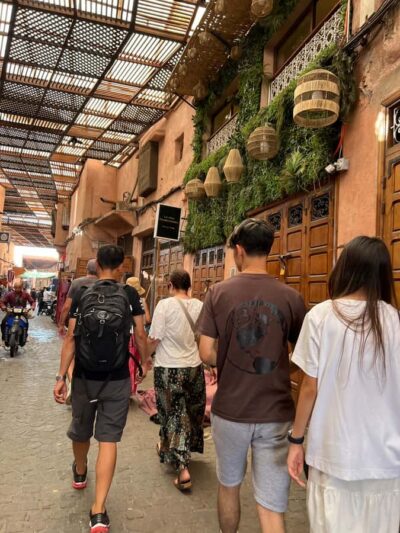
Traditional Moroccan Cooking Class & Market Visit
Read our review →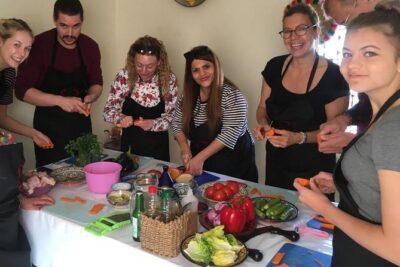
Moroccan Cooking Class & Marrakech Market Visit with Chef Khmisa
Read our review →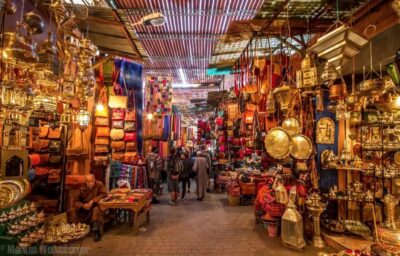
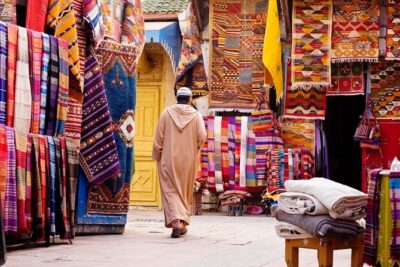
Shopping in the Souks of Marrakech Private Tour
Read our review →
Moroccan Cooking Class with Market Visit and Meal
Read our review →
Evening Marrakech: Gastronomic and Market Tour Inside the Medina
Read our review →Browse the lists this tour appears in