Reviewed · MERZOUGA AND SAHARA DESERT TOURS
3-Day Tour to Merzouga Erg Chebbi with Food & Camel Trek
The Sahara makes the long drive worthwhile. This three-day trip trades Marrakech’s busy lanes for the Tizi-n-Tichka pass, Aït Benhaddou, Todra Gorge, and the dunes of Erg Chebbi. I especially like the mix of mountain roads, kasbahs, oasis scenery, and a camel ride into a desert camp, all for $133.24 per person.
I also like that transport, two hotel and camp nights, breakfasts, dinners, and pickup are included. The main drawback is the pace: you spend many hours in a shared minivan, and lunch stops are extra, limited, and sometimes expensive for Morocco. Friendly drivers such as Omar, Mazozi, Hassan, Youssef, and Houssein Idrissi can make a big difference.
In This Review
- Key points to know before booking
- What this Marrakech desert tour really involves
- Day one: Tizi-n-Tichka and Aït Benhaddou
- Day two: the Road of 1,000 Kasbahs and Todra Gorge
- The Erg Chebbi camel ride and desert night
- Sunrise, camels, and the long return to Marrakech
- Food, shopping stops, and the parts that need patience
- Is $133.24 good value?
- Who should book this tour?
- Final verdict: book it for the desert, accept the road
- FAQ
- How long is the tour?
- What time does the tour start?
- Is hotel pickup included?
- Are meals included?
- What accommodation is provided?
- Is the camel trek included?
- Can I cancel for a full refund?
Key points to know before booking
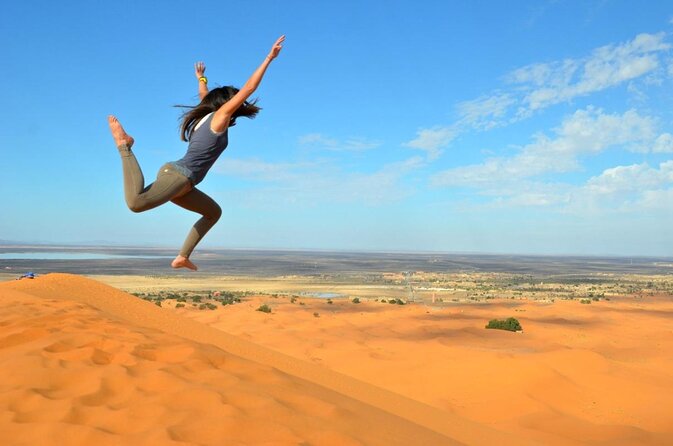
- The camel ride is the emotional high point: You cross the Erg Chebbi dunes in the late afternoon and can return at sunrise.
- Aït Benhaddou adds real cultural value: The famous ksar is more than a photo stop, especially with a local guide.
- Expect long road days: Day three can last about nine hours, with a return to Marrakech around 8 p.m.
- Lunch is not included: Plan for cash and expect roadside restaurants designed for tour groups.
- Basic and luxury camp standards differ: Basic camp toilets are outside, while luxury tents may have private bathrooms.
- The price is strong for what is covered: Transport, two nights, camel trekking, breakfasts, and dinners are bundled together.
What this Marrakech desert tour really involves
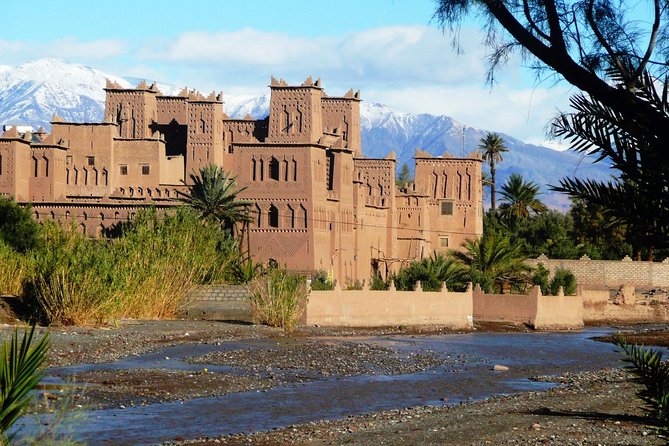
This is not a quick desert outing. Merzouga is far from Marrakech, so the tour works by packing a lot of Morocco into three days. You cross the High Atlas, pass Berber villages, visit old trading settlements, walk through an oasis, see Todra Gorge, and then reach the Sahara.
That variety is the reason to choose this trip. You do not simply get a camel ride and a night in a tent. You also get a look at southern Morocco’s changing scenery, from mountain passes to palm groves and red kasbahs.
The tradeoff is time. The driving is part of the experience, but it can feel too long, especially on the return to Marrakech. The minivan is air-conditioned, and one account described a standard 17-seat vehicle with reasonable space. Still, you should be comfortable sitting for hours at a time.
The tour starts around 7 a.m. Pickup is offered from hotels inside Marrakech, and the return usually comes in the mid-evening on day three. Luggage is allowed in the trunk, so you do not need to pack for the desert with only a small day bag.
More Camel Rides in Marrakech
- Marrakech: Agafay Desert Sunset, Camel Ride, and Dinner Show
★ 4.6 · 35,119 reviews - Marrakech: Agafay Desert Quad & Camel Rides with Dinner Show
★ 4.8 · 27,382 reviews - Marrakech: Agafay Desert Quad & Camel Rides with Dinner Show
★ 4.9 · 10,771 reviews
Day one: Tizi-n-Tichka and Aït Benhaddou
The first morning takes you out of Marrakech and into the High Atlas Mountains. The road climbs toward Tizi-n-Tichka, the pass that links Marrakech with southern Morocco. The mountain scenery is one of the day’s best rewards, with rural villages and shepherds appearing along the route.
Road conditions and weather can affect this section. The pass is beautiful, but it is not a fast road, and the route can be tiring if you are hoping to reach the desert quickly. Keep water close and use the stops to stretch your legs.
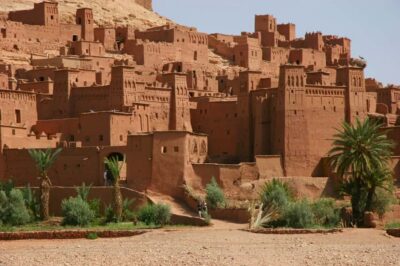
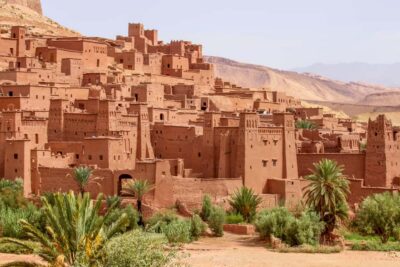
Aït Benhaddou is the main cultural stop. This fortified ksar once served as a meeting and trading point along the old route through southern Morocco. Its earthen walls and clustered buildings make an immediate impression, but the place is more enjoyable if you take time to walk rather than simply photograph it from the road.
A local guide is available for an additional €2 per person. I would consider paying it, especially if this is your first visit. The guide can explain the layout, local traditions, and the role of the settlement in regional trade. You may also encounter invitations to see carpets, scarves, paintings, or other local products. Some people enjoy this part of the visit; others find the sales pressure distracting.
One local guide named Muhammed received particular praise for his tour and language skills. The site has also appeared in filmed productions, including Game of Thrones, which can add a bit of fun if you recognize the setting. Still, the ksar’s value does not depend on television. Its setting and construction are the real attraction.
Lunch comes after the Aït Benhaddou visit and is paid separately. This is where you should manage expectations. The restaurants used on organized routes are convenient, but the food can cost around $15 per lunch according to one detailed account, with limited menus and prices higher than you might expect in Morocco.
In the afternoon, the route continues to Skoura. The palm oasis is a striking change from the dry mountain country. Green palms rise out of the dusty surroundings, giving you a clear picture of how water shapes settlement in this part of Morocco.
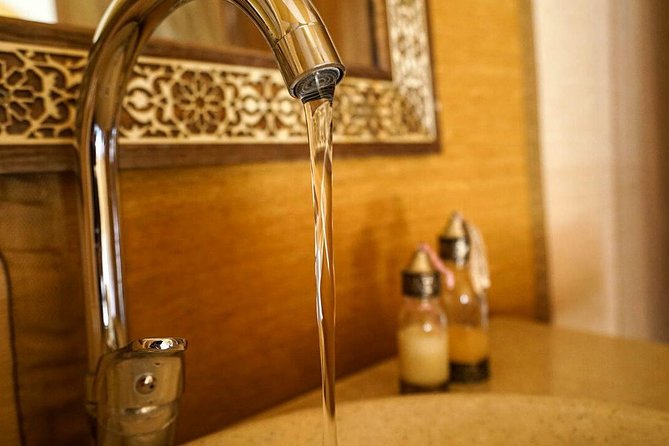
The first night is spent in the Boumalne du Dadès area, with hotel accommodation, dinner, and breakfast included. Rooms are described as having private toilets and showers. The stop breaks up the journey, though the day itself is already long.
Day two: the Road of 1,000 Kasbahs and Todra Gorge
After breakfast, you return to the minivan and follow the route often called the Road of 1,000 Kasbahs. Do not expect to inspect a thousand buildings. The name refers to the many fortified villages and kasbahs scattered through the valleys and old travel routes.
The scenery around Boumalne du Dadès is a quiet highlight. One account specifically praised the views around the town, and this is a good reminder not to focus only on the Sahara. The drive gives you a look at southern Morocco that many short city-based tours miss.
At Tinghir, you walk through an oasis toward Todra Gorge. The gorge cuts through orange limestone, creating tall rock walls and a narrow passage. It is an easy place to appreciate on foot, even if you are not interested in strenuous hiking.
Lunch is again at your own expense, usually at a local cafe or a restaurant used by tour groups. Bring Moroccan dirhams in small notes. A 200-dirham note may be difficult to break, and cash is useful for lunches, drinks, tips, and optional purchases.
In the afternoon, the tour stops in Rissani. The town is associated with Morocco’s ruling royal family and was the old capital of the Tafilalt region. This gives the stop more importance than a random roadside break, though the time available may be limited because the group still needs to reach Merzouga.
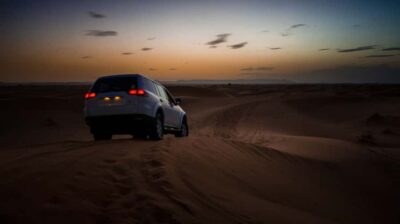
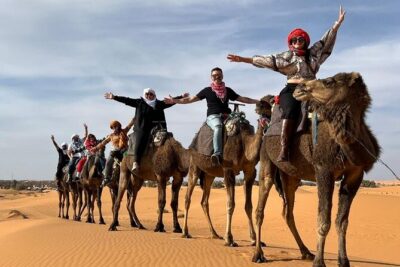
The final drive brings you to Merzouga, a small settlement on the edge of the Sahara. Here you leave the minivan and meet the camel caravan. The ride usually begins in the late afternoon, when the light softens and the dunes take on warmer colors.
The Erg Chebbi camel ride and desert night
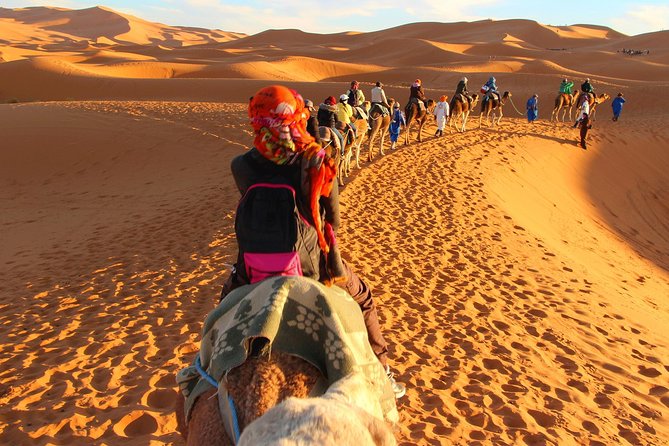
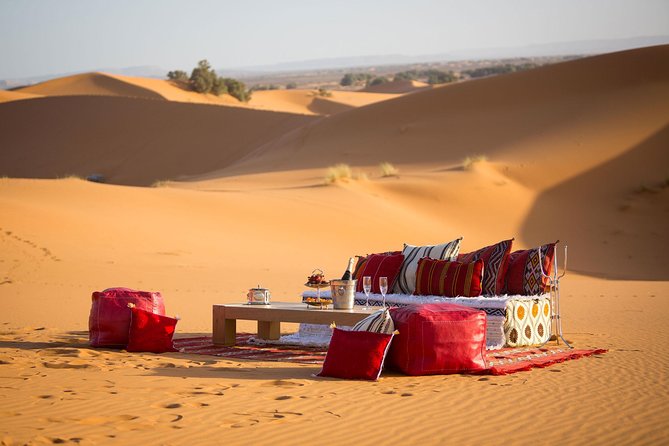
The camel trek is the part most likely to stay with you. You ride from Merzouga toward Erg Chebbi and the camp, crossing the sand as the sun drops. The pace is slow, which is exactly right for this setting. You have time to watch the dunes change color and feel the distance from the city.
Camel riding can be awkward at first. Getting on and off is the hardest part, and the saddle may become uncomfortable before the camp comes into view. Wear practical clothing and bring sunscreen and sunglasses. Good walking shoes are recommended for the sand and camp area.
Dinner is included at the desert camp, followed by traditional music and an evening under the stars. Several accounts singled out the dinner, music, and night sky as memorable. The camp is not a wilderness expedition, but it gives you a clear taste of desert life without requiring specialist equipment.
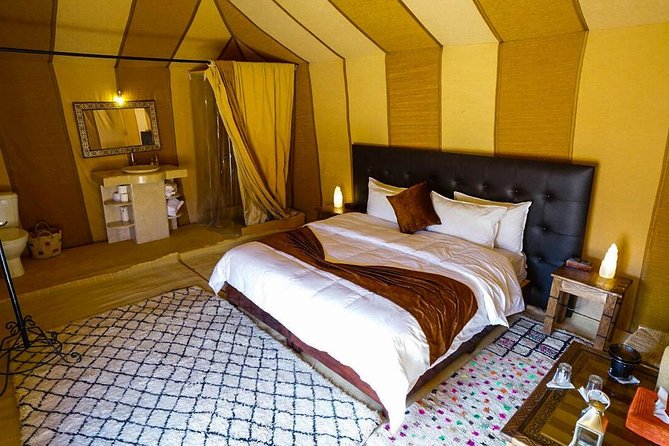
The standard camp has toilets outside and showers in a lodge. Reports describe these facilities as basic but, in some cases, cleaner than expected. A luxury option may be available at a higher price, with a warmer bed, a private bathroom, and a more polished tent. One person who chose the luxury camp felt the extra cost created a more convincing desert setting, while the basic camp was considered acceptable but less atmospheric.
Ask about the camp category when booking. The difference matters if bathroom privacy and nighttime comfort are important to you. In cold months, the temperature can fall sharply after sunset. Bring warm clothing even if Marrakech feels mild. In summer, the problem changes: August can be extremely hot and uncomfortable, so it is a poor choice for anyone sensitive to heat.
More Hiking Tours in Marrakech
- From Marrakech: Ouzoud Waterfalls Guided Hike and Boat Trip
★ 4.7 · 33,630 reviews - Berber villages : Atlas Mountains Day Hike from Marrakech
★ 5.0 · 14,007 reviews - 3 Days Desert Tour From Marrakech To Merzouga Dunes & Camel Trek
★ 5.0 · 10,125 reviews - From Marrakech: Atlas Mountains Full-Day Hiking Trip w Lunch
★ 4.8 · 7,417 reviews
Sunrise, camels, and the long return to Marrakech
You may take an early-morning walk among the dunes before breakfast. This is optional, but sunrise is one of the strongest reasons to spend the night in the desert rather than visit only during the day.
After breakfast, you ride the camels back to Merzouga and meet the driver. Some arrangements may offer a quad-bike return for an extra charge, reported at about $50. That option could help if your legs are sore, but it is not included in the stated price.
Day three is mainly a return journey. The route passes back through the High Atlas, with a lunch stop in Ouarzazate at your own expense. The scheduled driving time is about nine hours, and arrival in Marrakech is around 8 p.m.
This is the point where the tour’s short format shows its limits. You get the desert, but you do not get much spare time. A longer itinerary would make the journey easier, yet it would also cost more and require another night away from Marrakech.
Drivers are central to the experience. The included English-speaking driver also acts as your guide, and several people praised drivers for safe driving, friendly help, clear explanations, and practical care. Hassan reportedly helped find a pharmacy when a passenger felt unwell. Omar, Mazozi, Youssef, Jamal, and Houssein Idrissi were also praised for their driving and attitude.
The quality of commentary may vary. One very negative account described a driver who spoke little and played music for much of the ride. That experience appears to differ sharply from the warm, informative service described elsewhere, so do not assume every driver will provide the same level of guiding.
Food, shopping stops, and the parts that need patience
Breakfast and dinner are included for both nights. Vegetarian food is available, but you should ask for it clearly. The included meals help keep the headline price low, and dinner at the desert camp was often considered better than the roadside lunches.
Lunch and drinks are not included. The main practical issue is that the lunch stops may be fixed in advance, leaving little choice. If you prefer local food away from group restaurants, this can be frustrating. Budget roughly $15 for a lunch based on the pricing described, though actual costs can vary.
Shopping visits may also appear around organized stops, especially at Aït Benhaddou. You are not required to buy anything, but polite firmness helps. You can enjoy the cultural explanation without feeling obliged to purchase a carpet or scarf.
Police checks are common enough that you should wear your seat belt. Keep your passport and essential belongings easy to reach, and do not leave valuables loose in the minivan.
The group limit is listed as up to 100 people, though transport is by minivan and the actual vehicle group may be smaller. A large overall booking capacity does not mean 100 people ride together. Still, expect a shared group tour rather than a private road trip.
Is $133.24 good value?
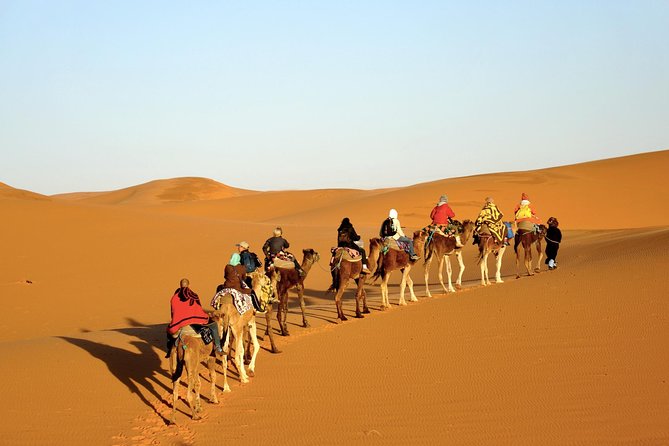
At $133.24 per person, the price is attractive for a three-day route covering this much ground. You receive air-conditioned transport, hotel pickup and drop-off from Marrakech hotels, two nights of accommodation, two breakfasts, two dinners, and the camel trek.
You still need to pay for three lunches, drinks, the optional Aït Benhaddou guide, tips, and possibly a luxury camp upgrade or quad-bike ride. Those extras can push up the final cost, but the basic package remains strong if you mainly want to reach the Sahara without arranging each piece yourself.
The value is best for someone with limited time who wants a first taste of southern Morocco. It is less appealing if you dislike fixed meal stops, shopping opportunities, or long hours in a minivan. You are paying for access and convenience, not a slow, private exploration.
The high overall score of 4.8 from 1,771 ratings and a 96 percent recommendation rate reflects how strongly the desert portion lands for many people. The lower ratings point to the same weak spots: long drives, basic camp facilities, uneven guiding, and costly lunch stops.
Who should book this tour?
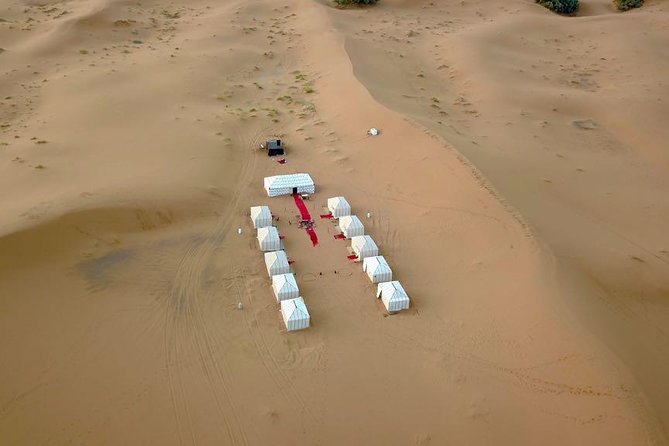
I would choose this tour if you have only a few days in Marrakech and the Sahara is high on your list. It suits couples, friends, students, and families who can handle long road days and want many major sights packed into one route.
It also works well for people who do not want to arrange transport, hotels, a camel trek, and desert camping separately. The drivers can add real value, particularly when they explain the villages and route or help with practical problems.
I would hesitate if you are visiting Morocco for a relaxed pace. You may prefer a longer desert route with more time in each valley and less time returning to Marrakech. I would also think twice about August, when heat can make the camp and camel ride unpleasant.
Final verdict: book it for the desert, accept the road
This is a good-value introduction to southern Morocco, with a genuinely memorable night in Erg Chebbi. The camel ride at sunset, music after dinner, and optional sunrise among the dunes are the strongest reasons to go.
Book it if you can accept the long drives, bring cash for food, and treat the standard camp as basic rather than luxurious. If comfort matters, ask about the luxury camp before paying. For a first Sahara experience from Marrakech, this tour delivers a lot, but it asks you to be patient on the way there and back.
FAQ
How long is the tour?
The experience lasts approximately three days and includes two nights away from Marrakech. Day one takes about five hours for the listed stops, day two about six hours, and day three about nine hours of scheduled touring and travel.
What time does the tour start?
Pickup begins around 7:00 a.m. from your accommodation in Marrakech.
Is hotel pickup included?
Yes, hotel pickup and drop-off are included for hotels inside Marrakech. You should provide the return drop-off address to the driver.
Are meals included?
Two breakfasts and two dinners are included. Lunches and drinks are not included, and vegetarian options are available if requested.
What accommodation is provided?
The first night is in a hotel with a private toilet and shower inside the room. The second night is at a desert camp, where the standard facilities have toilets outside and showers in the lodge.
Is the camel trek included?
Yes, camel trekking in Erg Chebbi is included. You ride from Merzouga to the desert camp and return by camel the following morning.
Can I cancel for a full refund?
Yes. You can cancel at least 24 hours before the local start time for a full refund. Cancellations or changes made within 24 hours are not refunded or accepted.
More Camel Rides
- Marrakech: Agafay Desert Quad, Camel Ride & Dinner Show
★ 4.7 · 10,209 reviews - Marrakesh: Desert & Mountain Tour with Camel Ride & Lunch
★ 4.8 · 7,513 reviews - Marrakech: 3-Day Merzouga Desert Experience Camel & Meals
★ 4.6 · 6,252 reviews - Marrakech: Agafay Desert Dinner Show with Quad Bike & Camel
★ 4.9 · 5,058 reviews
More Sahara Desert Tours in Marrakech
- From Marrakech: 3-Day Merzouga and Sahara Desert Tour
★ 4.9 · 15,308 reviews - From Marrakech: Merzouga 3-Day Desert Safari with Food
★ 4.7 · 12,232 reviews - 3-Day Marrakech to Merzouga Desert Tour: Camel Rides & Overnights
★ 5.0 · 8,734 reviews - 3-Day Marrakech to Fes Sahara Desert Tour via Merzouga
★ 5.0 · 6,546 reviews
Just added around Marrakech
- Marrakech: Medina Souks, Hidden Markets and Shopping Tour★ 4.8 · 33 reviews
- Guided walking tour in Marrakech★ 4.5 · 33 reviews
- Sunset Camel Ride Marrakech with Transfers★ 5.0 · 33 reviews
- Agafay desert sunset camel ride Tour from Marrakech★ 5.0 · 33 reviews
- 2 Days Desert Agafay and Atlas Mountains Trek From Marrakech★ 3.8 · 33 reviews
- Atlas mountains, Ourika valley, berber villages trip & Guide★ 5.0 · 33 reviews
- Magical Dinner show and Quad bike In Agafay Desert Marrakech★ 4.5 · 33 reviews
- Camel Ride at the Palm Groves in Marrakech★ 5.0 · 33 reviews
Merzouga and Sahara Desert Tours, compared.
3 Days Desert Tour From Marrakech To Merzouga Dunes & Camel Trek
Read our review →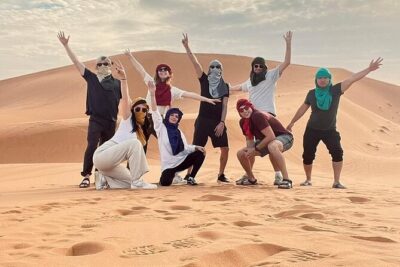
3-Day Marrakech to Merzouga Desert Tour: Camel Rides & Overnights
Read our review →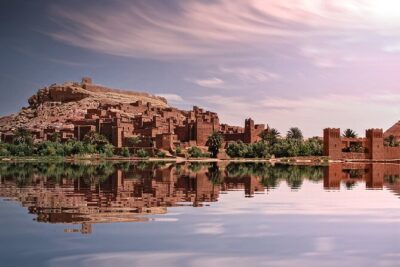
3-Day Marrakech to Fes Sahara Desert Tour via Merzouga
Read our review →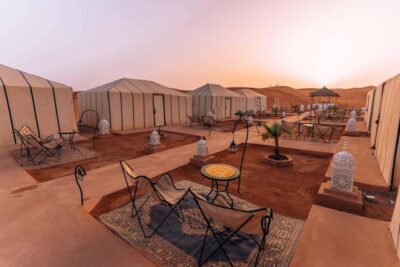
3-Day Merzouga Desert Experience Camel & Meals
Read our review →