
Reviewed · MEDINA AND SOUK WALKS
Essaouira: Sqala du Port, Medina Ramparts & Fish Market Tour
Essaouira rewards curious walkers. This three-hour tour brings together the city’s cannon-lined sea walls, old Jewish quarter, Medina lanes, port, fish market, and artisan workshops in one well-paced introduction. I like the way it mixes major sights with small local details, and I especially like the chance to see thuja wood carving and silver work without having to find the workshops yourself.
The main consideration is the walking. Essaouira’s old streets are uneven in places, and the experience is not suitable for people with mobility impairments. The fish market can also be affected by bad weather, so you should treat that stop as part of the plan rather than an absolute guarantee.
In This Review
- Key points before you book
- Why a guided walk helps in Essaouira
- Starting at Bab Sbaa and entering the Medina
- Thuja wood and silver craft workshops
- The Mellah, Essaouira’s Jewish quarter
- Bab Doukkala and the working Medina
- Sqala du Port and the Atlantic view
- The port and fish market
- Pace, group size, and guide quality
- Is $22 good value?
- Who should book this Essaouira walk?
- Should you book it?
- FAQ
- Where does the Essaouira walking tour begin?
- How long does the tour last?
- Which languages are available?
- Is transportation included?
- What should I bring?
- Is the tour suitable for people with mobility impairments?
Key points before you book
- Start at Bab Sbaa Gate: If you are not staying in the Medina, this is the standard meeting point for finding your guide.
- Expect a local history lesson: Guides such as Aziz, Zaid, Rachid, Ahmed, and Abdelaziz are praised for explaining Essaouira’s culture, architecture, and daily life in clear English or French.
- See more than pretty lanes: The route includes the Mellah, port fortifications, artisan workshops, Bab Doukkala marketplace, and the fish market.
- Good value at $22: You get a licensed local guide, about three hours of walking, free time at points of interest, and optional hotel or riad meeting arrangements.
- Shopping is part of the experience: You may visit woodworking and silver workshops, but the tour is not described as forcing purchases.
- Ask for a private group if you want flexibility: Guides have adjusted the pace and focus for families, solo visitors, children, and people with slower walking speeds.
Why a guided walk helps in Essaouira
Essaouira is easy to enjoy on your own, but its best details are not always obvious. A blue door, a carved wooden panel, an old wall, or a narrow lane may look ordinary until someone explains what it means. A local guide gives the city a readable shape.
The route also connects parts of Essaouira that many independent walkers treat separately. You move from the seafront defenses to the Medina, then into the Mellah and on to the port. That matters because Essaouira’s identity comes from the meeting of these areas, not from one isolated monument.
I would book this early in your stay. You get practical orientation, restaurant ideas, shopping guidance, and a sense of which corners deserve a second look. Several guides have also helped with small purchases, prices, water, and directions, which can make the first day in a new Moroccan town less tiring.
The experience is offered in English or French. A private group is available, and the tone appears to be personal rather than formal. Guides have been praised for humor, patience, storytelling, and willingness to answer questions about both local customs and everyday life.
More Essaouira Day Trips:
- From Marrakech: Essaouira & Atlantic Coast Full-Day Trip
★ 4.4 · 1,100 reviews - Essaouira: Surf Lessons
★ 4.9 · 412 reviews - Essaouira Sand Dunes: Half Day Quad Bike Tour
★ 5.0 · 313 reviews
Starting at Bab Sbaa and entering the Medina
If you are staying inside the Medina, the guide may meet you at your riad reception. Otherwise, meet in front of Bab Sbaa Gate. The provider sends the guide’s name, meeting details, and useful tips by WhatsApp a day or two beforehand, a small but helpful touch in a city where landmarks can blur together.
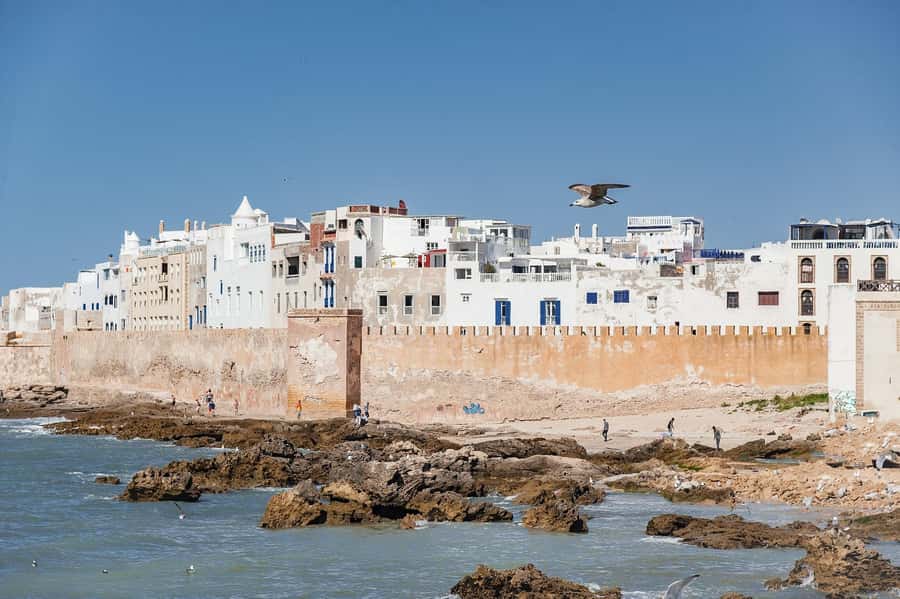
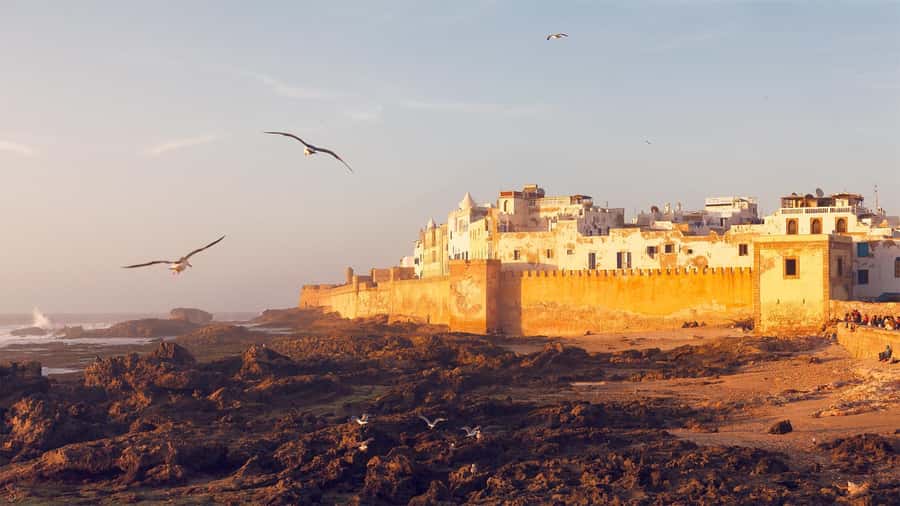
From Bab Sbaa, you begin walking into Essaouira’s UNESCO-listed Medina. Expect whitewashed buildings, blue shutters, old passageways, small shops, and streets where the city’s relaxed pace is easy to feel.
The first section lasts about 75 minutes. That gives your guide enough time to explain the city’s layout rather than rush you from photo stop to photo stop. You can ask about architecture, Moroccan customs, trade, local food, and the communities that shaped Essaouira.
This is where a guide earns the $22 price. Without help, you can stroll the same lanes, but you may miss the cultural clues. Guides have pointed out details that are easy to pass without a second thought, including architectural features, craft traditions, and less obvious routes through the Medina.
The main drawback is that the Medina is not a museum arranged for visitors. Streets can be busy, and your attention will shift between the guide, shops, bicycles, and other pedestrians. Wear shoes with a firm sole and keep water with you.
Thuja wood and silver craft workshops
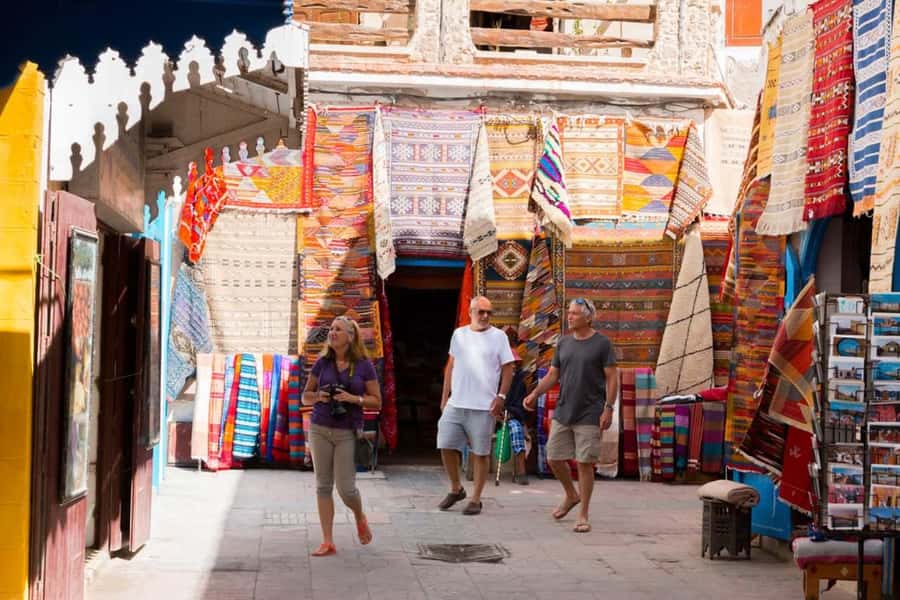
A particularly useful part of the walk is the introduction to local crafts. Essaouira is known for thuja wood furniture, carving, and marquetry, and the tour can include a workshop where you see how the material is shaped and finished.
For me, this is more useful than simply entering a souvenir shop. You can look at the work as a craft first, then decide if anything interests you. Several people specifically appreciated seeing woodworking and silver artisans, while also noting that they did not feel pushed to buy.
Thuja wood objects range from small carved pieces to larger furniture and decorative work. The tour information does not promise a particular workshop or a set shopping allowance, so think of this as a demonstration and orientation, not a guaranteed shopping trip.
Silver work adds another layer to the visit. Your guide can explain the local tradition and direct you toward better-quality boutiques or craft sellers. If you want to purchase something, ask about materials, workmanship, and prices, then take your time.
Families may enjoy this stop because it gives children something practical to watch. One guide was praised for involving children, while others adjusted the pace for older family members. That flexibility is valuable in a walking tour with several cultural stops.
The Mellah, Essaouira’s Jewish quarter
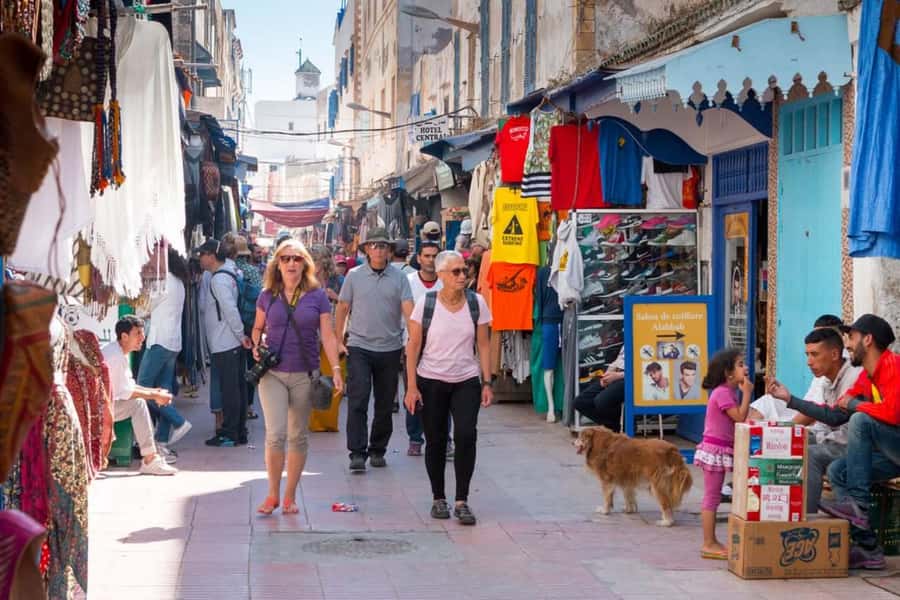
The route then reaches the Mellah, the old Jewish Quarter, for roughly 30 minutes. This is one of the most worthwhile parts of the experience because it adds a chapter that can disappear if you only follow the main shopping streets.
Your guide explains how Jewish and Muslim communities lived alongside one another for centuries and how that shared past remains visible in the neighborhood. The stop can include Jewish architectural details and, according to the experience details and visitor accounts, a synagogue.
The Mellah is not presented as a separate attraction with a long formal visit. Instead, it becomes part of the wider story of Essaouira as a port shaped by Arab, Berber, Jewish, and European influences. That context helps you understand why the city feels culturally different from a simple resort town.
This section is also a good place to ask questions. Guides have been willing to discuss Moroccan society, customs, food, prices, and personal perspectives, not just memorized dates. If you enjoy history with a human angle, you will likely value this stop.
More Medina and Souk Walks:
- Essaouira: Sqala du Port, Citadel, Fish Market & Medina Tour
★ 4.6 · 73 reviews - Essaouira Day Trip from Marrakech _ medina, old port
★ 4.8 · 66 reviews - Marrakech: Bahia Palace, Saadian Tombs, Souk and Medina Tour
★ 4.7 · 4,974 reviews - Marrakech: Ben Youssef, Secret Garden, & Souks Walking Tour
★ 4.6 · 2,802 reviews
Bab Doukkala and the working Medina
The visit to Marketplace Bab Doukkala takes about 30 minutes. This gives you a look at a more everyday side of the Medina, away from the most obvious postcard views.
The appeal is not one grand monument. It is the chance to see how markets and neighborhood streets fit into daily life. You can stop for photos, listen to the guide’s explanation, and note places to revisit later on your own.
This is where the tour’s local focus becomes useful. A guide can help separate shops aimed mainly at passing visitors from places with better workmanship or a more specific local purpose. You are still free to browse, and the tour does not require you to buy anything.
I would use this stop to ask for recommendations for the rest of your stay. Guides have suggested restaurants and places to explore after the walk, and one guide helped a solo visitor find a cooking pot she had mentioned wanting. Those small acts of assistance can be more useful than a long lecture.
Sqala du Port and the Atlantic view
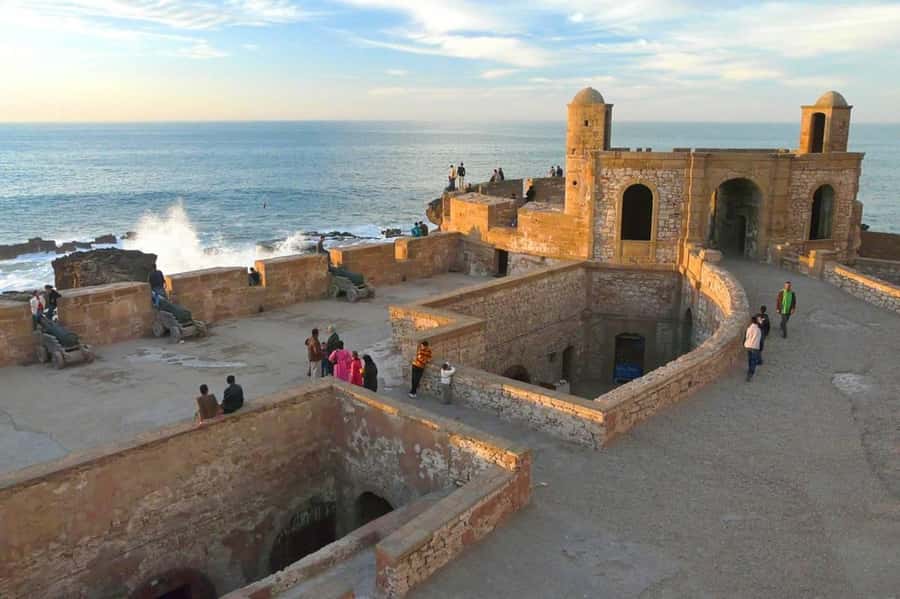
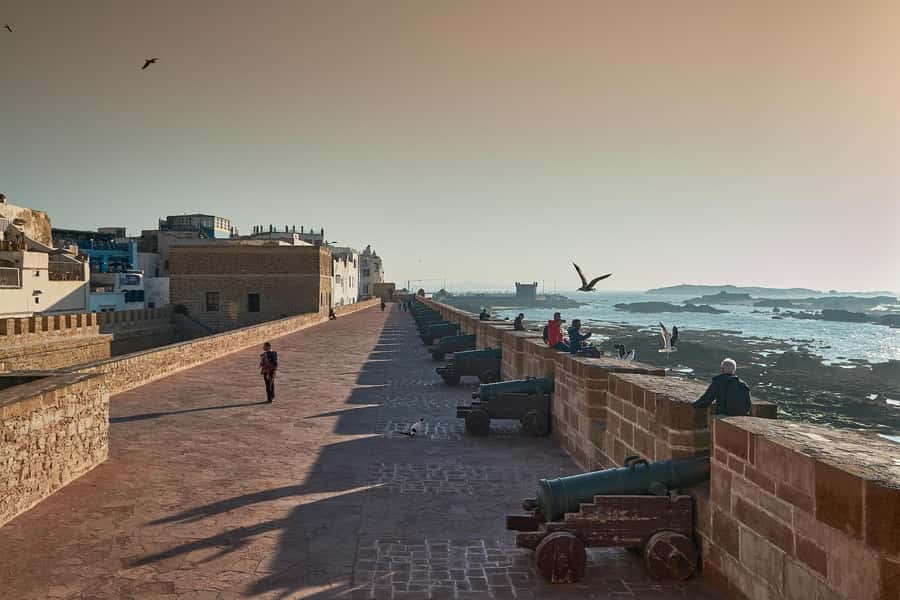
The Sqala du Port is the tour’s dramatic outdoor stop. Allow about 40 minutes to see this 18th-century seafront bastion, its cannons, and the Atlantic views.
The fortifications show why Essaouira mattered as a port. Your guide connects the walls and coastline with the town’s Moroccan, Portuguese, and colonial past, giving the stonework a clear purpose rather than leaving it as a scenic backdrop.
Bring sunglasses. The ocean light can be strong, and the exposed waterfront may feel cool or windy even when the Medina feels mild. Water and comfortable shoes are also important for the full walk.
This is one of the strongest photo stops, but the view is not the whole point. Listen for the explanation of how the port defenses protected the town and how Essaouira’s maritime position shaped its growth.
The tour also adds film trivia, including references to Game of Thrones and Othello. That will not matter to everyone, but it offers a light change of pace after the historical material. If you enjoy recognizing filming locations, ask your guide which scenes were shot in the city.
The port and fish market
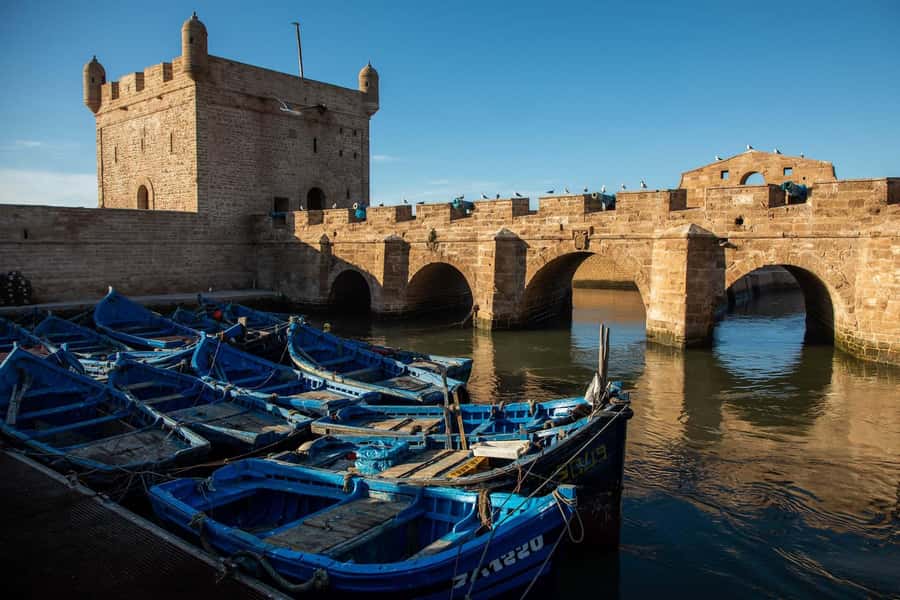
The final major stop is the port and fish market, scheduled for about 30 minutes. Here, you see the coastal side of Essaouira in working form, with the day’s catch sold fresh from the sea and local restaurants serving seafood nearby.
This is a more sensory stop than the Medina. You may notice fish, salt air, vendors, boats, and the movement of people buying and preparing food. It gives the town a practical connection to the Atlantic, not just a pretty waterfront.
You should not expect a polished market attraction. It is a working place, and conditions can change with weather and the day’s catch. One account described the fish market being missed in poor weather, with the reason not made fully clear. If this stop matters to you, confirm the plan with your guide on the day.
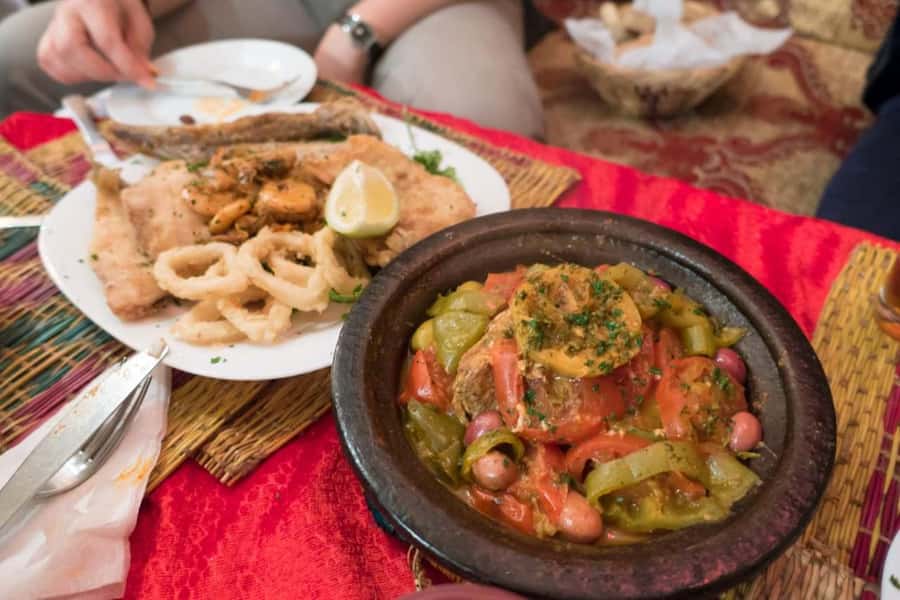
You will have a chance to ask about seafood restaurants, but food is not included in the $22 price. The tour is primarily a walking and cultural experience, so budget separately if you want lunch or a seafood meal afterward.
Pace, group size, and guide quality
The advertised duration is three hours, with the route divided among the Medina, Mellah, marketplace, Sqala, and fish market. In practice, the pace can depend on questions, photos, shopping interest, weather, and group size.
This flexibility is a major strength. Guides have slowed down for parents and older relatives, allowed plenty of photo time, and spent extra time on areas that interested the group. One visitor ended up with a private walk when other people did not appear, and another received a tour lasting more than four hours.
That also means you should not treat the timing as rigid. If you have a bus, lunch reservation, or return departure, mention it at the start. The guide can then help keep the route on track.
The recurring guide names include Aziz, Zaid, Rachid, Ahmed, Abdelaziz, Roshida, and Ian. The strongest praise centers on friendly local personalities, clear English, patience, humor, and an ability to explain both major history and small details.
Zaid is repeatedly described as calm, open to questions, and full of useful facts. Aziz is praised for warmth, personal attention, and pride in Essaouira. Rachid is noted for adjusting the route to specific interests, while Roshida received praise for her French and English and her ability to shape the tour around conversation.
Your assigned guide may differ, so do not book based on one specific personality alone. Still, the pattern is encouraging: the experience depends heavily on the guide, and the available feedback points to a strong local team.
Is $22 good value?
At $22 per person, this is a good price for a guided introduction to Essaouira. You are paying for a licensed local guide, about three hours of walking, free time at points of interest, and help understanding the Medina, port, crafts, and Mellah.
The value is highest for a first visit. You could walk around the city without a guide, but you would spend time finding the port fortifications, artisan workshops, Jewish quarter, and market on your own. You would also miss much of the background that connects them.
Solo visitors should look carefully at the final price. One solo participant felt the cost was too high because the pricing effectively charged double, even though the experience itself was enjoyable. If you are alone, check the exact booking terms before paying.
Transportation is not included in the usual sense of a vehicle transfer. Pickup can be arranged if you stay in the Medina, with the guide meeting you at your riad reception. Otherwise, you walk to Bab Sbaa, and you should not assume a ride from Marrakesh or elsewhere is part of this activity.
Free cancellation up to 24 hours before the start and reserve-now, pay-later terms make the booking less risky. These policies are useful if your Morocco route is still changing, but you should still check the available start time when booking.
Who should book this Essaouira walk?
I would recommend it to first-time visitors who want a clear introduction before exploring alone. It suits couples, families, small groups, and anyone who wants to ask questions about culture rather than simply collect photographs.
It is also a strong choice for solo visitors who prefer a local contact during their first hours in town. Guides have offered practical help with shopping, restaurants, money exchange, prices, and directions.
You should bring water, sunglasses, and comfortable walking shoes. The experience is not suitable for people with mobility impairments, and anyone with a slower pace should tell the guide at the beginning.
The tour is less suitable if you want a long meal, extensive shopping time, or a completely unstructured walk. It covers a lot in three hours, so the craft stops and fish market visit are introductions rather than extended activities.
Should you book it?
Book this tour if you want to understand Essaouira quickly and then return to the places that catch your interest. The combination of Medina lanes, Sqala cannons, Mellah history, craft workshops, and port life gives you a well-rounded first look for a modest price.
I would be especially happy to book it on my first day in Essaouira, while asking the guide to keep the pace comfortable and explain where to return for lunch or shopping. Skip it only if you strongly prefer exploring alone, have difficulty walking on uneven streets, or want a tour devoted to food rather than history and local life.
FAQ
Where does the Essaouira walking tour begin?
You meet the guide in front of Bab Sbaa Gate unless you are staying in the Medina and arrange to meet at your riad reception.
How long does the tour last?
The advertised duration is three hours. The actual pace can vary with questions, photographs, group size, weather, and time spent at craft workshops.
Which languages are available?
The tour is available with a live guide in English or French.
Is transportation included?
Transportation is not included. Optional pickup applies to people staying in the Medina, with the guide meeting them at the riad reception.
What should I bring?
Bring sunglasses, water, and comfortable shoes for walking through the Medina, port area, and ramparts.
Is the tour suitable for people with mobility impairments?
No. The experience is listed as unsuitable for people with mobility impairments.
More Shopping Tours
- Marrakesh: Guided Souk Shopping Tour with a Local Guide
★ 4.9 · 651 reviews - Shopping in the Souks of Marrakech Private Tour
★ 5.0 · 620 reviews - Souks Shopping Tours
★ 5.0 · 395 reviews - Marrakech Shopping Tours : Private Souks Tour
★ 5.0 · 345 reviews
More Market Visits
- The Sunday Market in Had Draa & Local Food Tasting.
★ 5.0 · 33 reviews - Marrakech: Traditional Moroccan Cooking Class & Market Visit
★ 4.8 · 1,861 reviews - Moroccan Cooking Class & Marrakech Market Visit with Chef Khmisa
★ 5.0 · 1,504 reviews - Marrakech: Moroccan Cooking Class with Market Visit and Meal
★ 4.9 · 347 reviews
Just added around Essaouira
- The Sunday Market in Had Draa & Local Food Tasting.★ 5.0 · 33 reviews
- Horse riding on the beach of Essaouira 2 hours★ 5.0 · 34 reviews
- Essaouira 1 hour discovery ride on the back of a camel★ 5.0 · 37 reviews
- Explore Essaouira’s Secrets: A Guided Tour with a Local!★ 4.7 · 37 reviews
- 2 hours horse ride beach and dunes in Essaouira Morocco★ 4.5 · 38 reviews
- Private Kitesurf Lesson in Essaouira Morocco★ 5.0 · 38 reviews
- Individual kitesurfing lessons in Essaouira★ 5.0 · 38 reviews
- Essaouira: Area Highlights Guided E-Bike Tour★ 4.9 · 39 reviews
Medina and Souk Walks, compared.
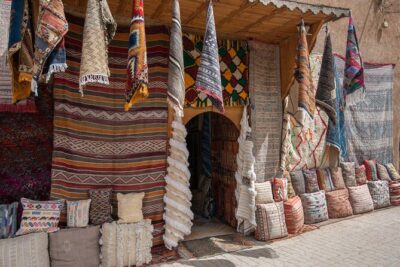
Bahia Palace, Saadian Tombs, Souk and Medina Tour
Read our review →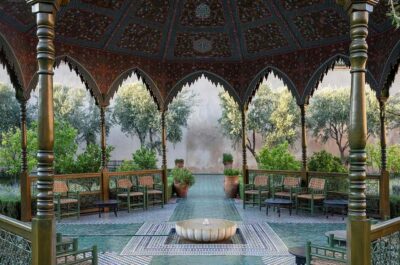
Ben Youssef, Secret Garden, & Souks Walking Tour
Read our review →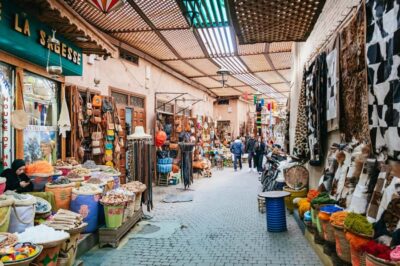
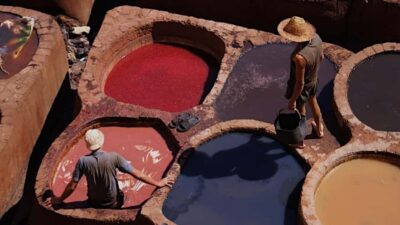
Saadian Tombs & Bahia Palace, Medina Guided Tour
Read our review →
Museum, Al Attarine Madrasa & Tannery and Medina Tour
Read our review →
Bahia Palace, Madrasa Ben Youssef and Medina Tour
Read our review →Browse the lists this tour appears in