
Reviewed · COOKING CLASSES
Rabat: Authentic Moroccan Cooking Class with Expert Chefs
Food tells you where you are.
This three-hour class at OhDelices Culinary Academy gives you a practical way into Moroccan food, with hands-on work on dishes such as tagine, couscous, msemen, pastilla, traditional breads, and sweet pastries. I especially like the chance to work with unusual ingredients such as preserved lemon and fermented butter, and I like that you sit down to eat the full meal afterward with mint tea and local stories.
The main point to consider is the language setup. Classes are offered in Arabic, English, and French, but the chef may teach in French with an assistant translating into English. The small group, limited to 10 people, helps, though you should tell the academy about dietary needs before arriving.
In This Review
- Key points to know before you book
- What the three-hour Rabat class feels like
- Entering Moroccan cooking through the spice cupboard
- Building a Moroccan meal from starter to dessert
- The chefs, translators, and teaching style
- Eating the food you prepared
- Is $65 good value in Rabat?
- Who will enjoy this class most?
- Practical details that make the day easier
- What could be improved
- Should you book the OhDelices cooking class?
- FAQ
- How long does the Rabat cooking class last?
- How much does the cooking class cost?
- Where does the class take place?
- What dishes can you learn to prepare?
- Is a meal included after the cooking session?
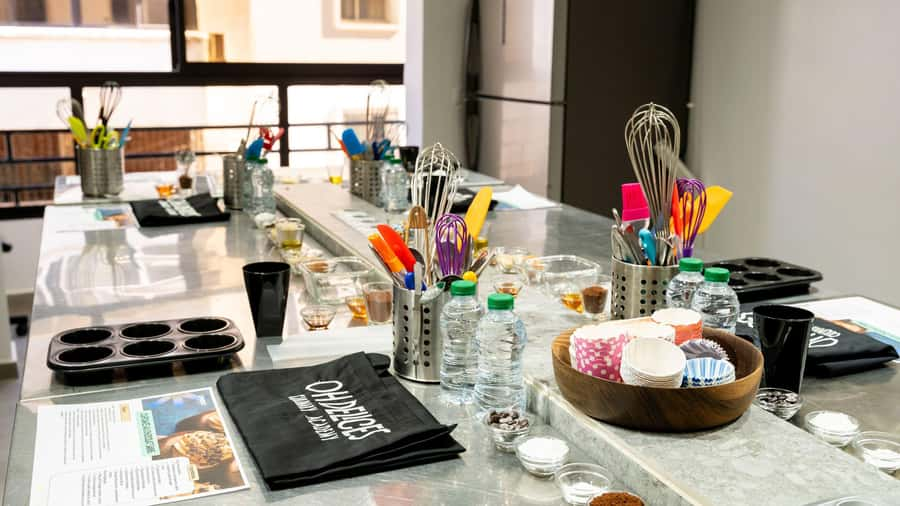
- Are ingredients and kitchen equipment included?
- Are recipes provided?
- Which languages are available?
- Is the class wheelchair accessible?
Key points to know before you book
- Preserved lemon and fermented butter bring a real Moroccan taste to dishes such as chicken tagine, ingredients you may not use often at home.
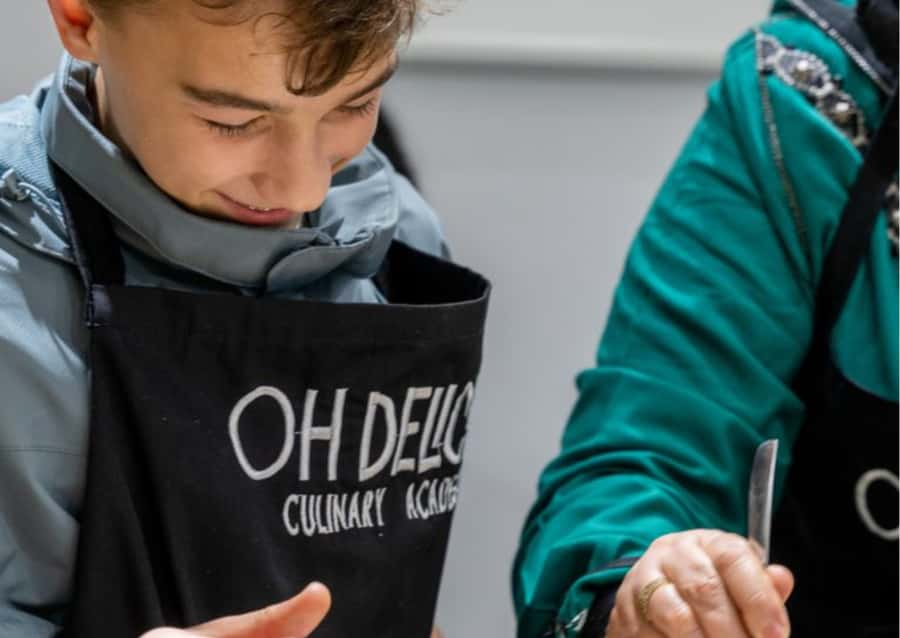
- Chef Loubna, Chef Najat, Hannane, and Fatimah are among the named hosts connected with the warm, well-organized teaching style.
- A full meal is part of the class, including the dishes you prepare, Moroccan mint tea, and time to share stories.
- The menu can respond to guest preferences, although the final choices may change depending on the group.
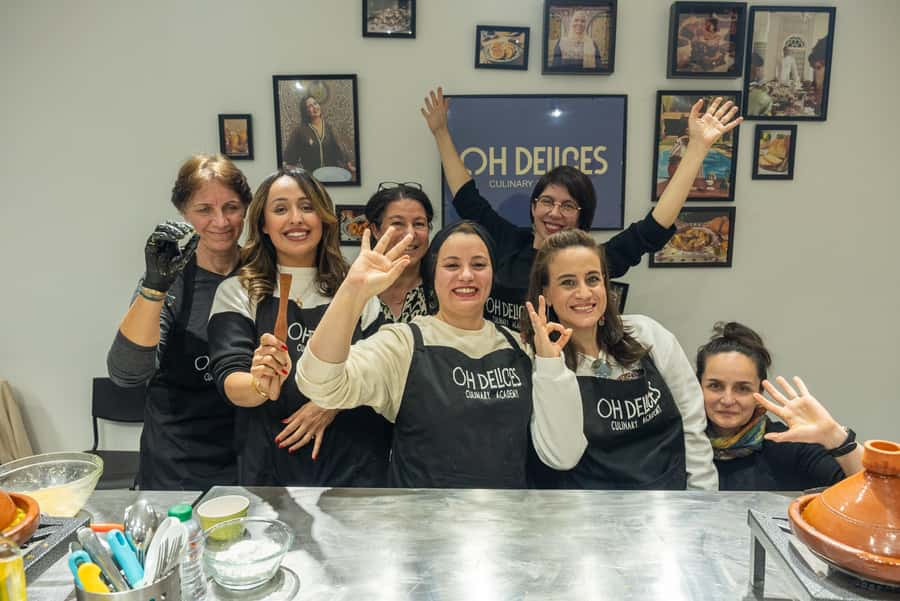
- The group size is capped at 10, making it easier to get help than in a large demonstration class.
- Recipes are included, so you can try the dishes again after returning home.
What the three-hour Rabat class feels like
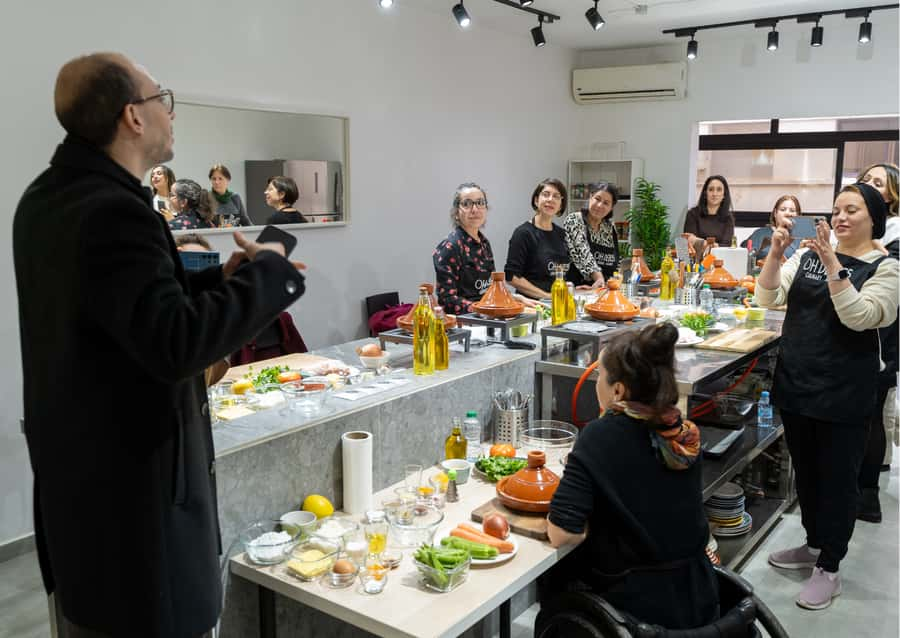
You meet at OhDelices Culinary Academy in Rabat, in a building next to the Goethe Center. Transportation to the studio is not included, so you need to make your own way there.
The class lasts about three hours. That is enough time to cook a starter, main course, bread or pastry, and dessert without turning the session into a rushed kitchen drill. It also leaves room for questions, explanations, and the final meal.
I like the format because you do not simply watch a chef chop onions from across the room. You take part in the work, learn the basic methods, and then eat what you helped prepare. For a first day in Rabat, this can also help you get your bearings through food, though you should remember that cooking smells may linger on your clothing.
One participant specifically wished the academy had odor-removing spray for clothes after the class. That is a small issue, but a useful tip. Wear clothes that can handle a strong mix of spices, onions, butter, and cooking aromas.
A few more Rabat trips worth weighing up
- Join Best Moroccan Cooking Class with Chef Khadija ( Over 35 years Experience )
★ 5.0 · 56 reviews - Rabat Family Cooking Class
★ 5.0 · 43 reviews - Rabat: Cooking Class in a Family Home
★ 5.0 · 27 reviews
Entering Moroccan cooking through the spice cupboard
Moroccan food is not simply about making a dish hot. Much of the appeal comes from balancing sweet, savory, sour, floral, and earthy notes.
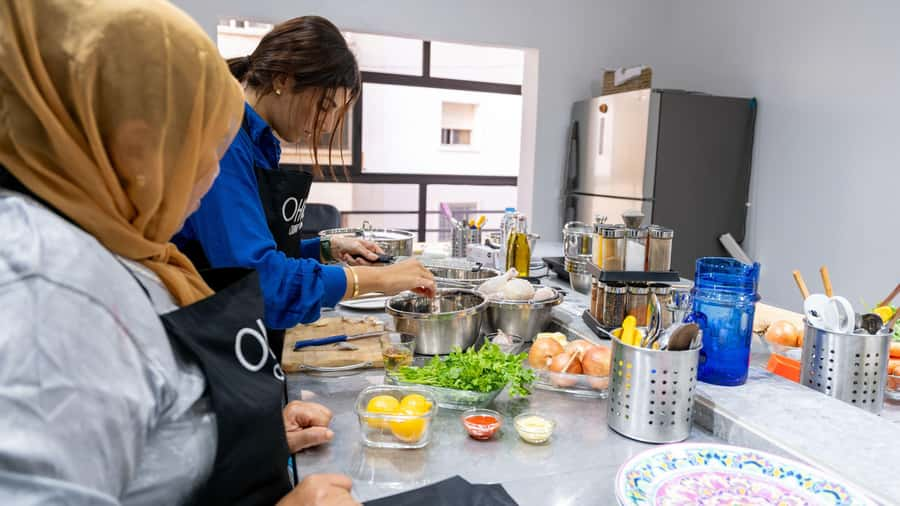
The class introduces you to the role of Moroccan spices and shows how they work together. That matters because a written recipe alone often cannot explain when to add a spice, how much to use, or how long the flavors need to cook.
You may work with familiar seasonings alongside ingredients that have a stronger local character. Preserved lemon is a good example. It gives chicken tagine a sharp, salty citrus flavor that is different from squeezing fresh lemon over the finished dish.
Fermented butter is another memorable ingredient. It is not the sort of item most home cooks casually keep in the refrigerator, so trying it in the class gives you a better feel for the flavor than simply reading about it.
The teaching is designed for beginners as well as experienced cooks. That makes the class a good fit if you want clear instruction rather than a serious professional kitchen challenge. You should still expect to listen closely, handle ingredients, and take part in several stages of the meal.
Building a Moroccan meal from starter to dessert
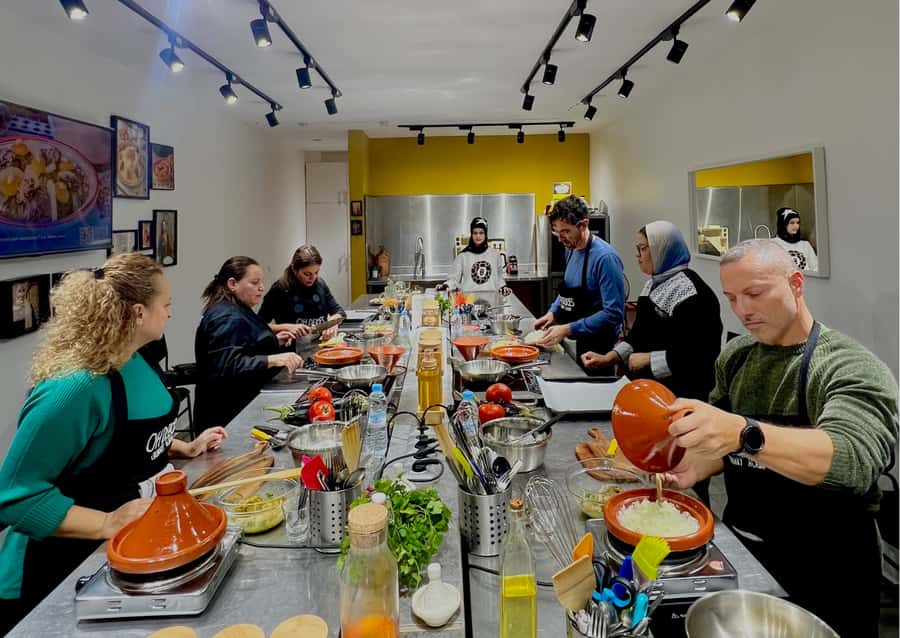
The menu is intended to cover a full traditional meal. Depending on the group and the choices made before or during the class, you may prepare a starter, main dish, bread, and dessert.
Eggplant is one starter option that has been especially successful in the class. It is a useful dish to learn because Moroccan eggplant preparations show how vegetables can carry a meal through seasoning, texture, and careful cooking rather than heavy sauces alone.
For the main course, tagine is the natural centerpiece. You might prepare beef tagine or lemon chicken tagine, both of which give you a lesson in slow cooking and the careful handling of spice.
The chicken version can include preserved lemon and fermented butter. The beef version offers a different result, with a hearty sauce and meat that benefits from patient cooking. The exact menu is not fixed for every group, so do not book with the assumption that one particular dish is guaranteed.
Couscous is also listed among the Moroccan staples covered by the academy. Traditional breads and msemen may be included as well. Msemen is a layered Moroccan flatbread, and learning to work with dough adds a useful change of pace after the sauce-based dishes.
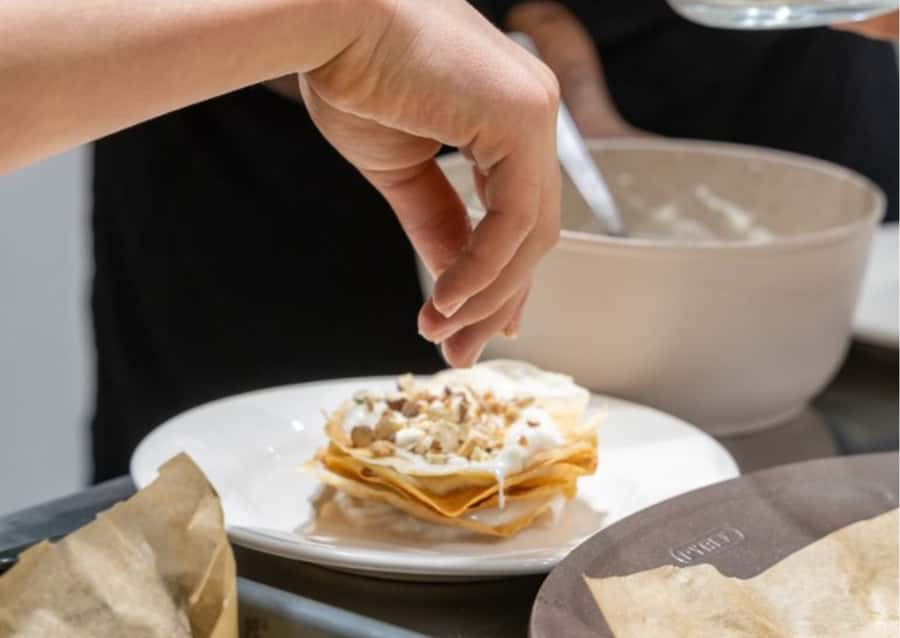
Pastilla and Moroccan sweet pastries may also feature in the class. These recipes can be more involved than a basic tagine, so the chef’s guidance is valuable. If you have a particular interest in pastilla, bread, or dessert, mention it in advance rather than hoping it will appear on the day.
The chefs, translators, and teaching style
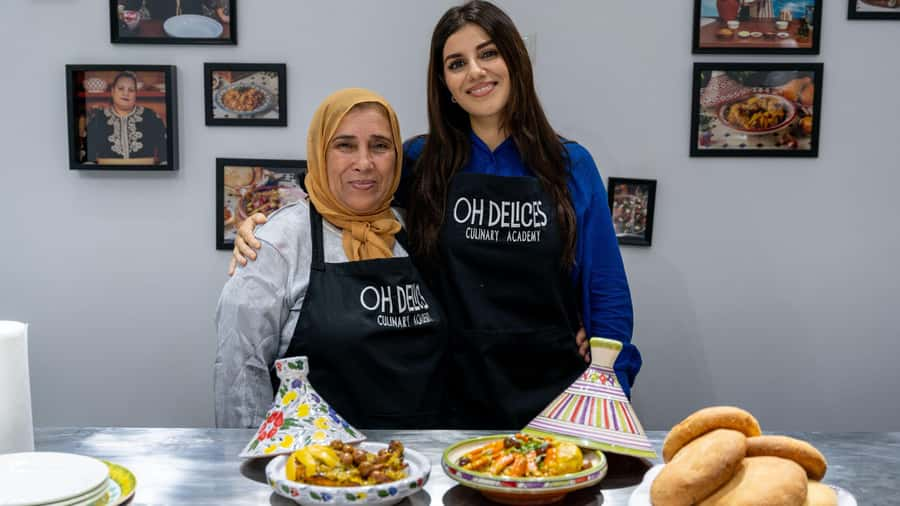
The class is led by professional chefs and Moroccan dadas, a term used for traditional women cooks who pass down home-style culinary skills. The emphasis is not only on getting food onto the plate. You also hear about techniques, ingredients, and the cultural background of the dishes.
Chef Loubna is named as one of the instructors, and her teaching is described as organized, friendly, and passionate about Moroccan cooking. Chef Najat has also led sessions, including one featuring eggplant, beef tagine, and a pastry dessert.
Hannane and Fatimah are also named as hosts who help create a relaxed and orderly class. Malak and Oumaima have provided translation support in English and helped keep the cooking moving.
The language arrangement deserves a clear explanation. The listed teaching languages are Arabic, English, and French, but some sessions may have a French-speaking chef with an assistant translating into English. If you speak French, you may find the instruction more direct. If you speak English only, the translator should help, but the class may not feel like a fully English-led lesson at every moment.
That is not necessarily a problem. Cooking is visual, and you can learn by watching the technique as well as listening to the explanation. Still, tell the academy your preferred language when booking.
More Cooking Classes:
- Marrakech: Moroccan Cooking Class with Pickup
★ 4.6 · 1,862 reviews - Marrakech: Traditional Moroccan Cooking Class & Market Visit
★ 4.8 · 1,861 reviews - Marrakesh: Moroccan Dishes Cooking Class with a Local Chef
★ 5.0 · 1,615 reviews - Moroccan Cooking Class & Marrakech Market Visit with Chef Khmisa
★ 5.0 · 1,504 reviews
Eating the food you prepared
The final meal is more than a quick taste at the kitchen counter. You sit down to enjoy the dishes you made, with complimentary Moroccan mint tea and conversation.
This is one of the strongest parts of the experience. Cooking gives you a reason to pay attention, but eating together gives the class a social shape. You can compare results, ask last questions, and hear stories connected with Moroccan food.
The finished meal has also been praised for being generous. One couple described being completely full after preparing a starter, main dish, and dessert. That makes the $65 price easier to judge, especially since ingredients, equipment, instruction, tea, and the meal are included.
The class is not the cheapest way to eat in Rabat. A local restaurant meal will usually take less time and may cost less. But a restaurant will not give you recipes, hands-on practice, or the chance to understand why preserved lemon changes a tagine.
Is $65 good value in Rabat?
At $65 per person, this class sits in the mid-range for a three-hour food experience. You are paying for more than ingredients.
The price includes:
- All cooking ingredients
- Kitchen equipment
- Guidance from an experienced chef
- A complete meal after cooking
- Moroccan mint tea
- Recipes to take home
The meal itself is important when judging value. You are not paying $65 for a short lesson followed by an extra restaurant bill. You cook a substantial menu and then eat it.
I would see the class as good value for couples, families, and anyone who treats food as part of the trip rather than a simple necessity. It is also a useful choice for people who want a souvenir they can use. A recipe booklet may outlast a standard market purchase.
The value is less clear if you dislike group activities, already cook Moroccan food confidently, or only want a quick meal. The group can include up to 10 participants, so the experience is personal but not private.
Who will enjoy this class most?
The academy welcomes beginners, experienced cooks, couples, families, individuals, and groups. That broad appeal makes sense because the class is built around guided participation rather than advanced culinary exams.
You will probably enjoy it most if you like:
- Learning by doing
- Trying ingredients that are difficult to identify at home
- Eating a meal you helped prepare
- Meeting local hosts and other participants
- Taking recipes home for another attempt
Families should note the need for comfortable clothing and suitable shoes. Bare feet are not allowed, and comfortable shoes are specifically recommended.
This is also a good activity for a rainy or very hot part of your Rabat schedule because the focus is indoors. The location is wheelchair accessible, which widens its appeal, though you should still share any specific access needs when arranging your visit.
For a birthday or anniversary gift, the format works well. One booking was made as a present for a couple, and the class provided a shared activity rather than another object to pack.
Practical details that make the day easier
Wear comfortable clothing suitable for cooking. Spices and kitchen work can leave noticeable smells on fabric, so avoid clothing you need immediately afterward for a special dinner or long journey.
Bring comfortable shoes. Weapons, sharp objects, smoking, vaping, alcohol, drugs, and bare feet are not allowed at the academy. Smoking indoors is also prohibited.
Tell the organizers about dietary restrictions or food preferences in advance. The class may ask what you would like to cook, and the menu can change based on the group. Advance notice gives the chef a better chance to plan around your needs.
The academy is next to the Goethe Center building. Since transportation is not included, leave enough time to find the building and arrive ready to cook. Check the available start times when booking because the three-hour duration does not mean the class begins at one fixed hour each day.
The cancellation policy is traveler-friendly: you can cancel up to 24 hours ahead for a full refund. You can also reserve now and pay later, which helps if your Rabat schedule is still shifting.
What could be improved
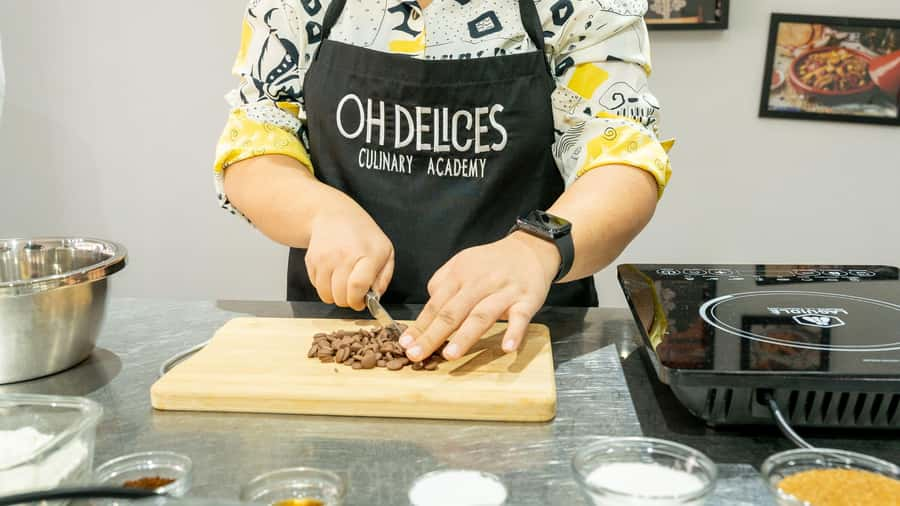
The class receives a perfect 5 rating from 17 ratings, and the praise focuses on organization, food, friendly instruction, and the relaxed atmosphere. Those are meaningful strengths, but no cooking class is perfect for everyone.
The most practical limitation is that the menu may change. You can express preferences, but the final dishes depend partly on the other people in your group. If you have your heart set on pastilla or msemen, ask about availability before you arrive.
The second issue is translation. English support is available, but the chef may speak French while an assistant translates. That can add a little waiting between instruction and action, especially if the kitchen is busy.
Finally, the cooking aromas are strong. That is part of the fun, but you may smell of spices afterward. Plan your clothing accordingly.
These are manageable drawbacks, not reasons to dismiss the class. They simply help you arrive with the right expectations.
Should you book the OhDelices cooking class?
I would book this class if you want a hands-on cultural activity with a proper meal at the end. The strongest reasons are the small group, the patient help from the chefs and translators, the chance to use ingredients such as preserved lemon and fermented butter, and the recipes you can repeat at home.
I would be more cautious if you need a guaranteed menu, a fully English-speaking chef, or a private class. Ask about those points before booking.
For most people, $65 is fair for three hours of instruction, ingredients, equipment, tea, and a full traditional meal. Wear practical clothes, share your dietary needs early, and do not schedule an important event immediately afterward. If you want to understand Moroccan food rather than only order it, this is a strong addition to a Rabat itinerary.
FAQ
How long does the Rabat cooking class last?
The class lasts three hours.
How much does the cooking class cost?
The price is $65 per person.
Where does the class take place?
It takes place at OhDelices Culinary Academy in Rabat. The building is next to the Goethe Center building.
What dishes can you learn to prepare?
Possible dishes include tagine, couscous, msemen, pastilla, traditional breads, Moroccan starters, and sweet Moroccan desserts. The exact menu can change based on group preferences and the class arrangement.
Is a meal included after the cooking session?
Yes. You enjoy a full meal made during the class, along with complimentary Moroccan mint tea.
Are ingredients and kitchen equipment included?
Yes. All ingredients and cooking equipment are included in the price.
Are recipes provided?
Yes. Recipes are provided for you to take home.
Which languages are available?
The listed languages are Arabic, English, and French. Classes are available in English and French with a translator.
Is the class wheelchair accessible?
Yes. The activity is listed as wheelchair accessible. You should still share any specific access requirements in advance.
Just added around Rabat
- Private Boat Tour of the Bouregreg River, a Traditional Boat★ 4.5 · 19 reviews
- Rabat Food and Cultural Full Day Tour★ 5.0 · 19 reviews
- full Day trip from Rabat to chefchaouen blue city★ 4.5 · 22 reviews
- Rabat old Medina ,Hassan Tower and Kasbah Oudaya Walking tour★ 5.0 · 25 reviews
- Rabat: Private Half-Day City Tour★ 4.1 · 26 reviews
- Rabat: Cooking Class in a Family Home★ 5.0 · 27 reviews
- Private Transfer From Rabat Airport to Rabat City★ 5.0 · 28 reviews
- Rabat: Private Guided City Walking Tour★ 4.8 · 30 reviews
Cooking Classes, compared.
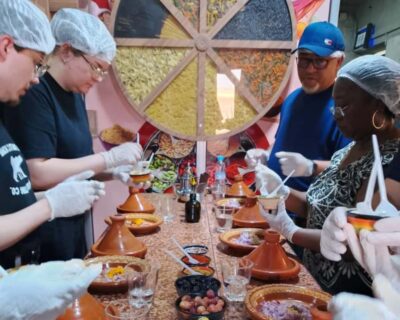
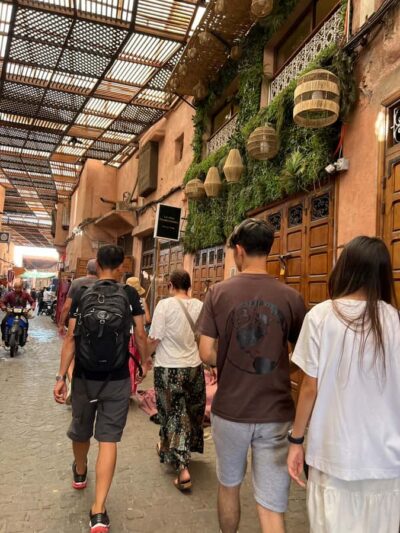
Traditional Moroccan Cooking Class & Market Visit
Read our review →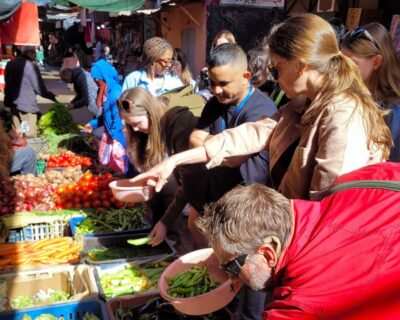
Moroccan Dishes Cooking Class with a Local Chef
Read our review →
Moroccan Cooking Class & Marrakech Market Visit with Chef Khmisa
Read our review →
Half-Day Cooking Class with Local Chef Laila in Marrakech
Read our review →
Browse the lists this tour appears in