
Reviewed · COOKING CLASSES
Rabat Family Cooking Class
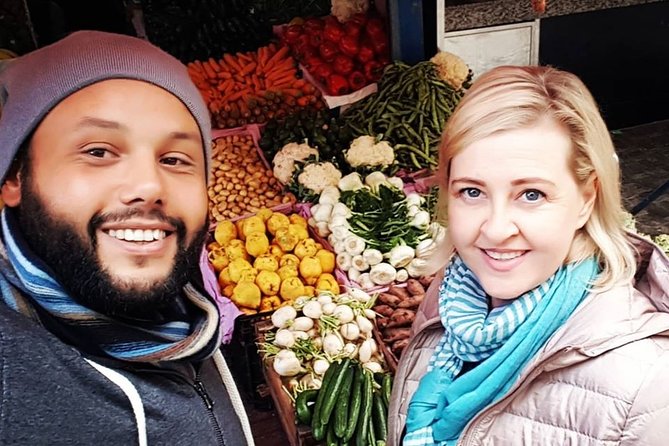
Moroccan food begins at the market. This Rabat cooking class pairs a guided ingredient shop with a home-cooked lunch, giving you a close look at how food and family fit together in daily life. I especially like the small maximum of eight people, which should keep the lesson personal, and the chance to choose from menu options before shopping. The main point to consider is that transportation is not included, so you must reach the meeting point yourself.
I also like that this is not just a kitchen demonstration. You help buy the ingredients, prepare a three-course meal, ask questions, and then eat with the family. The class costs $75.60 per person, which is fair if you value personal contact and lunch, though it costs more than a simple market walk or restaurant meal.
In This Review
- Key Points at a Glance
- Why This Rabat Class Feels Different
- Meeting at Hôpital Moulay Youssef
- Reading the Market Before Cooking
- Walking to the Family Home
- Preparing a Three-Course Moroccan Lunch
- Sitting Down With the Family
- What the $75.60 Price Buys You
- Who Should Book This Experience
- Practical Details for a Smooth Visit
- My Booking Verdict
- FAQ
- Where does the Rabat Family Cooking Class begin?
- Where does the experience end?
- How long does the cooking class last?
- How many people can join the class?
- Is transportation included?
- What happens before the cooking session?
- Is lunch included?
- Are alcoholic drinks included?
- Can I cancel for a full refund?
- Is a mobile ticket accepted?
Key Points at a Glance
- Market shopping comes first: Your guide explains ingredients and Moroccan food customs before you cook.
- You help choose the menu: Options are presented at the beginning, then the group shops for what it needs.
- Cooking takes place in a family home: This gives the class a personal setting and a look at everyday Moroccan hospitality.
- Lamb tagine may be on the menu: Past sessions have included lamb tagine, though the exact dishes depend on the options available that day.
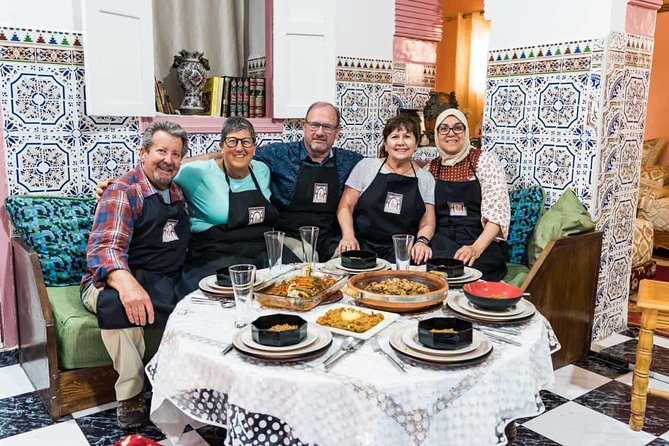
- Lunch is part of the lesson: You sit down with the family to enjoy the three-course meal you helped prepare.
- Small groups keep it manageable: The class accepts no more than eight people and lasts about three hours.
Why This Rabat Class Feels Different
Rabat has plenty of places to eat Moroccan food. A plate of tagine or couscous is easy to find. What is harder to find is a setting where you can ask how the ingredients are chosen, watch a family prepare lunch, and take part in the work yourself.
That is the appeal here. The experience links three parts of Moroccan food culture: shopping, cooking, and sharing. You do not simply arrive at a finished meal. You see the ingredients before they reach the pot, hear how local customs shape the meal, and then sit down to eat what you made.
The class also offers something a restaurant cannot. At the family home, the conversation can move beyond recipes. The host shares personal stories about food and family life, giving you a more direct sense of Moroccan hospitality.
The group limit matters. With up to eight people, this is not a huge demonstration where you stand at the back and hope to see the cutting board. It should be easier to follow the instructions and find time for questions. Still, a group of eight is not private, so guests seeking a one-on-one lesson should keep that in mind.
A few more Morocco trips worth weighing up
- Marrakech: Moroccan Cooking Class with Pickup
★ 4.6 · 1,862 reviews - Marrakech: Traditional Moroccan Cooking Class & Market Visit
★ 4.8 · 1,861 reviews - Marrakesh: Moroccan Dishes Cooking Class with a Local Chef
★ 5.0 · 1,615 reviews
Meeting at Hôpital Moulay Youssef
The class begins at the Terminus Tramway Hôpital Moulay Youssef on Avenue Sidi Mohamed Ben Abdellah in Rabat. You start with a short introduction, including an explanation of the menu and the choices available.
This opening is useful because it lets you state your preferences before the shopping begins. The menu is not presented as a fixed surprise. Instead, you select according to your likes, then shop for the ingredients needed for lunch.
Plan your arrival with care. The experience includes no transportation, and the activity ends back at the same meeting point. You will need to handle your own route to the start and your return afterward.
The booking confirmation is issued at the time of reservation, and mobile tickets are accepted. The class is generally booked around 30 days ahead, so I would not leave it until the last minute if your Rabat schedule is tight.
Reading the Market Before Cooking
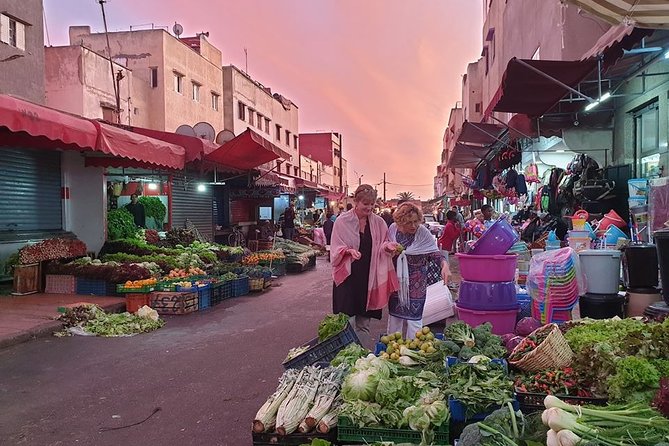
The market visit is more than a grocery stop. Your guide explains the ingredients and talks about local customs, so you begin to understand how Moroccan cooking starts before anyone lights a stove.
This is one of the strongest parts of the experience. Ingredients can look familiar in a market, but their role in a dish is not always obvious. The guide provides the connection between what you see for sale and what later appears in the meal.
You also get the chance to ask questions while the food is still in its raw form. If you want to understand the choices behind a tagine, this is a good moment to ask. The group selects the menu first, then purchases what is needed, which gives the shopping a clear purpose.
The market portion also adds local context. You are not only learning what goes into lunch. You are hearing about food customs and seeing the practical side of buying ingredients for a Moroccan family meal.
There is one practical tradeoff. Market visits involve walking and take place before the cooking session, so you should be ready for an active start rather than a class where you sit down immediately. The exact market route and ingredients are not specified, so the experience may vary with the chosen menu.
Walking to the Family Home
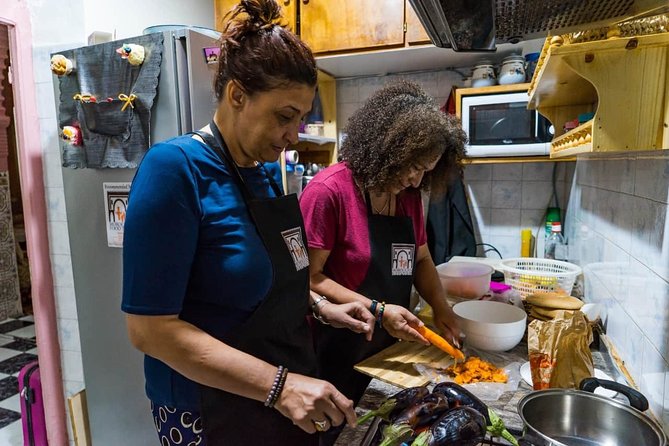
After shopping, the group walks directly to the host family’s home. The change in setting is important. You move from a public market into a private household, where cooking becomes less like a formal class and more like being welcomed into someone’s lunch routine.
The home setting is the heart of the experience. Several parts of the meal are prepared together, and the host shares stories about food and family. You get a closer look at Moroccan life than you would through a standard sightseeing route.
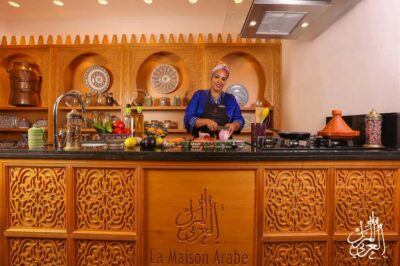
The tone appears friendly and relaxed. Guests have cooked with Muhammad and Iman during a lamb tagine session, while other sessions have taken place with a professional chef in her home. That means the precise host and menu can differ, but the basic idea remains the same: learn in a family setting and eat together afterward.
Because this takes place in a real home, it is best suited to people who enjoy personal contact and a less polished setting. If you prefer a purpose-built cooking school with a fixed layout, printed stations, and a tightly timed demonstration, this may feel more informal.
More Cooking Classes:
- Moroccan Cooking Class & Marrakech Market Visit with Chef Khmisa
★ 5.0 · 1,504 reviews - Half-Day Cooking Class with Local Chef Laila in Marrakech
★ 5.0 · 952 reviews - Marrakech: Moroccan Cooking Class with a Local Family
★ 4.9 · 668 reviews - Marrakech: Moroccan Cuisine Cooking Class in Local Home
★ 4.8 · 508 reviews
Preparing a Three-Course Moroccan Lunch
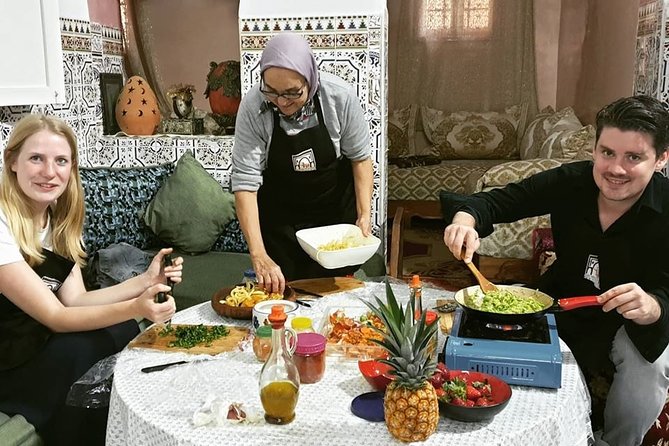
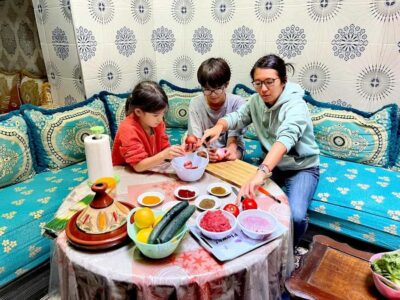
The cooking session is hands-on. You prepare a three-course meal with the home cook, rather than watching from the sidelines. The class allows time for questions, which is useful if you want to repeat one of the dishes at home.
Lamb tagine has appeared in the menu, and it has been a particular favorite. The cooking is paired with conversation and laughter, so the lesson is not only about technique. You are also learning how a Moroccan meal is prepared and enjoyed in a family setting.
The exact dishes are not guaranteed in the information provided. The menu is selected from available options at the start, which gives you some choice but also means you should not book expecting one fixed recipe.
That flexibility is a plus for mixed groups. If one person prefers a different option, the opening discussion gives the group a chance to choose together. It is also worth asking about recipes during the class. One past participant wanted recipes sent by email and had not received them, so do not rely on follow-up materials. Take notes or ask permission to photograph the written instructions if that is allowed.
Sitting Down With the Family
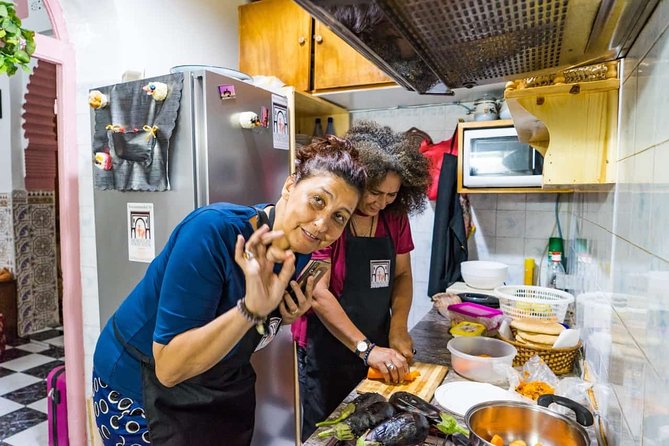
Once the food is ready, you sit down and eat with the family. Lunch, beverages, coffee or tea, snacks, and bottled water are included. Alcoholic drinks are not included.
This shared meal is more than a convenient finish. It gives the cooking a purpose and lets you enjoy the food in the setting where it belongs. The welcome from the family is repeatedly described as warm, and the personal stories help turn a recipe lesson into a cultural exchange.
I would allow yourself time to linger mentally, even though the full activity lasts about three hours. The market, walk, cooking, and meal all fit into that window, so the schedule is fairly full. You may not get a long, leisurely afternoon at the table, but you should get enough time to eat and talk.
The experience is especially appealing if you are tired of sightseeing in quick bursts. Instead of moving from one landmark to another, you spend part of the day doing something ordinary and meaningful: shopping for lunch, preparing it, and sharing it.
What the $75.60 Price Buys You
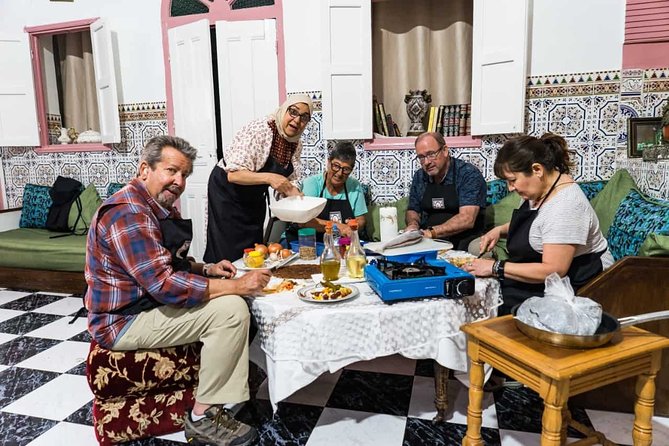
At $75.60 per person, this is not the cheapest way to eat in Rabat. You could find a meal for much less. The value comes from the combination of services and access: a guide, a market visit, ingredient explanations, a cooking lesson, a three-course lunch, drinks, and time in a family home.
The price makes more sense if you would otherwise pay separately for a food tour and a cooking class. Here, those elements are joined together, and the meal is included. The group size of no more than eight also helps justify the cost because the experience should allow more direct contact than a large group activity.
For me, the best value is the home setting. You are paying for a personal encounter that is difficult to arrange on your own. The food is part of it, but the family stories and practical look at Moroccan customs are what make the experience harder to replace with a restaurant visit.
The value is weaker if your main goal is simply to eat lunch or collect exact recipes. The menu is flexible, recipes may not arrive afterward, and transportation is extra. Book this for the complete experience, not just the food.
Who Should Book This Experience
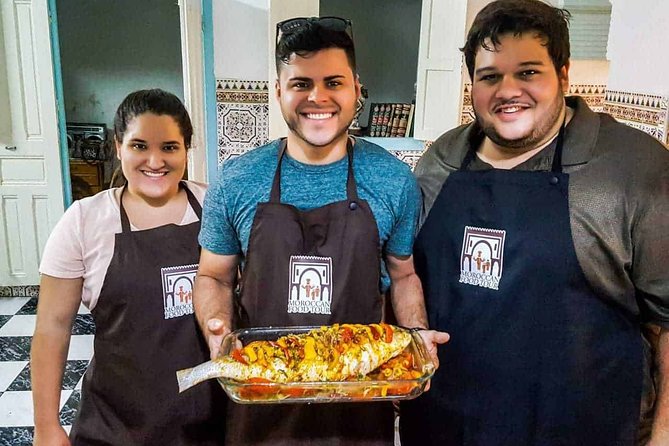
I would recommend the class to curious eaters, couples, families, and small groups who like to participate. It also suits you if you want a cultural activity in Rabat that does not feel like a standard sightseeing stop.
It is a good choice for anyone who wants to learn through conversation. The guide explains market ingredients and customs, while the host family adds personal stories. You will get the most from it if you ask questions and take part rather than waiting passively for instructions.
The class can also work well for people who want to cook Moroccan food at home. The hands-on practice may help you remember the process, especially if you take your own notes. Lamb tagine has been prepared during the class, and one participant left eager to make tagine at home.
I would think twice if you have a strict diet or need a guaranteed dish. The provided details do not specify dietary accommodations, and the menu is selected from options at the start. Ask the provider before booking if food restrictions are important to you.
You should also consider the personal nature of the visit. This is held in a family home, not a neutral classroom. That is the reason many people find it special, but it may not suit you if you want a formal, predictable cooking-school format.
Practical Details for a Smooth Visit
The activity lasts about three hours and returns to the starting point at the Terminus Tramway Hôpital Moulay Youssef. Since transportation is not included, arrange your own way there and back.
Your mobile ticket is accepted, and confirmation arrives when you book. The activity is capped at eight people, and it is often reserved about 30 days ahead.
Free cancellation is available up to 24 hours before the start time for a full refund. Cancellations or changes made less than 24 hours before the start time are not accepted for a refund, and the cut-off uses Rabat local time.
Alcohol is not included, but beverages, coffee or tea, snacks, bottled water, and lunch are provided. If you need a specific drink or have dietary concerns, ask before the class rather than assuming it will be available.
My Booking Verdict
I would book this Rabat cooking class if you want food, conversation, and a personal look at Moroccan family life in one compact experience. The best parts are the market visit, the hands-on preparation, and the warm shared meal afterward.
The price is reasonable for the full package, especially with a small group and lunch included. Just remember that the exact menu can vary, transportation is not provided, and you should not depend on recipes being emailed later.
For a first visit to Rabat, this is a strong choice for an authentic food experience. Book it if you want to do more than order Moroccan food. Book it if you want to help make it.
FAQ
Where does the Rabat Family Cooking Class begin?
It begins at the Terminus Tramway Hôpital Moulay Youssef on Avenue Sidi Mohamed Ben Abdellah in Rabat, Morocco.
Where does the experience end?
The activity ends back at the meeting point.
How long does the cooking class last?
The experience lasts approximately three hours.
How many people can join the class?
The activity has a maximum group size of eight travelers.
Is transportation included?
No. Transportation is not included, so you must make your own way to and from the meeting point.
What happens before the cooking session?
You receive an introduction, discuss the menu and available options, choose according to your preferences, and visit the local market to buy ingredients.
Is lunch included?
Yes. Lunch is included, along with beverages, coffee or tea, snacks, and bottled water.
Are alcoholic drinks included?
No. Alcoholic drinks are not included.
Can I cancel for a full refund?
Yes. You can cancel at least 24 hours before the experience start time for a full refund.
Is a mobile ticket accepted?
Yes. The experience includes a mobile ticket, and confirmation is received at the time of booking.
Just added around Morocco
- Marrakech: Medina Souks, Hidden Markets and Shopping Tour★ 4.8 · 33 reviews
- Merzouga 4×4 Desert Tours & Excursions★ 5.0 · 33 reviews
- Agafay desert sunset camel ride Tour from Marrakech★ 5.0 · 33 reviews
- Guided walking tour in Marrakech★ 4.5 · 33 reviews
- Sunset Camel Ride Marrakech with Transfers★ 5.0 · 33 reviews
- 2 Days Desert Agafay and Atlas Mountains Trek From Marrakech★ 3.8 · 33 reviews
- Fun buggies in Agadir Forest and Beach Dunes★ 4.5 · 33 reviews
- Atlas mountains, Ourika valley, berber villages trip & Guide★ 5.0 · 33 reviews
Cooking Classes, compared.
Traditional Moroccan Cooking Class & Market Visit
Read our review →
Moroccan Dishes Cooking Class with a Local Chef
Read our review →
Moroccan Cooking Class & Marrakech Market Visit with Chef Khmisa
Read our review →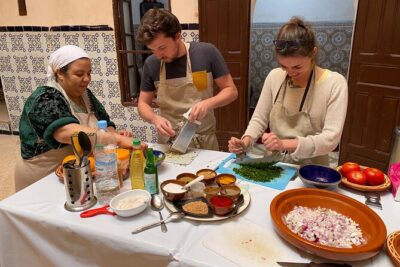
Half-Day Cooking Class with Local Chef Laila in Marrakech
Read our review →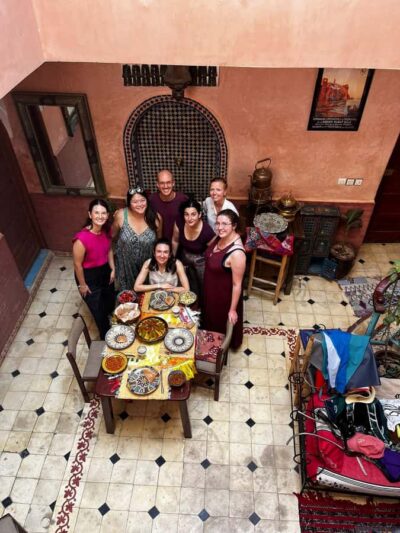
Browse the lists this tour appears in