
Reviewed · FOOD & DRINK
Casablanca: Food Tour with Tastings in Quartier Habous
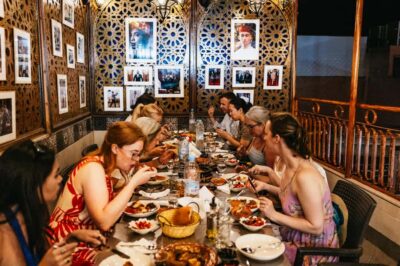
Come hungry, leave curious. This Casablanca food tour pairs local tastings with a guided walk through Quartier Habous, the old city, and the Central Marketplace, giving you more than a meal and a map. You get a look at Moroccan architecture, artisan streets, neighborhood cafés, and food stalls that can be tricky to approach on your own.
I like the wide range of stops, from msemen and briouats to tagine, pastries, tea, coffee, and even oysters in some versions of the tour. I also like the personal touch offered by guides such as El Mehdi and Sanaa, who have helped visitors handle local ordering, shopping, and conversations in Arabic.
The main caution is that the experience can vary with the guide and the day. One unhappy customer found the guide rushed and hard to locate at café stops, while most of the available feedback praises the food, warmth, and local access. You should also note the tour is not suitable for wheelchair users or people with food allergies.
In This Review
- Key points at a glance
- Why Quartier Habous is a smart place to start
- A food tour that may change from day to day
- Walking through Habous and the nearby residential streets
- The old city market brings a different mood
- Thirty minutes at the Central Marketplace
- What the $54 price buys you
- Guide language and the human side of the tour
- Who will enjoy this Casablanca experience most
- Should you book the Quartier Habous food tour?
- FAQ
- How long does the Casablanca food tour last?
- Where does the tour take place?
- What food might I taste?
- Is hotel pickup included?
- Which languages are available?
- Is the tour suitable for people with food allergies?
- What should I bring?
Key points at a glance
- Quartier Habous sets the tone: Explore a Casablanca district known for its planned streets, traditional design touches, shops, cafés, and food stalls.
- Come with an empty stomach: Tastings may include soup, bread, briouats, msemen, pastilla, tagine, pastries, tea, coffee, and other local foods.
- The Central Marketplace is a major highlight: El Mehdi is especially praised for arranging food tastings and shopping help in this area.
- The route can change: Some outings include a fish market, oysters, the mosque, the lighthouse, and extra stops near your accommodation.
- Expect a walking-heavy outing: Comfortable shoes, water, sun protection, and a camera are practical choices.
- Best for flexible eaters: The tour suits people who want local guidance, but it is not recommended for people with food allergies.
Why Quartier Habous is a smart place to start
Quartier Habous gives you a useful first look at Casablanca because it brings several sides of the city together. The district has planned streets and Moroccan architectural details, with shops, food businesses, cafés, and residential areas close by. You are not only sitting down for a meal. You are walking through a working neighborhood where food is part of ordinary daily life.
The tour begins with pickup in Casablanca, followed by a guided visit of Habous and nearby residential streets. The published timing gives roughly two hours to this part of the experience, though the total tour is listed as 210 minutes and the individual stops add up to a little more than that. Treat the schedule as a guide rather than a minute-by-minute promise.
I like this opening because it lets you get your bearings before entering the market areas. Your guide can explain architectural details, point out local businesses, and help you understand how the district fits into modern Casablanca. The pace is likely to feel more like a neighborhood walk than a formal museum tour.
The food begins early. Depending on the day and guide, you might start with soup and bread, a pastry, or other breakfast-style dishes. The tour description specifically highlights crispy briouats, soft msemen, and pastilla, a pastry known for its sweet and savory combination.
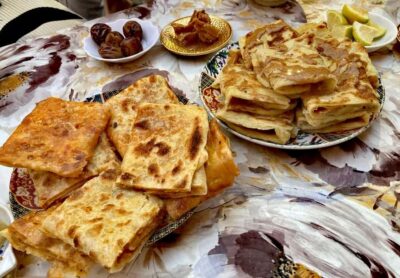
That variety matters. Moroccan food is not just tagine, and a good food tour should show how much the country eats between full meals. Msemen gives you a soft, layered flatbread. Briouats offer a crisp pastry shell with a savory filling. Pastilla brings a more complex contrast, often combining delicate pastry with sweet and savory flavors.
You may also stop for Moroccan tea, cookies, coffee, or a simple café visit. These breaks are useful because they slow the walk and give you time to ask questions. They also reveal how food functions socially in Morocco, not just what appears on a plate.
More Food Tours:
- Cook Moroccan Food & Try on Traditional Clothes like a local
★ 5.0 · 213 reviews - Casablanca Food Tour – Moroccan Street Food Tour
★ 5.0 · 86 reviews - Casablanca Food Tour
★ 5.0 · 60 reviews
A food tour that may change from day to day
This is not presented as a fixed restaurant menu, and that is both a strength and a limitation. The food list gives you a good idea of the style of the experience, but your exact tastings may depend on the guide, opening hours, market conditions, and your group.
El Mehdi receives especially strong praise for taking people to places they might not find or approach alone. His route has included breakfast soup and bread, a fish market with oysters, a visit near a mosque and lighthouse, tagine in the Medina, and coffee at the end. That is a broader Casablanca introduction than the advertised Habous focus alone.
Sanaa is also praised for her entertaining manner and excellent English. Her tour included food stops that visitors would have had trouble finding independently, along with plenty of conversation and Arabic practice. If language matters to you, the activity offers English, French, Italian, and Arabic, but German is not listed.
One important point: do not eat a large breakfast before you go. The tastings can add up, especially if your guide includes soup, bread, pastries, market food, tagine, tea, and coffee. A light snack beforehand may be sensible if you need one, but save room for the route.
Food allergies require special care. The activity is specifically listed as unsuitable for people with food allergies, so this is not the right choice if you need strict ingredient control. Dietary restrictions should be considered before booking rather than handled casually on the day.
Walking through Habous and the nearby residential streets
The Habous portion is not only about tasting food. You will spend time walking, stopping for photos, browsing shops, and passing through streets where residential life sits close to commercial activity. The guide provides background on Moroccan culture and architecture, which gives the food a clearer setting.
I like this part for people who want context without committing to a long history lecture. The route allows you to see how buildings, shops, tea stops, and food businesses fit together. You can ask practical questions as you go, such as how a dish is eaten, when a certain food is served, or how to approach a market stall.
Shopping may also be part of the stop. One family found that El Mehdi was happy to pause while a parent visited non-food shops, and he connected well with children. That flexibility can make a big difference if your group has mixed interests.
The downside is that flexibility can also mean less consistency. A food tour that adapts to your interests may not follow the same route every time. If you want a precise list of restaurants, exact tasting portions, and fixed timing, this may feel loose.
Wear comfortable walking shoes. The instructions also recommend a water bottle, sun hat, camera, biodegradable sunscreen, and insect repellent. Casablanca weather can change, and the route includes outdoor walking and market areas, so practical clothing matters more than dressing up.
The old city market brings a different mood
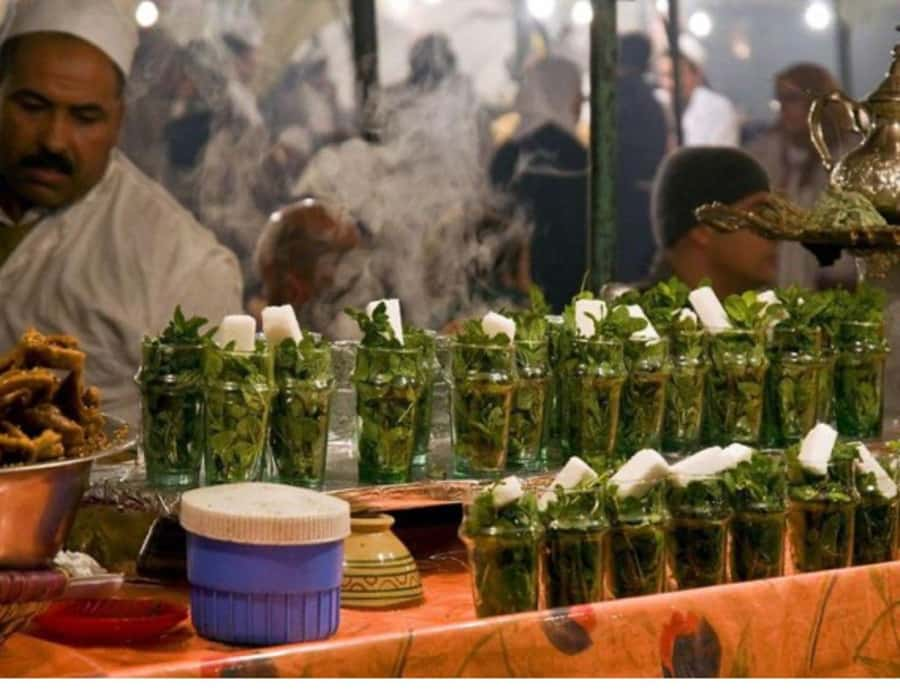
The route continues toward the old city market, listed as a 90-minute section with time for photos, shopping, sightseeing, and a guided walk. This is where a local guide becomes particularly useful. Markets can feel confusing when you do not know which lane leads where, how to ask a price, or how to judge whether a stop is intended for eating, shopping, or simply looking.
You might pause for food, browse stalls, or follow the guide through streets that are easy to miss when you are exploring alone. The value here is not only the tasting. It is the introduction to the way local markets work.
The route may also include unexpected stops. One version included a fish market and oysters. Another included additional sights on the way back to the accommodation. These additions can make the tour feel generous, but they also mean you should not assume every group receives the same sequence.
If seafood is not your thing, tell the guide early. The available information does not promise that every tasting can be replaced, and people with food allergies are advised not to book. For everyone else, a market seafood stop can be one of the most memorable parts, provided you are comfortable with the setting.
Keep your attention on your belongings in any crowded market. This is ordinary city advice, not a special warning about this tour. A camera is welcome, but ask before photographing people or private activity.
A few more Casablanca trips worth weighing up
- Night Tour of Casablanca with Street Food Tasting
★ 4.8 · 29 reviews - Street Private Guided Food Tour with Tastings at Casablanca
★ 5.0 · 19 reviews - From Marrakech: Merzouga 3-Day Desert Safari with Food
★ 4.7 · 12,232 reviews - Marrakech: Street Food Tour with a Local Guide
★ 4.9 · 3,119 reviews
Thirty minutes at the Central Marketplace
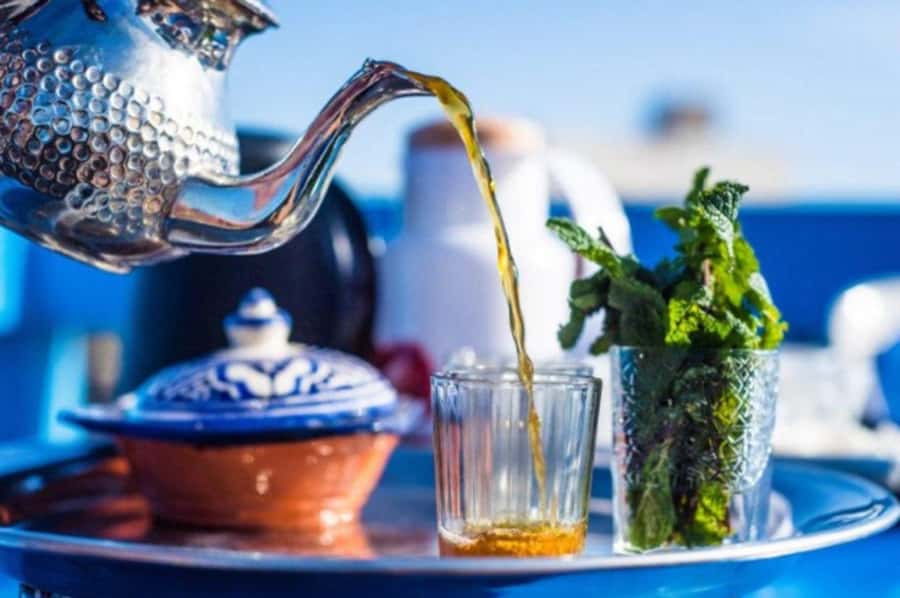
The Central Marketplace gets a shorter listed visit of about 30 minutes, but it may be one of the most useful sections for food-focused visitors. The stop includes sightseeing, shopping, free time, and possible street-food tastings.
El Mehdi is praised for having strong connections in this area and for helping with both tasting and shopping. That can turn a quick market visit into a practical lesson in what to buy, how to compare products, and which foods are worth your attention.
A short stop also keeps the tour from becoming exhausting. After several hours of walking and eating, 30 minutes may be enough to look around without turning the market into a long, tiring assignment. If you want more shopping time, ask your guide what can fit into the schedule.
The schedule is worth checking carefully before you book. The activity is advertised as 210 minutes, while the listed segments suggest more time when added together. Pickup and return may account for some of the difference, or the individual times may be approximate. If you have a train, flight, or fixed evening plan, leave a generous buffer.
What the $54 price buys you
At $54 per person, this is not the cheapest way to grab Moroccan food. It can still be good value if you use the guide well.
You are paying for more than the individual snacks. The price includes local food tastings, a guided visit through Quartier Habous and nearby residential areas, and explanations of Moroccan culture and architecture. The guide may also help you reach food businesses, cafés, and market sellers that are less obvious to an independent visitor.
The strongest value comes when your guide is active and engaged. El Mehdi’s route, for example, has included several food categories, market access, additional sights, and help with shopping. That is a lot for one half-day outing, especially if you have limited time in Casablanca.
The value drops if the guide rushes or leaves you alone during café stops. One poor experience described erratic driving, little time spent with the group, and confusion about where to go next. That account is very different from the strong praise given to El Mehdi and Sanaa, so I would treat guide quality as an important part of the purchase decision.
Tips are not included. Plan to tip if the service is good, since tipping is a normal way to show appreciation for a helpful guide. The amount is up to you.
Guide language and the human side of the tour
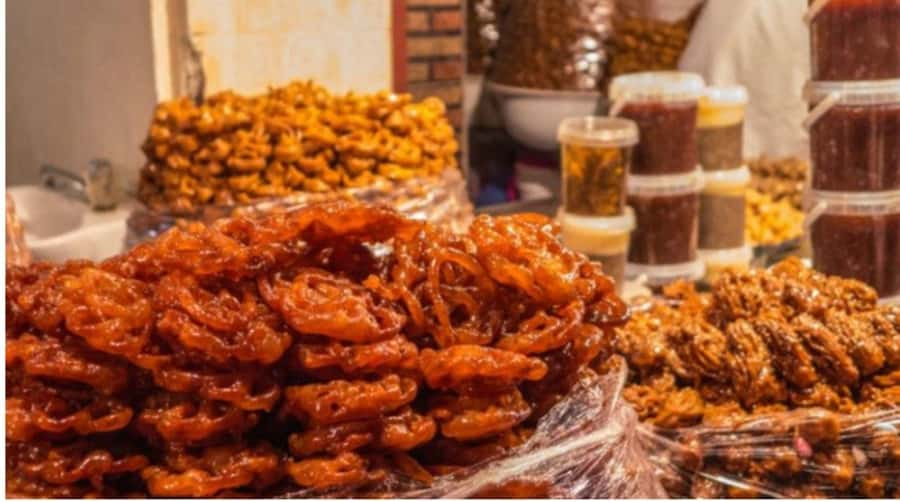
The experience is offered in English, French, Italian, and Arabic. Sanaa has been praised for excellent English, while other outings have included plenty of Arabic conversation and informal language practice.
El Mehdi’s style appears especially appealing to people who want a relaxed, social guide. Families have appreciated his easy manner with children, and couples have valued his willingness to adjust the route. He has also been praised for making people feel comfortable in the Medina and for introducing them to local contacts.
That personal element is a major reason to choose a guided food tour instead of simply visiting markets alone. You can concentrate on tasting and looking around instead of worrying about every social detail.
Still, I would set reasonable expectations. The guide may not sit with you at every café, and the route may be busy. If you want a guide who remains beside the group for every bite and conversation, mention that preference at the start.
Smoking and pets are not allowed. The activity is not suitable for wheelchair users, and the walking plus market surfaces may be difficult for anyone who needs step-free access.
Who will enjoy this Casablanca experience most
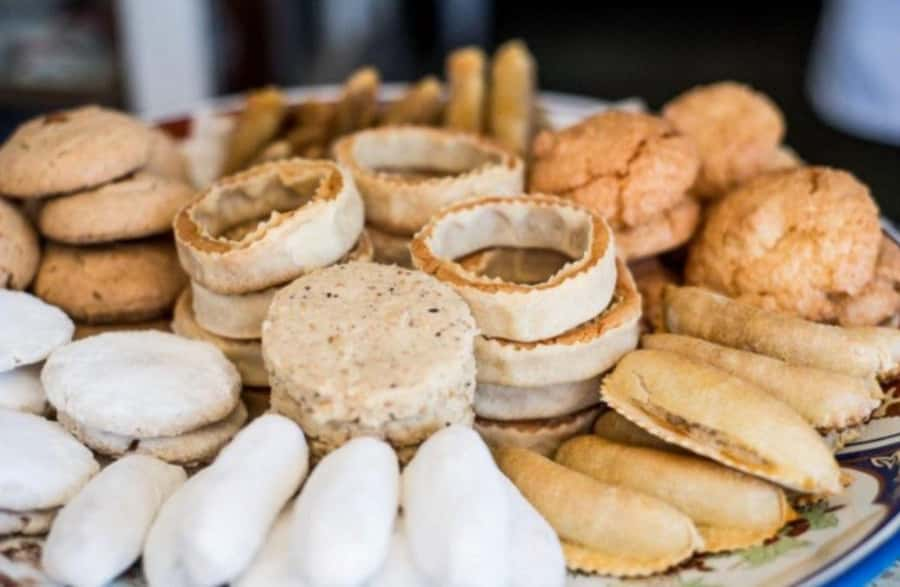
I would choose this tour if you have only a short time in Casablanca and want food, neighborhoods, and market life in one outing. It is also a good fit if you are nervous about ordering from unfamiliar places or want help navigating the old city.
Families can do well here, especially with a guide who is comfortable adjusting the pace. The food range also makes the tour useful for curious eaters who want more than one famous Moroccan dish.
You should think twice if you dislike uncertain menus, crowded markets, seafood, or walking. The experience is not a polished restaurant crawl with guaranteed dishes and fixed seating. It is better understood as a guided introduction to Casablanca through whatever food and local stops fit the day.
Bring water and protect yourself from the sun. Avoid booking if you have food allergies, and consider your dietary needs before paying. Free cancellation is available up to 24 hours before the activity, and the reserve-now, pay-later option gives you some flexibility if your Casablanca plans are still moving.
Should you book the Quartier Habous food tour?
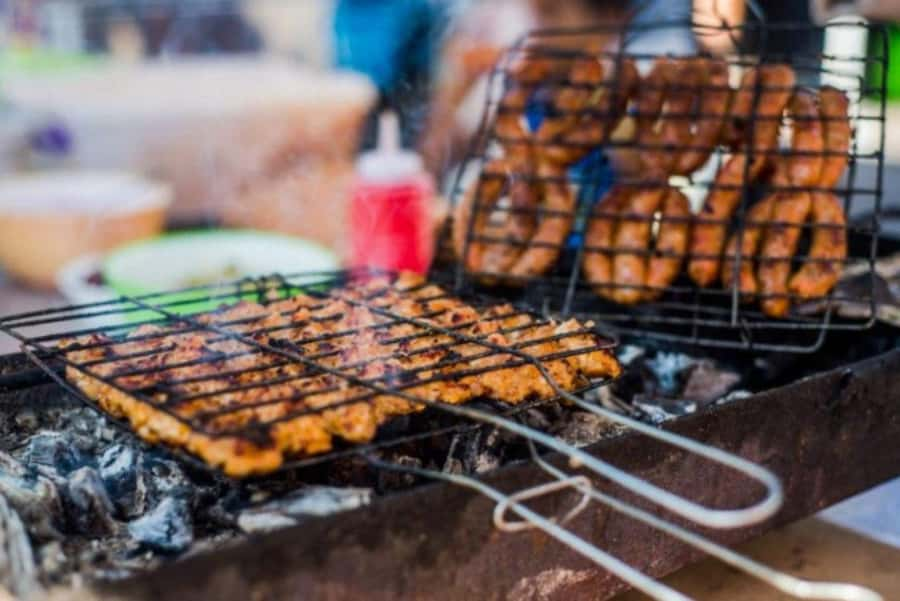
Book it if you want a local food orientation rather than a formal dining experience. The mix of Habous streets, old city markets, Central Marketplace tastings, tea, coffee, pastries, and possible seafood gives you a broad first taste of Casablanca.
I would be most inclined to book when El Mehdi or Sanaa is available, based on the warm, specific praise attached to their guiding. Ask about the expected food stops, the pickup timing, and how much walking is involved before you confirm.
Skip it if you need strict allergy control, wheelchair access, or a fixed itinerary. For everyone else, $54 is a fair price when the guide is engaged and the route includes several tastings and market introductions. Come hungry, wear good shoes, and allow extra time after the 210-minute estimate.
FAQ
How long does the Casablanca food tour last?
The advertised duration is 210 minutes, or three and a half hours. The listed stop times are approximate, so allow extra time if you have another appointment afterward.
Where does the tour take place?
The tour begins with pickup in Casablanca and focuses on Quartier Habous, nearby residential areas, the old city market, and the Central Marketplace.
What food might I taste?
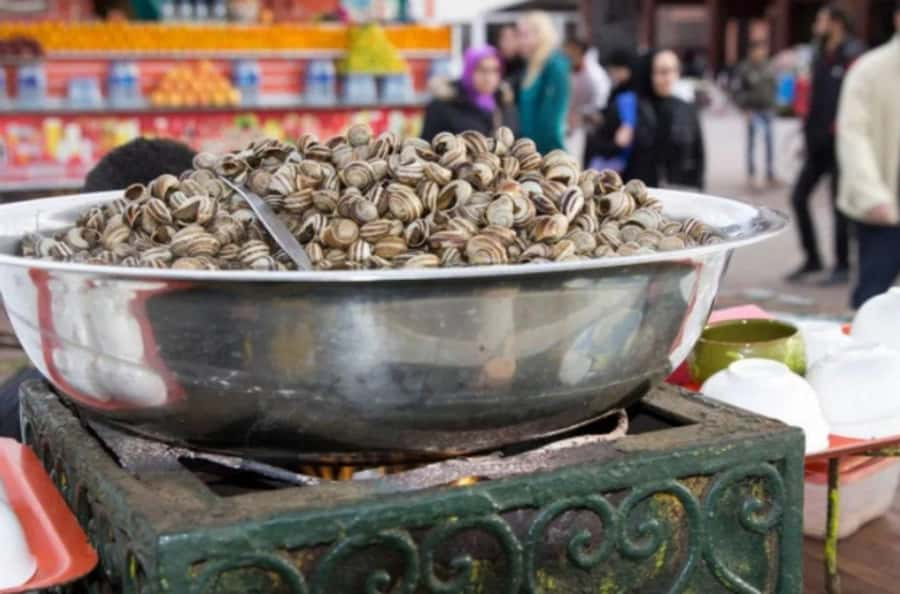
Possible tastings include briouats, msemen, pastilla, soup, bread, tagine, pastries, Moroccan tea, coffee, cookies, and street food. Some routes may also include oysters at a fish market.
Is hotel pickup included?
The experience describes pickup at your hotel in Casablanca and return to your accommodation. Confirm the exact pickup point and timing when checking availability.
Which languages are available?
Live guiding is available in English, French, Italian, and Arabic. German is not listed among the available languages.
Is the tour suitable for people with food allergies?
No. The activity is listed as unsuitable for people with food allergies. You should also consider dietary restrictions before booking.
What should I bring?
Bring comfortable walking shoes, water, a sun hat, a camera, biodegradable sunscreen, and insect repellent. Pets and smoking are not allowed.
Just added around Casablanca
- Private Half-Day Guided Tour of Casablanca★ 4.0 · 17 reviews
- Private 10 days Tour From Casablanca Via Desert★ 5.0 · 17 reviews
- Casablanca day trip from the cruise ship passenger.★ 4.2 · 17 reviews
- Morocco 8-Night Tour: Chefchaouen, Desert & Hot Air Balloon★ 5.0 · 18 reviews
- Private 11 Day Tour From Casablanca Imperial Cities Sahara Desert★ 5.0 · 18 reviews
- Private Casablanca Layover Tour with Round-Trip Airport Transfer★ 4.5 · 18 reviews
- Big Morocco Tour 15 Days From Casablanca★ 5.0 · 18 reviews
- Casablanca Airport Transfer from hotel in Casablanca★ 5.0 · 18 reviews
Food & Drink, compared.
3-Day Tour to Merzouga Erg Chebbi with Food & Camel Trek
Read our review →
Authentic Moroccan Food Tour in Marrakech with Dinner
Read our review →
Browse the lists this tour appears in