
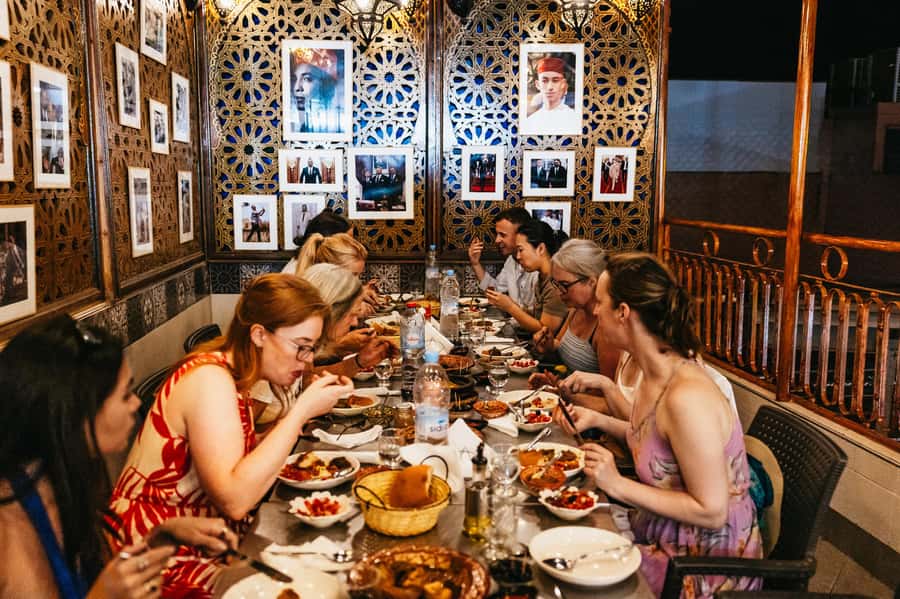
Reviewed · DINING EXPERIENCES
Marrakech: Authentic Moroccan Food Walking Tour & Dinner
Follow your appetite through Marrakech. This three-hour walk uses local food to explain everyday Moroccan life, taking you from the Poste du Maroc into the Old Medina for snacks, sweets, tea, and dinner. I like the way the tour combines lesser-known food stops with stories about customs, markets, and family traditions. I also like that guides such as Yahya, Yaya, Ali, Mehdi, and Rachid are praised for making the evening warm, funny, and personal.
The main consideration is the sheer amount of food. You may try a dozen or more small tastings before sitting down to dinner, so arrive hungry and keep lunch light. The exact route and dishes change with the season, the guide, and the flow of the evening. That keeps the tour local, but it means you should not book it expecting one fixed menu.
In This Review
- Five things to know before you go
- Starting at Poste du Maroc and entering the Medina
- Harira, chebakia, and the flavors of Moroccan tradition
- Babbouche, olives, and the more unusual stops
- Two possible food routes through Marrakech
- Route one: sweets, tea, soup, and Tajine
- Route two: stuffed Msemen, Sfenj, and Moroccan barbecue
- Why the guides make such a difference
- How much food do you really get for $52?
- What the walking is like after sunset
- Best for families, curious eaters, and first evenings
- Practical advice for getting the most from the evening
- Should you book this Marrakech food walk?
- FAQ
- Where does the Marrakech food tour begin?
- How long does the food walking tour last?
- What food might I taste?
- Is dinner included?
- Is the tour suitable for vegetarians?
- What should I bring?
Five things to know before you go
- The meeting point is central: Find your guide in front of Poste du Maroc on Rue Beni Marine, then walk into the Medina.
- You taste far more than one meal: Expect snacks, soup, pastries, fruit, tea, drinks, and a final Tajine or Moroccan barbecue.
- The food is local and sometimes adventurous: Moroccan snails and steamed sheep’s head can appear, with shawarma sometimes replacing the latter.
- The guides are a major part of the appeal: Yahya, Yaya, Ali, Mehdi, and Rachid are repeatedly praised for humor, local insight, and care.
- Wear comfortable shoes and skip a large lunch: Three hours of walking and repeated tastings can leave you very full.
- The dinner format varies: You may finish at a local restaurant with Tajine or at an open-air grillade, while dinner is not available during Ramadan according to the tour details.
Starting at Poste du Maroc and entering the Medina
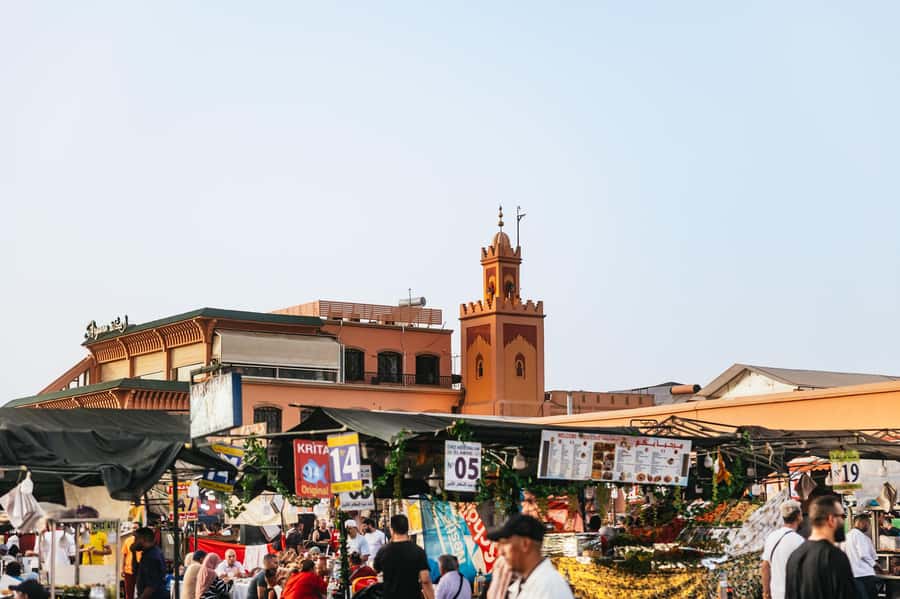
You meet in front of the Moroccan post office on Rue Beni Marine. This is a useful starting point because it gives the group a clear landmark before the narrow lanes begin. Hotel pickup is not included, so plan your own way to the meeting point and allow time to find it.
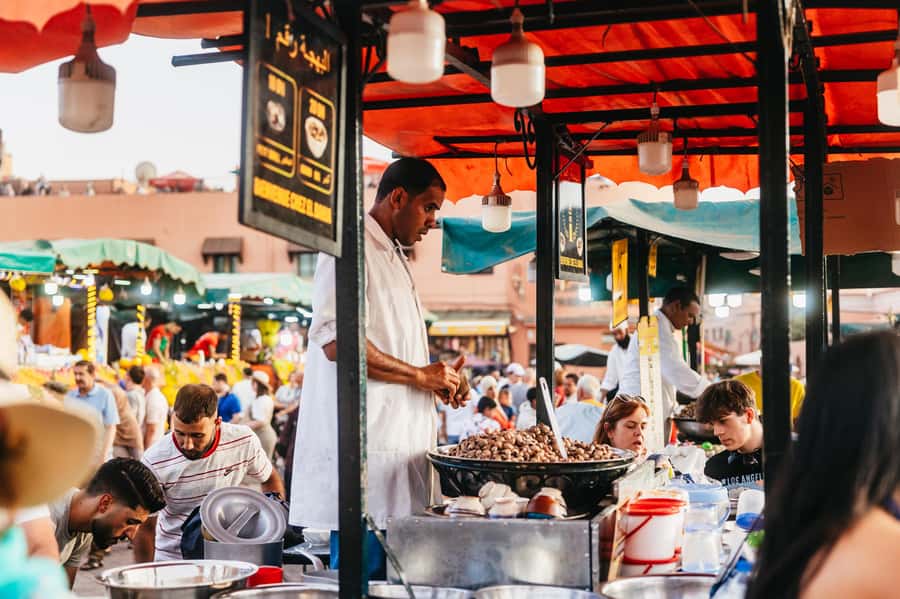
From there, your guide leads you into the Medina. The walking is part of the meal. You are not simply taken from one restaurant to another in a vehicle, and the streets themselves provide context for what you eat. Food stalls, small shops, souks, and local gathering places become part of the lesson.
I would book this early in your Marrakech stay. Several people found that the walk helped them feel more at ease in the Medina and gave them useful ideas for eating later on their own. That is one of the best reasons to choose this tour near the start of your visit: you get a practical introduction to both Moroccan food and the city’s old streets.
The pace is generally relaxed, with stops for explanation and tasting. Still, this is a walking tour over uneven Medina streets, not a seated tasting menu. Comfortable footwear matters, especially if you are bringing children or anyone who tires easily.
More Walking Tours in Marrakech
- Marrakech: Ben Youssef, Secret Garden, & Souks Walking Tour
★ 4.6 · 2,802 reviews - Marrakech: Colorful Medina Souks Guided Walking Tour
★ 4.7 · 2,470 reviews - Marrakech: Medina by Night Walking Tour with Moroccan Tea
★ 4.6 · 586 reviews
Harira, chebakia, and the flavors of Moroccan tradition
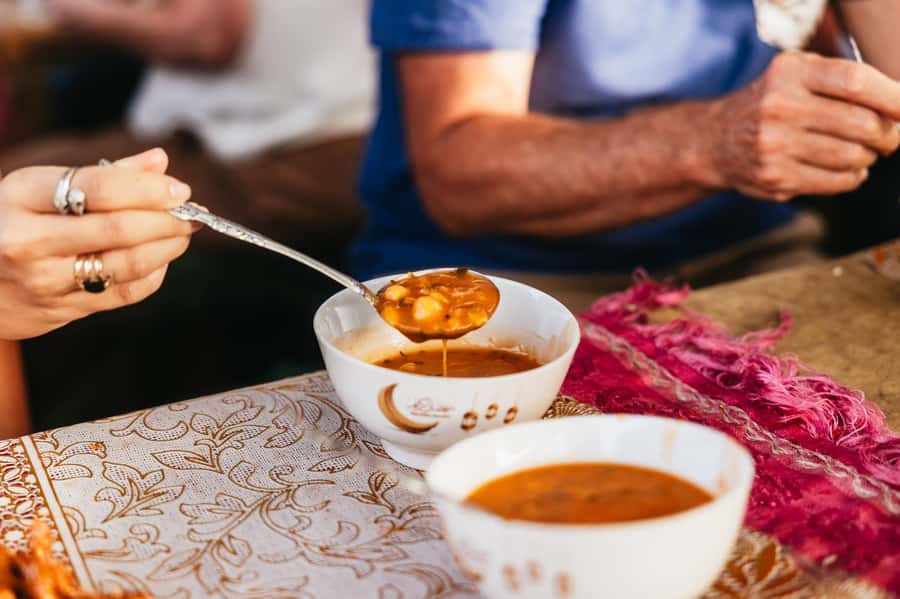
One of the most meaningful stops is Harira, Morocco’s famous soup. It may be served with dates and Chebakia, a sticky, sesame-coated pastry. Together, these foods are closely linked with breaking the fast during Ramadan, so the tasting explains more than flavor. It shows how food fits into religious practice, family life, and the rhythm of the day.
The soup is a useful introduction to Moroccan seasoning and texture. The dates add sweetness, while Chebakia brings a fried pastry flavor and a honeyed finish. You may find this combination especially interesting if your visit overlaps with Ramadan, when the streets and meal times take on a different rhythm.
During Ramadan, the dinner arrangement needs extra attention. The supplied tour details say dinner is not available during Ramadan, yet one April booking described tasting food around sunset as the fast ended. The safest reading is that the exact food stops and final meal can change at that time of year. Check the available departure details before booking if a full dinner is essential.
Babbouche, olives, and the more unusual stops
Babbouche, Moroccan snails cooked slowly in an aromatic herbal broth, is one of the tour’s more memorable tastings. The broth is central to the dish, and the experience is less about ordering a large portion than trying something you might not notice on your own.
If your route includes Rass Mbekher, you may taste delicately steamed sheep’s head seasoned with cumin. This is not a timid introduction to Moroccan street food, and you are allowed to regard it as an adventure. On some evenings, it is replaced by local shawarma, with succulent chicken or crispy falafel.
That substitution matters for picky eaters and vegetarians. One vegetarian participant received alternatives throughout the tour, so tell your guide about dietary needs at the beginning. The tour description supports some flexibility, but it does not promise a completely vegetarian menu, so you should ask clearly rather than assume every stop will suit you.
Moroccan olives provide a gentler tasting. You may try green olives with a smooth, creamy texture and red olives mixed with parsley and cilantro. This is the kind of small detail that helps you understand Moroccan tables, where olives are not merely a garnish but a regular part of eating and sharing.
Fakya adds another social element. It is a festive mix of dried fruits and nuts, often prepared for family gatherings and celebrations. You are tasting a food, but you are also hearing how households use food to welcome people and mark special occasions.
Two possible food routes through Marrakech
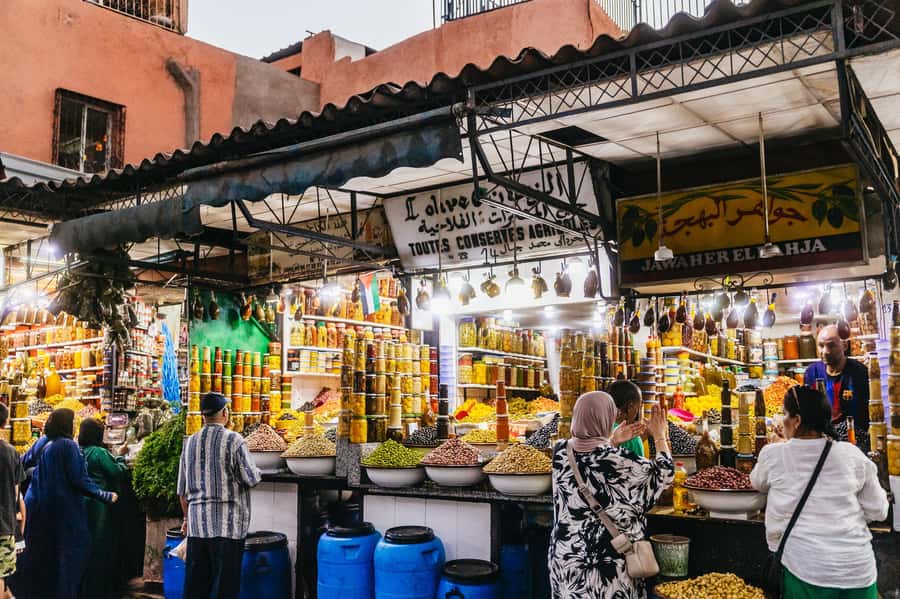
The tour has two described versions. Both follow the same broad idea, but the individual tastings can differ. Your guide, the season, and the evening’s timing decide which path you receive.
More Food Tours:
- From Marrakech: Merzouga 3-Day Desert Safari with Food
★ 4.7 · 12,232 reviews - Marrakech: Street Food Tour by Night
★ 4.8 · 2,838 reviews - 3-Day Tour to Merzouga Erg Chebbi with Food & Camel Trek
★ 5.0 · 1,770 reviews - Authentic Moroccan Food Tour in Marrakech with Dinner
★ 5.0 · 1,423 reviews
Route one: sweets, tea, soup, and Tajine
The first route begins with Moroccan coconut macaroons, a simple sweet often loved by children. It continues with Kaab Ghzal, sometimes translated as gazelle ankles, a delicate pastry filled with almond paste and scented with orange blossom water.
You may then have Harira with dates and Chebakia, followed by Babbouche. The contrast is part of the fun: soup, sweet pastry, snails, and broth create a broader picture than a single restaurant dish could provide.
Mint tea and Msemmen come next. Msemmen is a pan-fried Moroccan pancake, often eaten with honey and cheese. This stop gives you a chance to pause and enjoy one of Morocco’s best-known drinks with a filling snack.
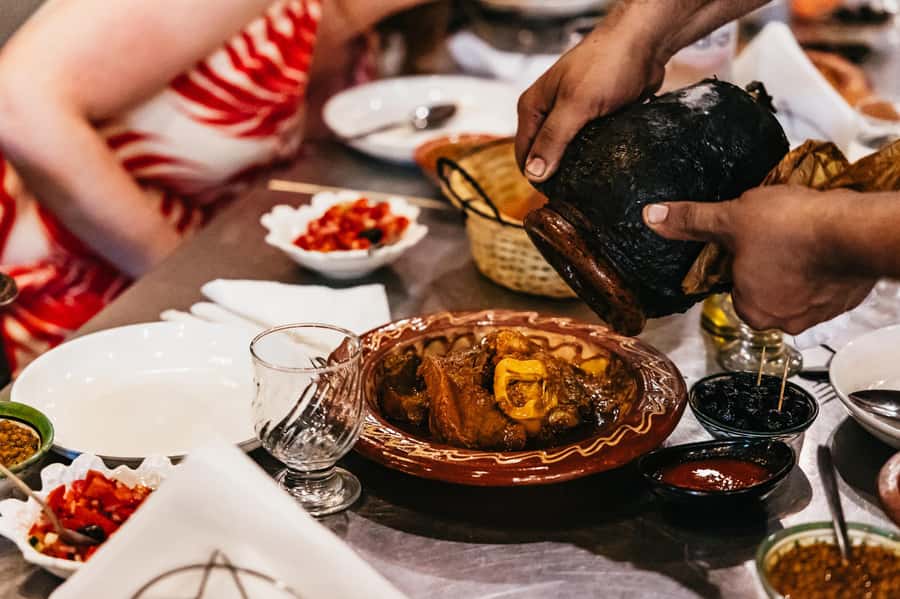
The route can also include Fakya and several kinds of olives. Dinner is usually at a cozy local restaurant, with fresh Moroccan salad followed by a hearty Tajine. Dessert may be Raïb, a homemade yogurt with a cool, creamy texture.
Tajine is a fitting finish because it shows how Moroccan cooking turns modest ingredients into a satisfying shared meal. The exact contents are not specified, so you should think of it as a traditional main course rather than a guaranteed meat or vegetable choice.
Route two: stuffed Msemen, Sfenj, and Moroccan barbecue
The second route includes Msemen Amer, Moroccan pancakes filled with savory ingredients, often spiced vegetables. This gives you a more substantial start than a sweet pastry and shows how the same pancake style can work at teatime or as a savory snack.
Makkla bel Kefta is another notable stop. It is a Moroccan take on Shakshouka, combining eggs, tomato, and spiced meatballs. It is a comforting dish, and the stop helps connect familiar North African flavors with a preparation you may already know.
Sfenj are traditional Moroccan donuts, crisp outside and airy or chewy within. They are classic street food, best understood as a quick local snack rather than a polished dessert.
You may also try Lhindiya, refreshing cactus fruit served in hot weather. Panaché, a colorful smoothie made with seasonal fruit, adds another cool and sweet note.
Khoudenjal is a hot herbal infusion made from galangal root. It is enjoyed as a comforting drink on cold days and is associated with digestion. You may stop at a traditional herbalist’s shop to learn about Moroccan spices, sip mint tea, and take a restroom break. The herbalist visit is not guaranteed, but it can be a welcome pause between food stops.
This route finishes with an open-air Chwa experience, a Moroccan barbecue featuring grilled beef, turkey, and liver. If you prefer grilled food to a slow-cooked Tajine, this may be the more appealing ending. Just remember that the route is not fixed, so you cannot select it in advance from the information provided.
Why the guides make such a difference
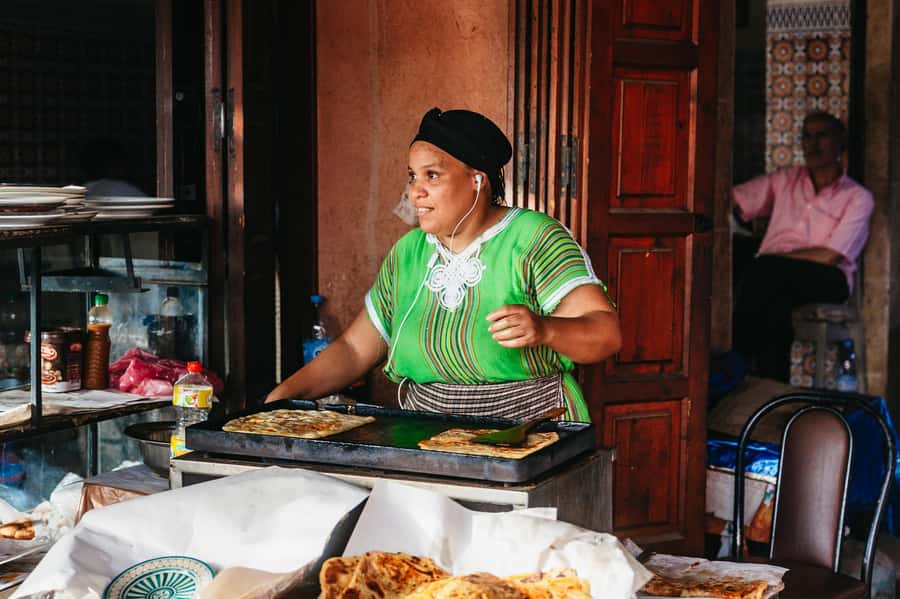
Food tours depend heavily on the person leading them, and this one seems especially guide-led. Yahya and Yaya receive repeated praise for humor, warmth, and local knowledge. Ali is described as friendly and well informed, while Mehdi is praised for his pace, kindness, and ability to keep everyone involved. Rachid is noted for explaining the foods and helping the group understand the Medina after sunset.
That matters because some of the food stops are easy to miss on your own. A good guide introduces you to vendors, explains what you are eating, and gives the dish a place in Moroccan life. You are not just pointing at a pot of soup and asking what it is.
The strongest guides also help with the practical side of Marrakech. You can ask questions about food, the souks, local customs, and places to return to later. One useful sign of a good evening is that several people went back to certain food stops on their own after the tour.
Group atmosphere can affect the night. One participant enjoyed being in a larger group and chatting with people from different countries. That social setting may suit you if you like shared meals and conversation. If you want a quiet, private food lesson, this may not be the right format.
How much food do you really get for $52?
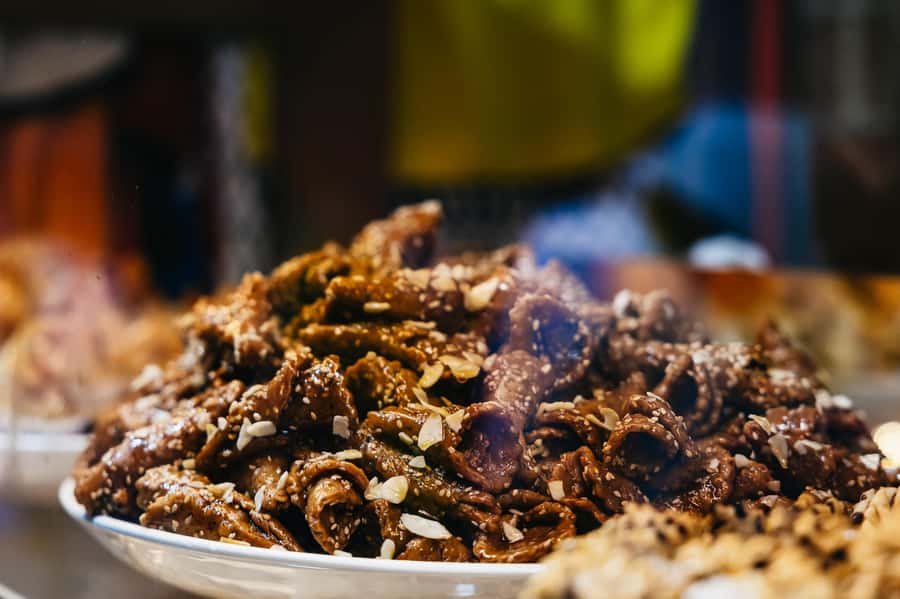
At $52 per person, the price looks reasonable if you treat the activity as both a guided Medina walk and a substantial dinner. You receive multiple specialty tastings, mint tea, a guide, and a final meal at either a local restaurant or an open-air grillade.
The value is strongest for first-time visitors. You are paying for access, translation, local judgment, and a planned progression through foods you might not confidently order alone. The guide also saves you from spending your first evening guessing which stall or snack is worth trying.
This is not the best value if you only want one inexpensive Moroccan dinner. You could certainly eat for less by choosing one dish at a local restaurant. The advantage here is variety and explanation, not simply calories.
And there are plenty of calories. People repeatedly found the tour filling, with one person counting 13 tastings plus dinner and another describing it as a 17-course food tour. Those numbers may vary, but the message is clear: eat a small lunch, not a feast, before you arrive.
What the walking is like after sunset
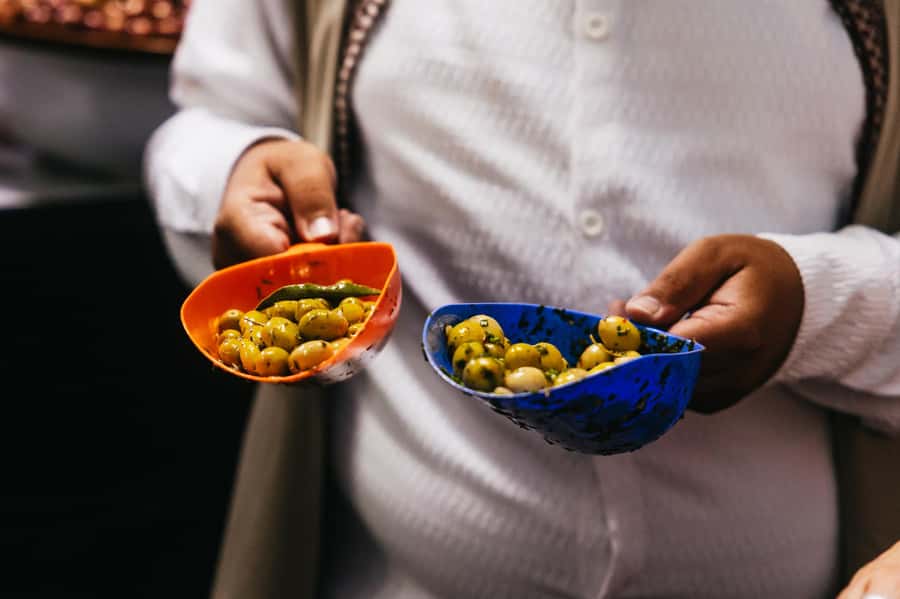
The tour lasts three hours and returns to the Poste du Maroc. You walk through the Medina and may also visit stalls around the square. After sunset prayer, parts of the market can become especially active, with more food and more people on the move.
That evening timing gives you a useful look at daily life. The Medina is not presented as a museum. It is a working place where people eat, shop, meet, and prepare food. Your guide’s explanations help you read the setting rather than simply pass through it.
The tradeoff is that the streets can feel hectic for a first-time visitor. A guide who knows the lanes is reassuring, particularly if you are still learning how Marrakech works. Wear shoes with good grip, keep your belongings secure, and be ready to walk between stops.
No transportation is included, and there is no hotel drop-off. The meeting point is also the return point, which makes the logistics fairly simple once you locate the post office.
Best for families, curious eaters, and first evenings
Families can do well on this tour. A family with children aged seven to twelve enjoyed the sweets, snacks, and humor, and coconut macaroons may be an easy early win for younger eaters. The amount of walking and the unusual foods mean you should set expectations before the start.
It also suits adventurous eaters who want to try foods beyond Tajine and couscous. Babbouche, cactus fruit, herbal drinks, and sheep’s head give you a broad look at Moroccan eating. You do not have to love every bite. The point is to understand what people eat and why.
Vegetarians should speak up at the start. At least one vegetarian received substitutions, but the standard routes include meat, liver, sheep’s head, and meatballs. A flexible attitude will help, but do not rely on the standard menu meeting your needs automatically.
This is less suited to anyone with limited mobility or a strong dislike of group activities. The provided information only recommends comfortable shoes and does not give detailed accessibility information, so ask the operator before booking if walking conditions are a concern.
The tour is conducted in English. If you want a food introduction with plenty of conversation, that is useful. If your priority is a private guide or a carefully controlled tasting menu, consider a different type of activity.
Practical advice for getting the most from the evening
Arrive with an empty or nearly empty stomach. The tastings build quickly, and dinner comes after the snacks, not instead of them.
Tell your guide about allergies, dietary restrictions, or strong dislikes before the first stop. The guide may be able to arrange alternatives, but the menu changes and the experience is built around local food rather than a fixed restaurant menu.
Carry only what you need. You will be walking through crowded market streets, stopping often, and handling food. A small bag is easier than a large daypack.
Bring an open mind, especially for the sheep’s head and snails. You can taste a small amount and move on. A food tour should stretch your habits a little, not turn dinner into a dare.
Book early in your visit if possible. You will gain a better sense of what foods to seek out later, and the guide can make the Medina feel less confusing during your first days.
Free cancellation is available up to 24 hours before the activity, and you can reserve now and pay later. Those terms are useful if your Marrakech schedule is still shifting, but confirm the departure time when you book because start times depend on availability.
Should you book this Marrakech food walk?
I would book it if you want a generous, social introduction to Moroccan food and Medina life. The combination of local stalls, sweet and savory tastings, cultural stories, and a final Tajine or barbecue gives you much more than a standard dinner.
The strongest reason to go is the guide. Yahya, Yaya, Ali, Mehdi, and Rachid are praised for making the evening friendly and personal, and that human touch helps turn unfamiliar food into something approachable.
Choose another activity if you need a private, quiet meal, a guaranteed menu, or a fully vegetarian experience. For everyone else, $52 is fair value, especially if you arrive early in your trip, eat lightly beforehand, wear good shoes, and accept that your route may include a few delicious surprises.
FAQ
Where does the Marrakech food tour begin?
Meet your English-speaking guide in front of Poste du Maroc on Rue Beni Marine. The tour returns to the same location after three hours.
How long does the food walking tour last?
The experience lasts three hours, including the Medina walk, food tastings, cultural explanations, and dinner.
What food might I taste?
Possible tastings include Harira, Chebakia, Babbouche, Msemmen, Moroccan pastries, olives, Fakya, Sfenj, cactus fruit, Panaché, and mint tea. Depending on the route, you may also try sheep’s head, shawarma, or Makkla bel Kefta.
Is dinner included?
Yes. Dinner is listed as either an open-air grillade or a meal at a local restaurant. The restaurant route may include salad, Tajine, and Raïb. Dinner is not available during Ramadan according to the tour information.
Is the tour suitable for vegetarians?
Vegetarian substitutions may be available, but the standard tastings include several meat dishes. Tell your guide about your dietary needs before the tour begins.
What should I bring?
Wear comfortable walking shoes. Hotel pickup and drop-off are not included, so you must make your own way to the meeting point.
More Dining Experiences
- Marrakech: Agafay Desert Sunset, Camel Ride, and Dinner Show
★ 4.6 · 35,119 reviews - Marrakech: Agafay Desert Quad & Camel Rides with Dinner Show
★ 4.8 · 27,382 reviews - Marrakech: Agafay Desert Quad Biking Tour with Dinner-Show
★ 4.8 · 16,569 reviews - Marrakech: Agafay Desert Quad & Camel Rides with Dinner Show
★ 4.9 · 10,771 reviews
More Food
- From Marrakech: Zagora 2-Day Desert Safari with Food & Camp
★ 4.5 · 1,137 reviews - Marrakech: Jemma El Fnaa Food Tour with Dinner
★ 4.7 · 394 reviews - The Original Marrakech Street Food Tour
★ 5.0 · 248 reviews - Marrakech Street Food Tour
★ 5.0 · 220 reviews
Just added around Marrakech
- Marrakech: Medina Souks, Hidden Markets and Shopping Tour★ 4.8 · 33 reviews
- Guided walking tour in Marrakech★ 4.5 · 33 reviews
- Sunset Camel Ride Marrakech with Transfers★ 5.0 · 33 reviews
- Agafay desert sunset camel ride Tour from Marrakech★ 5.0 · 33 reviews
- 2 Days Desert Agafay and Atlas Mountains Trek From Marrakech★ 3.8 · 33 reviews
- Atlas mountains, Ourika valley, berber villages trip & Guide★ 5.0 · 33 reviews
- Magical Dinner show and Quad bike In Agafay Desert Marrakech★ 4.5 · 33 reviews
- Camel Ride at the Palm Groves in Marrakech★ 5.0 · 33 reviews
Dining Experiences, compared.

Agafay Desert Sunset, Camel Ride, and Dinner Show
Read our review →
Agafay Desert Quad & Camel Rides with Dinner Show
Read our review →
Agafay Desert Quad Biking Tour with Dinner-Show
Read our review →Agafay Desert Quad & Camel Rides with Dinner Show
Read our review →
Agafay Desert Quad, Camel Ride & Dinner Show
Read our review →
Agafay Desert Retreat, Tent, Dinner, Show & Pool
Read our review →
Agafay Desert Dinner Show with Quad Bike & Camel
Read our review →
Agafay Desert Package, Quad Bike, Camel Ride and Dinner Show
Read our review →Browse the lists this tour appears in