
Reviewed · FOOD & DRINK
Marrakech Street Food Tour
Come hungry, leave curious. This four-hour evening walk turns Marrakech into a tasting route, with local guides leading you to small eateries and food stalls that are easy to miss on your own. I like the wide range of dishes, from msemen and harira to tangia, spleen, pastries, and fresh juice.
I also like the small-group format, capped at 10 people, because it gives you more time to ask questions and follow the guide through the Medina. The main consideration is the price, $64.12 per person, which is not cheap by Marrakech standards, and the menu is not suitable for vegans or vegetarians.
In This Review
- Key points to know before you book
- Starting at Cafe de France in Jemaa el-Fnaa
- Msemen, harira, and the sweet opening
- Trying spleen, tangia, and other bold flavors
- Chfnj, beans, tea, and fresh juice
- Walking the Medina between food stops
- Ramadan, timing, and cultural context
- Is $64.12 good value?
- Who will enjoy this food walk most?
- Practical details that affect your evening
- Should you book the Marrakech Street Food Tour?
- FAQ
- Where does the Marrakech Street Food Tour begin?
- What time does the tour start?
- How long does the experience last?
- Where does the tour end?
- Is food included in the tour price?
- Is the tour suitable for vegans and vegetarians?
- What is the maximum group size?
Key points to know before you book
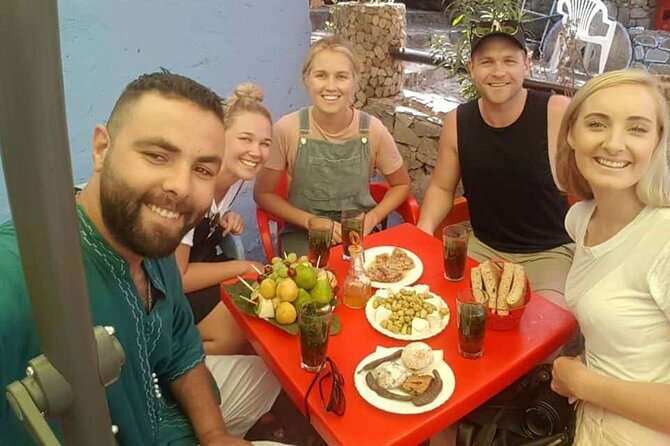
- Nine or more tasting opportunities: Expect Moroccan pancakes, soup, sweets, tangia, chicken, beans, tea, juice, and pastries.
- An 18:30 start: The evening timing lets you see Marrakech after the heat of the day and enjoy the city as food stalls come to life.
- A meeting point in Jemaa el-Fnaa: You begin in front of Cafe de France and return there at the end.
- A proper four-hour outing: This is not a quick snack crawl. The food and walking fill most of the evening.
- A local guide shapes the experience: Omar, Mustapha, Mohamed, and Noor have each led highly praised departures, though your guide will depend on the date.
- Not designed for plant-only diets: Vegetarian substitutions may be possible, but the tour specifically says it is not suitable for vegans and vegetarians.
Starting at Cafe de France in Jemaa el-Fnaa
Your evening begins at 18:30 in front of Hôtel Restaurant Café de France, beside Jemaa el-Fnaa. The square is one of Marrakech’s main orientation points, but it can be confusing if you are arriving for the first time. Give yourself extra time to find the cafe and identify your guide.
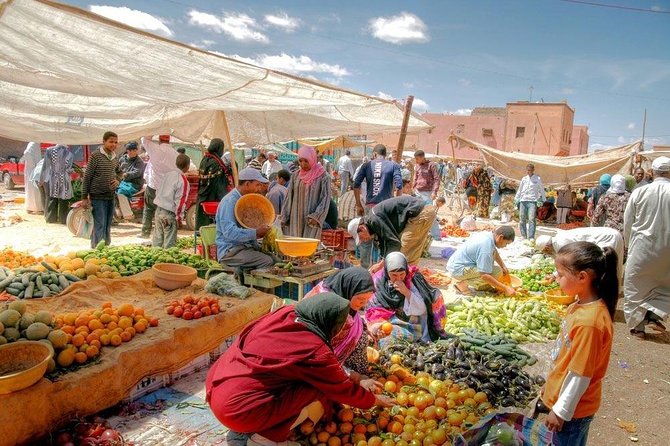
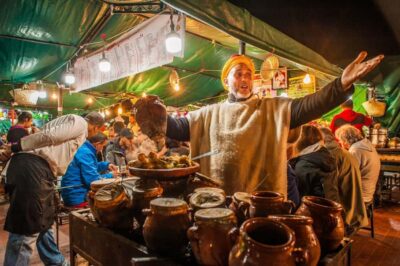
From there, you walk through nearby streets and market areas rather than riding between restaurants. The stops are described as close together, so this is a relaxed walking route rather than a strenuous city hike. That matters in Marrakech, where a short walk can take you from a wide public square into a narrow lane filled with small food counters, shops, and local activity.
I like starting here because the square gives you an immediate sense of place. You are not being collected at a hotel and driven to a restaurant district. You meet in the middle of the old city, then begin eating where the city itself is happening.
The route is also useful for your first evening in Marrakech. You get a guided introduction to streets and food sellers you may not feel ready to approach alone. Several people have found the experience helpful for gaining confidence in the Medina, then returning to favorite stalls later in the trip.
More Food Tours:
- From Marrakech: Merzouga 3-Day Desert Safari with Food
★ 4.7 · 12,232 reviews - Marrakech: Street Food Tour by Night
★ 4.8 · 2,838 reviews - 3-Day Tour to Merzouga Erg Chebbi with Food & Camel Trek
★ 5.0 · 1,770 reviews
Msemen, harira, and the sweet opening
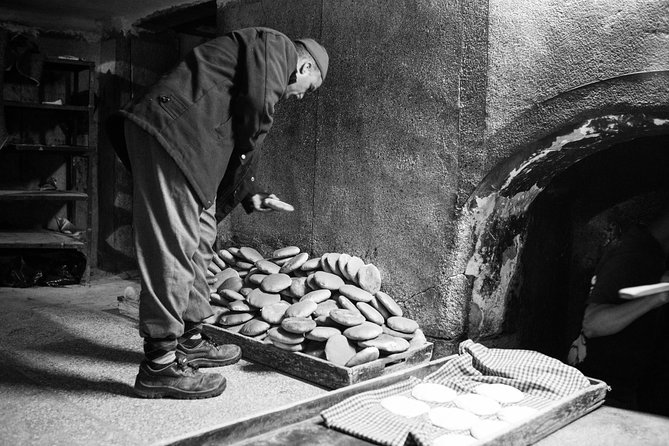
The first food stops introduce some of the most familiar Moroccan flavors. Msemen is a layered Moroccan pancake, usually served warm and pleasantly chewy. It is a simple food, but it gives you a good first taste of the country’s love of folded dough, butter, and hot griddles.
Harira brings a different texture and purpose. This famous Moroccan soup is closely associated with comfort and, during Ramadan, with breaking the daily fast. It is often made with tomatoes, pulses, herbs, and other ingredients, though the exact preparation can vary from one kitchen to another.
The tour also includes chebakiya, a sweet pastry coated with honey or syrup and often flavored with sesame and spices. The combination of soup, pancake, and sweet pastry gives you an early lesson in how Moroccan food moves between savory, warming, crisp, and sweet flavors.
You are not simply handed a plate and sent on your way. The guide explains the food and its cultural meaning at each stop. That explanation is a major part of the price, especially if you have never tried Moroccan dishes beyond tagine and couscous.
Trying spleen, tangia, and other bold flavors
The menu becomes more adventurous with tihal, or spleen. This is one of the moments when I would encourage you to try a small portion, even if you are unsure. A food walk works best when you allow the guide to take you beyond the dishes you already know.
Tangia is the signature dish for many people on this route. It is a Marrakech specialty made with beef and Moroccan spices. The slow-cooked style gives it a hearty character, and it is a useful contrast to lighter snacks and pastries earlier in the evening.
Several food stops may include meat prepared in different ways, such as chicken skewers or stewed chicken. The point is not one grand plated meal. Instead, you sample small portions across several venues, with each stop showing a different side of everyday Moroccan eating.
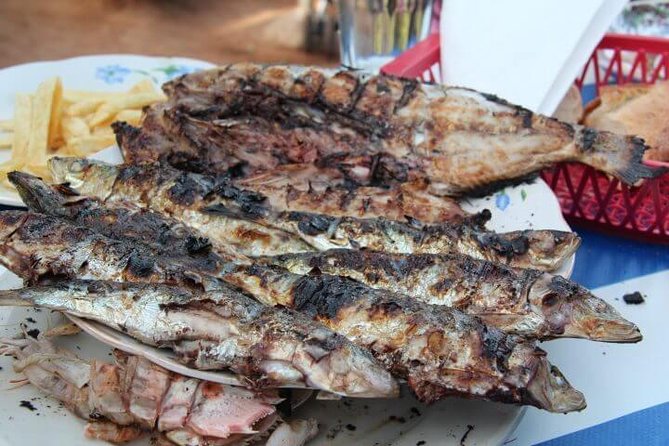
One person particularly enjoyed tangia and a sardine sandwich encountered along the route. The sardine sandwich is not listed in the formal menu, so you should not treat it as guaranteed, but it shows the kind of local specialty that may appear depending on the route and what vendors are serving that evening.
The food is generous. You should arrive with a real appetite, but do not eat a large meal beforehand. By the end, you may be physically full as well as full of new information.
Chfnj, beans, tea, and fresh juice
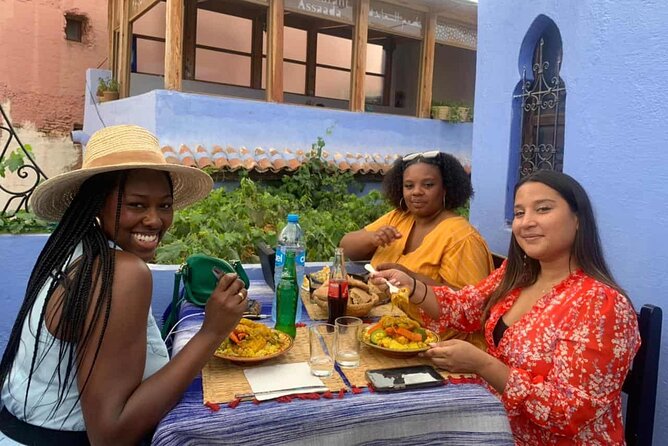
The menu continues with chfnj, a Moroccan doughnut or fried bread. It is the sort of street food that makes sense when eaten fresh, and it gives the route another change in texture after soups, meat, and stewed dishes.
Butter beans add a humble, home-style element. They may not sound as exciting as tangia, but simple bean dishes help show how Moroccan food is built from pulses, herbs, spices, and careful cooking rather than expensive ingredients.
Tea is central to the experience. You are served Moroccan tea with fresh herbs, an important pause in the evening and a chance to sit, talk, and ask the guide questions. The tour also includes assir, or fresh fruit juice, along with Moroccan pastries.
I appreciate this mix because it avoids making the meal only about famous specialties. You taste dishes associated with street vendors, family cooking, sweets, drinks, and small snack counters. That makes the evening feel broader than a standard restaurant dinner.
The exact order of the dishes may change. Food tours depend on what is open and serving at the time, and the experience provider notes that dietary needs should be shared in advance so alternatives can be considered. Still, the tour clearly focuses on tasting many different foods rather than stopping for one large plate.
A few more Marrakech trips worth weighing up
- Authentic Moroccan Food Tour in Marrakech with Dinner
★ 5.0 · 1,423 reviews - From Marrakech: Zagora 2-Day Desert Safari with Food & Camp
★ 4.5 · 1,137 reviews - Marrakech: Jemma El Fnaa Food Tour with Dinner
★ 4.7 · 394 reviews - Marrakech: Authentic Moroccan Food Walking Tour & Dinner
★ 4.8 · 261 reviews
Walking the Medina between food stops
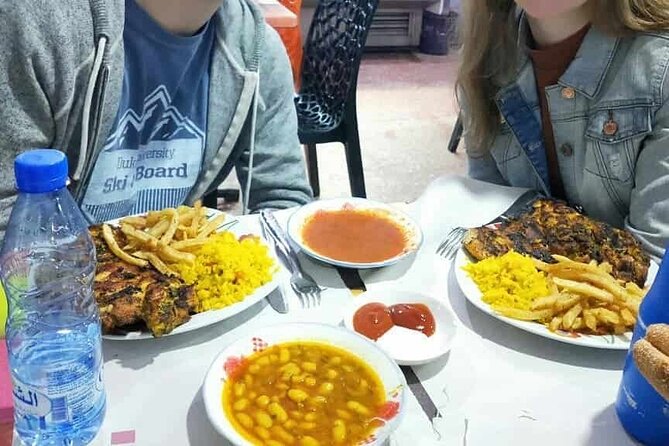
The food is only half the experience. Between tastings, you walk through Marrakech’s old streets, with the guide explaining the area, local customs, and the stories connected with the dishes.
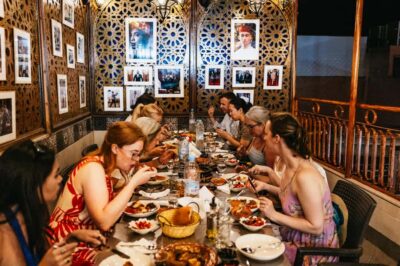
This is where a small group earns its keep. A group of up to 10 people is easier to manage in narrow lanes, and you can usually hear the guide without the feel of a large organized procession. You also have a better chance to ask about ingredients, cooking methods, culture, or practical questions about the city.
Omar has been praised for mixing food information with unexpected cultural facts and for answering questions beyond the menu. Mustapha has been described as a local chef who adds strong knowledge of both food and cooking. Mohamed and Noor have also received warm praise for their enthusiasm and explanations of Moroccan traditions.
Your guide is likely to shape the evening as much as the food. If Omar or Mustapha is available on your date, you can ask whether that guide can lead your group, but the company does not promise a particular person. Noor has also been praised for explaining local customs with real feeling, especially around Ramadan.
The route is described as leisurely, with stops close together. You should still expect to walk for much of the four hours, including standing in busy public areas and moving through uneven Medina streets. Wear comfortable shoes and keep your belongings secure in crowded areas.
Ramadan, timing, and cultural context
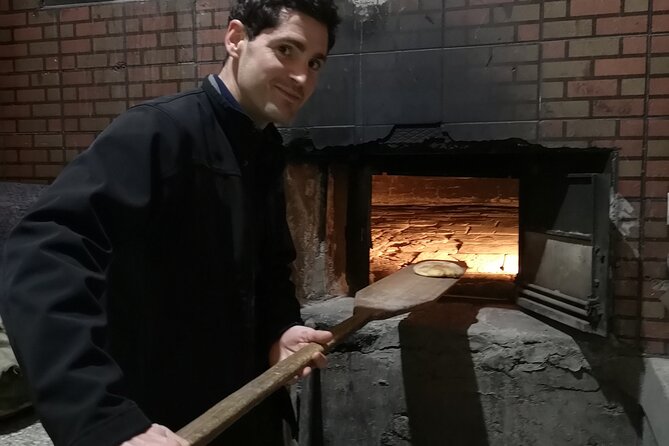
The 18:30 start can be especially meaningful during Ramadan, when the evening meal follows the daily fast. One departure included a visit to a traditional Moroccan home where people broke their fast together. That was described as a memorable cultural exchange, but it appears to depend on the date, guide, and local arrangements, so you should not book expecting a private-home visit every time.
Ramadan can also affect food vendors and schedules. One cancellation was connected to end-of-Ramadan closures, and the company said it had sent advance notice about the change. This is a useful reminder to check messages before leaving your hotel, particularly if your visit falls near major religious celebrations.
The timing also works well outside Ramadan. Marrakech is cooler after sunset, and the food route becomes part of the evening rather than an interruption to daytime sightseeing. Booking this early in your stay has another advantage: you can return to stalls and dishes you enjoyed later in the holiday.
Is $64.12 good value?
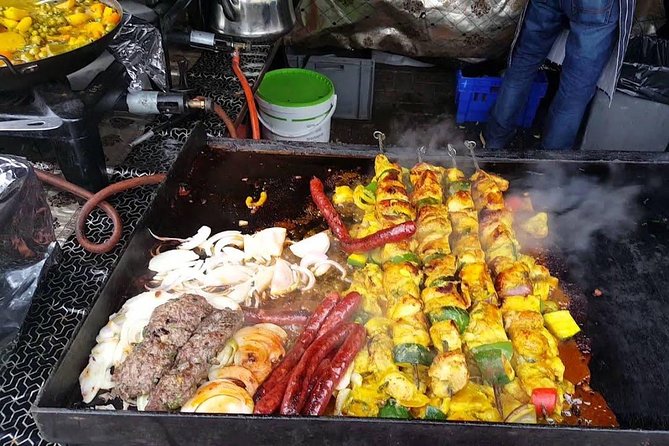
At $64.12 per person, this is a mid-range food experience rather than a budget meal. You could spend less by eating independently at local stalls, but you would need to choose the places, understand the menu, manage the route, and decide what is safe or worth trying.
Here, the price includes all listed tastings, drinks, the guide, and roughly four hours of walking and conversation. The quantity is a strong part of the value. You are not paying for one tasting and a short introduction. You may sample nine or more foods, and several people have found themselves completely full at the end.
The price is harder to justify if you already know Marrakech well, are comfortable navigating the Medina, and mainly want a cheap dinner. It makes more sense if you are new to the city, want to try dishes outside your comfort zone, or value cultural background as much as food.
I would think of it as both dinner and orientation. The food may help you save money later because you learn where to return and what to order. One useful approach is to schedule it near the start of your stay, then revisit the stalls you like during the following days.
Who will enjoy this food walk most?
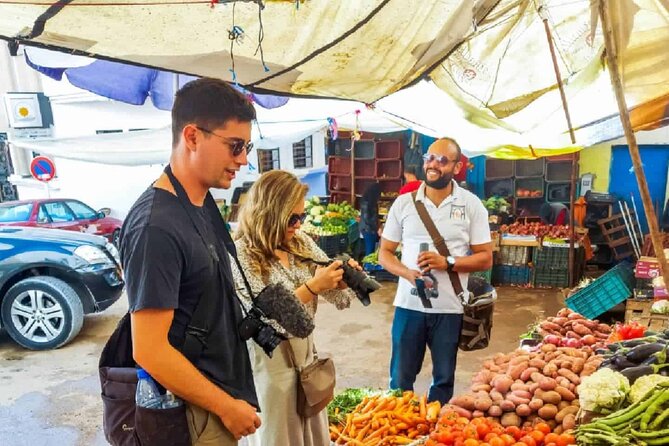
This tour suits curious eaters who want more than Morocco’s familiar restaurant staples. If you enjoy trying unusual foods, asking questions, and walking through local streets with a guide, you are likely to get good value from the evening.
It is also a good choice for first-time visitors. The starting point is central, the route returns to the same place, and the guide can help you understand parts of Marrakech that may feel confusing at first. The social format can work well for solo visitors, couples, and small groups who enjoy meeting other people.
It is not a good fit for vegans or vegetarians. The menu includes spleen, beef tangia, chicken, and other meat-based foods, and the experience provider directly says the tour is not for vegan or vegetarian diets. If you have an allergy or other restriction, contact the provider before booking and ask what substitutions are possible.
People with limited walking tolerance should also take note. The tour lasts about four hours and includes movement between several nearby eateries. The description says most people can participate, but it does not provide a detailed accessibility assessment.
Practical details that affect your evening
You receive confirmation when you book, and the experience uses a mobile ticket. Public transportation is nearby, but your meeting point remains the Cafe de France in Jemaa el-Fnaa, not a hotel pickup location.
The activity ends back at the meeting point. That makes it easier to plan your evening and avoids the worry of finding your way home from an unfamiliar restaurant, though you still need to arrange your own transport afterward if your accommodation is outside the square.
Free cancellation is available up to 24 hours before the start time for a full refund. Changes or cancellations inside that 24-hour window are not accepted for a refund. The experience can also be affected by poor weather or an insufficient minimum number of participants, in which case you are offered another date, another experience, or a full refund.
Because the advertised average booking time is 24 days ahead, popular dates may fill before your trip. The maximum group size is 10, which helps explain why advance booking can matter.
Should you book the Marrakech Street Food Tour?
I would book this tour if you want a generous, guided introduction to Marrakech food and you are willing to pay for access, context, and confidence in the Medina. The strongest reasons are the number of tastings, the four-hour length, and the chance to try foods such as tihal and tangia that you might otherwise skip.
Book it early in your stay, arrive hungry, and tell the provider about allergies before the day of the tour. If you can request a guide, Omar and Mustapha have received especially strong praise, while Noor and Mohamed have also been singled out for their warmth and cultural explanations.
I would skip it if you are vegan or vegetarian, if you want a short low-cost snack outing, or if you prefer to choose every dish yourself. For most meat-eating visitors who want an entertaining first taste of Marrakech, though, this is a substantial evening with real practical value.
FAQ
Where does the Marrakech Street Food Tour begin?
The tour begins in front of Hôtel Restaurant Café de France at Jemaa el-Fnaa, on Rue des Banques in Marrakech.
What time does the tour start?
The scheduled start time is 18:30.
How long does the experience last?
The tour lasts approximately four hours.
Where does the tour end?
The activity ends back at the Cafe de France meeting point.
Is food included in the tour price?
Yes. All food tastings listed for the experience are included in the $64.12 per-person price.
Is the tour suitable for vegans and vegetarians?
No. The experience is specifically not recommended for vegans and vegetarians. You should provide information about allergies or dietary restrictions before the tour so alternatives can be considered.
What is the maximum group size?
The tour has a maximum of 10 travelers.
Just added around Marrakech
- Marrakech: Medina Souks, Hidden Markets and Shopping Tour★ 4.8 · 33 reviews
- Agafay desert sunset camel ride Tour from Marrakech★ 5.0 · 33 reviews
- Sunset Camel Ride Marrakech with Transfers★ 5.0 · 33 reviews
- Guided walking tour in Marrakech★ 4.5 · 33 reviews
- 2 Days Desert Agafay and Atlas Mountains Trek From Marrakech★ 3.8 · 33 reviews
- Atlas mountains, Ourika valley, berber villages trip & Guide★ 5.0 · 33 reviews
- Magical Dinner show and Quad bike In Agafay Desert Marrakech★ 4.5 · 33 reviews
- Marrakech: Ouzoud Waterfalls Trip, Guide & Boat + Lunch★ 4.7 · 33 reviews
Food & Drink, compared.
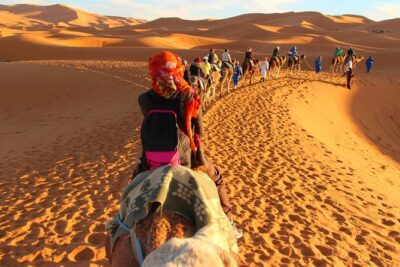
3-Day Tour to Merzouga Erg Chebbi with Food & Camel Trek
Read our review →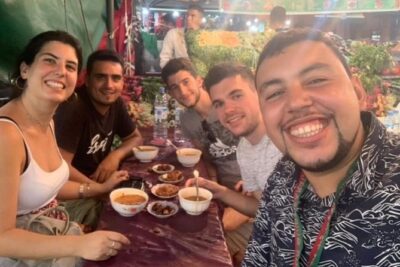
Authentic Moroccan Food Tour in Marrakech with Dinner
Read our review →
Browse the lists this tour appears in