
Reviewed · COOKING CLASSES
Moroccan Food Cooking Class with a Local Chef in Marrakech
Come hungry, leave with recipes. This half-day Marrakech cooking class gives you a useful taste of Moroccan home cooking, from preparing tagine spices to pouring mint tea in the traditional style. I especially like the chance to cook three or four dishes in one session, and I like that the meal you prepare becomes part of the experience rather than an afterthought.
The class is also a friendly way to learn about Moroccan customs, food traditions, and family cooking methods while working with a local chef. The main thing to watch is the schedule: pickup times have shifted for some bookings, and a few sessions have skipped the planned market visit, so I would not place a tight afternoon appointment immediately afterward.
In This Review
- Key points to know before booking
- What the Marrakech cooking class is really like
- Pickup and the trip to the local market
- Mint tea sets the mood
- Learning tagine techniques in the kitchen
- Three or four Moroccan dishes, not just one
- Stories about Moroccan customs and food history
- The final meal and recipes for home
- Timing problems are the main weakness
- Is $40 per person good value?
- Who should book this experience?
- Booking, cancellation, and access details
- Should you book the Marrakech cooking class?
- FAQ
- How long does the cooking class last?
- How much does the experience cost?
- What food will I prepare?
- Is a meal included?
- Will I visit a local market?
- Will I learn to make Moroccan mint tea?
- Are recipes provided?
- Which languages are available?
- Can the class accommodate special diets?
- Is pickup included?
- Can I cancel for a full refund?
- Is the class wheelchair accessible?
Key points to know before booking
- Three or four dishes in one class: You may prepare tagine, cooked salads, bread, and a Moroccan crepe, giving you more than one recipe to take home.
- Mint tea starts the welcome: The traditional tea preparation offers a calm introduction before the cooking begins.
- The market visit can vary: The planned shopping stop is part of the experience, but it has not happened consistently in every session.
- Chef Murad, Morad, and Yassine have earned praise: Recent sessions have highlighted friendly instruction, clear explanations, and good communication.
- Allow the full 210 minutes: Delays have made some classes run longer than expected, so keep the rest of your day flexible.
- Good dietary flexibility: The class can cover vegan, vegetarian, and gluten-free cooking, which makes it useful for mixed groups.
What the Marrakech cooking class is really like
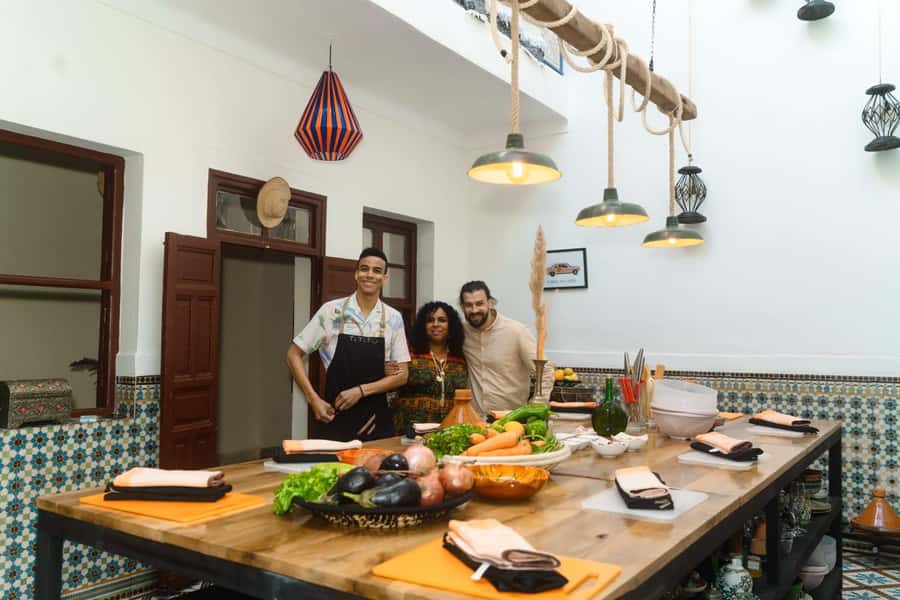
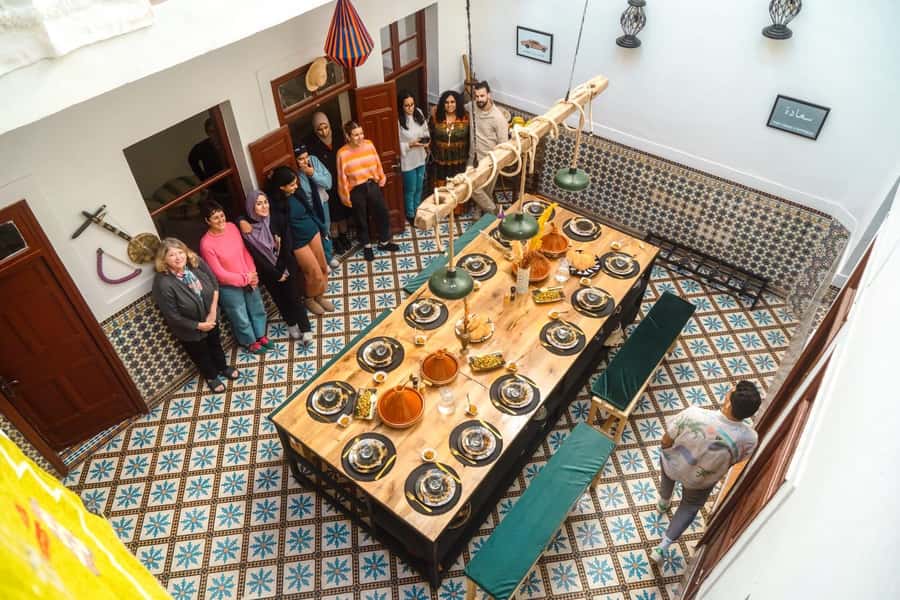
This is a four-hour-style food experience in Marrakesh-Safi, with a listed duration of 210 minutes. The price is $40 per person, and that includes the guide, cooking instruction, the meal and bread, water, and tea.
I see the value in the format. A restaurant meal in Marrakech gives you the finished dish, but this class shows you how the flavors are built. You learn how to chop, peel, season, and combine ingredients, then sit down to eat what you made. That makes the experience more useful for anyone who wants to bring a little Moroccan cooking home.
The tone appears relaxed rather than rushed. The description makes clear that the class is intended to feel like time spent in a Moroccan home, with food preparation, conversation, and tea all woven together. That slower pace is pleasant, but it also explains why you should avoid booking a museum visit, dinner reservation, or airport transfer too close to the end.
The activity is offered in Arabic, English, and French. It is also listed as wheelchair accessible, though you should provide your hotel address and WhatsApp number when arranging the pickup.
More Cooking Classes in Marrakech
- Marrakech: Moroccan Cooking Class with Pickup
★ 4.6 · 1,862 reviews - Marrakech: Traditional Moroccan Cooking Class & Market Visit
★ 4.8 · 1,861 reviews - Marrakesh: Moroccan Dishes Cooking Class with a Local Chef
★ 5.0 · 1,615 reviews
Pickup and the trip to the local market
The experience begins with pickup, followed by a short visit to a nearby local market to buy vegetables and other cooking supplies. This is one of the most useful ideas in the program because Moroccan cooking makes more sense when you see the ingredients before they reach the kitchen.
Shopping with a guide can help you understand how locals choose produce, what ingredients are common in everyday cooking, and how spices fit into the meal. It also gives you a look at ordinary food shopping rather than only the polished restaurant side of Marrakech.
There is one important qualification: the market stop has not been included in every session. Some people have gone directly to the cooking venue without an explanation, and one description placed the restaurant on the outskirts of the city rather than in a central market setting. If the market visit is a major reason for booking, confirm it by WhatsApp before the class begins.
Pickup deserves similar attention. Communication with the driver has been praised in some sessions, and transfers have arrived on time for some bookings. But other pickups moved from 10:00 a.m. to 11:25 or even 11:45 a.m., causing missed plans and a late arrival at the kitchen. I would treat the starting time as important but not perfectly fixed.
Mint tea sets the mood
After the shopping stop, you go to the cooking venue and learn to prepare Moroccan mint tea in the old-fashioned manner. Tea is not simply a drink added to the menu. It is a social ritual, and beginning with tea gives you a natural chance to meet the chef and the other people in the class.
You also drink the tea while getting acquainted. That small pause matters because it keeps the class from feeling like a rushed demonstration. You have time to settle in before handling knives, spices, and cooking equipment.
The class does not provide a recipe for tea alone in the information supplied, but the tea lesson is part of the included experience. If you enjoy food customs as much as the recipes themselves, this is one of the more memorable parts of the session.
Learning tagine techniques in the kitchen
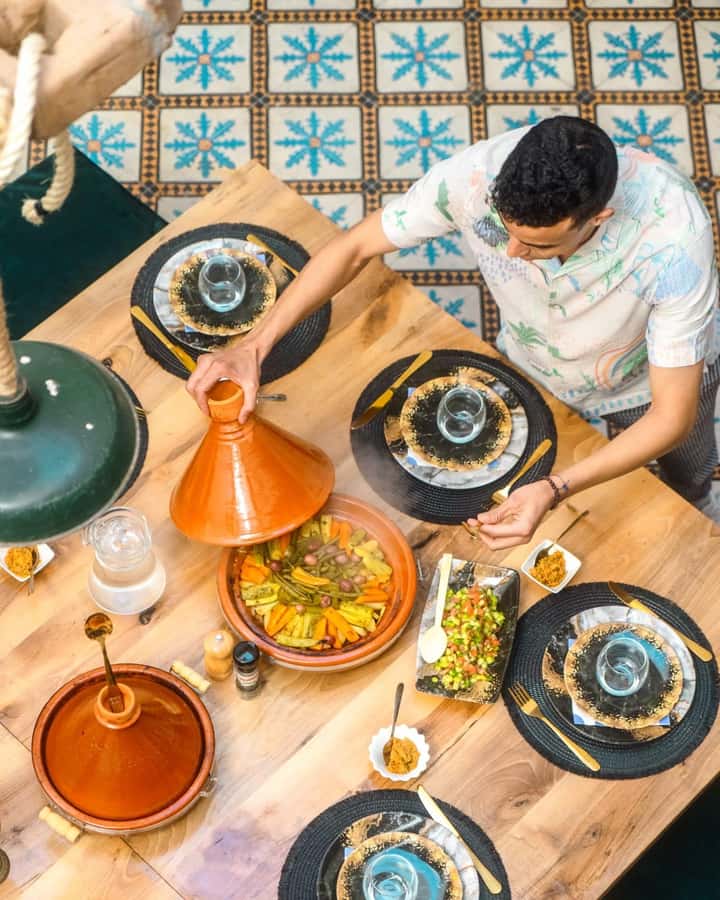
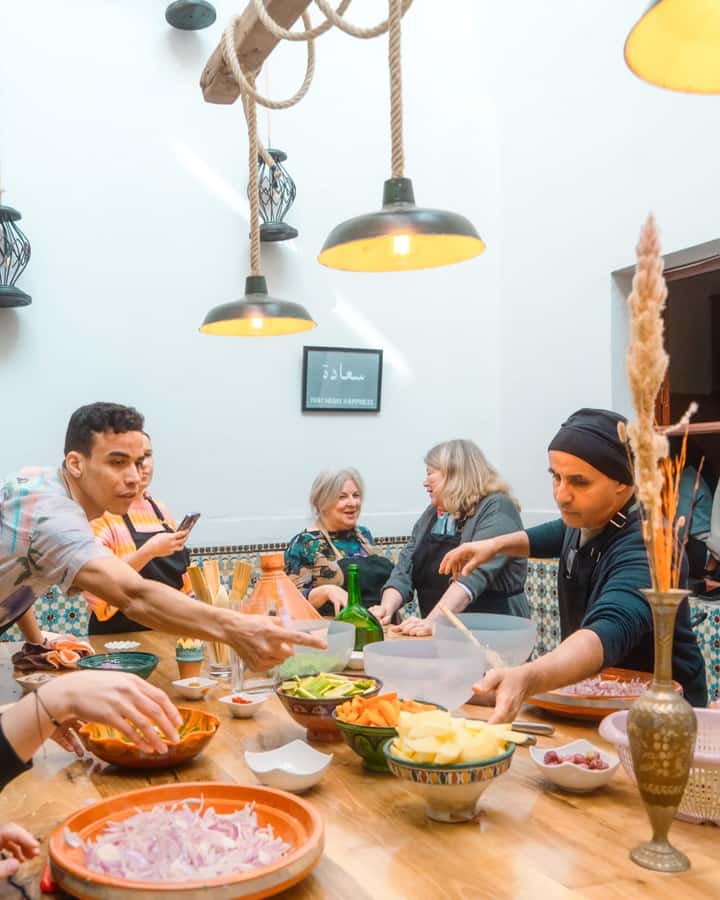
The central lesson focuses on Moroccan tagine and the methods used in home kitchens. You learn how to chop and peel ingredients, season the dish, and use the right combination of spices. The emphasis is on practical technique, not simply watching a chef do everything for you.
That hands-on element is the main reason I would choose this activity over a standard food tasting. You can ask questions as you work, see how much seasoning is used, and gain a better sense of how Moroccan flavors develop during cooking.
The class is described as a team effort. People work together on several recipes, which can make the atmosphere social and cooperative. It also means the experience may suit couples, families, and small groups who enjoy doing something together rather than sitting quietly through a demonstration.
The exact dishes can change. A typical session prepares one tagine, two cooked salads, and a traditional crepe, while the general plan allows for three or four different dishes. Bread is included with the meal. The variety is a real advantage because you are not spending four hours learning only one recipe.
A few more Marrakech trips worth weighing up
- Moroccan Cooking Class & Marrakech Market Visit with Chef Khmisa
★ 5.0 · 1,504 reviews - Half-Day Cooking Class with Local Chef Laila in Marrakech
★ 5.0 · 952 reviews - Marrakech: Pottery Workshop with Moroccan Tea
★ 4.8 · 756 reviews - Marrakech: Moroccan Cooking Class with a Local Family
★ 4.9 · 668 reviews
Three or four Moroccan dishes, not just one
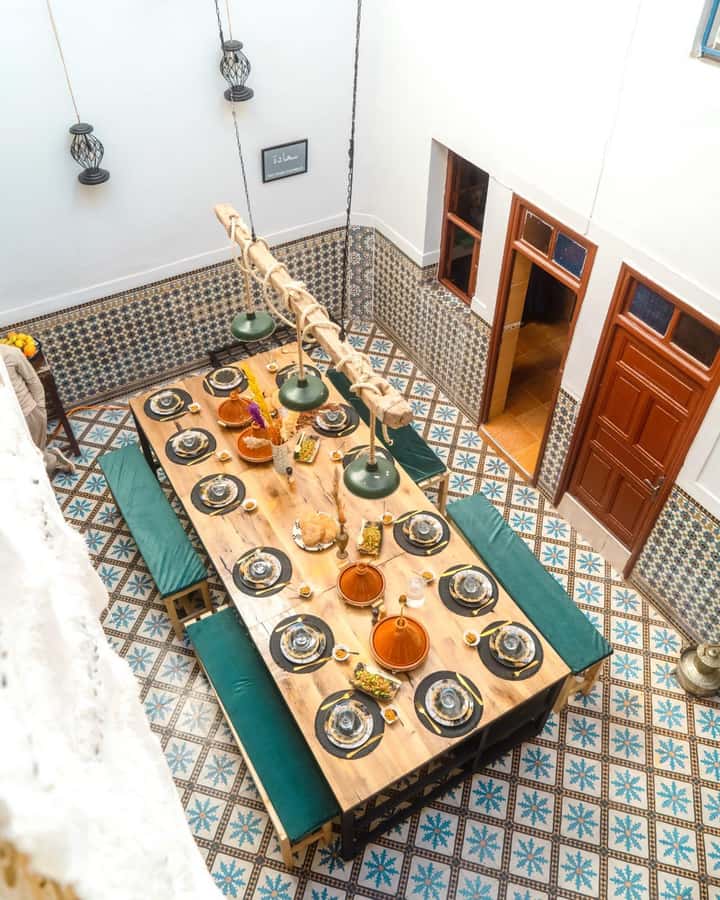
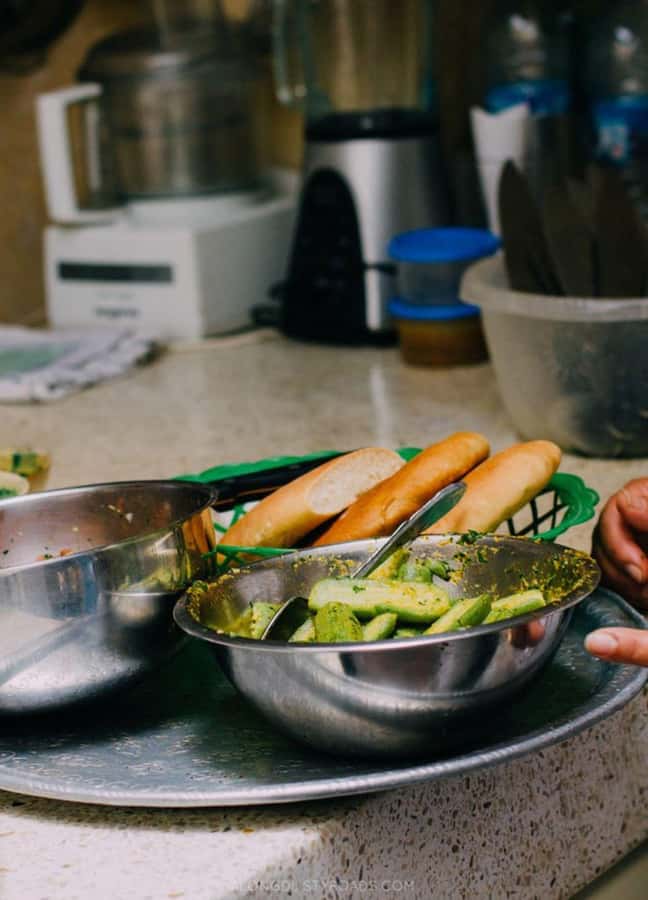
The food selection gives you a broad introduction to Moroccan home cooking. Tagine teaches you about slow-seasoned dishes and spice combinations. Cooked salads show another side of Moroccan food, often built around vegetables and warm seasonings rather than raw leafy greens. The crepe adds a traditional item with a different texture and method.
The class can also include vegan, vegetarian, and gluten-free food. That is helpful when a group has different dietary needs. You should still explain your requirements clearly before the activity, since the supplied information confirms that these styles can be accommodated but does not list a fixed menu for each one.
I like the fact that you eat the food prepared during class. It gives you a clear reward for the work and lets you judge the results while the techniques are still fresh in your mind. Water and tea are included, along with bread, so you do not need to arrange a separate meal immediately afterward.
Do not expect a formal restaurant tasting with a long parade of courses. This is a working kitchen experience. Your portion of each dish depends on what the group prepares, and the meal comes at the end of the cooking process.
Stories about Moroccan customs and food history
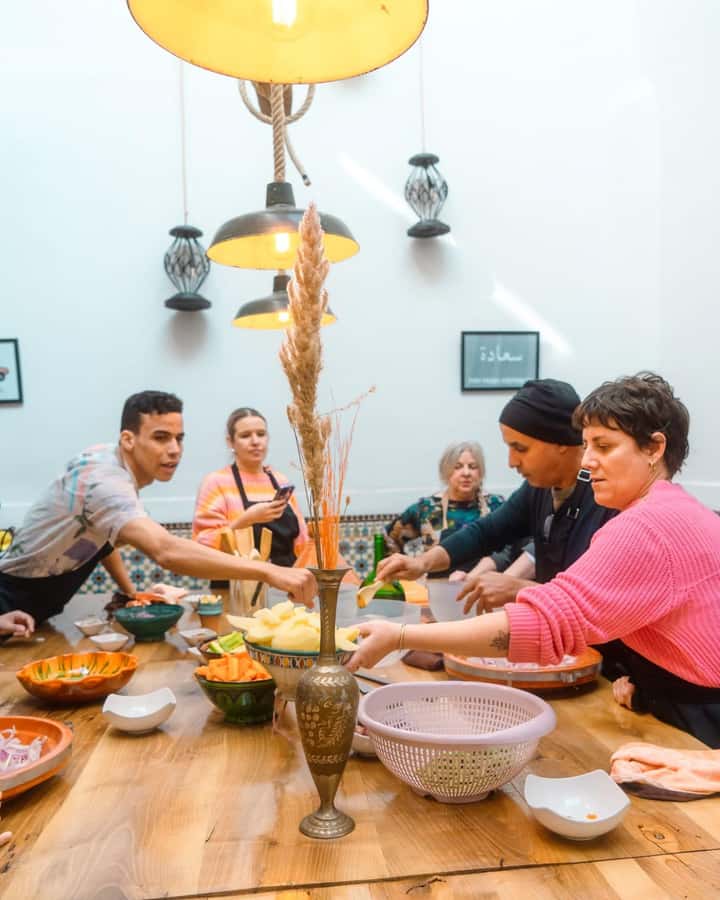
Cooking provides a simple way into Moroccan culture. As you prepare the dishes, the guide discusses customs, traditions, and history connected with food. That conversation can help explain why certain ingredients and methods matter, rather than leaving you with a list of recipes to memorize.
The information supplied does not promise a specialized food historian or a particular regional menu. Instead, the cultural discussion happens alongside the cooking. I would expect practical stories and explanations connected to the dishes being prepared, not a long academic lecture.
That balance is a strength. You are learning with your hands while hearing about Moroccan daily life. The chef can explain a technique at the moment you need it, which is easier to remember than a disconnected talk before or after the class.
Chef Murad has received especially warm praise for making the experience enjoyable. Morad and Yassine have also been singled out for clear guidance and a welcoming manner. Names can vary in spelling in English, but the useful point is that the instructors have been praised for keeping the instructions simple and easy to follow.
The final meal and recipes for home
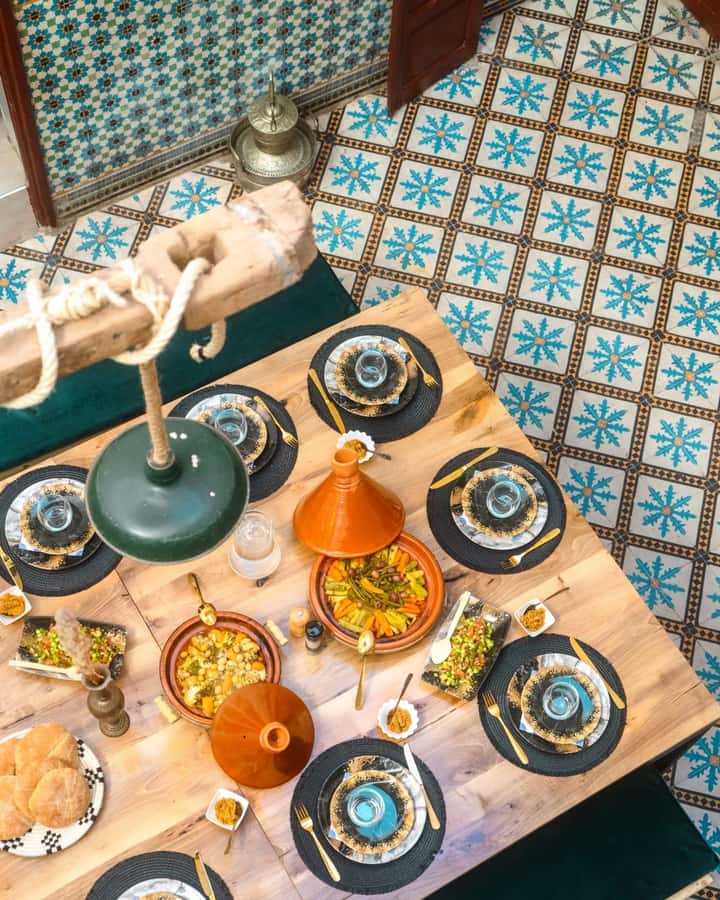
When the cooking ends, you sit down to eat what the group has prepared. This is the moment when the class shifts from lesson to shared meal. You can taste the tagine, salads, crepe, bread, and tea while the methods are still fresh in your mind.
The provider generally sends a website link in the evening with recipes for the dishes prepared and additional Moroccan recipes. That follow-up adds value because a cooking class is only truly useful if you can repeat at least part of it at home.
I would save the recipes as soon as you receive the link. If you are cooking in a small home kitchen, you may need to adjust quantities and equipment, but the class should give you enough guidance to recreate the flavors rather than relying on memory alone.
The food also gives you a better way to judge Moroccan restaurants during the rest of your trip. After handling the spices and cooking methods yourself, you will have a clearer idea of what goes into a tagine or cooked salad. A dish on a menu becomes less mysterious.
Timing problems are the main weakness
The biggest concern is not the cooking. It is the handling of time and transport.
The advertised duration is 210 minutes, yet delayed pickups have caused some sessions to run well beyond the expected finish. In one case, participants arrived after the class had started and were placed at a separate table from the main group. That can affect both the social side of the class and the amount of instruction you receive.
A change from a 10:00 a.m. class to an 11:25 a.m. or 11:45 a.m. pickup is not a small adjustment in Marrakech. It can remove an entire afternoon plan, especially if you have prebooked a palace, garden, food tour, or day trip.
I would follow three simple rules:
- Keep the rest of your day open.
- Confirm the pickup time and meeting details by WhatsApp.
- Ask whether the market visit is included on your date.
The experience is much easier to enjoy when you are not watching the clock. One participant specifically advised not planning anything urgent right afterward, and that is sound advice.
Is $40 per person good value?
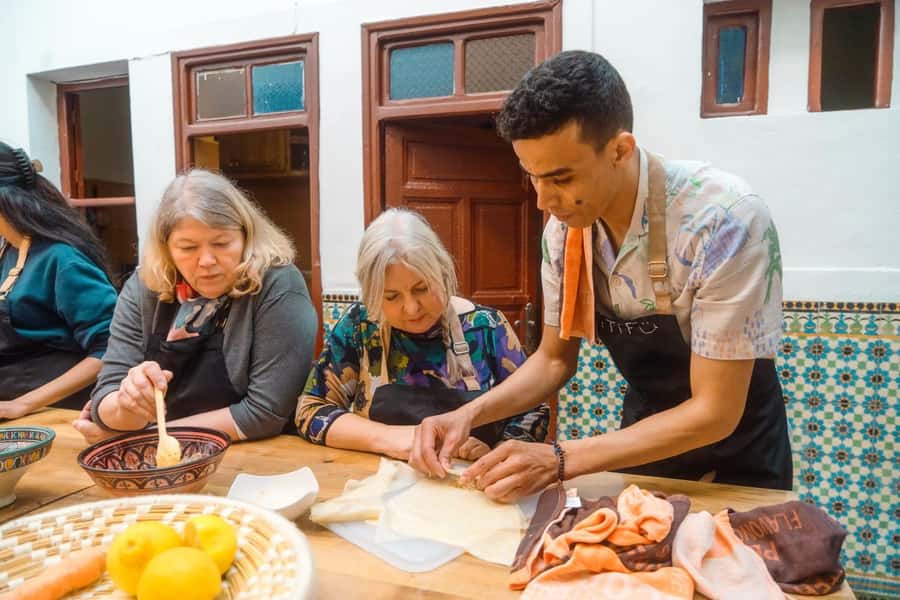
At $40 per person, the experience offers fair value if the full program runs as intended. You receive transport pickup, a guide, a cooking class, several dishes, bread, water, tea, and recipes for later use. You also get direct contact with a local chef and a cultural conversation that a regular meal cannot provide.
The value is strongest for people who want participation rather than a quick food stop. Learning several recipes and eating the finished meal makes the price easier to justify, especially for couples or families who enjoy cooking together.
The value is weaker if you mainly want a market tour. Since the shopping portion has not appeared consistently, you should not book this expecting a guaranteed market-focused experience. You might instead spend most of the session in a restaurant or professional kitchen on the edge of the city.
Transport reliability also affects the price. A delayed pickup can cost you time and force you to change other plans. The cooking itself may still be enjoyable, but a good activity becomes less good value when it disrupts a paid booking elsewhere.
Who should book this experience?
I would recommend the class to:
- First-time visitors who want a practical introduction to Moroccan food.
- Couples looking for a shared activity with a meal at the end.
- Families with older children who can take part in chopping and seasoning.
- Home cooks who want recipes they can repeat.
- Vegetarian, vegan, or gluten-free participants who need menu flexibility.
- Anyone who prefers a relaxed social activity to a formal sightseeing tour.
I would be more cautious if you have a strict schedule or only one free afternoon in Marrakech. The shifting pickup times create too much risk for a tightly packed itinerary.
The class also suits people who enjoy trying new foods without needing every detail planned in advance. If you want a guaranteed market visit, a central venue, a fixed menu, and a precise finish time, ask direct questions before paying.
Booking, cancellation, and access details
You can reserve the activity and pay later, which helps if your Marrakech plans are still changing. Free cancellation is available up to 24 hours in advance for a full refund.
The live instruction is available in Arabic, English, and French. The experience is listed as wheelchair accessible. Send your hotel address and WhatsApp number so the provider can coordinate pickup.
Because transport has been the weak point for some bookings, I would save the provider contact details and confirm the pickup time on the day before the class. That small step may prevent the most common problem.
Should you book the Marrakech cooking class?
Book it if you want to cook, not just eat. The chance to prepare a tagine, cooked salads, a crepe, bread, and mint tea gives you a useful introduction to Moroccan food, and the friendly instruction from chefs such as Murad, Morad, and Yassine adds a personal touch.
I would book with one condition: keep your schedule open and confirm whether the market stop is operating that day. The cooking and meal appear to be the dependable core of the experience. The market visit and pickup timing are less certain.
At $40, this is a good choice for a relaxed half-day, especially if you value recipes and hands-on practice. It is not the right pick for a tightly timed day or for someone seeking only a central Marrakech market walk.
FAQ
How long does the cooking class last?
The listed duration is 210 minutes, or three and a half hours. In practice, you should allow extra time because pickup or return transfers may be delayed.
How much does the experience cost?
The price is $40 per person.
What food will I prepare?
A typical session includes one type of tagine, two cooked salads, and a traditional crepe. The general format usually prepares three or four different dishes, though the exact menu can vary.
Is a meal included?
Yes. The meal and bread are included, along with water and tea.
Will I visit a local market?
The planned itinerary includes a quick market visit to buy vegetables and cooking supplies. However, the market stop has not taken place in every session, so confirm this before booking if it matters to you.
Will I learn to make Moroccan mint tea?
Yes. The class includes instruction in preparing Moroccan mint tea in the traditional style, followed by tea drinking as you get acquainted.
Are recipes provided?
A link to the provider’s website is generally sent in the evening. It includes recipes for additional dishes as well as the recipes made during class.
Which languages are available?
The live guide can provide instruction in Arabic, English, or French.
Can the class accommodate special diets?
The class can include vegan, vegetarian, and gluten-free cooking. Tell the provider your dietary needs in advance so the menu can be prepared appropriately.
Is pickup included?
Pickup is part of the experience, and you should provide your hotel address and WhatsApp number for coordination. Confirm the pickup time because some transfers have been delayed or rescheduled.
Can I cancel for a full refund?
Yes. You can cancel up to 24 hours in advance for a full refund.
Is the class wheelchair accessible?
The activity is listed as wheelchair accessible. You should still share any access needs when confirming the booking.
More Food Tours
- From Marrakech: Merzouga 3-Day Desert Safari with Food
★ 4.7 · 12,232 reviews - Marrakech: Street Food Tour by Night
★ 4.8 · 2,838 reviews - 3-Day Tour to Merzouga Erg Chebbi with Food & Camel Trek
★ 5.0 · 1,770 reviews - Authentic Moroccan Food Tour in Marrakech with Dinner
★ 5.0 · 1,423 reviews
More Cooking Classes
- Marrakech: Moroccan Cuisine Cooking Class in Local Home
★ 4.8 · 508 reviews - Marrakech: Moroccan Cooking Workshop at La Maison Arabe
★ 5.0 · 446 reviews - Marrakesh cooking class with chef Hassan – Local dishes
★ 5.0 · 425 reviews - Marrakech: Tajine Cooking Class in a Traditional Riad
★ 4.8 · 424 reviews
Just added around Marrakech
- Marrakech: Medina Souks, Hidden Markets and Shopping Tour★ 4.8 · 33 reviews
- Agafay desert sunset camel ride Tour from Marrakech★ 5.0 · 33 reviews
- Guided walking tour in Marrakech★ 4.5 · 33 reviews
- Sunset Camel Ride Marrakech with Transfers★ 5.0 · 33 reviews
- 2 Days Desert Agafay and Atlas Mountains Trek From Marrakech★ 3.8 · 33 reviews
- Atlas mountains, Ourika valley, berber villages trip & Guide★ 5.0 · 33 reviews
- Magical Dinner show and Quad bike In Agafay Desert Marrakech★ 4.5 · 33 reviews
- Marrakech: Ouzoud Waterfalls Trip, Guide & Boat + Lunch★ 4.7 · 33 reviews
Cooking Classes, compared.
Traditional Moroccan Cooking Class & Market Visit
Read our review →
Moroccan Dishes Cooking Class with a Local Chef
Read our review →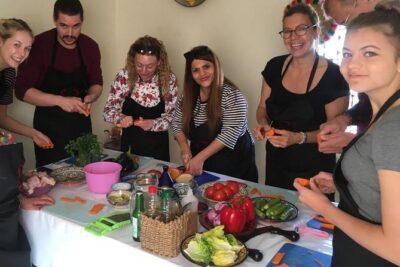
Moroccan Cooking Class & Marrakech Market Visit with Chef Khmisa
Read our review →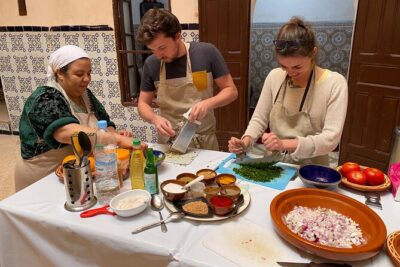
Half-Day Cooking Class with Local Chef Laila in Marrakech
Read our review →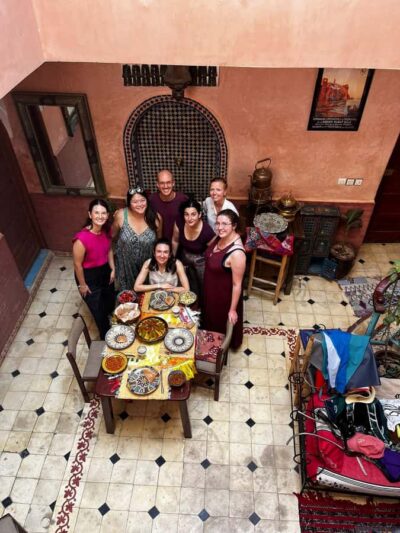
Browse the lists this tour appears in