
Reviewed · COOKING CLASSES
Moroccan Cooking Workshop LAMAI CHEF
Moroccan food begins with the spice box. At Lamai Chef in Marrakech, you spend about three and a half hours learning family-style recipes, then sit down to eat what you made. I like the private format, which keeps the class focused on your own group, and I like the clear mix of demonstration, hands-on cooking, and shared meal. The main consideration is the price, $69.52 per person, which is fair for a private cooking session but more than a basic market-style class.
The workshop also gives you a pleasant cultural introduction before the knives come out. You begin in a beautiful residence with mint tea, Moroccan pastries, and a lesson on spices, then prepare bread, chicken tagine, salads, and pancakes with honey and almonds. The food is the star, but the warm welcome and practical instruction matter just as much. One point to check before booking is pickup, since it is offered, but the published meeting point is Lamai Chef Marrakech177, lot riad de palais, Marrakech 40150.
In This Review
- Key points to know before booking
- A Marrakech cooking class built around a complete meal
- Mint tea, pastries, and the Moroccan spice lesson
- Making bread before the tagine takes over
- A vegetarian Berber tagine and two contrasting salads
- Pancakes with honey and almonds finish the meal
- The tasting is the real payoff
- The graduation ceremony adds a cheerful finish
- Price, private groups, and what the logistics mean
- Who will enjoy Lamai Chef most
- Should you book this Marrakech cooking workshop?
- FAQ
- Where does the Moroccan cooking workshop start?
- Where does the experience end?
- How long does the workshop last?
- How much does the experience cost?
- Is pickup available?
- Is this a private activity?
- What food will you prepare?
- Is a vegetarian dish included?
- Does the workshop include a meal?
- Can you cancel for a full refund?
Key points to know before booking
- The spice presentation comes first: You learn how Morocco’s position along old caravan routes helped bring many spices into its cooking.
- You prepare a full Moroccan meal: The menu includes bread, chicken tagine with preserved lemon and olives, saffron, two salads, and pancakes.
- A vegetarian Berber tagine is demonstrated: This adds a useful meat-free element, even though the hands-on main dish is chicken.
- Tea and pastries are part of the welcome: The class begins with a Moroccan mint tea ceremony and traditional sweets.
- Your group has the class to itself: This is a private activity, not a large shared lesson.
- You finish with food and a graduation ceremony: Lunch or dinner is followed by a certificate-style closing moment.
A Marrakech cooking class built around a complete meal
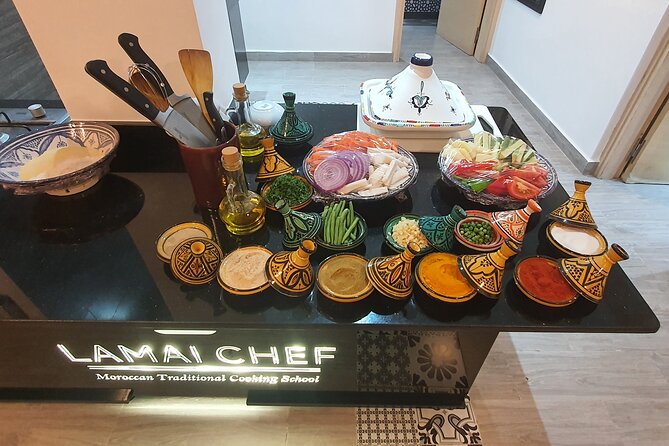
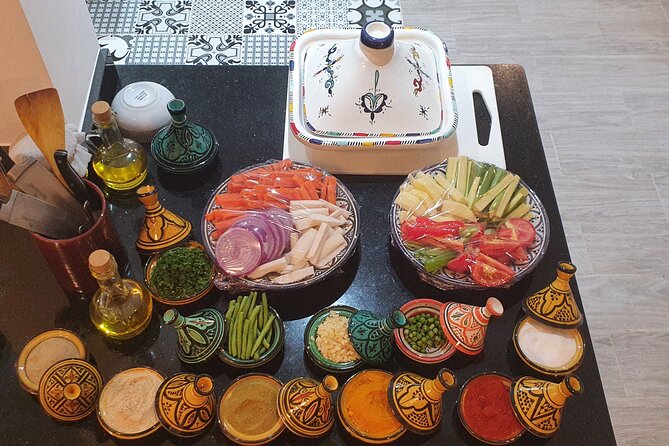
Lamai Chef presents cooking as a chain of small skills rather than one rushed recipe. You start with the ingredients and techniques, move into preparation, and finish at the table with the food your group has made.
That order makes good sense. Moroccan cooking depends on balance: sweet and savory flavors, warm spices, fresh herbs, cooked vegetables, slow cooking, and careful use of preserved ingredients. You are not simply handed a finished plate and told what is in it. You get a chance to see how several dishes come together.
The class lasts approximately three hours and 30 minutes. That is long enough for a proper meal and a relaxed lesson, but short enough to fit into a morning or afternoon in Marrakech. The published hours run from 9:00 a.m. to 10:00 p.m., Monday through Sunday, so you may be able to choose a daytime or evening session.
Because the activity is private, the pace should suit your group better than a large class. A family can work together, and a couple or small group can ask for explanations without competing with a room full of participants. The available feedback praises the hosts’ warmth, clear advice, and professional approach, which are exactly the qualities that make a cooking class comfortable for beginners.
More Cooking Classes in Marrakech
- Marrakech: Moroccan Cooking Class with Pickup
★ 4.6 · 1,862 reviews - Marrakech: Traditional Moroccan Cooking Class & Market Visit
★ 4.8 · 1,861 reviews - Marrakesh: Moroccan Dishes Cooking Class with a Local Chef
★ 5.0 · 1,615 reviews
Mint tea, pastries, and the Moroccan spice lesson
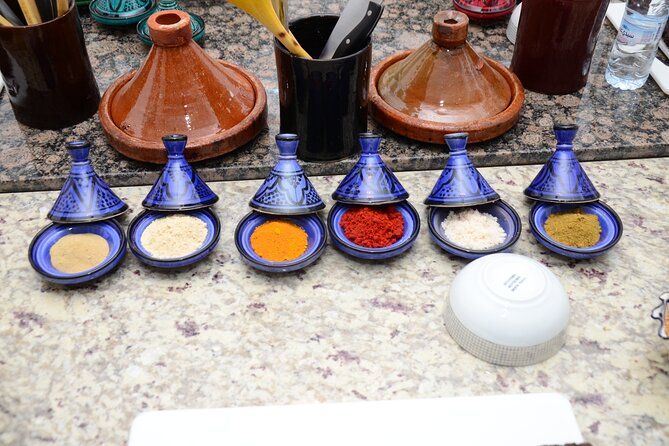
The opening presentation is more than a polite introduction. It gives you a useful key to the meal ahead.
Morocco sits at a crossroads where goods once moved by caravan across North Africa and beyond. Spices reached the country through these trading routes, and Moroccan cooks developed ways to use them with vegetables, poultry, grains, fruit, and preserved foods. At Lamai Chef, you begin with an explanation of this spice tradition before working with the recipes.
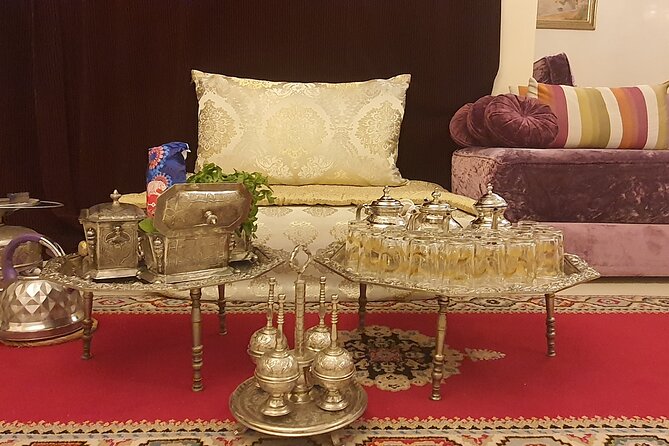
The mint tea ceremony adds a social layer. You are served Moroccan mint tea with traditional pastries, so the class starts at an easy pace rather than with an immediate rush to the chopping board. I like this part because it gives you time to settle in and understand the setting.
The spice workshop should help you pay attention to the difference between aroma and heat. Moroccan food is not defined only by fiery chilies. Its character can come from saffron, cumin, cinnamon, ginger, pepper, herbs, preserved lemon, olives, and the slow blending of several flavors.
The information provided specifically names Taliouine saffron in the chicken tagine. Taliouine, in southern Morocco, is associated with saffron production, so this ingredient gives the dish a distinct regional connection. You should not expect a technical culinary lecture, but you will get context for why the seasoning matters.
Making bread before the tagine takes over
Bread is included in the practical section, which is a useful choice. Moroccan bread is not merely an extra on the side. It is part of how many meals are eaten, and learning to prepare it helps connect the cooking lesson to daily food traditions.
The details of the bread recipe are not specified, so you should not book this expecting a particular loaf or baking method. What is clear is that bread is prepared as part of the class, alongside the main dishes.
Then comes the chicken tagine with candied lemon, olives, and Taliouine saffron. This is the workshop’s main hands-on dish, and it brings several familiar Moroccan flavors together. The candied, or preserved, lemon supplies a sharp salty note, while olives add more brine and the saffron contributes fragrance and color.
A tagine is both a dish and the traditional cooking vessel associated with it. The conical lid helps return moisture to the food as it cooks. The supplied information does not state how long the tagine cooks or what equipment each participant uses, so keep your expectations practical: you are learning the preparation of a classic dish, not taking a full professional-chef course.
This menu is a good fit if you want a recognizable Moroccan dish you can try to repeat at home. It also gives the class a clear center. Instead of producing a collection of unrelated snacks, you prepare food that belongs together at a proper lunch or dinner.
A vegetarian Berber tagine and two contrasting salads
The instructor also demonstrates a vegetarian Berber tagine. This is important for two reasons. First, it gives you another way to understand Moroccan tagine cooking without relying on poultry. Second, it shows that the country’s food is not limited to one famous recipe.
Since the vegetarian tagine is described as a demonstration, you should distinguish it from the chicken preparation. You may watch the technique rather than make every step yourself. If someone in your group avoids meat, the demonstration will still add useful ideas, but the published menu does not promise a fully vegetarian practical class.
Two Moroccan salads are prepared as well: one cooked and one fresh. This contrast helps explain how Moroccan meals build variety through texture and temperature. A cooked salad can have soft vegetables and concentrated seasoning, while a fresh salad brings a lighter, crisp counterpoint.
The exact vegetables and dressings are not given, so the final dishes may depend on the workshop menu that day. That is not a flaw, but it does mean you should not rely on the class to teach one specific salad recipe. You are getting a broader lesson in Moroccan meal structure.
I like the balance here. The tagine is warm and slow-cooked, the salads bring different textures, and the bread helps carry the meal. It feels more like learning how to host a Moroccan table than collecting a single recipe.
A few more Marrakech trips worth weighing up
- Moroccan Cooking Class & Marrakech Market Visit with Chef Khmisa
★ 5.0 · 1,504 reviews - Half-Day Cooking Class with Local Chef Laila in Marrakech
★ 5.0 · 952 reviews - Marrakech: Pottery Workshop with Moroccan Tea
★ 4.8 · 756 reviews - Marrakech: Moroccan Cooking Class with a Local Family
★ 4.9 · 668 reviews
Pancakes with honey and almonds finish the meal
The sweet course is Moroccan pancakes with honey and almonds. It is a simple ending on paper, but it gives the class a chance to show how nuts and honey are used to finish a meal.
The pancakes also make the workshop feel complete. You have bread, a main course, vegetable dishes, and dessert. At the end, you are not standing around waiting for one last demonstration. You can taste how the separate parts work together.
The description does not name the exact pancake style, so you should avoid assuming a specific shape, thickness, or filling. The important point is that the dish is prepared as part of the practical session and served with honey and almonds.
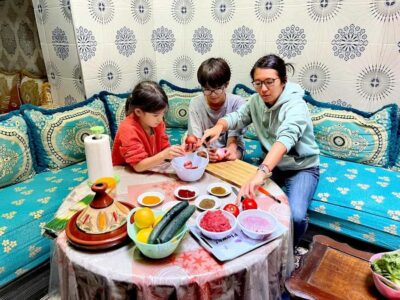
For families, this may be one of the easiest parts of the class to enjoy together. The menu has familiar elements, but the combination still feels distinctly Moroccan. The daughter and mother who praised the workshop especially liked the fun, informative format and the chance to make attractive food together. That is a useful clue for families planning an activity beyond sightseeing.
The tasting is the real payoff
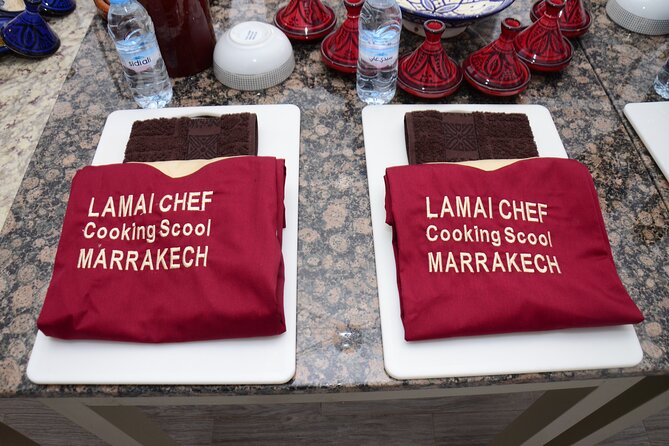
After the preparation, you eat lunch or dinner made by your group. This is where the class earns much of its value.
A cooking lesson can feel abstract if you prepare food and never sit down to taste it properly. Here, the meal is part of the planned experience. You can see how the chicken, salads, bread, and pancakes fit together, and you can judge the seasoning while the instruction is still fresh.
The meal also turns the workshop into a social occasion. You have started with tea and pastries, worked through several dishes, and then reached the table. That rhythm mirrors the hospitality the class aims to teach.
The available feedback gives strong weight to this overall flow. The comments praise the workshop from beginning to end, along with the welcoming hosts and clear explanations. Another French-language comment calls the experience perfect and highlights the warm reception, professionalism, and clarity of the advice. Those points matter more than a simple list of dishes because they tell you how the session is likely to feel.
Still, keep the scale in mind. This is a 3.5-hour workshop, not a full culinary school program. You will learn useful techniques and recipes, but you should not expect advanced knife training, a long lesson on Moroccan food history, or an extensive choice of menus unless the provider confirms it directly.
The graduation ceremony adds a cheerful finish
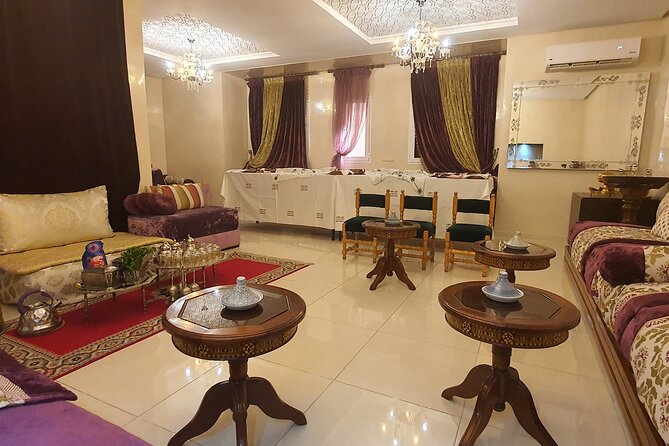
Lamai Chef closes the session with a graduation ceremony. The information does not specify the exact format or certificate, so I would treat this as a brief celebratory ending rather than a formal professional qualification.
That small touch works well after a hands-on meal. It gives the session a clear finish and makes the activity feel like an event rather than simply a meal preparation service. For children and families, it may be especially enjoyable.
It also gives you a natural moment to take stock of what you made. You leave with the memory of a meal you helped prepare, not only with a list of ingredients from a demonstration.
Price, private groups, and what the logistics mean
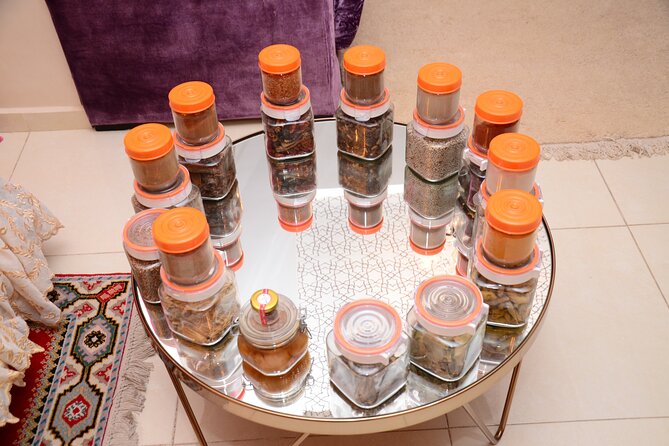
The listed price is $69.52 per person. For a private three-hour-30-minute class that includes tea, pastries, instruction, several dishes, a meal, and a closing ceremony, I consider that a reasonable midrange price.
The value depends on how you use the session. If you only want to eat Moroccan food, a restaurant meal will likely be simpler. If you want a personal activity with practical cooking, cultural context, and a full meal, the price makes more sense.
A private booking is also valuable for mixed groups. One person may be a confident cook, another may be a beginner, and a child may want to take part. A private setting lets the activity remain social without forcing everyone into the same level of participation.
Pickup is offered, but the stated start and end point is Lamai Chef Marrakech177, lot riad de palais, Marrakech 40150, Morocco. The experience ends back at the meeting point. Since the address and pickup option are both listed, confirm the exact pickup arrangement when booking rather than assuming door-to-door transport is included.
The location is near public transportation. That helps if you are making your own way there, though the supplied details do not identify a particular bus, train, or taxi route. You receive confirmation at the time of booking, and the activity is available daily within the stated operating period, from May 26, 2023 through June 18, 2026.
The class is often booked 28 days ahead on average. That does not mean you must reserve a month early, but it is a useful planning signal. If you have a fixed Marrakech schedule, booking ahead is sensible, especially since the class is private and requires a minimum number of participants.
Free cancellation is available up to 24 hours before the start time for a full refund. Inside that 24-hour window, cancellations and changes are not accepted for a refund. If the minimum number is not reached and the provider cancels, you are offered another date or experience, or a full refund.
Who will enjoy Lamai Chef most
I would recommend this workshop to you if you want to do more than look at Marrakech from the outside. It suits:
- Families seeking a shared activity
- Couples who enjoy food and hands-on lessons
- First-time visitors who want an introduction to Moroccan flavors
- Home cooks looking for recipes to repeat
- Private groups that prefer their own pace
- Anyone who wants a substantial meal included in a cultural activity
It may be less suitable if you want a fast demonstration, a high-level professional course, or a class focused on one narrow technique. The menu covers several dishes, so the time is spread across bread, tagine, salads, dessert, tea, and explanation.
The workshop is also not presented as a market visit or a restaurant tour. You go to a cooking school in a residence, learn there, and finish at the same meeting point. That makes it a focused food activity rather than a broader neighborhood excursion.
Should you book this Marrakech cooking workshop?
Book Lamai Chef if you want a friendly, private introduction to Moroccan home cooking with enough time to prepare and eat a full meal. The strongest reasons are the complete menu, the spice lesson, the welcoming teaching style, and the chance to cook with only your own group.
I would pause if $69.52 feels high for a meal, or if you prefer sightseeing to structured activities. For everyone else, this is a well-rounded choice, especially for families and small groups. Reserve ahead if your dates are fixed, confirm the pickup details, and arrive ready to work with bread, saffron, preserved lemon, olives, salads, and a little Moroccan hospitality.
FAQ
Where does the Moroccan cooking workshop start?
It starts at Lamai Chef Marrakech177, lot riad de palais, Marrakech 40150, Morocco.
Where does the experience end?
The activity ends back at the meeting point.
How long does the workshop last?
The workshop lasts approximately three hours and 30 minutes.
How much does the experience cost?
The listed price is $69.52 per person.
Is pickup available?
Pickup is offered. The published meeting point is Lamai Chef Marrakech177, so confirm the exact pickup arrangement when booking.
Is this a private activity?
Yes. Only your group participates in the activity.
What food will you prepare?
The practical session includes bread, chicken tagine with candied lemon and olives, Taliouine saffron, two Moroccan salads, and pancakes with honey and almonds.
Is a vegetarian dish included?
A vegetarian Berber tagine is demonstrated during the workshop.
Does the workshop include a meal?
Yes. You taste the lunch or dinner prepared during the class.
Can you cancel for a full refund?
Yes. You can cancel at least 24 hours before the start time for a full refund. Cancellations within 24 hours are not refunded.
More Cooking Classes
- Marrakech: Moroccan Cuisine Cooking Class in Local Home
★ 4.8 · 508 reviews - Marrakech: Moroccan Cooking Workshop at La Maison Arabe
★ 5.0 · 446 reviews - Marrakesh cooking class with chef Hassan – Local dishes
★ 5.0 · 425 reviews - Marrakech: Tajine Cooking Class in a Traditional Riad
★ 4.8 · 424 reviews
Just added around Marrakech
- Marrakech: Medina Souks, Hidden Markets and Shopping Tour★ 4.8 · 33 reviews
- Guided walking tour in Marrakech★ 4.5 · 33 reviews
- Sunset Camel Ride Marrakech with Transfers★ 5.0 · 33 reviews
- Agafay desert sunset camel ride Tour from Marrakech★ 5.0 · 33 reviews
- 2 Days Desert Agafay and Atlas Mountains Trek From Marrakech★ 3.8 · 33 reviews
- Atlas mountains, Ourika valley, berber villages trip & Guide★ 5.0 · 33 reviews
- Magical Dinner show and Quad bike In Agafay Desert Marrakech★ 4.5 · 33 reviews
- Camel Ride at the Palm Groves in Marrakech★ 5.0 · 33 reviews
Cooking Classes, compared.
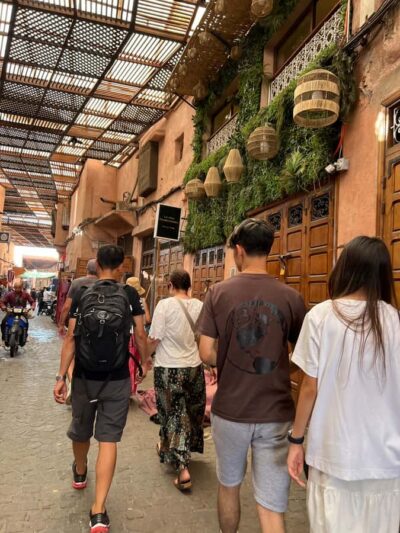
Traditional Moroccan Cooking Class & Market Visit
Read our review →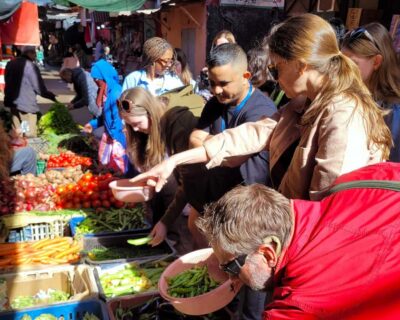
Moroccan Dishes Cooking Class with a Local Chef
Read our review →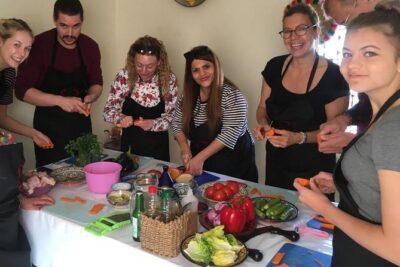
Moroccan Cooking Class & Marrakech Market Visit with Chef Khmisa
Read our review →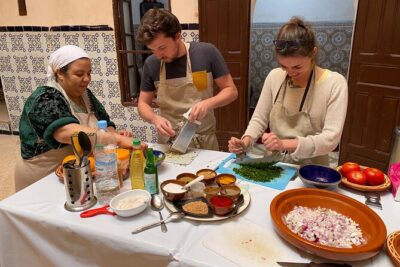
Half-Day Cooking Class with Local Chef Laila in Marrakech
Read our review →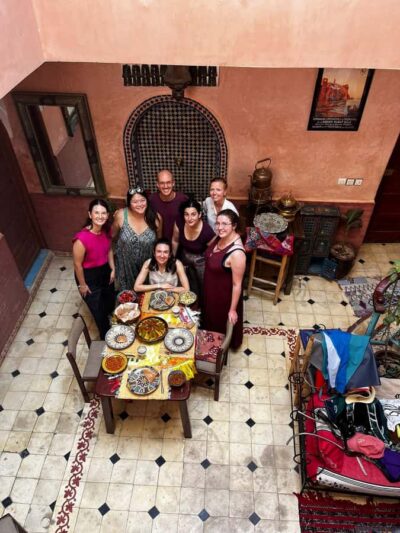
Browse the lists this tour appears in