
Reviewed · EVENING EXPERIENCES
Marrakech: Street Food Tour by Night
Marrakech tastes better after dark. This three-hour walk combines a guided medina stroll with about ten tastings, from olives and dates to Moroccan meatballs at Djemaa el Fna. I like the easy central meeting point at Café de France, and I like that dinner is included rather than added as a surprise expense. The main caution is that the food can feel basic if you expect a long parade of elaborate dishes.
The tour is especially useful on your first night in Marrakech. A guide can help you find your way through the medina, explain unfamiliar foods, and steer you toward stalls you might pass without noticing. Guides named Mohammed, Ali, Mo, Benabadmohamed, and Imrane have been praised for their warmth and local insight, though the quality of the commentary may depend on who leads your group.
You should also expect a group experience, not a private culinary class. The maximum group size is 15, the walk lasts about three hours, and the route ends where it begins. Some participants have finished very full, while others wanted more substantial street food and less time in shops or souk lanes.
In This Review
- Key points before you book
- Why this Marrakech food walk works well on your first night
- Meeting your guide at Café de France
- Through the medina, one taste at a time
- Dates at Rahba Kedima Square
- The olive stalls and the art of choosing
- Pastries, nuts, soup, and the risk of eating too soon
- Djemaa el Fna and the final kofta meal
- How much food do you really get?
- The guide can make or break the evening
- Accessibility, timing, and who should join
- Should you book the Marrakech night food tour?
- FAQ
- How long does the Marrakech street food tour last?
- Where does the tour begin?
- Where does the tour end?
- How many people can join the tour?
- Is dinner included?
- How many tastings are included?
- Is the tour wheelchair and stroller accessible?
- Is private transportation included?
- Can I cancel for a full refund?
Key points before you book
- Begin at Café de France: Meet at the entrance, where your official guide should carry an identifying badge.
- Taste around ten items: Expect a mix of olives, dates, pastries, nuts, and savory foods, with the exact selection possibly varying.
- Finish with kofta at Djemaa el Fna: The final meal centers on Moroccan meatballs with homemade tomato sauce.
- Plan for a full evening meal: This is not just a few nibbles. Several people found themselves stuffed by the end.
- Keep your first night free: The tour is a useful introduction to Marrakech’s food, customs, and medina layout.
- Know the trade-off: It is wheelchair and stroller accessible, but it is still a walking tour through a busy historic center.
Why this Marrakech food walk works well on your first night
Marrakech can be a lot to take in at first. Djemaa el Fna fills with food stalls, sales pitches, smoke, smells, and moving crowds. The medina adds narrow lanes, small shops, and plenty of turns that look alike. Meeting a guide at Café de France gives you a clear starting point in the middle of it all.
I like this setup because you do not have to spend your first evening guessing which stall is worth trying. The guide leads you through several parts of the old city, explains what you are seeing, and gives you a reason to pause at food counters instead of rushing past them.
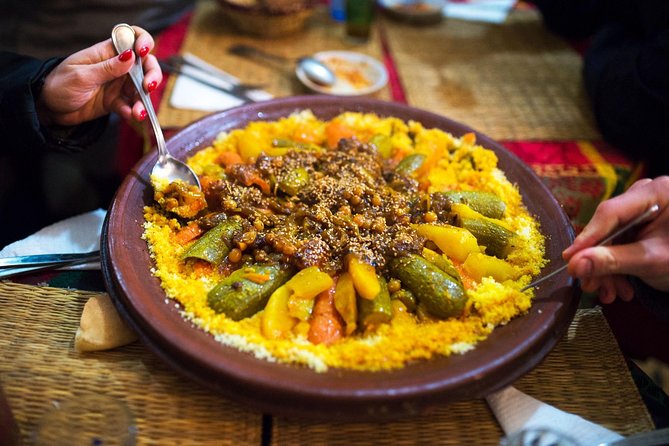
The tour also offers more than the familiar Moroccan menu of tagine and couscous. The tastings can include olives, dates, pastries, nuts, local soup, savory pancakes, and other snacks. Snail soup may appear as one of the more unusual options, but you are not required to try it.
That variety is useful even if you already plan to eat traditional Moroccan dishes elsewhere. You get a sense of how food fits into daily life, including the ingredients families buy, the snacks sold in the souks, and the way an evening meal comes together.
More Food Tours:
- From Marrakech: Merzouga 3-Day Desert Safari with Food
★ 4.7 · 12,232 reviews - Marrakech: Street Food Tour by Night
★ 4.8 · 2,838 reviews - 3-Day Tour to Merzouga Erg Chebbi with Food & Camel Trek
★ 5.0 · 1,770 reviews
Meeting your guide at Café de France
The official meeting place is the entrance to Hôtel Restaurant Café de France, beside Djemaa el Fna. Arrive with enough time to identify the correct guide. The instructions specifically warn that unofficial people may approach you around the square offering tours, so look for the guide holding an identifying badge.
This is an important practical point. Djemaa el Fna is easy to locate, but the area can feel confusing once you arrive. A few participants have had trouble finding the meeting point, and at least one guide waited for a late arrival. Still, do not count on that. Aim to be early and keep the provider’s contact details available on your phone.
The tour uses mobile tickets, and confirmation is sent at booking. No private transport is included, but that should not be a problem for most people because the activity starts and ends at the same central spot.
Through the medina, one taste at a time
The first major section takes you through the Marrakech medina for about an hour. This is where the tour becomes a walking introduction to the city rather than a simple meal.
Your guide may point out less obvious corners and explain how local families use the medina. The route passes food shops and souk sections devoted to particular ingredients. You might see spices, nuts, preserved foods, and the items needed to prepare Moroccan dishes at home.
I value this part because food is easier to understand when you see it in its everyday setting. A plate of olives means more when you have just seen the colorful olive stalls and heard how people choose different flavors. Dates, spices, and preserved ingredients also make more sense when they are presented as part of ordinary shopping rather than as isolated samples.
The medina walk is not a formal museum tour. Its strength depends heavily on the guide. Ali has been praised for adding cultural background and historical detail, while Mohammed and Mo have been singled out for explaining food and local customs clearly. Imrane, who leads in German, has also received warm praise for his storytelling and enthusiasm.
The weaker experience comes when the guide gives little explanation and simply moves the group from one stall to another. If you want the cultural side of the tour, ask questions. This is one of those experiences where an active conversation can make a real difference.
Dates at Rahba Kedima Square
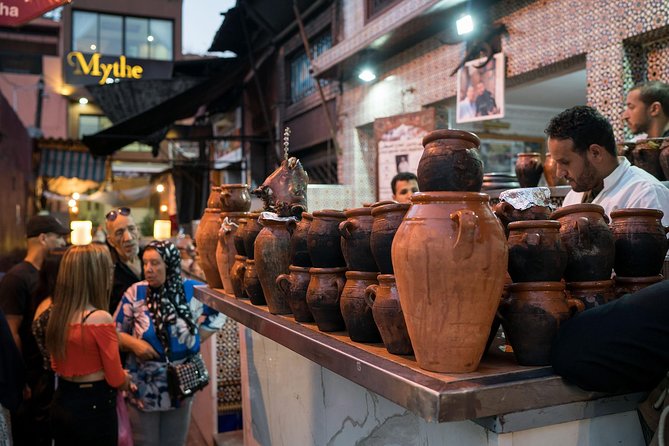
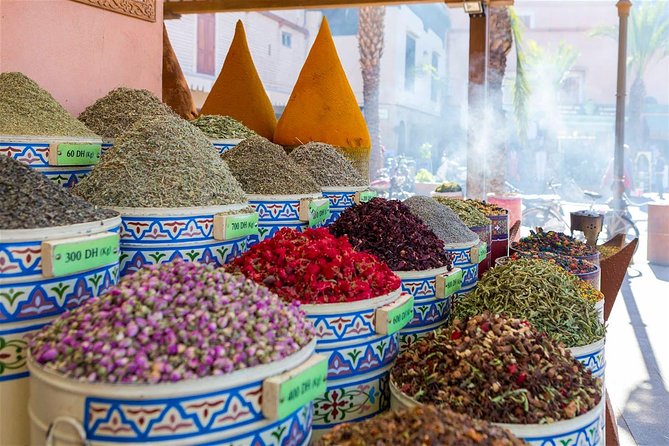
At Rahba Kedima Square, you can browse piles of dates and choose a preferred mix. The stop is short, around ten minutes, but it gives you a direct look at one of Morocco’s best-known everyday foods.
Dates are an easy tasting for a group because they are simple to share, but the choice matters. Rather than receiving one fixed sample, you may have some say in what you try. This is a small detail, yet it makes the stop feel more personal.
Do not expect a long lesson here. The value is in seeing the displays, trying different dates, and learning how the square functions as part of the food trade in the medina. If you are already full from an earlier pastry stop, take small portions. The food adds up quickly.
A few more Marrakech trips worth weighing up
- Authentic Moroccan Food Tour in Marrakech with Dinner
★ 5.0 · 1,423 reviews - From Marrakech: Zagora 2-Day Desert Safari with Food & Camp
★ 4.5 · 1,137 reviews - Marrakech: Jemma El Fnaa Food Tour with Dinner
★ 4.7 · 394 reviews - Marrakech: Authentic Moroccan Food Walking Tour & Dinner
★ 4.8 · 261 reviews
The olive stalls and the art of choosing
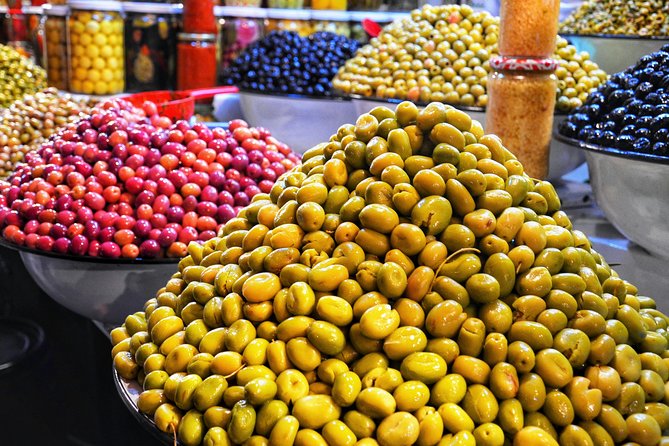
The olive stop lasts about 20 minutes and is one of the most consistently praised parts of the evening. You are led toward stalls filled with different olive flavors and can try several varieties.
This is a good example of what a guide adds. You may not know which olives are mild, salty, spicy, or strongly seasoned. With someone to explain the options, you can choose flavors instead of accepting the first sample offered.
The olive market also provides one of the more colorful food scenes on the route. It is not a polished tasting room. You are sampling at working stalls, with the sights and movement of the medina around you.
The limitation is that the tour may spend more time in souks than some people expect. One participant would have preferred more time in the food market and felt that a stop connected with argan oil was unnecessary. If your main goal is eating rather than shopping or browsing, make that preference clear to your guide.
Pastries, nuts, soup, and the risk of eating too soon
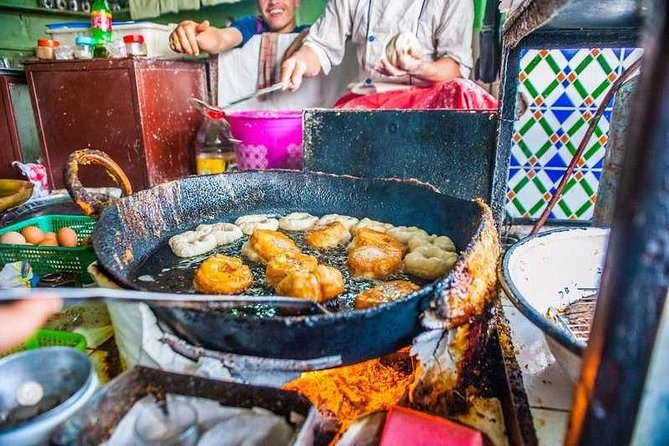
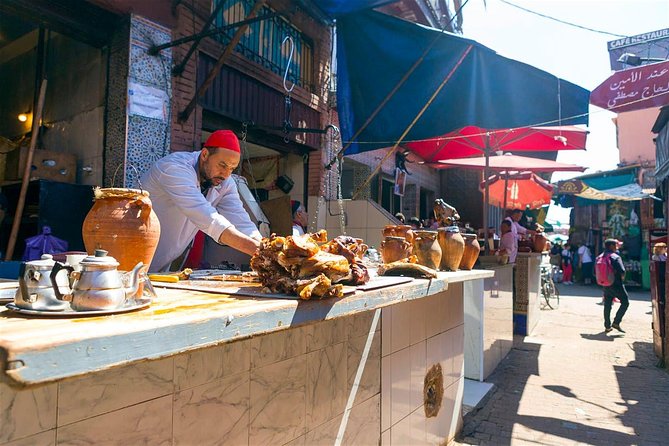
The food before dinner can vary, but the overall pattern is clear: you will receive several small tastes before the final savory dish. Pastries, sweet treats, nuts, bread, and local snacks may appear along the way. Some accounts also describe traditional savory pancakes and soup.
The portions are not always tiny. One group was warned not to eat too much at the beginning and still found the first pastry stop filling. That advice is worth following. Moroccan bread and pastries can be satisfying on their own, and the kofta meal comes later.
A few unusual foods may be offered, including snails. You can decline anything that does not appeal to you. The tour works best when you approach the samples with curiosity but do not feel pressured to perform culinary bravery for the group.
If you have food allergies or strong dietary restrictions, the supplied details do not promise special menus or substitutions. Ask the provider before booking rather than assuming every tasting can be changed.
Djemaa el Fna and the final kofta meal
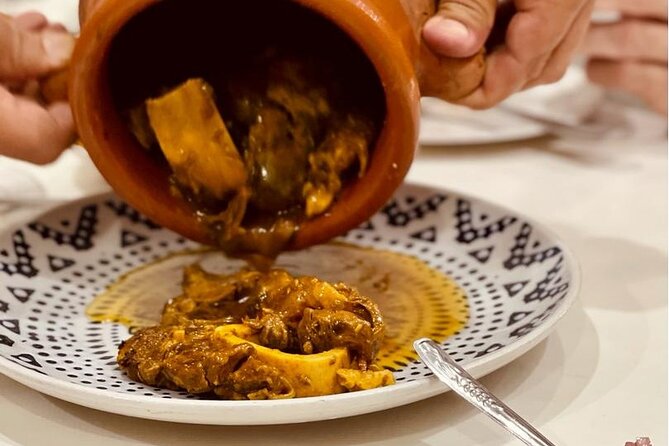
The evening ends at Djemaa el Fna with Moroccan kofta, or seasoned meatballs, served with homemade tomato sauce. This is the most substantial stop and the part most likely to feel like dinner rather than a sample.
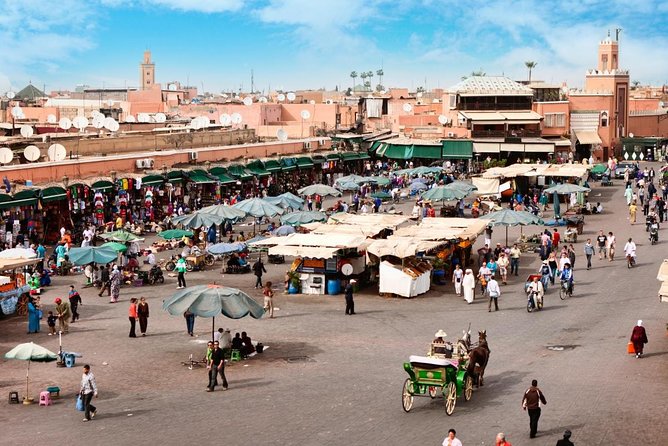
The square is particularly interesting at night. Food stalls open for business, smoke rises from grills, and the atmosphere changes from a daytime sightseeing stop into an evening eating area. Having a guide beside you can make the scene less intimidating, especially if you are not used to choosing among many stalls.
Some accounts describe the final meal as tagine or several traditional Moroccan dishes, while the stated route specifically centers on kofta. The sensible expectation is a Moroccan dinner with kofta as the named final dish, not a guaranteed multi-course banquet.
This distinction matters for value. At $55 per person, you are paying for guided access, a planned series of tastings, local interpretation, and dinner. You are not simply paying for one plate of meatballs. If you value help in the medina and want to sample foods you might otherwise skip, the price can make sense.
If you are an experienced food hunter who can comfortably explore Djemaa el Fna alone, the value is less clear. You may find the individual dishes inexpensive outside the tour. The fee is mainly buying structure, orientation, and a companion who knows where to stop.
How much food do you really get?
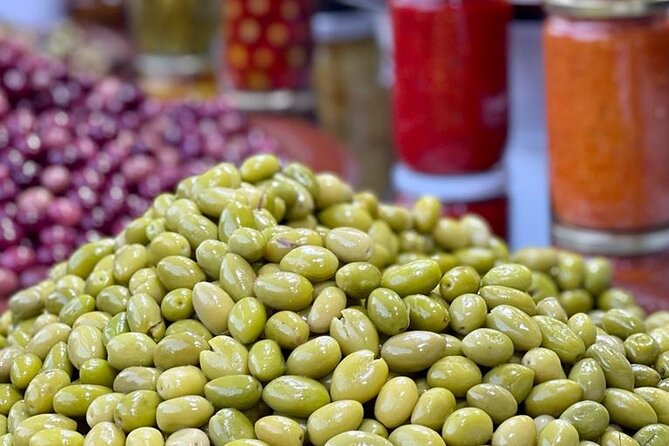
The experience promises about ten tastings and includes dinner. That is enough for most people to leave full, especially when bread, pastries, dates, nuts, olives, and a main dish are combined.
The quality and substance of the food may not feel equal at every stop. Some tastings are snacks rather than full portions, and one less favorable account described the early food as mostly bread and pastry before a final dish with too many bones. That is a useful warning if you are expecting a carefully designed tasting menu.
Still, the goal is not fine dining. This is a look at ordinary street food and market eating. The strongest moments come from trying small local foods in the setting where they are sold, then finishing with a proper Moroccan dish.
Bring a bottle of water. The walking, warm evening air, salty olives, and dry pastries can leave you thirsty. Wear shoes suitable for three hours on foot, and avoid arriving after a large meal.
The guide can make or break the evening
The most praised feature is the guide. Mohammed is repeatedly described as friendly and well informed about the food and the medina. Ali receives similar praise for making the experience more engaging with cultural stories. Mo is noted for being chatty and helpful, while Imrane is a strong choice if you need a German-speaking guide.
Benabadmohamed has also been praised for knowing local stall owners and making the busy square feel easier to handle. These personal connections can help you try food that you would not select on your own.
But the guide quality is not guaranteed by the route alone. A few people found the explanations thin, with the guide answering questions briefly rather than offering useful background. One person also reported being missed at the start and joining another group with help from a different guide.
I would book this with the understanding that it is a small-group tour, not a private appointment. The maximum is 15 people. A group of that size is still manageable in the medina, but it can make conversations and stall visits less intimate.
Accessibility, timing, and who should join
The experience is described as wheelchair and stroller accessible, and most people can participate. That makes it more flexible than many medina walks, though the route still involves moving through market areas for around three hours. If you need a specific accommodation, confirm it before booking.
The tour is best for:
- First-time visitors who want help getting oriented
- People curious about Moroccan snacks beyond tagine and couscous
- Anyone who feels unsure about approaching food stalls alone
- Families who want a planned evening with dinner included
- Food-minded visitors who enjoy tasting small portions and asking questions
It is less suited to you if you want a private food lesson, a luxury dining experience, or a carefully controlled menu. It may also disappoint if your idea of street food means constant hot dishes from grills and pans. Some of the route involves olives, dates, sweets, nuts, and market browsing.
The tour is booked an average of 29 days ahead, so popular evening dates may not remain open close to your trip. Free cancellation is available up to 24 hours before the start time. Changes or cancellations inside that window are not refunded, and poor weather may lead to a new date or a full refund.
Should you book the Marrakech night food tour?
I would book it for a first evening in Marrakech, especially if you want a friendly introduction to the medina and prefer not to make every food decision alone. The best version gives you local stories, unusual tastes, a look at family shopping habits, and a satisfying finish at Djemaa el Fna.
The $55 price is fair when you use the guide’s local knowledge and eat most of the included tastings. It is harder to justify if you want a long list of substantial dishes or already know the medina well.
Go in expecting a guided food walk with dinner, not a chef-led tasting menu. Eat lightly beforehand, carry water, arrive early at Café de France, and ask questions as you go. If possible, request a guide such as Mohammed, Ali, Mo, or Imrane, whose communication and local stories have made this experience especially enjoyable for many people.
FAQ
How long does the Marrakech street food tour last?
The tour lasts approximately three hours, though individual outings may finish slightly earlier or later.
Where does the tour begin?
It begins at the entrance of Hôtel Restaurant Café de France beside Djemaa el Fna, on Rue des Banques in Marrakech.
Where does the tour end?
The activity ends back at the meeting point.
How many people can join the tour?
The maximum group size is 15 participants.
Is dinner included?
Yes. Dinner is included, with the final stated food stop featuring Moroccan kofta and homemade tomato sauce.
How many tastings are included?
The experience includes about ten tastings. These can include olives, dates, pastries, nuts, and other Moroccan foods.
Is the tour wheelchair and stroller accessible?
Yes. The activity is described as wheelchair and stroller accessible.
Is private transportation included?
No. Private transportation is not included. The tour begins and ends at the central meeting point.
Can I cancel for a full refund?
Yes, if you cancel at least 24 hours before the experience begins. Cancellations or changes made less than 24 hours before the start time are not refunded.
More Evening Experiences
- Marrakech: Agafay Desert Sunset, Camel Ride, and Dinner Show
★ 4.6 · 35,119 reviews - Marrakech: Agafay Desert Dinner Show with Sunset Camel Ride
★ 4.8 · 3,330 reviews - Agafay Desert: Dinner + Show with Quad Bike & Sunset Camel Ride
★ 4.5 · 2,669 reviews - Marrakesh: Agafay Desert Sunset, Camel Ride, and Dinner Show
★ 4.8 · 2,334 reviews
Just added around Marrakech
- Marrakech: Medina Souks, Hidden Markets and Shopping Tour★ 4.8 · 33 reviews
- Agafay desert sunset camel ride Tour from Marrakech★ 5.0 · 33 reviews
- Guided walking tour in Marrakech★ 4.5 · 33 reviews
- Sunset Camel Ride Marrakech with Transfers★ 5.0 · 33 reviews
- 2 Days Desert Agafay and Atlas Mountains Trek From Marrakech★ 3.8 · 33 reviews
- Atlas mountains, Ourika valley, berber villages trip & Guide★ 5.0 · 33 reviews
- Magical Dinner show and Quad bike In Agafay Desert Marrakech★ 4.5 · 33 reviews
- Camel Ride at the Palm Groves in Marrakech★ 5.0 · 33 reviews
Evening Experiences, compared.
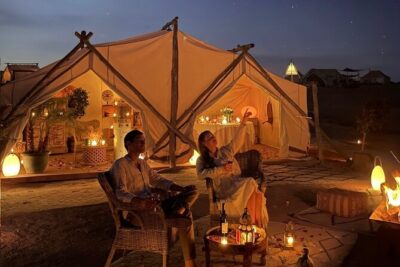
Agafay Desert Sunset, Camel Ride, and Dinner Show
Read our review →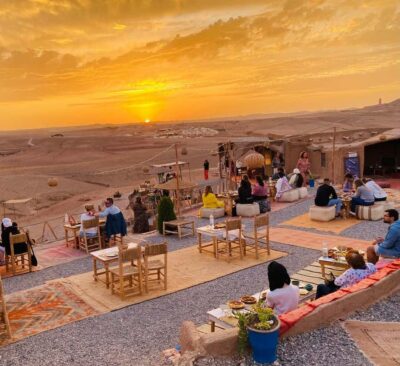
Agafay Desert Dinner Show with Sunset Camel Ride
Read our review →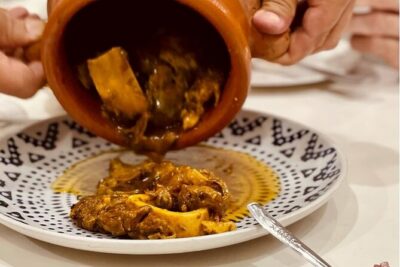
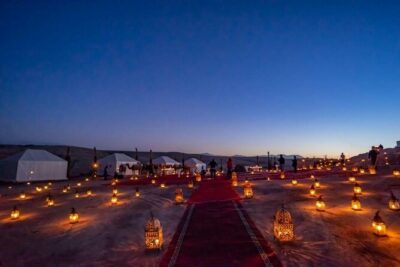
Agafay Desert: Dinner + Show with Quad Bike & Sunset Camel Ride
Read our review →
Agafay Desert Sunset, Camel Ride, and Dinner Show
Read our review →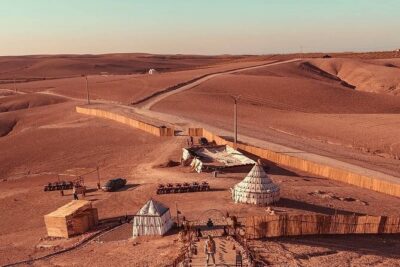
Marrakech Desert Tour & Sunset Camel Ride with Dinner Show
Read our review →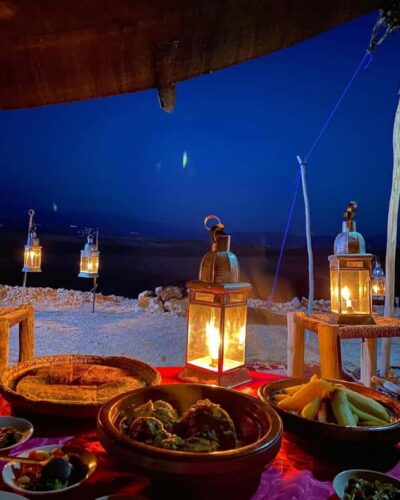
Agafay Desert Magic Sunset Dinner & Live Show
Read our review →
Browse the lists this tour appears in