
Reviewed · FOOD & DRINK
Marrakech: Local Food Tasting Tour with a Guide
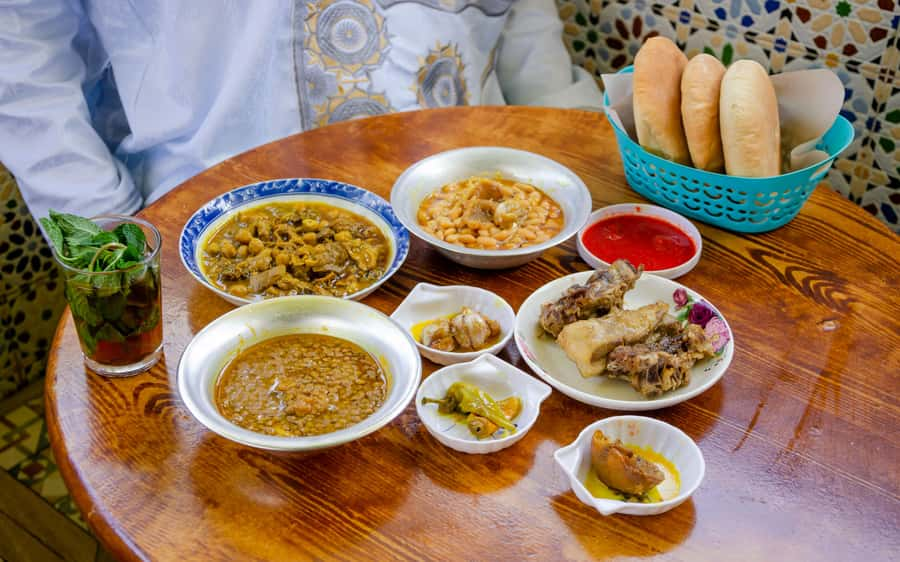
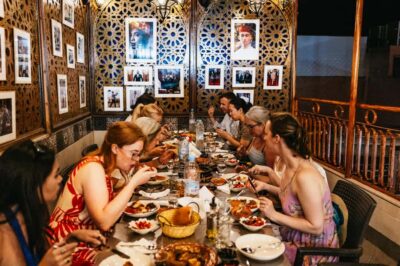
Come hungry, leave happily stuffed. This Marrakech food walk combines 10 local tastings with a close look at Medina food culture, from msemen and harira to smoky tanjia and Moroccan barbecue. I like the small group size, limited to eight people, and the route through local areas rather than only the usual tourist stops. I also like that guides such as Mohammed explain the food and customs as you go, instead of simply handing you a plate.
The main thing to consider is the amount of food. This is not a light snack crawl. You may be full after the third or fourth tasting, and the listed stops include foods some people may find challenging, such as steamed sheep’s head. The tour also lasts 210 minutes, so comfortable shoes, water, and sun protection matter.
In This Review
- Key points before you book
- Starting at Argana and entering Marrakech food culture
- Msemen, harira, dates, and chebakia
- Makkla bel Kefta and the city’s fried treats
- Lfarnatchi and the smoky flavor of tanjia
- Moroccan barbecue and the more adventurous plate
- Panache, orange juice, and khodnjal
- Walking through the Mellah and Marrakech Medina
- What $45 buys you in Marrakech
- Who will enjoy this food walk most
- Timing, comfort, and practical planning
- Should you book the Marrakech food tasting tour?
- FAQ
- Where does the Marrakech food tour start?
- How long does the experience last?
- What foods are included?
- Are vegetarian options available?
- What languages does the guide speak?
- Is the tour wheelchair accessible?
Key points before you book
- Ten substantial Moroccan tastings: Expect a full meal’s worth of small portions, including msemen, harira, dates, chebakia, sfenj, tanjia, barbecue, fruit drinks, and herbal tea.
- A small group of up to eight: This gives you a better chance to ask questions and keep up in busy Medina lanes.
- A guide-led route through local food areas: The experience includes the Mellah, Marrakech Medina, neighborhood restaurants, food stalls, and cooking places you might not choose on your own.
- Mohammed receives especially warm praise: Recent bookings describe him as attentive, relaxed, passionate, and good at taking people away from the most tourist-focused spots.
- Vegetarian options are available: Tell the guide about your needs before or at the start so the tastings can be handled properly.
- Budget around three and a half hours: The advertised duration is 210 minutes, with the walk ending back at Argana Cafe near Jemaa el-Fna.
Starting at Argana and entering Marrakech food culture
The meeting point is in Jemaa el-Fna Square, in front of Argana Cafe. This is an easy place to identify, but the square can be crowded and confusing, so arrive with enough time to find the exact spot.
Your local guide stays with you from the beginning to the end. That matters in Marrakech, where food stalls, narrow lanes, and small eateries can be hard to judge from the outside. A guide can explain what you are eating, point out local favorites, and help you order with less guesswork.
The group is capped at eight people. I consider that a useful limit for this kind of outing. A large group would be awkward around tiny tables and crowded stalls. With fewer people, you can hear the guide, ask questions, and keep the pace moving through the Medina.
The tour is advertised in English and French. Specific guide names appearing in recent bookings include Mohammed, Muhammad, and Medhi. Mohammed is praised repeatedly for staying attentive to everyone, explaining Moroccan culture, and creating a relaxed mood. Guide assignments can change, so do not assume a particular person is guaranteed.
More Food Tours:
- From Marrakech: Merzouga 3-Day Desert Safari with Food
★ 4.7 · 12,232 reviews - Marrakech: Street Food Tour by Night
★ 4.8 · 2,838 reviews - 3-Day Tour to Merzouga Erg Chebbi with Food & Camel Trek
★ 5.0 · 1,770 reviews
Msemen, harira, dates, and chebakia
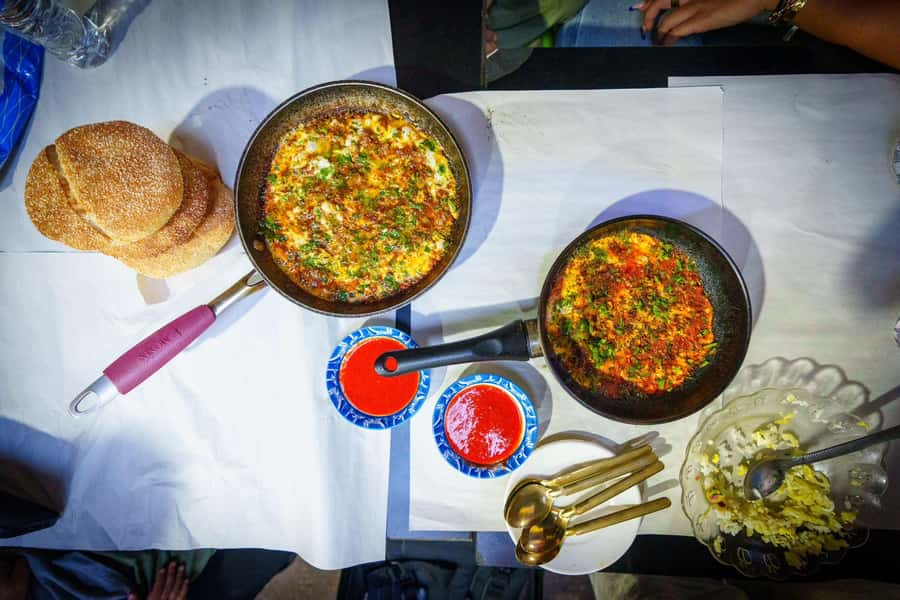
The first foods introduce you to the sweet and savory side of Moroccan cooking. Msemen is a layered Moroccan flatbread, commonly served here with tomato sauce, onion, coriander, and spices. It is simple food, but it gives you a useful taste of the country’s love of bread, herbs, and warm seasoning.
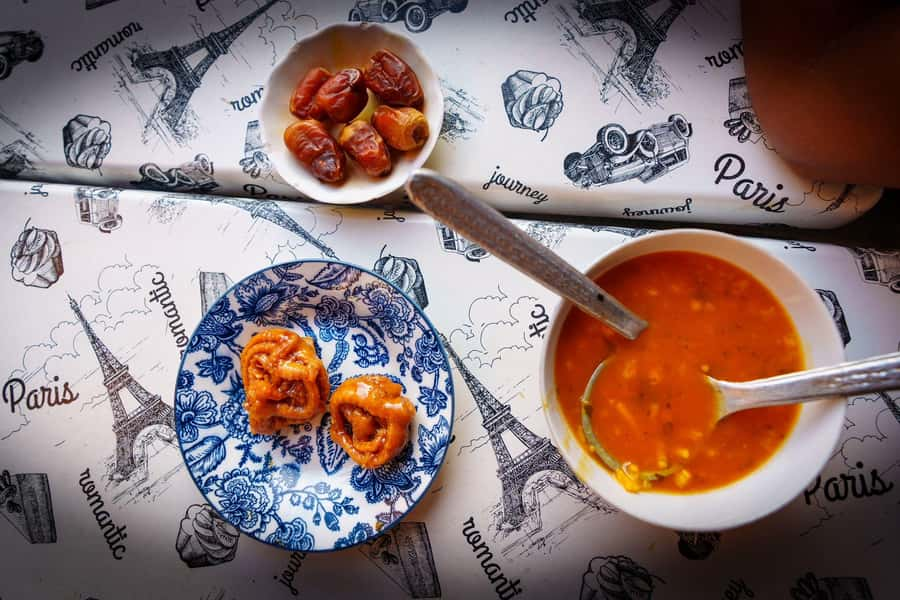
You then try harira, the classic Moroccan soup. The tasting includes dates and chebakia, a sweet pastry associated with Moroccan tea culture. Together, these foods show how a Moroccan meal can move between salty, sweet, warm, and spiced flavors without strict Western course divisions.
I like this early part of the route because it gives you context before the heavier dishes arrive. You are not just ticking off unfamiliar names. You are learning how everyday Moroccan food uses bread, soup, dried fruit, pastry, herbs, and spice in practical combinations.
If you have a sweet tooth, save room for chebakia. If you do not, take only a small portion when possible. There is a lot more food ahead.
Makkla bel Kefta and the city’s fried treats
Makkla bel Kefta is another savory stop, centered on seasoned meat. The exact serving style can vary, but the point of the dish is clear: Moroccan food often builds flavor with herbs, spices, and a slow rhythm of preparation rather than heavy sauces.
Next comes sfenj, a Moroccan doughnut. It is fried, airy, and best understood as a street snack rather than a polished dessert. This is the sort of food that can be easy to miss if you only eat in restaurants recommended by hotel staff.
The tour’s food list is ambitious. You may be offered many small portions, but small does not always mean light. Msemen, fried dough, meat, soup, sweets, and barbecue add up quickly. I suggest eating a modest breakfast and avoiding a large lunch before the tour.
The route is especially useful if you are nervous about trying street food. One recent Danish booking appreciated being able to sample food stalls that might otherwise seem too risky to approach alone. A guide does not remove every food concern, but it gives you a more confident way to decide what to try.
Lfarnatchi and the smoky flavor of tanjia
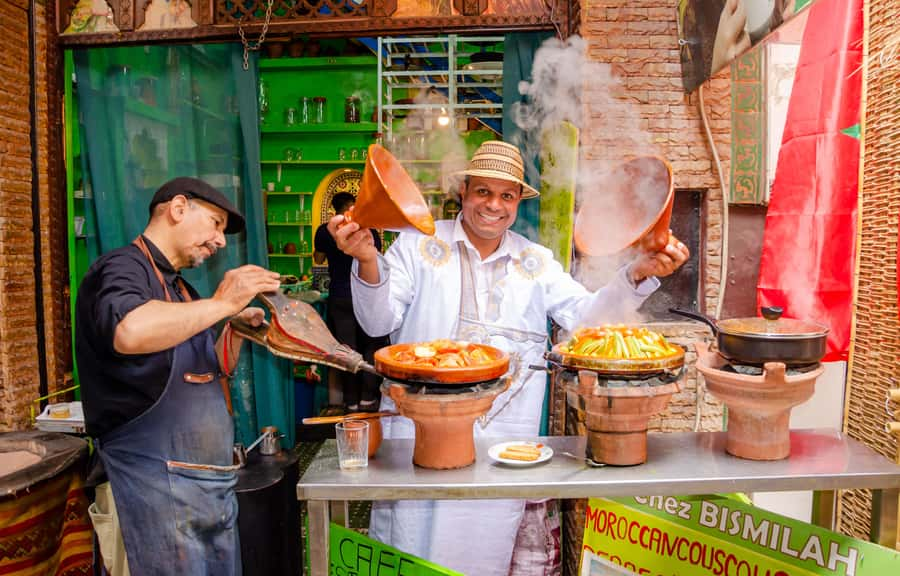
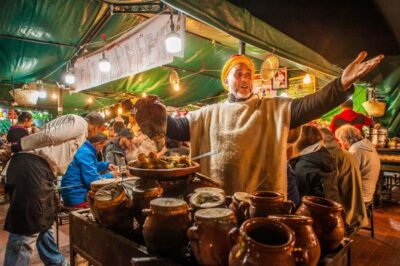
One of the more unusual stops is Lfarnatchi, a traditional wood-fired place. Here, a wood fire heats the hammam and cooks tanjia, a clay-pot Moroccan dish known for its smoky flavor.
This is a valuable cultural stop because the cooking method is part of the story. Tanjia is not simply another meat dish on a plate. The clay pot and wood fire help explain how Marrakech food developed through local cooking traditions and communal work.
The stop is a visit as well as a tasting. You get a chance to see a working food setting instead of moving from one prepared sample to the next. That change of pace helps, especially during a tour packed with dishes.
Tanjia can be rich and filling. If you prefer lighter food, pace yourself here. You can enjoy the taste without treating every serving as a full meal.
A few more Marrakech trips worth weighing up
- Authentic Moroccan Food Tour in Marrakech with Dinner
★ 5.0 · 1,423 reviews - From Marrakech: Zagora 2-Day Desert Safari with Food & Camp
★ 4.5 · 1,137 reviews - Marrakech: Jemma El Fnaa Food Tour with Dinner
★ 4.7 · 394 reviews - Marrakech: Authentic Moroccan Food Walking Tour & Dinner
★ 4.8 · 261 reviews
Moroccan barbecue and the more adventurous plate
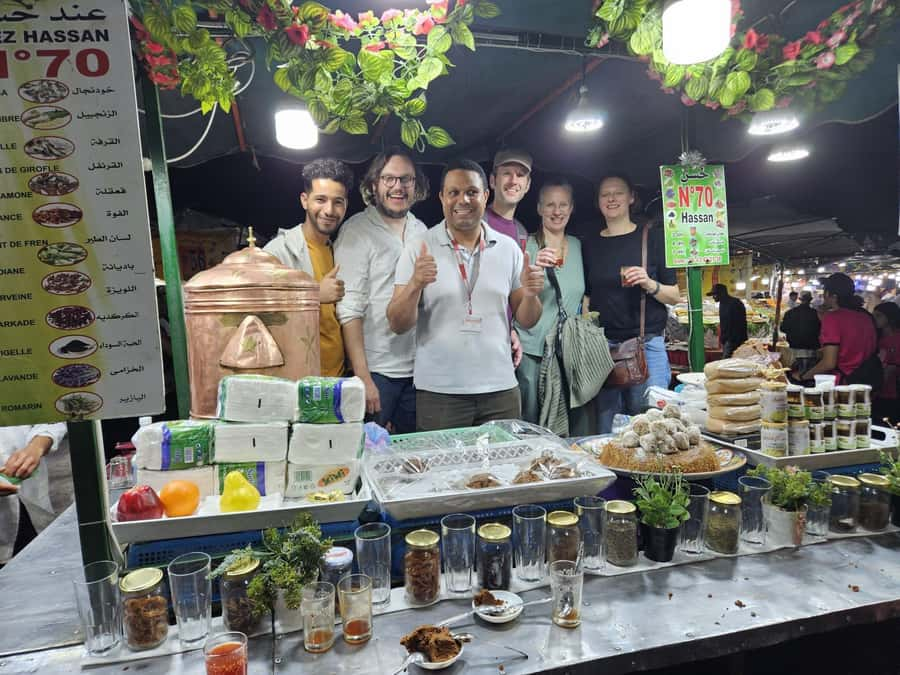
The barbecue stop brings beef, turkey, and liver. This gives you a chance to compare different meats prepared in a straightforward local style. The variety is useful if you want to sample Moroccan cooking but do not eat every type of meat.
Then comes Rass Lmbkher, steamed sheep’s head with cumin. This is the most adventurous item on the menu and the one most likely to divide the group. You are not required to pretend every dish is your favorite. Try a small amount if you are curious, and ask the guide what part is being served if you want to know before tasting.
For some people, this is exactly what makes the experience worthwhile. It takes you beyond familiar tagine and couscous and into food that has a stronger connection to local eating habits. For others, it may be a clear limit. The tour is a better fit if you are open to unusual textures and ingredients.
Vegetarian options are available, but the advertised tasting list includes several meat-based foods. If you are vegetarian, tell the provider in advance and confirm what substitutions can be offered. The supplied information does not specify the exact vegetarian menu.
Panache, orange juice, and khodnjal
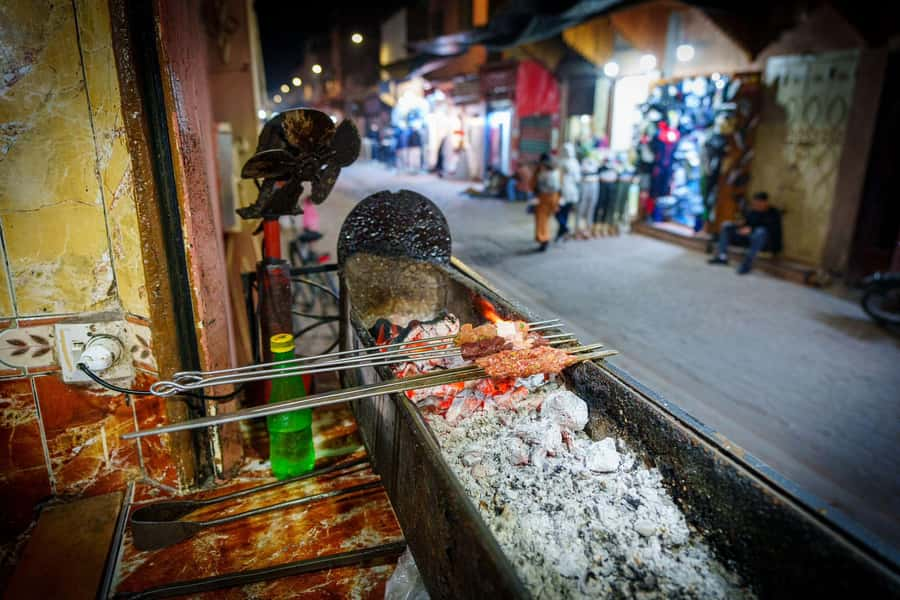
After the savory food, the drink stops provide a welcome reset. Panache is a fruit smoothie made with seasonal fruit and a milk or orange juice base. The taste and texture may change with the available fruit, which is part of the appeal of a seasonal drink.
You may also have orange juice. In Marrakech, fresh juice is a familiar part of the food scene, and it gives you something cool after walking through the Medina.
Khodnjal is a hot herbal infusion with eucalyptus. It is described as soothing and useful for clearing the senses and aiding digestion. This is a nice reminder that Moroccan food culture includes drinks for comfort and wellbeing, not only coffee, mint tea, and fruit juice.
Local sweets and tea are included as well. Since tea is part of daily social life in Morocco, this final portion helps shift the experience from eating to conversation. You can ask the guide about ingredients, customs, and the role of food in Moroccan homes.
Walking through the Mellah and Marrakech Medina
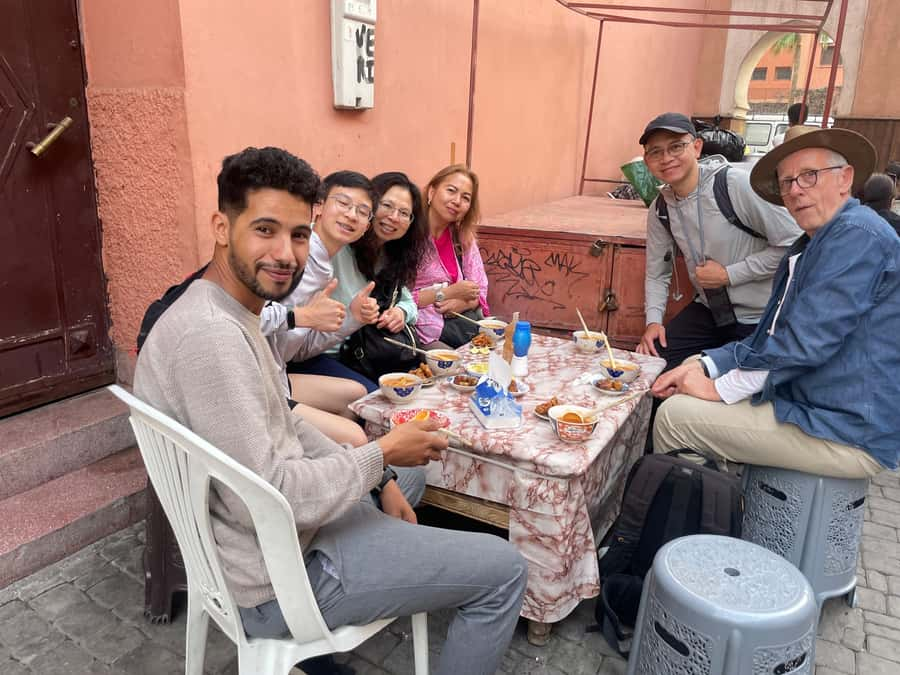
The food is the main attraction, but the route also moves through the Mellah and Medina. The Mellah is Marrakech’s historic Jewish quarter, while the Medina is the old city area filled with narrow lanes, shops, eateries, and working neighborhoods.
The itinerary includes a visit to the Mellah, a short stop in the Medina, and a longer guided walk lasting about two hours. You should think of this as a walking tour with food, not a series of restaurant reservations.
That distinction is important. The guide may take you through places you would not notice on your own, including local areas away from the most obvious tourist route. Recent bookings place high value on this side of the experience. The route helped people see neighborhoods they would otherwise have missed while learning about Moroccan culture.
The downside is that Medina walking can be tiring. The ground may be uneven, the lanes can be crowded, and there may be little chance to sit for long stretches. Wear comfortable shoes, use sunscreen, and bring a hat. A camera is welcome, but ask before photographing people, food workers, or private spaces.
What $45 buys you in Marrakech
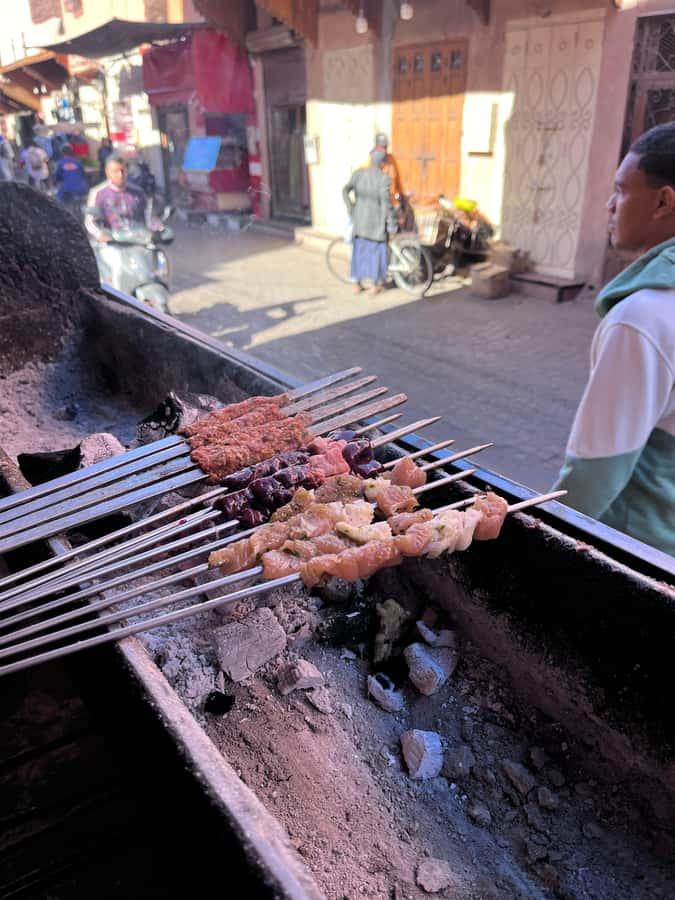
The price is $45 per person. That is not the cheapest way to eat in Marrakech, since street food on its own can cost much less. You are paying for more than the food: a personal guide, ten tastings, local sweets and tea, cultural explanation, and a small group.
I think the value is strongest if you are new to Marrakech or unsure where to eat. The guide reduces the time spent guessing, helps you try foods outside your comfort zone, and links each dish to the city around you. It can also function as a useful orientation walk during your first days in town.
The value is weaker if you already know the Medina well, speak French or Arabic, and feel comfortable choosing food stalls on your own. In that case, you might prefer to spend $45 across several independent meals.
Still, the food quantity makes the price easier to justify. This is close to a full afternoon meal, with several drinks and sweets included. Personal expenses and extra food outside the tasting menu are not included, so bring some cash or another payment method if you want to buy something additional.
Who will enjoy this food walk most
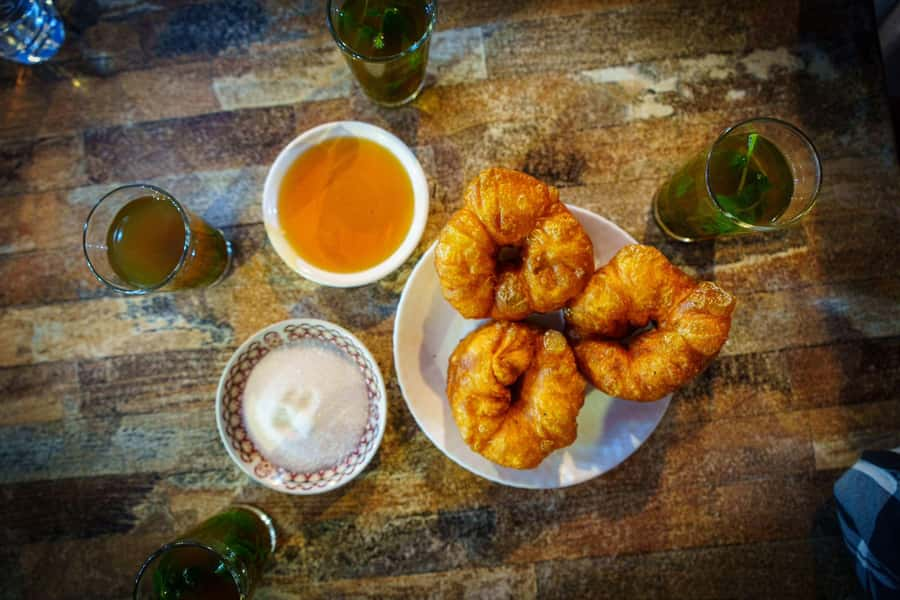
I would recommend this tour to people who enjoy trying unfamiliar dishes and want the food explained in context. It suits first-time visitors particularly well because the guide helps you get your bearings in the Medina while introducing local cooking.
It also works for couples, friends, and solo participants who like a social setting. With no more than eight people, the group should remain small enough for conversation without feeling like a large organized excursion.
You should think twice if you dislike walking, need a very predictable menu, or do not eat meat. Vegetarian choices are available, but much of the named menu is meat-based. People with food allergies should contact the provider before booking, since the available information does not list allergen controls.
There is conflicting information about wheelchair access. The activity details say it is wheelchair accessible, but the same information also says it is not suitable for wheelchair users. I would contact Marrakechtips before paying if you use a wheelchair or need step-free access.
Timing, comfort, and practical planning
The experience lasts 210 minutes, or three and a half hours. The description also calls it a three-hour culinary tour, while the listed route segments add up to roughly three hours and ten minutes before allowing for movement and food stops. Plan for the full 210 minutes rather than trying to fit another booking immediately afterward.
The walk starts and ends at Argana Cafe near Jemaa el-Fna. Transportation to the meeting point is not included, so you need to make your own way there and back. There is no hotel pickup listed.
Book with a light stomach, but do not skip water. Alcohol is not included, and alcohol and drugs are not allowed. If you need a break, tell the guide. A good food tour is paced as much as it is eaten.
Free cancellation is available up to 24 hours before the start time, and reserve-now, pay-later booking is offered. Starting times depend on availability, so check the schedule before planning your day around it.
Should you book the Marrakech food tasting tour?
I would book this if you want a guided introduction to Marrakech food and prefer local stalls and neighborhood stops over a formal restaurant meal. The combination of a small group, a long tasting list, and a guide who explains the culture gives you good value for $45.
I would skip it if you want a short, gentle snack walk or a strictly familiar menu. The tour is filling, involves a lot of walking, and includes adventurous dishes such as steamed sheep’s head.
For the best experience, arrive hungry, wear sturdy shoes, tell the guide about dietary needs, and keep an open mind. Mohammed has earned especially strong praise for making the route friendly and personal, but the real appeal is the chance to taste Marrakech with someone who can show you where the city eats.
FAQ
Where does the Marrakech food tour start?
It starts at Jemaa el-Fna Square, in front of Argana Cafe. The tour also ends back at Argana.
How long does the experience last?
The stated duration is 210 minutes, or three and a half hours. Starting times depend on availability.
What foods are included?
The tasting list includes msemen with tomato sauce, onion, coriander, and spices; harira soup; dates; chebakia; Makkla bel Kefta; sfenj; tanjia; Moroccan barbecue with beef, turkey, and liver; steamed sheep’s head with cumin; panache; orange juice; khodnjal; local sweets; and tea.
Are vegetarian options available?
Yes, vegetarian options are available. The exact substitutions are not specified, so tell Marrakechtips about your dietary needs before the tour.
What languages does the guide speak?
Live guides are available in English and French.
Is the tour wheelchair accessible?
The activity information gives conflicting details. It lists wheelchair access but also says the experience is not suitable for wheelchair users. Contact Marrakechtips before booking to confirm whether the route fits your needs.
Just added around Marrakech
- One Way – Marrakech Airport Private Taxi Transfers★ 4.5 · 17 reviews
- Majorelle Garden, YSL & Berber Museum: Exciting Round-Trip Tour★ 4.5 · 17 reviews
- Marrakech: Agafay Desert Buggy Tour with Transfer★ 4.4 · 17 reviews
- Ourika valley day trip★ 5.0 · 17 reviews
- Essaouira Day Trip from Marrakech★ 5.0 · 17 reviews
- From Marrakech: small group Day Trip To Essaouira Mogador★ 4.9 · 17 reviews
- Best Marrakech to Merzouga 3 D 2N Sahara Desert Tour Adventure★ 5.0 · 17 reviews
- From Marrakech: Ouzoud Waterfalls Full-Day Guided Tour★ 4.2 · 17 reviews
Food & Drink, compared.
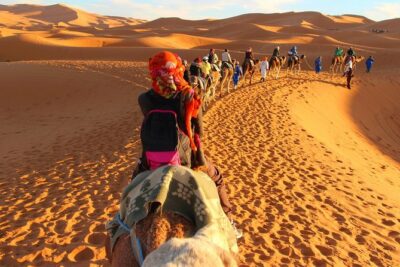
3-Day Tour to Merzouga Erg Chebbi with Food & Camel Trek
Read our review →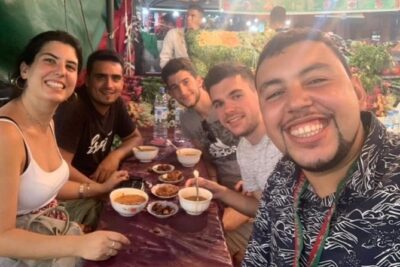
Authentic Moroccan Food Tour in Marrakech with Dinner
Read our review →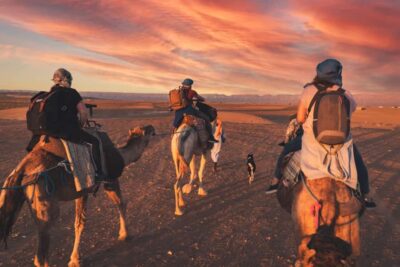
Browse the lists this tour appears in