
Reviewed · WORKSHOPS
Essaouira: Moroccan pastry workshop
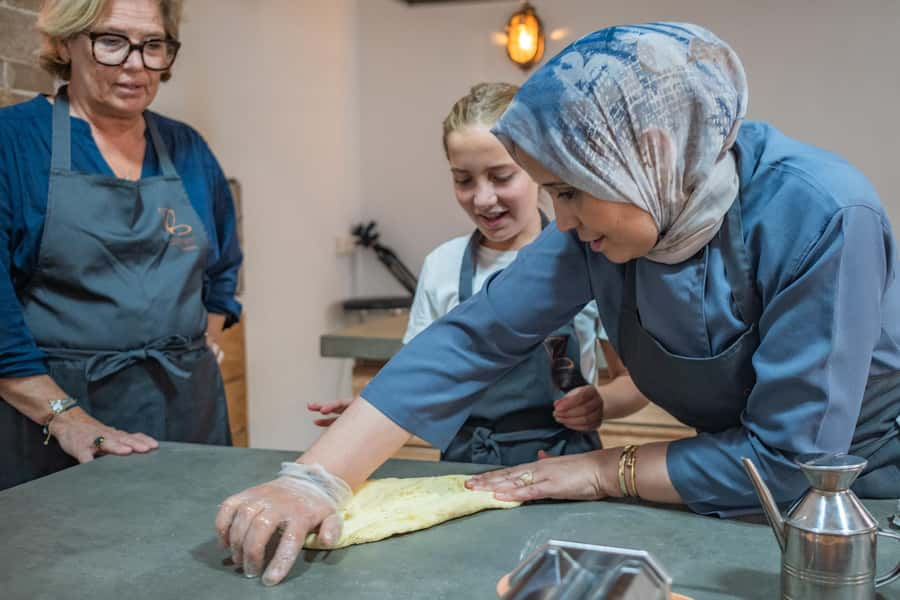
Moroccan sweets make a fine afternoon plan. This small-group class at l’Atelier Essaouira gives you hands-on practice with two traditional pastries, gazelle horns and cakes made with dried fruit and sesame seeds. I like the use of fresh local ingredients, and I like that you do not simply watch a demonstration: you prepare the pastries, taste them with mint tea, and take a box home.
The tea ceremony adds real cultural value, while instruction in English, French, and Arabic makes the class accessible to a wide range of visitors. The main consideration is timing: the class starts at 3:30 p.m., and hotel pickup is not included, so you must make your own way there and allow time to arrive.
In This Review
- Key details before you book
- What makes this Essaouira class worth your afternoon
- Arriving for the 3:30 p.m. start
- Preparing gazelle horns by hand
- Making dried-fruit and sesame cakes
- Learning the Moroccan mint tea ceremony
- A friendly class with language flexibility
- What you take home at the end
- Is 300 dirhams, or about $34, good value?
- Who will enjoy this most?
- Should you book the Essaouira pastry workshop?
- FAQ
- Where does the Moroccan pastry workshop take place?
- What time does the class start?
- How long does the workshop last?
- Which pastries will I make?
- Is mint tea included?
- Can I take pastries home?
- What languages are available?
- How many people can join the class?
- Is hotel pickup included?
Key details before you book
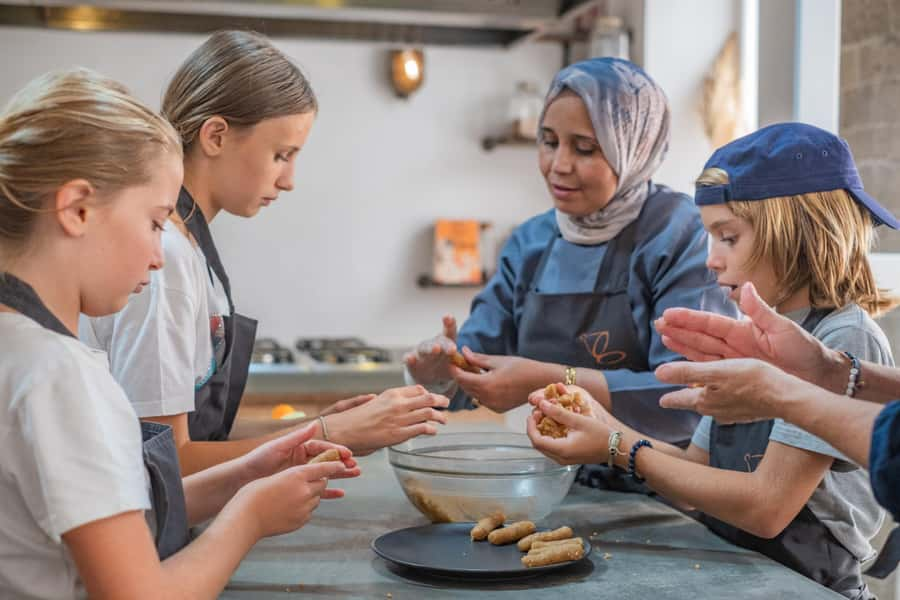
- Two traditional pastries: Prepare gazelle horns and cakes with dried fruit and sesame seeds.
- A proper tea ceremony: Learn how Moroccan mint tea is prepared, then share it while tasting your work.
- Small class size: The group is limited to nine participants, which allows room for questions and individual help.
- Take-home box: You leave with pastries you made during the class, giving you something to enjoy later.
- Three teaching languages: The instructors teach in Arabic, French, and English.
- A short, focused afternoon activity: The class begins at 3:30 p.m. and lasts about one hour and 45 minutes, or roughly two hours including the full experience.
What makes this Essaouira class worth your afternoon
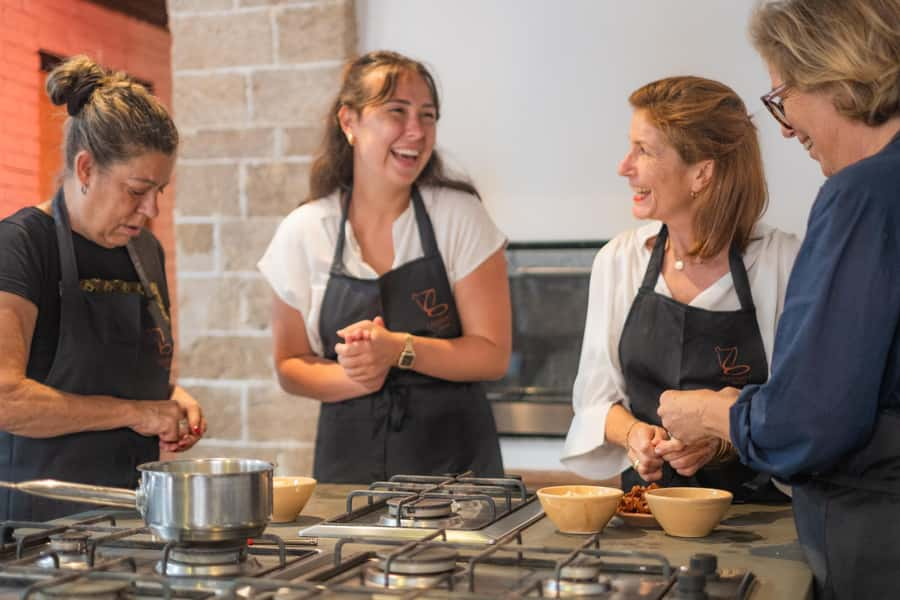
Pastry workshops can be hit or miss. Some leave you standing at the back while an instructor does all the work. This one is designed around participation, and that changes the feel of the afternoon.
You learn traditional methods rather than just assembling a pre-prepared dessert. The teaching team demonstrates the process, explains the ingredients, and lets you test your own understanding as you work. That approach suits curious beginners who want more than a quick food tasting.
I also like the scale of the class. With no more than nine people, the room should feel more personal than a large cooking demonstration. The feedback about the instructors is especially strong: the chef and activity host are described as kind, patient, and good at explaining each stage. One solo participant found the welcome from the two women leading the session particularly warm, while another described the workshop as energetic and well organized.
The class also offers a useful slice of Moroccan daily culture. Mint tea is not an afterthought here. You learn the ceremony and share the tea with the pastries you have prepared. That combination makes the experience feel connected to Moroccan hospitality, rather than simply a lesson in baking.
There is one practical limit. The class focuses on two recipes only, so you should not expect a full survey of Moroccan pastry. That narrow focus is helpful for learning, but less satisfying if you want to make a large range of sweets in one sitting.
More Essaouira Day Trips:
- From Marrakech: Essaouira & Atlantic Coast Full-Day Trip
★ 4.4 · 1,100 reviews - Essaouira: Surf Lessons
★ 4.9 · 412 reviews - Essaouira Sand Dunes: Half Day Quad Bike Tour
★ 5.0 · 313 reviews
Arriving for the 3:30 p.m. start
The official start time is 3:30 p.m. The session lasts approximately one hour and 45 minutes, although the activity is sold as a two-hour experience. In practical terms, plan on giving the workshop your late afternoon rather than trying to squeeze it between several tightly timed stops.
Hotel pickup is not included. You will need to arrange your own transport to l’Atelier Essaouira, so check the meeting instructions carefully when booking. The supplied information identifies the provider as l’Atelier Essaouira, but does not give a pickup service or transfer as part of the price.
The lack of transport is not a serious drawback if you are already in Essaouira and can reach the atelier easily. It matters more if you are staying outside town or planning to arrive directly from another activity. Leave enough time for navigation, especially because arriving late could mean missing the opening explanation and ingredient preparation.
The setting receives warm praise for being attractive and pleasant. That matters for a food class, since the atmosphere becomes part of the experience. You are not only measuring flour and shaping dough. You are spending a relaxed afternoon in a dedicated atelier with a team that seems to value conversation as much as the recipe.
Preparing gazelle horns by hand

The first pastry is gazelle horns, a classic Moroccan sweet known for its delicate pastry and almond-based filling. The available details do not specify the exact recipe proportions or every shaping technique, so you should think of this as a guided introduction rather than a professional baking course.
The important part is the method. You watch the preparation, learn how the ingredients are handled, and then take your own turn. The class uses fresh, local ingredients, which gives the lesson a direct connection to the food traditions of the region.
This is also where the small group works in your favor. A limited class of nine leaves space for the instructors to correct a shape, repeat an instruction, or answer a question. Several strong comments focus on the patience of the teaching team, which is useful if you are not comfortable with pastry work.
Do not worry if your first pastries look less polished than those made by the chef. That is part of the fun. The point is to understand the steps well enough to try the recipe again at home, not to produce bakery-window perfection on your first attempt.
The workshop does not say that participants receive printed recipes during the session. It does promise that all recipes can be found on the provider’s website once you return home. I would make a note of the website details before leaving, especially if you want to repeat the pastries soon.
Making dried-fruit and sesame cakes
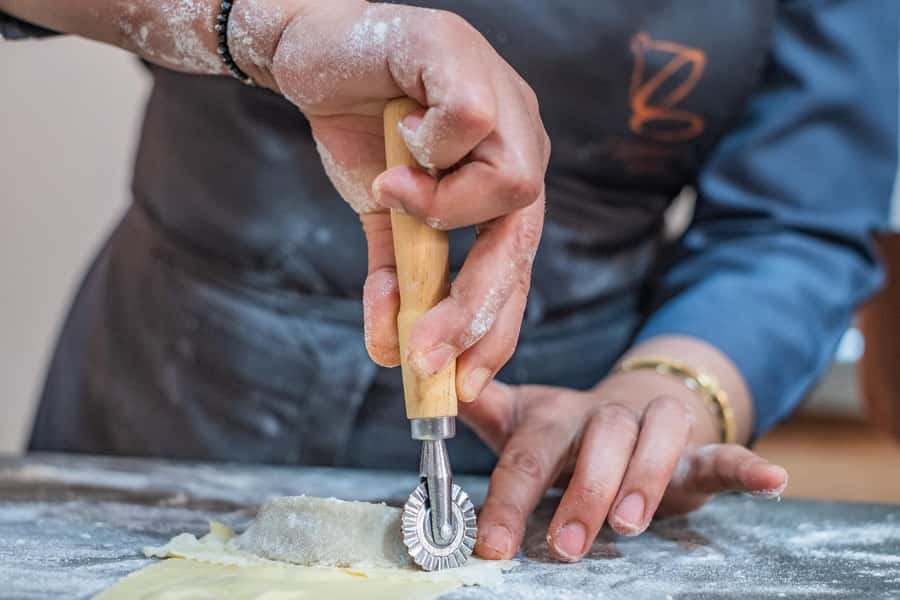
The second preparation is a cake made with dried fruit and sesame seeds. It gives the class a different texture and flavor from the gazelle horns, so you are not repeating the same pastry technique twice.
The use of dried fruit and sesame also highlights ingredients often associated with Moroccan sweets: sweetness balanced by seeds, fruit, and fragrant tea. The class does not provide a full ingredient list in advance, but it does make clear that fresh local ingredients are used.
The instructors explain the ingredients as you work. One particularly useful part of the teaching is the chance to test your understanding of what goes into each recipe. That makes the session feel more like a lesson than a simple activity where you copy hand movements without knowing why they matter.
This pastry may be the easier of the two for some beginners, but the class still gives you the chance to practice traditional preparation. You will likely appreciate having two different recipes to take home, especially since the final box contains the pastries you make during the workshop.
The result is meant to be eaten, not merely displayed. The pastries are tasted with mint tea at the end, then packed for you to continue enjoying later. One participant specifically liked having a box of cookies for the following days, which is a practical benefit you do not always get from short cooking classes.
A few more Essaouira trips worth weighing up
- Kitesurfing Lessons in Essaouira Beach
★ 5.0 · 206 reviews - Surf Lesson in Essaouira
★ 5.0 · 179 reviews - Group Kitesurfing lesson with a Local in Essaouira Morocco
★ 5.0 · 175 reviews - Surf Lesson with local surfer in Essaouira Morocco
★ 5.0 · 166 reviews
Learning the Moroccan mint tea ceremony
The tea portion gives the afternoon its cultural center. You are taught the Moroccan mint tea ceremony, then share the tea while tasting the pastries you have prepared.
The supplied information does not spell out every movement or tool used in the ceremony, so I would not book this expecting a full historical lecture or an advanced tea course. Instead, expect a practical introduction to how tea fits into Moroccan hospitality.
This is a strong match for visitors who enjoy food as a way to understand place. Mint tea is not just a drink added to the booking. It creates a natural moment to sit together, taste the results, and talk with the instructors and other participants.
The combination works well after the hands-on baking. You get a clear beginning, a practical middle, and a calm finish. First you learn, then you make, then you share. For an afternoon in Essaouira, that is a pleasant pace.
The tea is included as part of the pastry class. Any additional consumption at the Atelier café is not included, so you should expect to pay separately if you order anything beyond the workshop provisions.
A friendly class with language flexibility
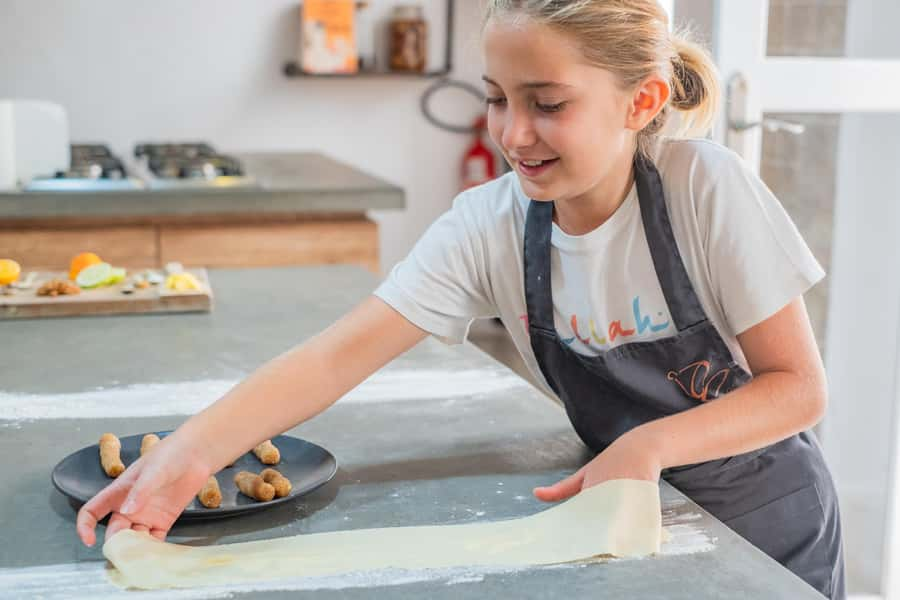
The workshop is taught in Arabic, French, and English. That is valuable in a class where small instructions matter. If you are shaping dough, handling fillings, or trying to follow a tea ceremony, being able to ask a question in a language you understand makes the experience less stressful.
The class has received consistent praise for its teaching style. The chef and activity host are described as exceptionally kind and patient, and the workshop itself as dynamic and well organized. Another participant enjoyed the easy interaction between the instructors and the people in the room.
That friendliness appears to be one of the main reasons this activity works. Food classes can become awkward when the instructor rushes or treats mistakes as a problem. Here, the teaching style is presented as encouraging, with demonstrations followed by your own attempt.
Because the group is capped at nine, you may also have more chance to talk with other people. One solo participant ended up in a very small session with the two women leading the class, creating a more personal afternoon. Group sizes can vary, but the nine-person limit keeps the activity from becoming a crowd.
The class is not suitable for children under eight. Older children may enjoy the food and practical work, but the age restriction means families with younger children should choose another activity or arrange separate plans.
What you take home at the end
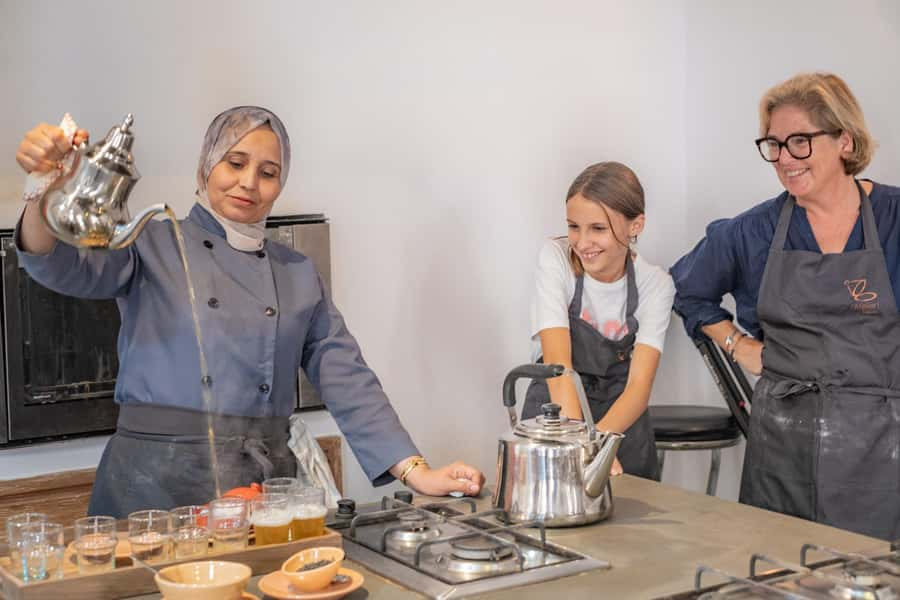
The take-home box is more than a small extra. It gives you a reminder of the technique and lets you taste the pastries again after the class, when you are no longer focused on instructions.
The box contains the cakes made during the session. Exact quantities are not given, so do not treat it as a large food gift or a replacement for a meal. Think of it as a generous finish to a hands-on activity and a chance to share the results later.
I find this especially useful for anyone who wants to recreate the recipes. You can compare the pastries you made with the method on the website, then try again at home with a clearer idea of the texture and shape you are aiming for.
The box also helps justify the price. You receive instruction, tea, tasting, practical participation, and food to take away. A basic sightseeing stop may cost less, but it will not give you the same skill or keepsake.
Is 300 dirhams, or about $34, good value?
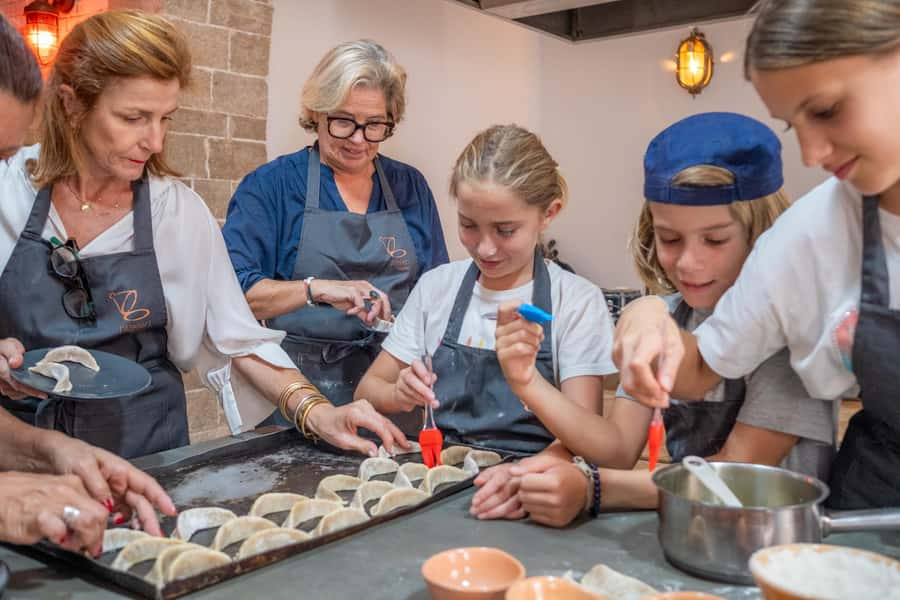
The listed price is 300 Moroccan dirhams per person, shown as about $34. That places the class above a simple café visit, but the price covers more than a snack.
You are paying for a small-group lesson, two recipes, fresh local ingredients, the tea ceremony, tasting, and a box of your finished pastries. The instruction is also available in three languages, which adds value if you need clear help during the practical work.
I would call it good value for people who enjoy active food experiences. You take part rather than simply watching, and the class gives you recipes you can find again online after your trip.
The value is less clear if you mainly want to eat Moroccan sweets. In that case, a pastry shop or café will be cheaper and faster. You also need to cover your own transport to the atelier and any extra café consumption, so include those costs in your plan.
The ability to reserve now and pay later helps if your Essaouira schedule is still shifting. Free cancellation is available up to 24 hours before the activity for a full refund. Those terms give you some flexibility, but you still need to check the final booking conditions at the time you reserve.
Who will enjoy this most?
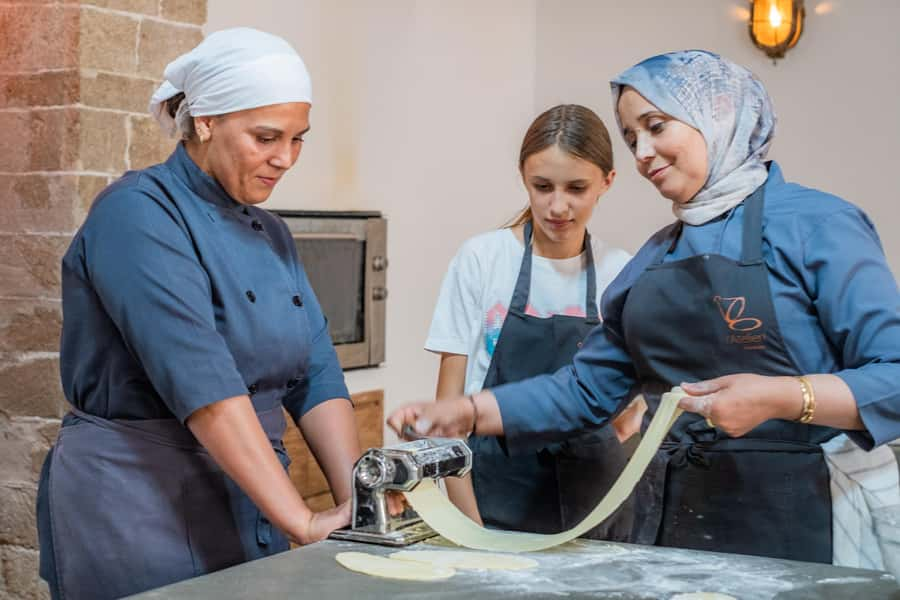
I would recommend the class to food-focused visitors, curious beginners, couples, solo visitors, and small groups of friends. It is also a good choice for anyone looking for a calmer afternoon activity with a clear cultural connection.
You do not need advanced baking skills. The teaching is built around demonstrations, explanations, and patient guidance, so beginners should feel comfortable joining.
The class is especially suitable if you want something personal but not overly formal. The small group, multilingual instruction, and shared tea create plenty of room for friendly exchange without requiring you to commit to a full-day cooking course.
Families should check the age rule first. Children under eight cannot take part, and the class may be better for older children who can follow instructions and stay engaged for nearly two hours.
I would skip it if your schedule is too tight to reach the workshop by 3:30 p.m., if you dislike structured food preparation, or if you want a long list of recipes. The focus is deliberately narrow: two pastries and one tea ceremony.
Should you book the Essaouira pastry workshop?
Book it if you want to learn by doing and prefer a small, friendly class to a quick food tasting. The strongest reasons are the patient instruction, the chance to make gazelle horns and dried-fruit sesame cakes yourself, and the final tea ceremony with a box of pastries to take away.
The class is also a smart choice for a late afternoon in Essaouira, provided you can reach l’Atelier on your own and do not mind paying separately for any extra café items. At 300 dirhams, or about $34, it offers solid value for a two-hour activity with ingredients, teaching, tasting, and a take-home result.
Skip it only if you want a much broader Moroccan cooking course or have children under eight. For everyone else, this is a focused, warm introduction to Moroccan pastry and hospitality.
FAQ
Where does the Moroccan pastry workshop take place?
The workshop takes place at l’Atelier Essaouira in Essaouira, Morocco.
What time does the class start?
The class starts at 3:30 p.m.
How long does the workshop last?
The practical class lasts approximately one hour and 45 minutes. The activity is described as lasting about two hours.
Which pastries will I make?
You will make two types of Moroccan pastries: gazelle horns and cakes with dried fruit and sesame seeds.
Is mint tea included?
Yes. The workshop includes instruction in the Moroccan mint tea ceremony and tea shared while tasting the pastries you make.
Can I take pastries home?
Yes. You leave with a box of the cakes prepared during the workshop.
What languages are available?
Instruction is available in Arabic, French, and English.
How many people can join the class?
The group is limited to nine participants.
Is hotel pickup included?
No. Pickup from your hotel is not included, and additional consumption at the Atelier café is also not included.
Just added around Essaouira
- Essaouira: Private Transfer from or to Essaouira Airport★ 5.0 · 17 reviews
- Berber Cooking Class at a Farm in the Countryside & shopping at a rural Souk.★ 5.0 · 18 reviews
- Essaouira: 1/2 Day Camel ride with meal.★ 5.0 · 19 reviews
- Essaouira: 1 Hour Dromedary + 2 Hours Quad★ 5.0 · 19 reviews
- 3 Hours Quad Trip in Essaouira discover the Cave and the biggest Dunes★ 5.0 · 19 reviews
- From Essaouira: 1-Hour Horse Ride with sunset★ 4.6 · 19 reviews
- Essaouira: 3-Hour Camel Tour★ 5.0 · 20 reviews
- Essaouira: 2-hour kitesurfing lesson (all levels)★ 5.0 · 20 reviews
Workshops, compared.
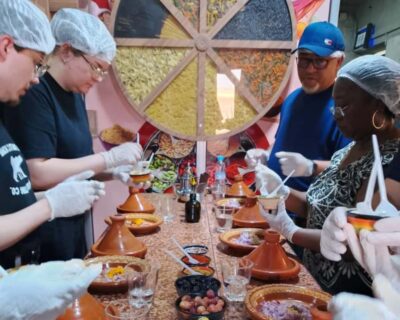
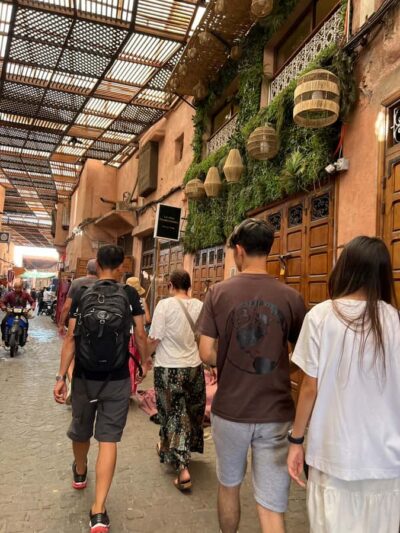
Traditional Moroccan Cooking Class & Market Visit
Read our review →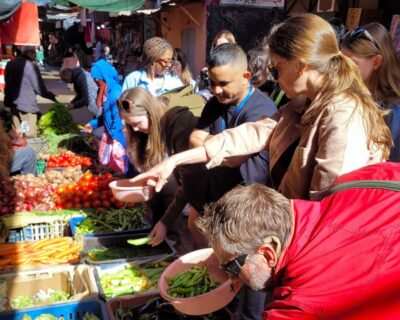
Moroccan Dishes Cooking Class with a Local Chef
Read our review →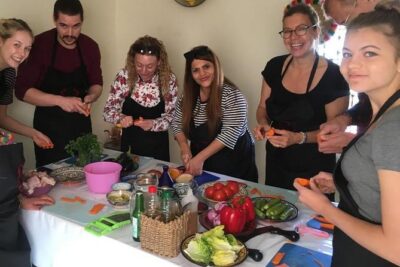
Moroccan Cooking Class & Marrakech Market Visit with Chef Khmisa
Read our review →
Half-Day Cooking Class with Local Chef Laila in Marrakech
Read our review →
Browse the lists this tour appears in