
Reviewed · COOKING CLASSES
cooking classe
Food tells the story best. This Marrakech cooking class takes you into a local home, where you learn to prepare Moroccan dishes, share a meal, and pick up practical recipes for your own kitchen. I like the choice between tagine, couscous, and pastilla, and I like that dessert and other Moroccan foods are part of the wider lesson rather than an afterthought. The group size is capped at 10, which should make the class more personal.
The main consideration is that the exact menu and cooking details may vary. You choose one principal dish, not all three, so anyone hoping to master tagine, couscous, and pastilla in one morning may leave wanting another lesson. At about $40.65 per person, though, the four-hour format, shared meal, recipe card, and local setting make this a strong value for food-minded visitors.
In This Review
- Key points to know before booking
- Starting at 10:00 a.m. in Marrakech
- Entering a local home instead of a restaurant
- Choosing between tagine, couscous, and pastilla
- From main course to Moroccan sweets
- Why the small group matters
- The recipe card makes the class useful after Morocco
- What the $40.65 price really covers
- What the strong ratings tell you
- Who should book this Marrakech class?
- Should you book this cooking class?
- FAQ
- How long does the Marrakech cooking class last?
- What time does the experience begin?
- Which main dishes can I choose to prepare?
- Do I eat the food I prepare?
- Is a recipe included?
- Which languages are available?
- What is the cancellation policy?
Key points to know before booking
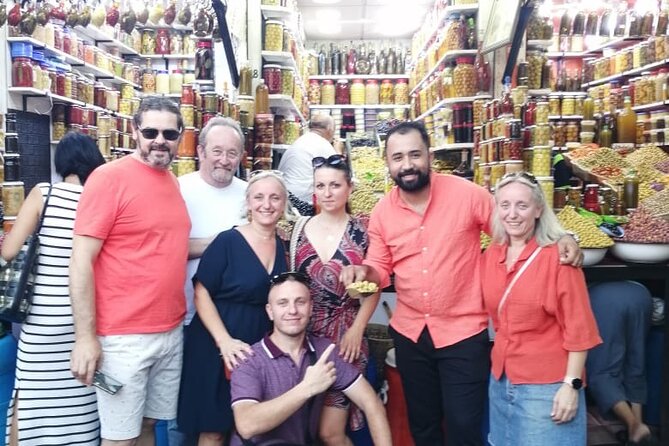
- Choose your main dish: Prepare tagine, couscous, or pastilla, then eat what you make with the group.
- Cook in a local home: The setting gives the lesson a more personal feel than a standard restaurant kitchen.
- Plan on four hours: The class begins at 10:00 a.m. and includes cooking, food, and time for conversation.
- Small maximum group: No more than 10 people can join, a useful limit for questions and hands-on help.
- Recipes go home with you: An easy recipe card helps you repeat the dish after returning home.
- Several languages are offered: Classes are available in Arabic, French, English, and Spanish.
Starting at 10:00 a.m. in Marrakech
The class begins at 10:00 a.m. and lasts about four hours. That timing matters in Marrakech. You get an early start, but not an exhausting dawn departure, and the lesson occupies a useful half-day without taking over your whole sightseeing schedule.
Pickup is offered, though the available information does not specify the exact pickup zone or whether every booking includes door-to-door transport. Confirm that detail when you reserve. If you make your own way there, the meeting instructions should be checked carefully because the class takes place in a local home rather than a clearly advertised public attraction.
You receive booking confirmation at the time of purchase. The activity is near public transportation, and service animals are allowed. Most people can participate, but the cooking format may require standing, handling ingredients, and moving around a working kitchen. If you have mobility or dietary needs, ask the provider before booking because no special dietary arrangements are described.
More Cooking Classes in Marrakech
- Marrakech: Moroccan Cooking Class with Pickup
★ 4.6 · 1,862 reviews - Marrakech: Traditional Moroccan Cooking Class & Market Visit
★ 4.8 · 1,861 reviews - Marrakesh: Moroccan Dishes Cooking Class with a Local Chef
★ 5.0 · 1,615 reviews
Entering a local home instead of a restaurant
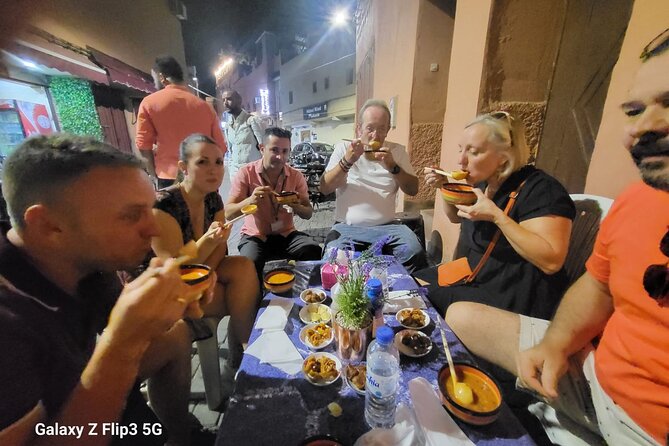
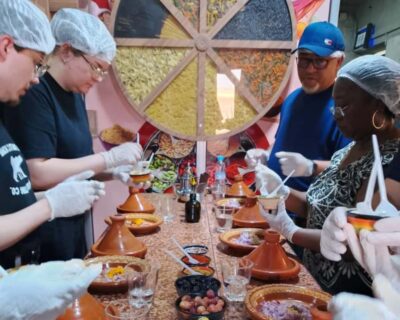
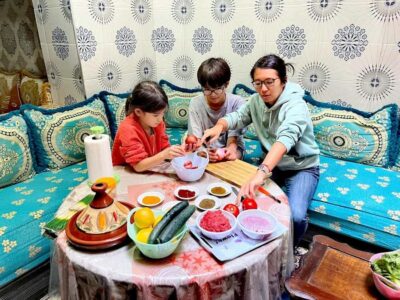
The setting is one of the best reasons to choose this experience. A local home changes the tone of the morning. You are not simply watching a chef demonstrate a dish in a commercial kitchen. You are sharing stories and learning household cooking tips tied to everyday Moroccan food.
That kind of setting can make the meal feel more connected to local life. Moroccan cooking is built around habits passed from one cook to another: how ingredients are prepared, when spices are added, and how a dish is allowed to develop. The class promises age-old cooking tips, but the useful part for you is practical rather than theatrical. You get a chance to see how food is handled in a home setting and ask questions as the meal comes together.
The tradeoff is predictability. A restaurant school may offer a fixed menu, polished workstations, and a highly uniform schedule. A home-based class can feel more relaxed and personal, but the flow may depend on the host, the group, and the chosen dish. I would choose this setting if you value contact with local life over a highly staged demonstration.
Choosing between tagine, couscous, and pastilla
Your main decision is the dish. You can choose tagine, couscous, or pastilla, three foods that show different sides of Moroccan cooking.
Tagine is the familiar choice for many first-time visitors. The name refers both to the dish and the cone-shaped cooking vessel traditionally used to prepare it. A tagine lesson is a good fit if you want a slow-cooked main course that is practical to repeat at home. It also gives you a direct link to one of Morocco’s best-known meals.
Couscous offers a different lesson. It is a central part of Moroccan food culture and can introduce you to the preparation of grains, vegetables, and accompanying flavors. Choose couscous if you want a meal that feels central to the country’s home cooking and that can be adapted for family meals.
Pastilla is the more distinctive option. It is a layered pastry dish with a combination of savory and sweet notes. Pick it if you want to learn something less familiar than the standard tagine found on many restaurant menus. Because the class lasts four hours, the schedule allows time for a dish that requires more than a quick assembly, though the exact method is not specified.
The provided details do not say how far in advance you choose your dish or what fillings are used. If one option matters to you, confirm its availability before the class. The menu may also depend on the season or the cooking group.
From main course to Moroccan sweets
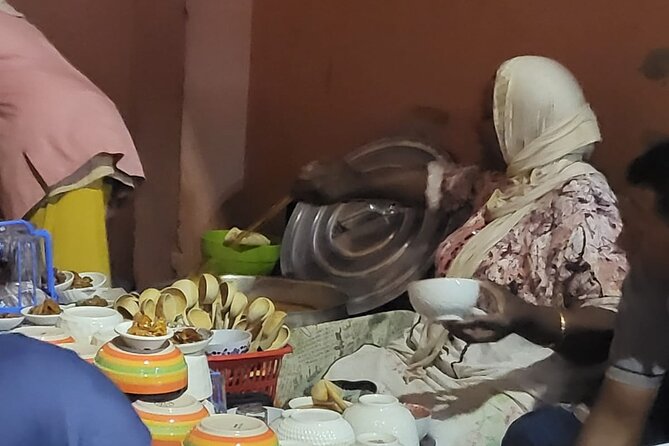
The class is not limited to one plate. The experience includes authentic Moroccan food from main meals through dessert, along with other dishes that may be introduced during the session. That broader range is important because Moroccan food is not defined by one recipe.
You may learn how a meal is built rather than simply how one dish is cooked. A main course, side preparation, pastry, and dessert can show how sweet spices, fresh ingredients, and contrasting textures work together. The exact dessert is not provided, so you should treat it as part of the experience rather than booking for one specific sweet.
Once the cooking is done, you eat your creations with the rest of the group. That shared meal gives the morning a clear payoff. You are not rushing away after a demonstration, and you can taste the result while the cooking steps are still fresh in your mind.
A food-focused class is often most useful when you eat what you prepare. You can notice how the finished dish differs from a restaurant version and decide which techniques are worth repeating at home. The meal also gives you time to talk with the host and fellow participants, though the amount of conversation will depend on the group.
More Cooking Classes:
- Moroccan Cooking Class & Marrakech Market Visit with Chef Khmisa
★ 5.0 · 1,504 reviews - Half-Day Cooking Class with Local Chef Laila in Marrakech
★ 5.0 · 952 reviews - Marrakech: Moroccan Cooking Class with a Local Family
★ 4.9 · 668 reviews - Marrakech: Moroccan Cuisine Cooking Class in Local Home
★ 4.8 · 508 reviews
Why the small group matters
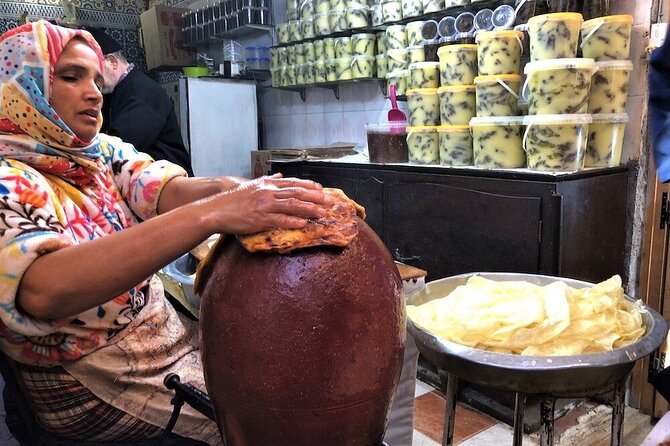
The class allows a maximum of 10 people. That is small enough to make a real difference in a kitchen. You have a better chance to see the preparation, ask about unfamiliar ingredients, and receive help with each step than you would in a large demonstration.
Small does not mean private. You will still share the experience with other people, and the level of personal attention can vary. A full group of 10 may feel less intimate than a booking with only a few participants. Still, the cap is a useful safeguard against the class becoming a crowded show.
Language should be another easy point. Classes are available in Arabic, French, English, and Spanish. Choose the language you understand best when booking, and confirm that your preferred option is offered on your date. Clear instructions matter in cooking, especially when timing and preparation methods are involved.
One named guide connected with the food experiences is Mehdi. Direct feedback about him describes a professional and generous host who explained the food carefully. One particularly practical detail was that he bought water and tea when requested. That suggests a considerate approach, though guide assignments can change, so I would not assume Mehdi will lead every session unless the provider confirms it.
The recipe card makes the class useful after Morocco
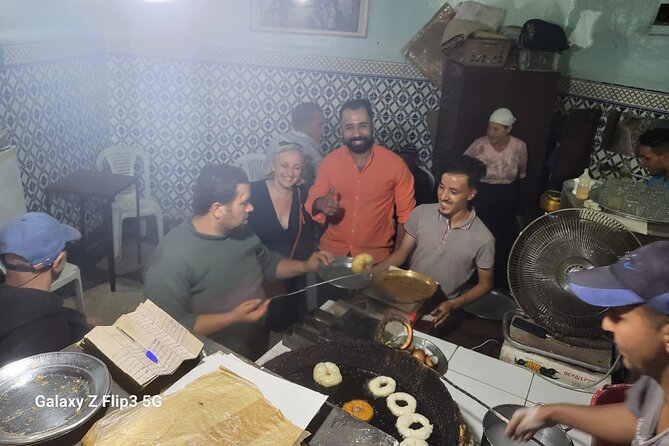
Many cooking classes are enjoyable for a morning and then vanish from memory. The recipe card gives this one more lasting value. You can take the instructions home and try the dish again for friends or family.
The card is described as easy to use, which is important. Moroccan food can seem difficult to recreate if you return home without clear quantities, steps, or cooking times. A simple written guide gives you a better chance of repeating the meal instead of relying on vague memories of spices and gestures.
Still, the card cannot replace every local ingredient or cooking vessel. You may need to adapt the recipe to what is available at home. That is not a flaw. It is part of the fun, and the class can help you understand which parts of the dish are essential and which can be adjusted.
If you are choosing between a sightseeing activity and a cooking lesson, the recipe card tips the value toward the class. You receive an experience in Marrakech, a meal, and a practical souvenir that does not take up much space in your luggage.
What the $40.65 price really covers
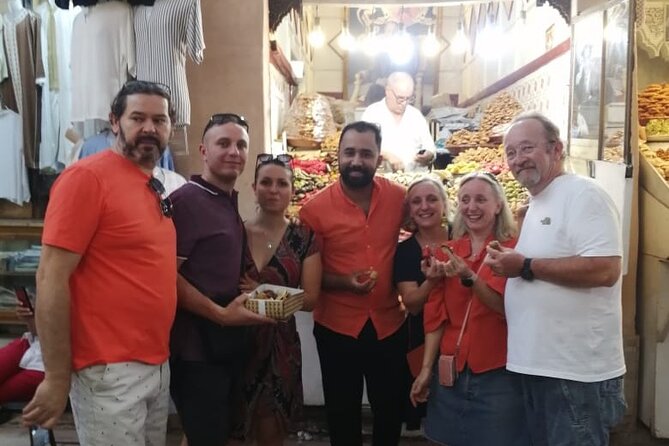
At about $40.65 per person, this is priced as an accessible half-day activity rather than a luxury culinary workshop. You are paying for roughly four hours, instruction in a local home, ingredients, the food you prepare, a shared meal, and a recipe card. Pickup is offered, though the cost and coverage of that service should be confirmed.
That is fair value if you enjoy food and want more than a restaurant meal. A cooking class can replace one ordinary lunch while giving you a story and a skill to take home. The value is strongest for couples, solo visitors, and small groups who want a cultural activity with a clear edible result.
It may be less appealing if you are looking for advanced culinary training, a private class, or a guaranteed menu. The description does not promise professional certification, market shopping, a private booking, or detailed instruction in all three main dishes. You are buying a friendly introduction to Moroccan home cooking, not a full culinary school course.
The activity is booked, on average, six days in advance. That is not a hard booking deadline, but it tells you not to leave it until the last minute if your schedule is tight. The class has a maximum of 10 people and requires a minimum number to operate, so availability can matter.
What the strong ratings tell you
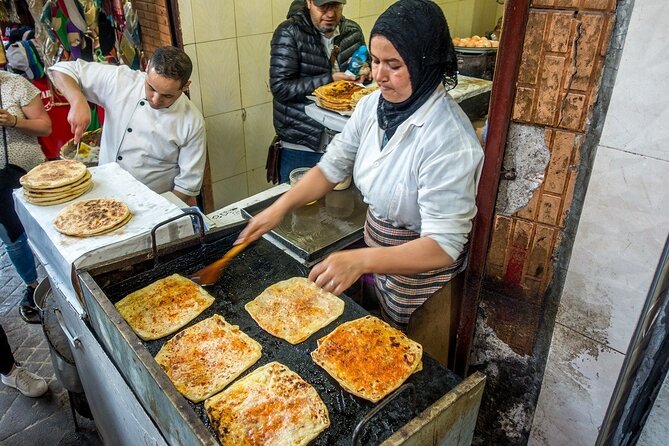
The experience has a 4.9 rating from 19 reviews, with 100 percent recommendation shown in the supplied details. That is a small sample, but the praise is notably consistent.
The most valued qualities are the food, the guide’s explanations, and the sense of discovering Moroccan cooking beyond one famous dish. Direct comments praise the quality of the meal and describe learning about couscous, tagines, pastries, and other Moroccan foods. The tone is less about flashy presentation and more about eating well and understanding what is on the table.
That makes the class a good choice for anyone who treats food as a main part of a trip. One comment describes the guide as professional and says the group tried many kinds of food that would have been hard to find independently. Another praises the guide for his generosity with water and tea. These details point to a host who pays attention to comfort as well as instruction.
The praise does not erase the practical limits. There are only 19 ratings, and the exact menu, home location, and guide for your date are not fully detailed. I would trust the high score as a positive sign, not as a promise that every class will feel identical.
Who should book this Marrakech class?
I would recommend it to you if you enjoy eating local food, like learning by doing, and want a four-hour activity with a relaxed cultural focus. It suits first-time visitors who want context for Moroccan dishes before ordering them elsewhere in the city.
It is also a good fit for families and mixed-age groups, provided everyone can take part in a kitchen setting. The small maximum group and several language choices make it easier for different people to follow along.
Solo visitors can benefit from the shared meal and group format. You are not left with a cooking lesson that ends at the stove. The meal creates a natural chance to talk, although the class is not advertised as a social event.
I would think twice if you need a fixed menu, have strict dietary requirements, or want to learn every major Moroccan dish in one morning. The available information does not confirm substitutions, allergies, or special menus. Ask before paying if those details affect your decision.
Cancellation is free up to 24 hours before the local start time for a full refund. Cancellations or changes made within 24 hours are not refunded or accepted. If the minimum number is not reached and the class is canceled, you will be offered another date or experience, or a full refund.
Should you book this cooking class?
Book it if you want a personal, food-centered morning rather than another sightseeing stop. The best reasons are the local home setting, the choice of three main dishes, the shared meal, and the recipe card you can use after Morocco.
I would choose tagine for the most familiar introduction, couscous for a classic Moroccan staple, and pastilla for the most unusual option. Confirm the menu, pickup area, language, and dietary arrangements before booking. At $40.65, this is a sensible buy for curious eaters who want to bring home more than a spice box and a few restaurant memories.
FAQ
How long does the Marrakech cooking class last?
The class lasts approximately four hours.
What time does the experience begin?
The stated start time is 10:00 a.m.
Which main dishes can I choose to prepare?
You can choose tagine, couscous, or pastilla as your main dish.
Do I eat the food I prepare?
Yes. After cooking, you eat your creations with the rest of the group.
Is a recipe included?
Yes. The class includes an easy-to-use recipe card so you can prepare the dish at home.
Which languages are available?
Classes are available in Arabic, French, English, and Spanish.
What is the cancellation policy?
You can cancel at least 24 hours before the experience starts for a full refund. Cancellations or changes made less than 24 hours before the start time are not accepted and are not refunded.
Just added around Marrakech
- One Way – Marrakech Airport Private Taxi Transfers★ 4.5 · 17 reviews
- Majorelle Garden, YSL & Berber Museum: Exciting Round-Trip Tour★ 4.5 · 17 reviews
- Marrakech: Agafay Desert Buggy Tour with Transfer★ 4.4 · 17 reviews
- Ourika valley day trip★ 5.0 · 17 reviews
- From Marrakech: small group Day Trip To Essaouira Mogador★ 4.9 · 17 reviews
- Essaouira Day Trip from Marrakech★ 5.0 · 17 reviews
- From Marrakech: Ouzoud Waterfalls Full-Day Guided Tour★ 4.2 · 17 reviews
- Best Marrakech to Merzouga 3 D 2N Sahara Desert Tour Adventure★ 5.0 · 17 reviews
Cooking Classes, compared.
Traditional Moroccan Cooking Class & Market Visit
Read our review →
Moroccan Dishes Cooking Class with a Local Chef
Read our review →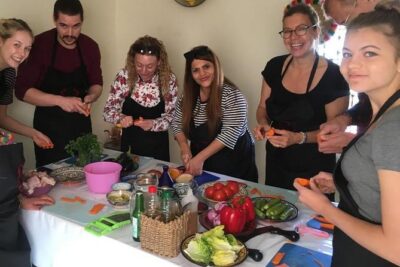
Moroccan Cooking Class & Marrakech Market Visit with Chef Khmisa
Read our review →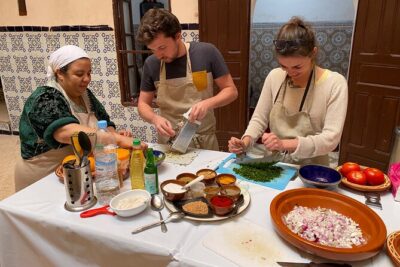
Half-Day Cooking Class with Local Chef Laila in Marrakech
Read our review →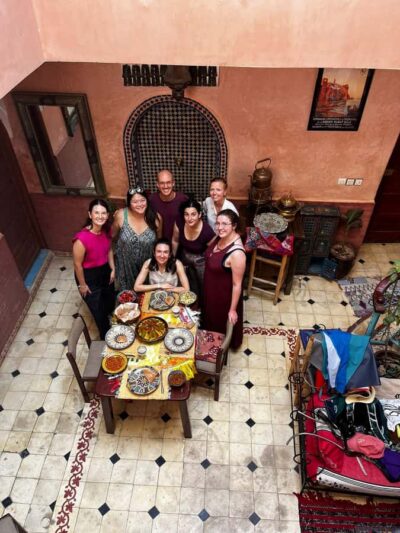
Browse the lists this tour appears in