
Reviewed · COOKING CLASSES
cooking class with local family from Tangier
Come hungry, leave with a recipe book in your head. This Tangier cooking class takes you into the home of Anwar and his family, where Moroccan food is taught through shopping, preparation, conversation, and a shared meal. I like the personal welcome from Anwar and Latifa, and I like that the menu can be adjusted to suit your tastes, including vegetarian needs. The main point to consider is that this is a home visit, not a polished restaurant school, so expect a warm, informal setting rather than a professional teaching kitchen.
The experience runs about three to four hours and costs $76.66 per person. Market shopping and Moroccan tea add cultural value beyond the cooking itself, while the chance to eat what you prepare makes the class feel useful as well as enjoyable. Pickup is offered, but you should confirm the meeting details and transport plan before setting out.
In This Review
- Key points to know before booking
- Why this Tangier cooking class feels different
- Starting in the souk with a shopping basket
- Cooking tagine in a Moroccan family home
- Couscous, breakfast, and Moroccan tea
- A meal shaped around your preferences
- The human side of the visit
- Price, timing, and practical value
- Who will enjoy it most
- Should you book the Tangier family cooking class?
- FAQ
- Where does the cooking class take place?
- How long does the experience last?
- How much does the class cost?
- Is pickup available?
- Is this a private activity?
- Can vegetarians take part?
- What food might I learn to prepare?
- Is a market visit included?
- Is the activity suitable for most people?
- What is the cancellation policy?
Key points to know before booking
- You may shop for ingredients in a local souk before cooking, giving the class a direct connection to daily life in Tangier.
- Anwar, Latifa, and their family host you at home, creating a more personal setting than a standard commercial cooking lesson.
- Tagine and couscous are central highlights, with several types of tagine possible and useful home-cooking methods explained.
- Vegetarian preferences can be accommodated, and the menu may be shaped around what you want to eat or learn.
- Moroccan tea and a traditional breakfast may be included, depending on the timing and shape of your visit.
- The class lasts roughly four hours, costs $76.66 per person, and is advertised as a private activity for your group.
Why this Tangier cooking class feels different

Tangier has plenty of places to eat Moroccan food. What you cannot get from a restaurant table is the path from market ingredients to a family meal.
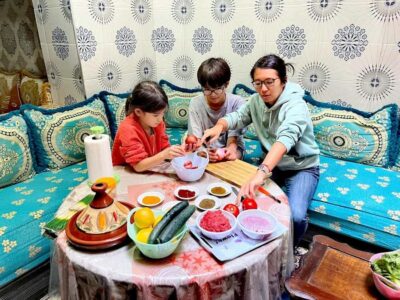
That is the real appeal here. You are not simply shown a finished tagine and handed a recipe. You may begin by walking through a local market with Anwar and Latifa, discussing ingredients and choosing what will go into the meal. Then you return to the family home, prepare the food, and sit down to eat it.
I especially like that this activity connects cooking with ordinary Moroccan life. The class is not presented as a stage performance. It takes place in a real home, with family members involved and space for conversation about food, customs, and life in Tangier.
The welcome is another strong point. Anwar is repeatedly described as attentive, kind, and thoughtful, while Latifa helps with the cooking and teaching. That warmth matters because a home visit can feel awkward if the host is distant or the lesson is too formal. Here, the tone appears relaxed and generous.
The class also seems flexible. You might be able to choose between different dishes or explain what you want to learn. Vegetarian cooking can be arranged, and the meal can be tailored to personal preferences. Tell the host your needs in advance rather than assuming the menu can be changed at the last minute.
A few more Tangier trips worth weighing up
- Tangier Food Cooking Class and Private City Tour
★ 5.0 · 73 reviews - Tangier Private Cooking Class With a Local Family
★ 4.5 · 49 reviews - Marrakech: Moroccan Cooking Class with Pickup
★ 4.6 · 1,862 reviews
Starting in the souk with a shopping basket
The market visit is one of the most useful parts of the experience. Moroccan cooking depends on a close relationship between ingredients, season, scent, and texture. Seeing the food before it reaches the kitchen helps you understand the meal in a way a recipe alone cannot.
Anwar and Latifa can guide you through the shopping, helping you recognize the items used in Moroccan home cooking. You might discuss vegetables, herbs, spices, or the ingredients needed for tagine and couscous. The supplied details do not promise a fixed shopping list, so the exact route and products may change with the chosen menu.
This stop also gives you a look at local routines. Instead of passing through a souk only as a sightseeing stop, you have a reason to pay attention to what people buy and how meals begin. You can ask questions as you go, and the market becomes part of the lesson.
There is a practical advantage, too. If you want to recreate the dishes at home, knowing how the ingredients were selected is valuable. A cooking class that starts with a market visit teaches more than chopping and timing. It shows you how the cook thinks about the meal.
The only caution is that market conditions can be busy and informal. Keep your plans flexible, and wear comfortable shoes. The class is rated easy, but the shopping portion may involve walking near public streets and market stalls. Pickup is offered, though you should confirm exactly where the activity begins.
Cooking tagine in a Moroccan family home
Tagine is the dish most closely associated with this class, and several types may be prepared. The cooking method is simple in appearance but depends on careful seasoning, slow preparation, and a good balance between the main ingredient and the accompanying vegetables or sauce.
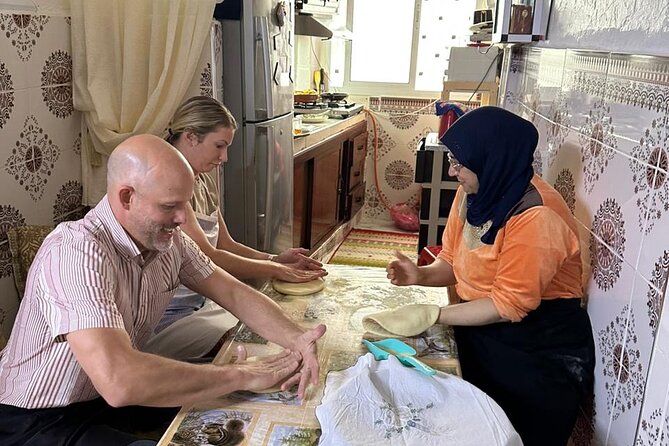
At the family home, you can expect hands-on work rather than a demonstration from across the room. The precise tasks will depend on the menu, but the class is designed to show traditional Moroccan ways of preparing food. You will learn how the ingredients come together and then eat the finished dish as part of the meal.
That home setting is important. Cooking in a family kitchen gives the lesson a more everyday feel than cooking in a purpose-built studio. You may notice how food is organized, how tea is served, and how several dishes become one generous meal.
The food is also a major reason to book. Several people described the tagine as the best Moroccan dish they had eaten during their time in the country. That is subjective, of course, but the repeated praise points to careful cooking and a strong host-led meal.
Portions appear to be generous. One person specifically felt the day included more food than expected. If you are planning another substantial meal soon afterward, leave some space. This is designed as a full food experience, not a small tasting.
Couscous, breakfast, and Moroccan tea
Couscous gives the class a chance to explain a less obvious part of Moroccan cooking. One particularly useful detail is that the preparation of couscous in Moroccan homes may not be as quick or simple as many visitors expect. The class can show home methods and small practical tricks that are easy to remember later.
If couscous is included in your chosen menu, pay attention to the process rather than rushing toward the meal. The value is in understanding how the dish is built, how it is handled, and why the finished texture matters. Those are the details most likely to help when you try the recipe in your own kitchen.
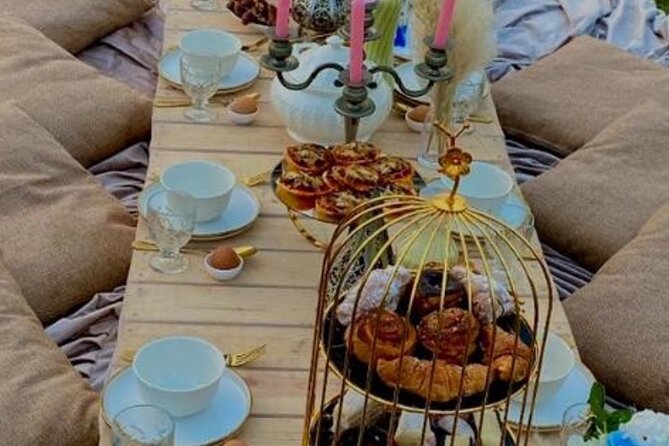
Traditional breakfast may also be served, depending on the timing of your class. This gives the visit a wider food focus. You are not limited to one famous dish, and you may get a better sense of how Moroccan meals fit into the rhythm of the day.
Moroccan tea is another small but meaningful lesson. Preparing and serving tea is part of hospitality, so learning the method adds social context to the cooking. It is also an easy skill to take home. You can repeat the food recipes, but you can also repeat the ceremony of making tea for friends.
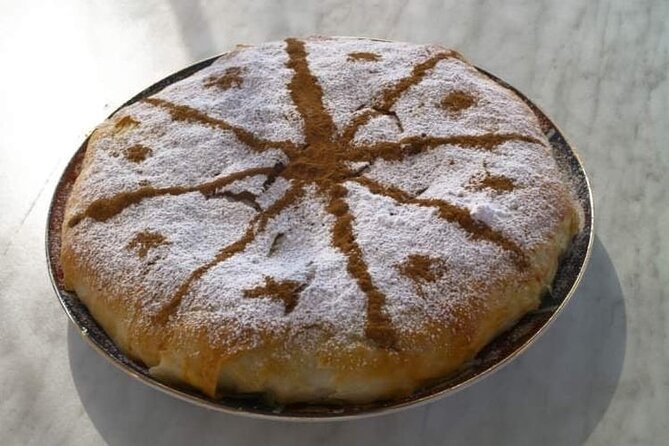
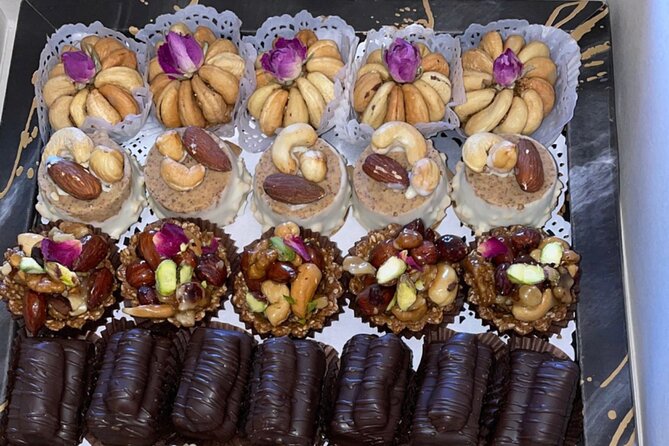
Pastries are mentioned as part of the broader cooking experience, though the exact dishes are not fixed. Ask what will be prepared when you book, especially if a particular food is the reason you want to attend.
More Cooking Classes:
- Moroccan 3 in 1 Cooking Experience
★ 5.0 · 53 reviews - Marrakech: Traditional Moroccan Cooking Class & Market Visit
★ 4.8 · 1,861 reviews - Marrakesh: Moroccan Dishes Cooking Class with a Local Chef
★ 5.0 · 1,615 reviews - Moroccan Cooking Class & Marrakech Market Visit with Chef Khmisa
★ 5.0 · 1,504 reviews
A meal shaped around your preferences
One of the best features is the degree of personal choice. You may be able to select dishes based on what you like and what you want to learn. That makes the class more useful than a fixed menu for people who already cook or who have limited time in Tangier.
Vegetarians are specifically accommodated. This is worth confirming when you reserve, but the experience has already been adapted for vegetarian diners. You should also share allergies, dislikes, and dietary restrictions before the class begins.
The customization can affect the teaching value. If you want to learn tagine, couscous, tea, or pastries, say so. If you mainly want to understand Moroccan home food, let Anwar and Latifa guide the menu. The information provided suggests they are attentive to requests, but there is no published guarantee that every dish will be available at every session.
After the cooking, you eat together in the home. This shared meal is more than the reward at the end. It gives you time to taste the result, compare flavors, ask follow-up questions, and continue talking about Moroccan customs.
Some special touches have also been part of individual visits, including a small Moroccan gift and, on one occasion, a birthday cake. Treat these as possible personal gestures rather than guaranteed inclusions. The dependable feature is the meal and the family welcome.
The human side of the visit

A cooking class can teach you a recipe without telling you much about the people who eat it. This experience puts the family relationship at the center.
Anwar appears to take an active role in welcoming, guiding, and explaining. Latifa also helps with the cooking and hosting. The family home is described as comfortable and friendly, and the tone seems closer to being welcomed for a meal than attending a formal lesson.
That can be especially valuable if you want cultural contact without signing up for a long city tour. You have a clear activity to share, so conversation has an easy starting point. Food gives you a common subject even when language or cultural differences might otherwise make a meeting feel less natural.
I also like the emphasis on practical learning. The goal is not simply to admire Moroccan cuisine. You leave with methods you can use at home, including ideas for tagine, couscous, and tea.
Still, a home experience requires a little openness. The pace may be conversational, and the kitchen may not operate with the strict timing of a restaurant class. If you want precise professional instruction, exact measurements, or a highly structured lesson, this may not be the right fit.
Price, timing, and practical value
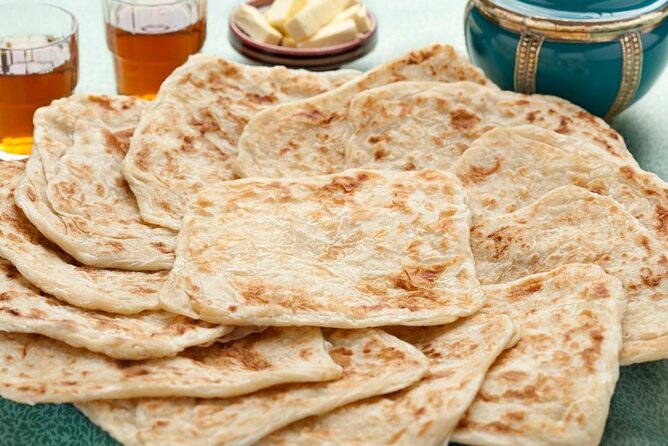
At $76.66 per person, this is not the cheapest way to eat in Tangier. It is also not priced like a simple restaurant meal. You are paying for several connected parts: local market time, cooking instruction, ingredients, a family visit, and the meal you prepare.
I think the price is reasonable for someone who values personal contact and wants more than a food sample. The meal alone is not the whole product. The useful comparison is with a private cultural activity that includes food, teaching, and conversation.
The session lasts approximately three to four hours. That makes it a substantial half-day activity. It can fit well on a day when you want a slower change of pace after seeing Tangier’s streets and sights.
Pickup is offered, and the activity is near public transportation. Since the starting point may involve a market or family home, confirm the meeting instructions before the day of the class. A mobile ticket is accepted, and confirmation is sent at booking.
The activity is described as easy, and most people can participate. Service animals are allowed. It is also listed as private, meaning only your group is intended to take part, although the exact hosting arrangement should be confirmed if group composition matters to you.
The experience is often booked about 26 days ahead. That is a useful planning signal. If you have fixed dates in Tangier, reserve early rather than waiting for the final few days.
Free cancellation is available up to 24 hours before the start time for a full refund. Cancellations or changes within 24 hours are not refunded, and the cutoff follows local time.
Who will enjoy it most
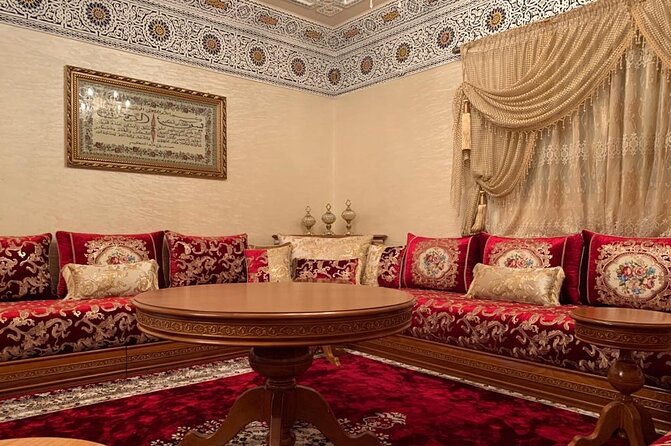
This class is a strong choice for you if food is one of the main reasons you visit Morocco. It also suits couples, families, small groups, solo visitors, and colleagues who want an activity that gives them something to do together.
Vegetarians should find it particularly useful because the menu can be adjusted. People who enjoy meeting local residents will appreciate the family-home setting, while cooks at any skill level can take away practical ideas.
It is also a good choice near the end of a Tangier stay. The food and conversation can help pull together what you have seen elsewhere in the city. One person found it a fitting way to spend a final day in Tangier, which makes sense: the visit offers a calm, personal farewell rather than another rushed sightseeing stop.
You may want to skip it if you dislike eating in private homes, prefer a large professional kitchen, or need a tightly fixed menu. The details of the dishes and timing can vary, so ask questions before booking if you need certainty.
Should you book the Tangier family cooking class?
I would book this experience if you want Moroccan food taught in a personal setting, especially if you care about the people and customs behind the meal. The market stop, flexible menu, family kitchen, tea preparation, and shared lunch or breakfast give it more substance than a standard cooking demonstration.
The strongest reasons to choose it are Anwar and Latifa’s warm hosting, the chance to adapt the menu, and the practical instruction you can repeat at home. The main tradeoff is the informal nature of the visit. You will need to accept some flexibility about the exact dishes and the way the lesson unfolds.
For $76.66, it offers good value when you count the food, the teaching, and several hours of personal contact. Confirm your dietary needs, desired dishes, pickup details, and whether tea, breakfast, pastries, or a market visit are included in your particular session. If those details match what you want, this is one of the more personal ways to understand Tangier through its cooking.
FAQ
Where does the cooking class take place?
The class takes place in Tangier and includes cooking in a local family home. A market visit may also form part of the experience.
How long does the experience last?
The cooking class lasts approximately three to four hours.
How much does the class cost?
The listed price is $76.66 per person.
Is pickup available?
Yes. Pickup is offered, but you should confirm the exact arrangements before the activity.
Is this a private activity?
Yes. It is described as a private tour or activity for your group only.
Can vegetarians take part?
Yes. Vegetarian preferences can be accommodated. Share your dietary needs when booking.
What food might I learn to prepare?
The experience focuses on Moroccan cuisine, including tagine, couscous, and pastries. Moroccan tea may also be prepared, and several types of tagine may be possible.
Is a market visit included?
The experience may begin with grocery shopping in a local souk. Confirm the exact plan for your booking.
Is the activity suitable for most people?
The activity is described as easy, and most people can participate. Service animals are allowed, and it is near public transportation.
What is the cancellation policy?
You can cancel at least 24 hours before the start time for a full refund. Cancellations or changes made within 24 hours are not refunded.
Just added around Tangier
- From Tangier: Asilah Tour with Tea Tasting & Camel Ride★ 3.9 · 18 reviews
- 4-hour Private Tour of Tangier★ 4.0 · 18 reviews
- Morocco Day Trip from Spain: Private, Luxury & All-Inclusive★ 5.0 · 18 reviews
- Day Trip to Chefchaouen from Fez in Small Group★ 5.0 · 18 reviews
- Tangier in a Day: From Medina Mystique to Ocean Views★ 5.0 · 18 reviews
- VIP Private Transfer from Tanger Airport / Port to Hotel Vice Versa★ 5.0 · 19 reviews
- Discover the hidden gims of Tangier – JC Private Tours Tangier★ 5.0 · 19 reviews
- 4 hours Private Walkin Customize Tour in Tangier★ 5.0 · 19 reviews
Cooking Classes, compared.
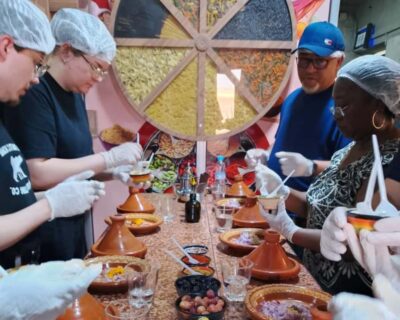
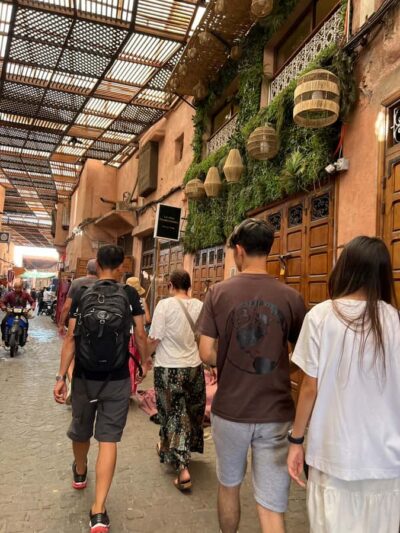
Traditional Moroccan Cooking Class & Market Visit
Read our review →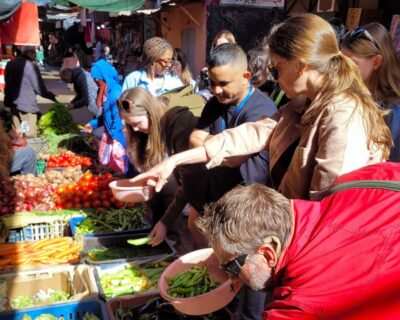
Moroccan Dishes Cooking Class with a Local Chef
Read our review →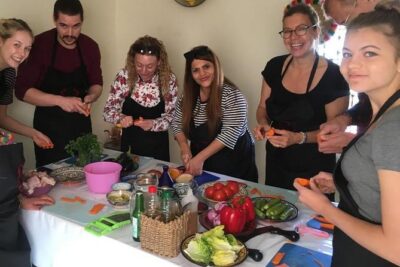
Moroccan Cooking Class & Marrakech Market Visit with Chef Khmisa
Read our review →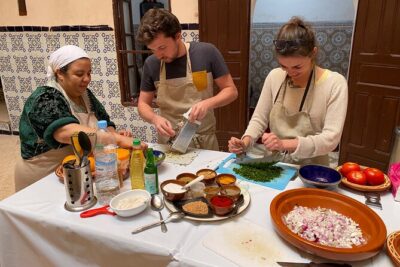
Half-Day Cooking Class with Local Chef Laila in Marrakech
Read our review →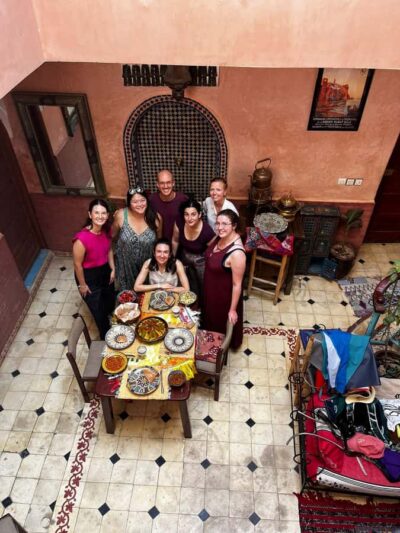
Browse the lists this tour appears in