
Reviewed · FOOD & DRINK
Authentic Food Tour in Agadir – Eat Like A Local
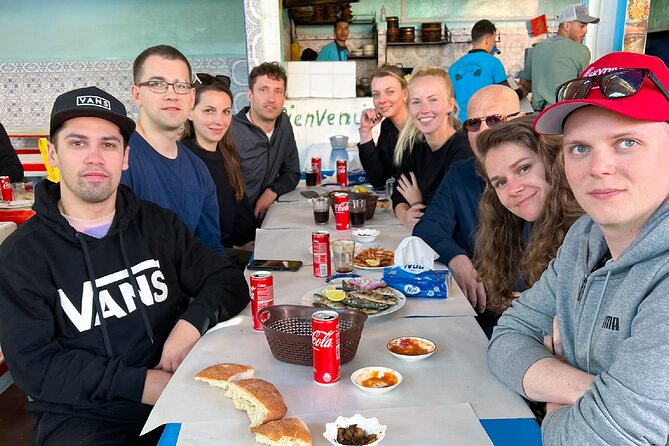
Come hungry, leave full of Morocco. This four-hour Agadir food tour combines 12 to 15 generous tastings, a guided visit to Souk El Had, and clear stories about the dishes, ingredients, and customs behind them. I especially like the small groups of eight or fewer, which make it easier to ask questions, and the thoughtful food cards and infographics that help you remember what you ate.
I also like that Abdel, the guide, takes you beyond the usual tourist menu. You will try home-style food, street food, seafood, sweets, fresh juice, and tea while meeting local vendors. The main consideration is simple: these are not tiny samples. Several stops serve full portions, so anyone expecting a light snack crawl may find the four-hour feast almost too generous.
In This Review
- Key Points Before You Book
- Why This Agadir Food Tour Feels Different
- Starting in Agadir with Taxi Pickup
- The First Food Stops: Local Meals, Not Decorative Samples
- Souk El Had: Food Shopping with a Local Guide
- The Food Range: From Harira to Moroccan Tea
- Abdel’s Hosting Style and the Small-Group Advantage
- How Much Value Do You Get for $60?
- Who Should Book This Experience?
- Booking, Languages, and Flexibility
- Should You Book the Agadir Eat Like a Local Tour?
- FAQ
- How long does the Agadir food tour last?
- What food is included?
- Is transportation included?
- Can vegetarians join the tour?
- Which languages does the guide speak?
- What should I bring?
Key Points Before You Book
- Expect a full day’s worth of food: The tour includes 12 to 15 dishes, with proper portions rather than token bites.
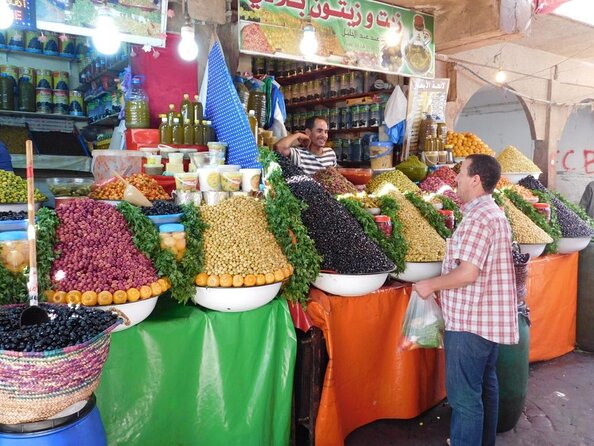
- Souk El Had is a major part of the experience: You will visit Agadir’s large central market and receive help choosing shops and handling prices.
- Abdel brings food and culture together: He explains ingredients, culinary customs, local history, and the background of each dish.
- Transport is included inside Agadir: Taxi pickup and drop-off are covered, which removes some of the usual hassle.
- The format suits small groups: A maximum of eight people keeps the pace personal and makes conversations easier.
- Vegetarians can join, vegans cannot: Vegetarian food is available, but the tour is not suitable for vegans.
Why This Agadir Food Tour Feels Different
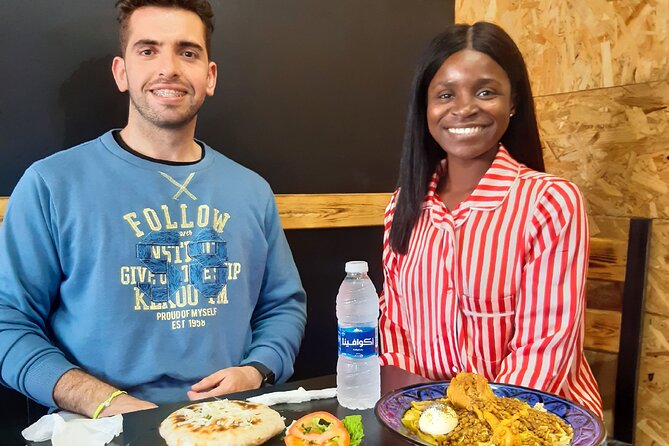
Many Moroccan food outings focus on familiar names such as tagine and couscous. Those dishes matter, of course, but this tour aims for a broader picture of Moroccan cooking. You may taste Refissa, Bastilla, Harira, Briouat, fresh juices, desserts, tea, seafood, and other local specialties that are less likely to appear in a standard hotel meal.
That variety is the main reason to book. You are not simply sitting down to one large plate and calling it Moroccan cuisine. Instead, the tour moves between restaurant food, market fare, and traditional recipes. The result is closer to a guided meal through Agadir than a restaurant reservation with a few explanations attached.
I also appreciate the teaching material. Abdel combines graphic design with food guiding, so you receive visual information before the tour and personalized digital food cards afterward. That may sound like a small extra, but it is genuinely useful when you want to remember a dish, identify its ingredients, or try something similar at home.
The approach is friendly rather than academic. Abdel explains the historical importance of dishes without turning the meal into a lecture. His English is described as excellent, and the tour is also offered in Arabic and French.
More Food Tours:
- Authentic Food Tour in Agadir – Eat Like A Local
★ 5.0 · 117 reviews - Boat Tours in Agadir lunch including ( sea food )
★ 4.5 · 23 reviews - Agadir with a Local–Balade Authentic & Tasting Street Food
★ 5.0 · 21 reviews
Starting in Agadir with Taxi Pickup
The experience begins with pickup inside Agadir by taxi. That is helpful if you are staying in an unfamiliar part of the city or do not want to work out local transport before eating your first meal. Drop-off inside Agadir is also included at the end.
If you are staying outside the city, the provider can arrange transportation for you, but this may require an additional arrangement rather than falling under the included city pickup. Confirm the details before booking if your accommodation is beyond Agadir.
The tour lasts four hours, though one private outing ran longer because the guide and participant continued talking. You should plan for the advertised four-hour schedule, but allow some flexibility if the group is enjoying a relaxed pace.
Comfortable shoes are the right choice. You will spend time sitting for food, but the visit to Souk El Had involves walking, browsing, and moving between stops.
The First Food Stops: Local Meals, Not Decorative Samples
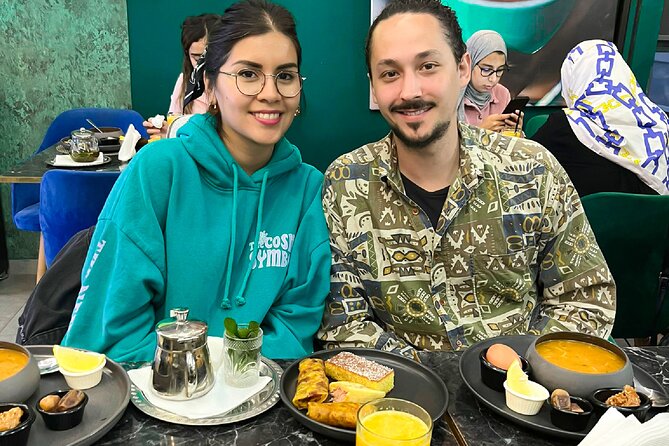
The restaurant portion gives the tour a steady start. Here you can expect traditional dishes presented with explanations of what goes into them and why they matter in Moroccan cooking.
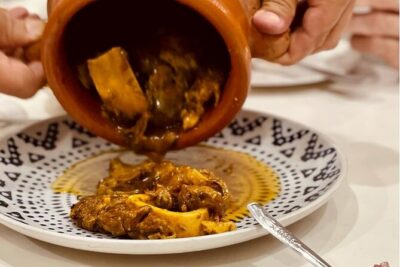
Refissa is one of the more distinctive dishes included. It is a home-style preparation with an important place in Moroccan food culture, and it gives you a chance to try something beyond the standard tagine circuit. Bastilla brings a different combination of textures and flavors, while Harira is a familiar Moroccan soup with strong links to everyday meals and religious traditions.
Briouat adds a pastry element, often with either savory or sweet fillings. The exact order and selection can vary, but the stated range is 12 to 15 recipes. You are likely to move from savory food to sweets, juices, and Moroccan tea before reaching the market section.
The key practical point is portion size. The food is described as full meals, not tiny tasting spoons. One person who tried 13 dishes still struggled to finish despite skipping breakfast and eating very lightly the night before. I would follow the advice to arrive hungry, but not so hungry that you feel unwell after the first few stops.
This is also a good reason to schedule the tour early in your Agadir stay. You can use the dishes and food advice to guide later meals, and you may want to return to a favorite stop.
Souk El Had: Food Shopping with a Local Guide
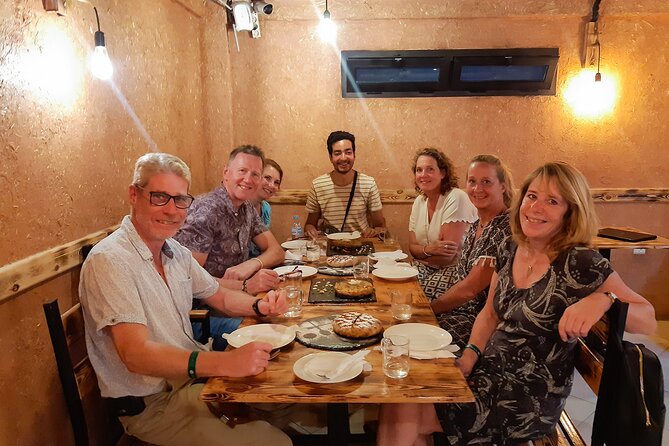
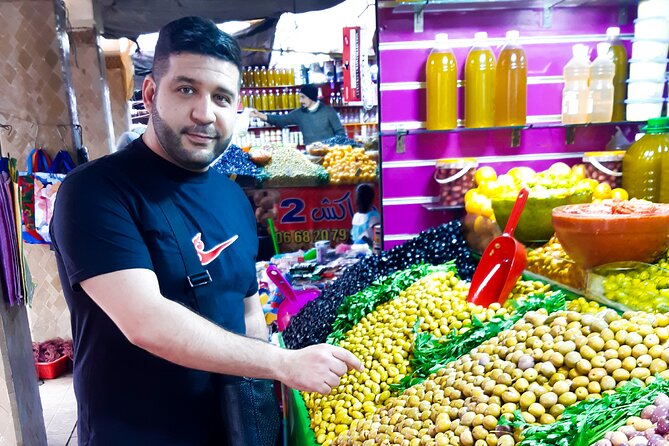
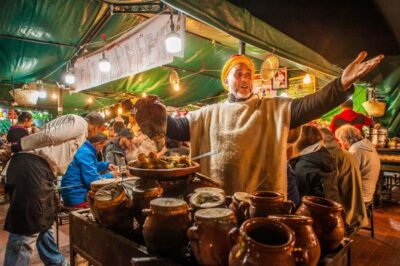
Souk El Had is the walking centerpiece of the tour. The market visit gives you a look at the place where locals shop, rather than confining the experience to restaurants aimed at visitors.
The souk can be a lot to take in, with food stalls, shops, produce, and everyday commerce. Abdel helps give the visit a purpose. Instead of wandering past displays without knowing what is worth buying, you can ask about ingredients, prices, quality, and local habits.
The fish section is a particular highlight. Seafood is important in Agadir, and the tour includes a fish course that has received especially strong praise. This is one of the moments when the city’s setting and food culture connect most clearly.
The market is also where a local guide adds real value. Abdel can point you toward suitable shops and help you avoid paying inflated tourist prices. That does not mean every purchase will be a bargain, and you should still agree on prices before buying, but having a trusted local beside you makes the experience less stressful.
Souk El Had is not a polished attraction built only for sightseeing. You should expect a working market, walking, noise, and plenty to look at. If you prefer quiet, carefully arranged food displays, this part may feel intense. If you want to see how food fits into daily life in Agadir, it is one of the strongest parts of the outing.
A few more Agadir trips worth weighing up
- From Marrakech: Merzouga 3-Day Desert Safari with Food
★ 4.7 · 12,232 reviews - Marrakech: Street Food Tour with a Local Guide
★ 4.9 · 3,119 reviews - Marrakech: Street Food Tour by Night
★ 4.8 · 2,838 reviews - 3-Day Tour to Merzouga Erg Chebbi with Food & Camel Trek
★ 5.0 · 1,770 reviews
The Food Range: From Harira to Moroccan Tea
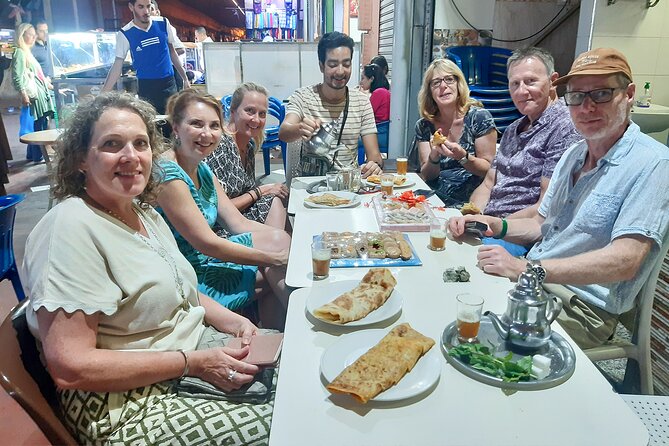
The appeal of this tour is the spread of dishes. The listed foods include:
- Refissa
- Bastilla
- Harira
- Briouat
- Street food
- Home-cooked-style dishes
- Seafood
- Desserts
- Fresh juices
- Moroccan tea
The list gives you a useful sense of scope, but it is not a promise that every person will receive identical items in an identical order. Food availability can shape a market-based tour, and the guide describes the experience as a selection of favorite local stops.
I like the balance between savory and sweet. A tour that offers only meat and bread can leave you with a narrow idea of Moroccan food. Desserts, juices, and tea show another side of the table, while the home-style recipes help you understand what people eat outside formal restaurant settings.
Vegetarians are welcome, and the tour has accommodated people with dietary restrictions. Still, the official information says vegans are not suitable for this experience. If you avoid particular ingredients, tell Abdel before the tour so he can explain what can be adjusted.
The safety and hygiene emphasis is reassuring. Food is prepared by selected restaurants and vendors, and hygiene products are included. The tour also includes clean toilet stops, according to detailed participant feedback, which matters during a long food outing.
Abdel’s Hosting Style and the Small-Group Advantage
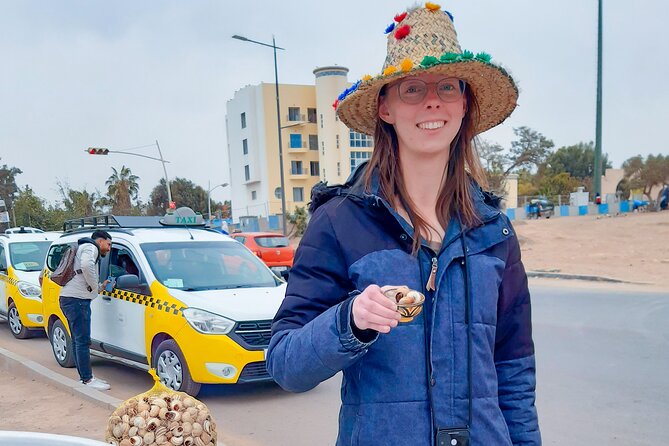
Abdel is the central reason this tour feels personal. His role is not limited to leading you from one food stop to another. He explains dishes, answers questions, shares cultural anecdotes, and helps you understand the difference between eating something and knowing what it means.
His enthusiasm is a repeated strength. He is described as warm, easygoing, humorous, and generous with his time. That personality matters because food tours depend on conversation. A guide who can explain a recipe but cannot make you feel comfortable will give you facts without much connection.
The group limit of eight is well judged. In a large group, you may struggle to hear explanations in a market or get enough time to ask about unfamiliar dishes. With fewer people, Abdel can respond to different tastes and keep an eye on dietary needs.
Solo visitors should feel comfortable booking. A one-person tour has taken place, and the format also works for couples, families, and groups celebrating special occasions. Two birthdays were given extra attention during one outing, showing that the guide is willing to add personal touches when he can.
The WiFi hotspot is another unusual inclusion. It can be useful if you do not have a local SIM card and want to stay connected while moving around the city. It is not the reason to book the tour, but it is a practical bonus.
How Much Value Do You Get for $60?
The price is $60 per person. That includes the food, taxi pickup and drop-off within Agadir, the guided Souk El Had visit, the WiFi hotspot, and hygiene products.
The value depends on how you compare it. If you count only the food, the price may look higher than visiting one inexpensive local restaurant. But that misses the point. You are paying for several meals, transport, a market guide, interpretation, and the chance to try dishes you might not confidently order alone.
The portions also matter. This is not a tour where you pay $60 for six tiny bites and a drink. The food is substantial enough that it may replace several meals. If you planned to eat lunch and dinner separately, you will need to account for the size of this outing.
The digital food cards add lasting value. You can take the names and ingredients home, then look for similar dishes or try cooking them yourself. The visual itinerary and infographics also make the experience easier to follow, especially if you like to connect a dish with a place, ingredient, or story.
For a first visit to Agadir, I consider $60 fair if you care about food and want a guided introduction rather than a simple meal. It is less attractive if you dislike large meals, prefer to explore independently, or mainly want a quick market visit.
Who Should Book This Experience?
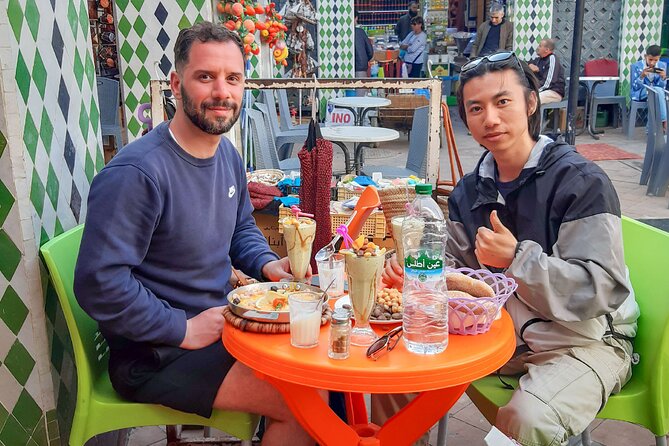
I would recommend it most strongly to people who want to understand Moroccan food beyond the familiar tourist staples. You should also book if you enjoy asking questions, tasting unfamiliar dishes, and learning how food connects with local customs.
The tour works well for:
- First-time visitors to Agadir
- Solo visitors who want an easy social activity
- Couples and small groups
- People interested in local markets
- Vegetarians
- Food lovers who want recipe ideas
- Visitors who value a careful, clean setup
- Anyone who wants transport included
You may want to skip it if you are vegan, have difficulty walking through a large market, or prefer small portions. It is also not suitable for wheelchair users, according to the activity information.
Because the food is plentiful, do not schedule another major meal immediately afterward. A relaxed evening with tea or a short walk will make more sense than a dinner reservation.
Booking, Languages, and Flexibility
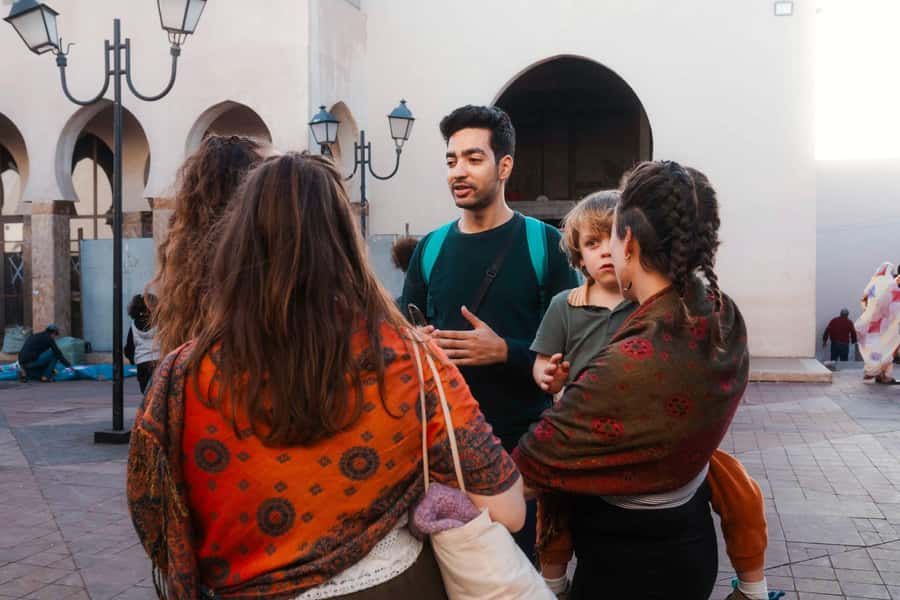
The tour is available with live guiding in English, Arabic, or French. The group is limited to eight people, so booking early is sensible, particularly if you want a specific day or are traveling with a larger small group.
You can cancel up to 24 hours ahead for a full refund. The reserve-now, pay-later option also lets you hold a place without paying immediately, which is useful when your Agadir schedule is still changing.
Pickup is included inside Agadir city. For an accommodation outside the city, contact the provider about arranging transportation rather than assuming the same taxi terms apply.
Should You Book the Agadir Eat Like a Local Tour?
Book it if you want a substantial, personal introduction to Moroccan food and daily market life. The combination of 12 to 15 dishes, Souk El Had, transport, and Abdel’s clear explanations offers more than a standard food stop.
The strongest reasons to choose it are the generous portions, the fish and market sections, the small group size, and the useful digital food cards afterward. The main warning is the amount of food. Arrive hungry, wear comfortable shoes, and leave room in your schedule.
If you are vegan or need wheelchair access, this is not the right fit. For vegetarians, solo visitors, couples, and curious eaters, it offers a practical way to get beyond hotel menus and begin eating with a better sense of what is on your plate.
FAQ
How long does the Agadir food tour last?
The advertised duration is four hours. Starting times vary, so check availability when booking. One private outing lasted longer because the conversation continued, but you should plan around the stated four-hour schedule.
What food is included?
The tour includes 12 to 15 recipes and food items. Dishes may include Refissa, Bastilla, Harira, Briouat, home-style food, street food, seafood, desserts, fresh juices, and Moroccan tea.
Is transportation included?
Taxi pickup and drop-off are included within Agadir city. If you are staying outside Agadir, the provider can arrange transportation for you.
Can vegetarians join the tour?
Yes. Vegetarians are welcome. The experience is not suitable for vegans.
Which languages does the guide speak?
The live tour is available in English, Arabic, and French.
What should I bring?
Bring comfortable shoes, since the experience includes walking through Souk El Had. You should also arrive hungry because the portions are substantial.
Just added around Agadir
- Agadir Adventure Tour with Quad Biking Experience★ 5.0 · 17 reviews
- Private Essaouira Day Trip From Agadir★ 5.0 · 17 reviews
- 3-hour guided tour in Agadir★ 5.0 · 17 reviews
- Agadir or taghazout: 4-Hour Fishing,BBQ & Swim,Free Pick-Up★ 4.3 · 17 reviews
- Agadir: Hot Air Balloon Flight with Breakfast★ 4.5 · 17 reviews
- Taroudant & Tiout Day Trip Tour★ 4.5 · 17 reviews
- Agadir Camel Ride Flamingo River & BBQ Dinner★ 4.2 · 17 reviews
- Agadir City Tour Discover Agadir with Transportation★ 5.0 · 17 reviews
Food & Drink, compared.

3-Day Tour to Merzouga Erg Chebbi with Food & Camel Trek
Read our review →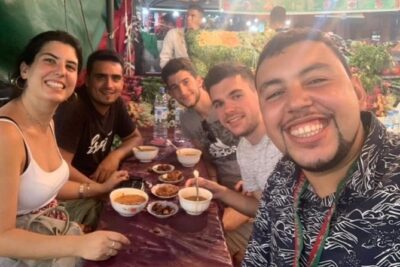
Authentic Moroccan Food Tour in Marrakech with Dinner
Read our review →
Browse the lists this tour appears in