
Reviewed · WORKSHOPS
Marrakech: Moroccan Pastries and Tea Class with a Local
Fresh pastries make a fine Marrakech souvenir. This 150-minute workshop gives you more than a sweet snack: you learn how Moroccan biscuits and pastries come together, then make mint tea to serve with them. I like the hands-on format and the small groups, limited to 10 people. I also like that you leave with a box of your own baking, not just a few bites at the table. The one drawback is that the exact workshop address arrives only before the experience date, so you cannot plan the route until then.
This is a friendly break from the souks, especially for families and anyone who wants an activity with a clear result. I would allow extra time for the taxi, since one pair had trouble finding the door even with help from the guide. Also, ask for the recipes before leaving if you want to repeat the class at home.
In This Review
- Quick takeaways
- Why this Marrakech class is worth two and a half hours
- Finding the workshop and settling in
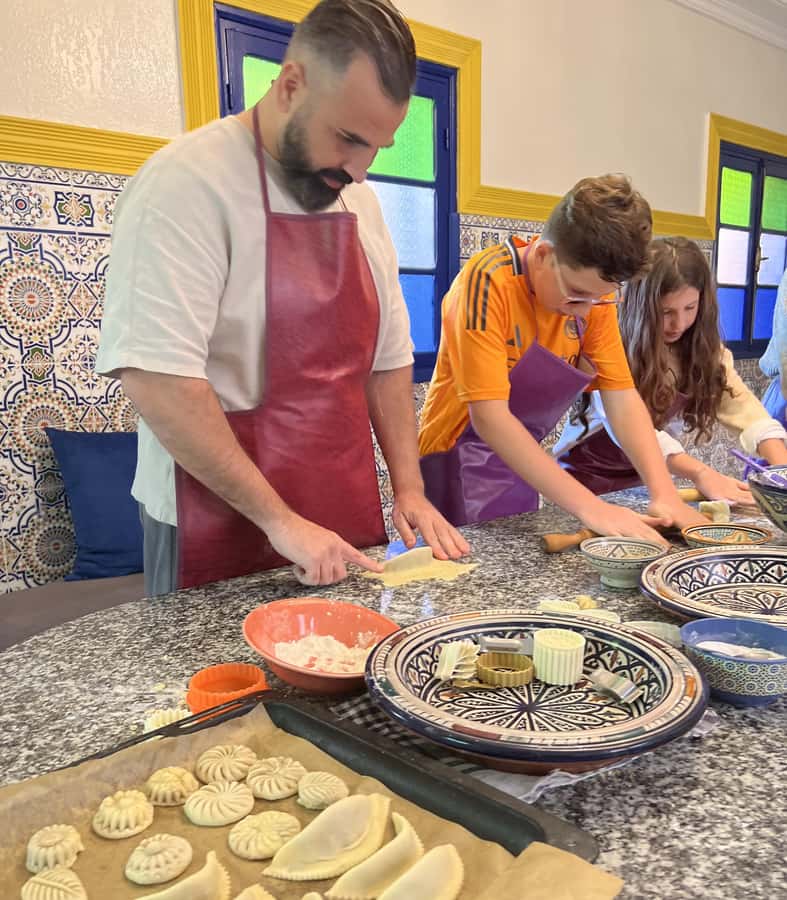
- Shaping Moroccan pastries with a local chef
- Fresh pastries, mint tea, and the best part of the class
- The family factor and the group size
- What I like most about the teaching
- Price, timing, and practical planning
- Who should book this pastry workshop?
- Should you book the Marrakech pastry and tea class?
- FAQ
- How long does the Moroccan pastry and tea class last?
- How much does the class cost?
- What pastries will I make?
- Is Moroccan mint tea included?
- Can I take pastries home?
- Is cooking equipment provided?
- Is hotel pickup or drop-off included?
- How will I find the meeting point?
- What languages are available?
- Can children join the class?
Quick takeaways
- Bake Moroccan classics: You may prepare pastries and biscuits such as fekkas and Kaab el Ghazal, depending on the class session.
- Learn the small tricks: The class focuses on precise pastry methods, plus ingredients such as fennel seeds and orange blossom water.
- Finish with tea: You learn to prepare Moroccan mint tea and practice the traditional pouring technique.
- Take home the results: Your pastries are served fresh, and the remaining pieces go into a box for later.
- Small-group setting: A maximum of 10 people keeps the lesson more personal than a large cooking demonstration.
- Good family option: Children under 4 cannot join, and anyone under 18 must attend with an adult.
Why this Marrakech class is worth two and a half hours
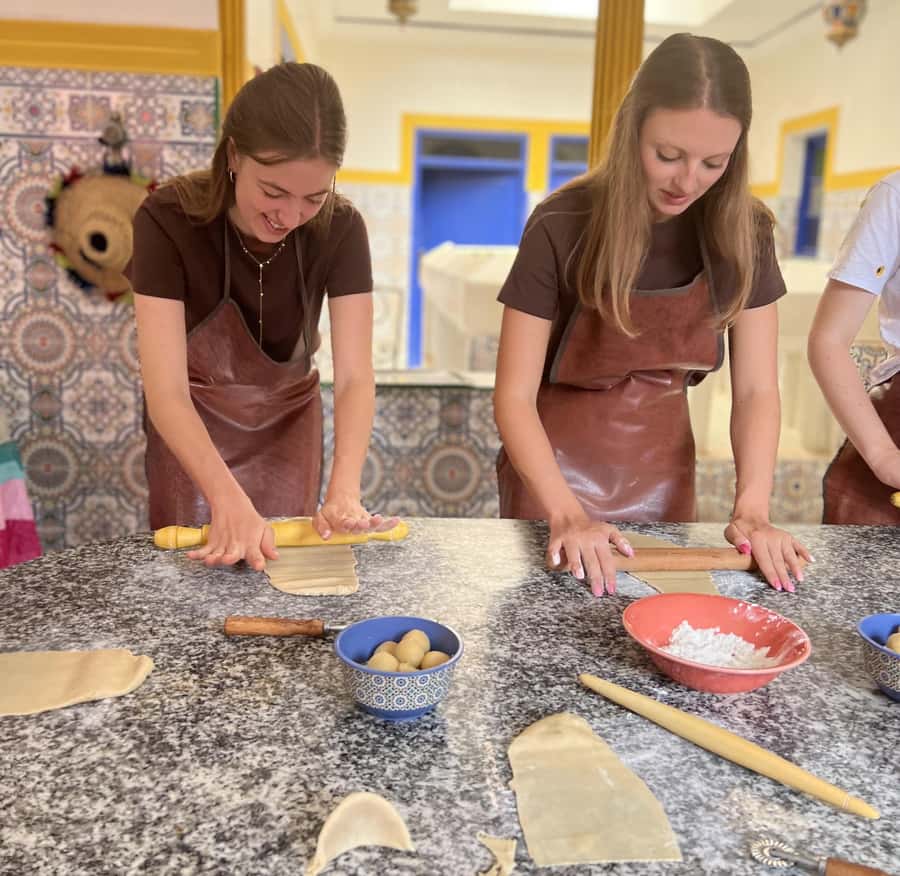
Marrakech is full of quick pleasures: a glass of tea, a sugar-dusted biscuit, a pastry grabbed between sights. This class slows that rhythm down and shows you how those treats are made. You are not simply watching a chef work. You handle the ingredients, follow the steps, and taste the result while the process is still fresh in your mind.
At $40 per person, the value comes from several parts working together. The fee covers the cooking lesson, equipment, the pastries you taste, Moroccan mint tea, and a take-home box. That last item matters. You are not paying for a single sample and leaving hungry. You get food for later, along with techniques you can try again at home.
The experience has earned a 4.7 rating from 84 bookings, and the strongest praise centers on the same points: friendly teaching, good value, fresh pastries, and an activity that works well for families. One family of four even received a private session because no other participants had booked that time. You should not count on that happening, but a group of four may find the setting especially comfortable.
A few more Marrakech trips worth weighing up
- Marrakech: Moroccan Cooking Class with Pickup
★ 4.6 · 1,862 reviews - Marrakech: Traditional Moroccan Cooking Class & Market Visit
★ 4.8 · 1,861 reviews - Marrakesh: Moroccan Dishes Cooking Class with a Local Chef
★ 5.0 · 1,615 reviews
Finding the workshop and settling in
The exact meeting point is sent before the experience date. That keeps the workshop location flexible, but it also means you will need to watch for the address and plan your route after receiving it. Hotel pickup and drop-off are not included, so you arrange your own transport.
A taxi is the practical choice if you are carrying shopping bags or staying far from the venue. One couple arrived late after taking a taxi and needed help finding the entrance. The guide directed the driver and helped them locate the door, which is useful to know: save the contact details and leave extra time rather than treating the start time as a loose suggestion.
Once inside, the class provides the cooking equipment. You do not need to bring baking tools. Wear comfortable clothes suitable for cooking, and bring water. Morocco can be warm, and two and a half hours of standing, mixing, shaping, and tasting is easier when you are dressed for movement rather than for a formal dinner.
The language choice is another practical advantage. Instruction is available in Arabic, French, and English, so you can ask questions in the language that suits you. The group limit is 10 people, though the actual size may be smaller.
Shaping Moroccan pastries with a local chef
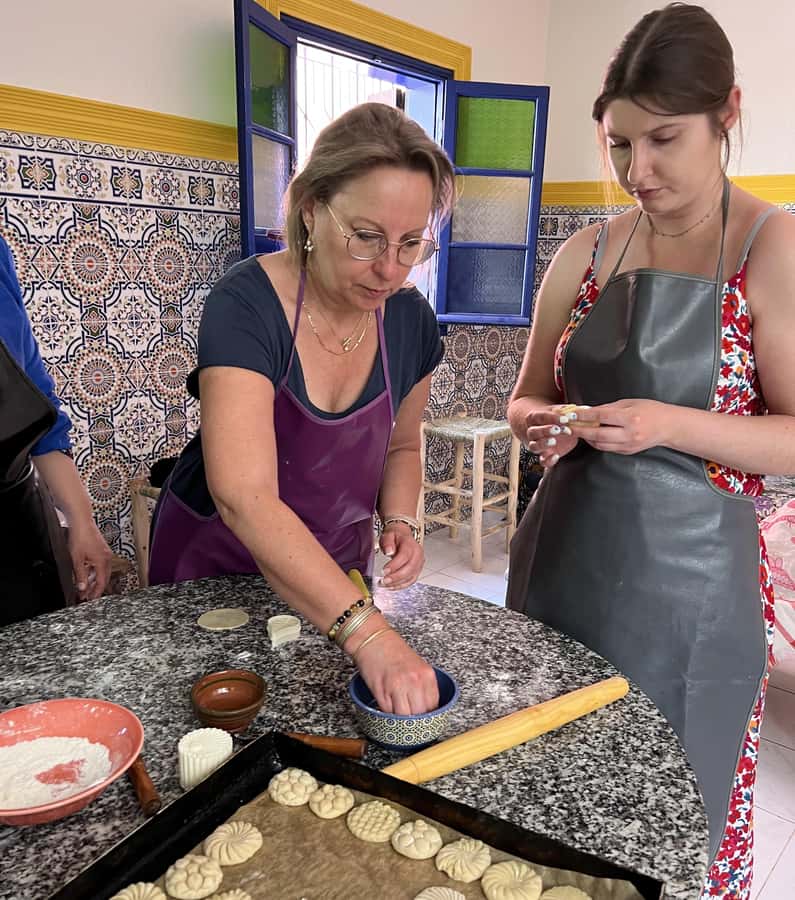
The main part of the class is the pastry work. You learn the simple steps that make Moroccan pastries distinctive, but simple does not mean careless. The dough, filling, shaping, and baking all depend on accuracy. That is why this works better as a class than as a quick tasting stop.
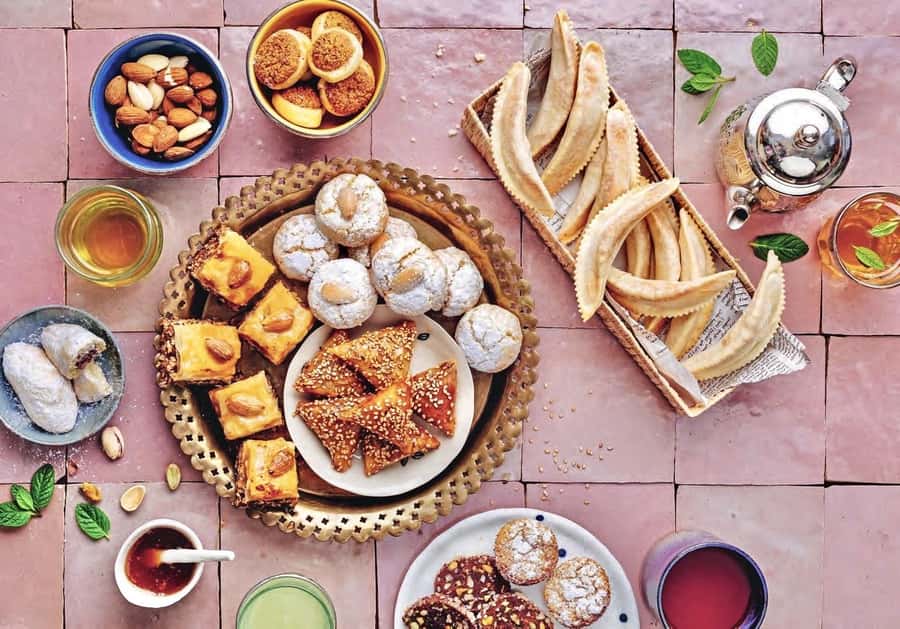
The exact selection can vary, but the session has included fekkas and Kaab el Ghazal. Fekkas are crisp, twice-baked biscuits, while Kaab el Ghazal is a delicate crescent pastry associated with almond filling. Making both gives you a useful contrast: one rewards a firm, crunchy finish, while the other requires more care with shaping and presentation.
You may also work with flavorings that are easy to overlook when you buy a finished pastry. Fennel seeds add a warm, lightly sweet note. Orange blossom water gives a fragrant lift, but too much can overpower the mixture. These are the kinds of details that make a cooking class worthwhile. You begin to understand why a pastry tastes the way it does instead of simply deciding that it tastes good.
The instructor demonstrates each step, then guides you as you try it. That is particularly helpful if you have little baking experience. One participant who had never baked found the class a good introduction, while another person who already cooked suggested choosing the separate cooking class offered by the provider for a broader kitchen experience. That is sound advice. This pastry class is focused and specific, not a full tour of Moroccan cooking.
Some parts may feel harder than expected. Shaping pastry neatly takes practice, and the techniques are precise. You might not produce bakery-perfect crescents on your first attempt. That is part of the fun, but anyone expecting a completely effortless activity should adjust their expectations.
Fresh pastries, mint tea, and the best part of the class
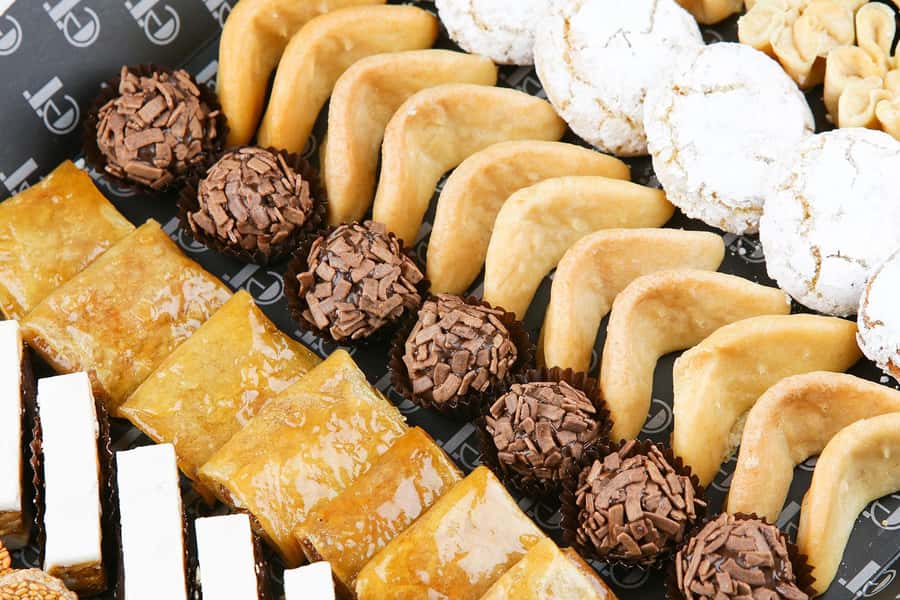
After the baking work, you taste what you have made with Moroccan mint tea. This is the point when the class becomes a proper social experience rather than a lesson at a worktable. You see the finished pastries, compare the shapes, and enjoy them while they are fresh.
The tea lesson adds an important piece of Moroccan food culture. You learn how to make your own mint tea, then practice pouring it. The pouring is entertaining, especially for children and teenagers, but it is also practical. Tea is not an afterthought here. It is the drink that brings the pastries to the table and gives the final tasting a clear Moroccan setting.
The amount of food is generous enough to be useful beyond the class. You receive a box of pastries to take home, which is especially handy if you have a long travel day ahead. One participant booked the class before going to Merzouga and used it as a way to stock up on pastries. The box also gives you something to share with family or friends who did not attend.
The class includes the tasting session with mint tea, but additional food and drinks are not included. You should not expect a full meal. Think of it as a substantial sweet tasting with tea, not lunch or dinner.
A completely different sort of day out of Marrakech:
- Marrakech: Agafay Desert Sunset, Camel Ride, and Dinner Show
★ 4.6 · 35,119 reviews - From Marrakech: Ouzoud Waterfalls Guided Hike and Boat Trip
★ 4.7 · 33,630 reviews - Marrakech: Agafay Desert Quad & Camel Rides with Dinner Show
★ 4.8 · 27,382 reviews - Marrakech: Agafay Desert Quad Biking Tour with Dinner-Show
★ 4.8 · 16,569 reviews
The family factor and the group size
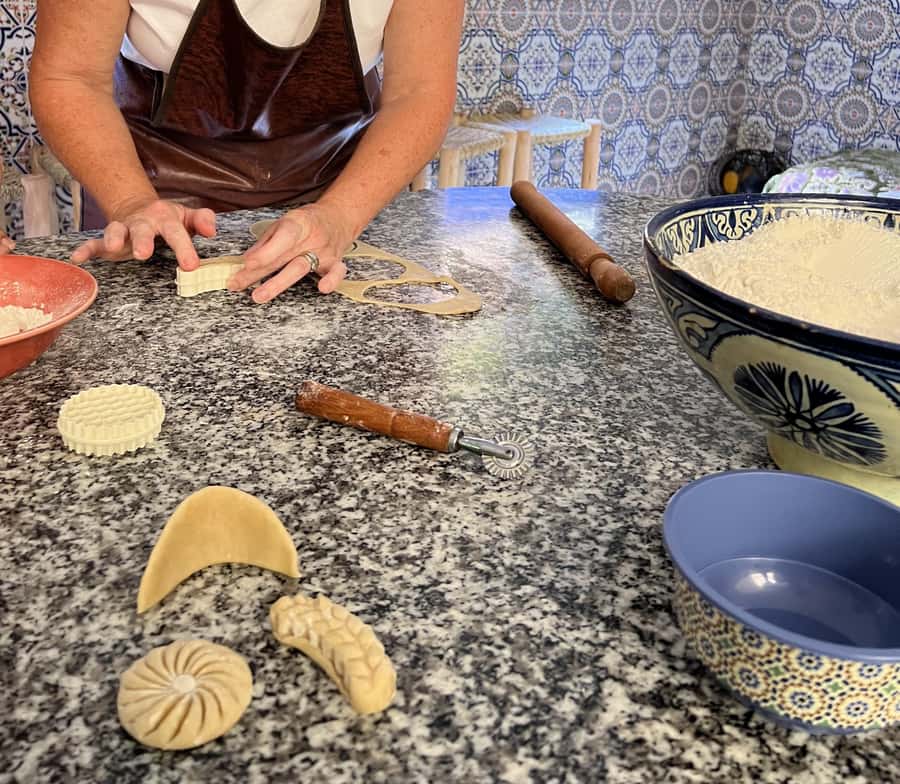
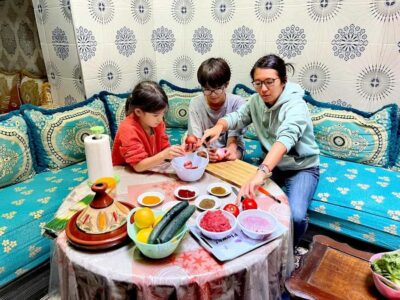
This is one of the better Marrakech activities for a family that wants to do something together rather than move from one sight to the next. Teenagers can shape pastries, handle ingredients, and take part in the tea pouring. The finished box gives younger participants a clear reward at the end.
Children under 4 are not allowed to participate. Anyone under 18 must be accompanied by an adult, so this is not a drop-off class for older children. Families should also provide allergy information in advance. That is especially important in pastry workshops, where ingredients may include nuts, wheat, dairy, seeds, or scented flavorings. The supplied information does not specify substitutions, so do not assume that every allergy can be accommodated.
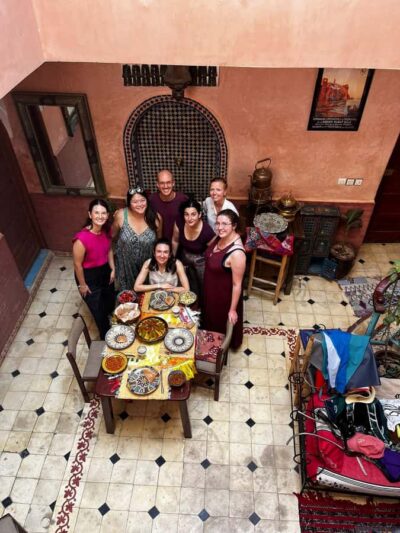
For couples and solo participants, the 10-person limit keeps the class from feeling like a large demonstration. A smaller group can mean more direct help with shaping and mixing. It can also lead to a private or nearly private session when demand is light, though that depends on the booking schedule.
The social side is gentle rather than forced. You meet other people while making the same food, then sit down with tea. If you want a quiet break from the souks, this has a calmer pace. If you dislike group activities or hands-on cooking, you may prefer a pastry tasting instead.
What I like most about the teaching
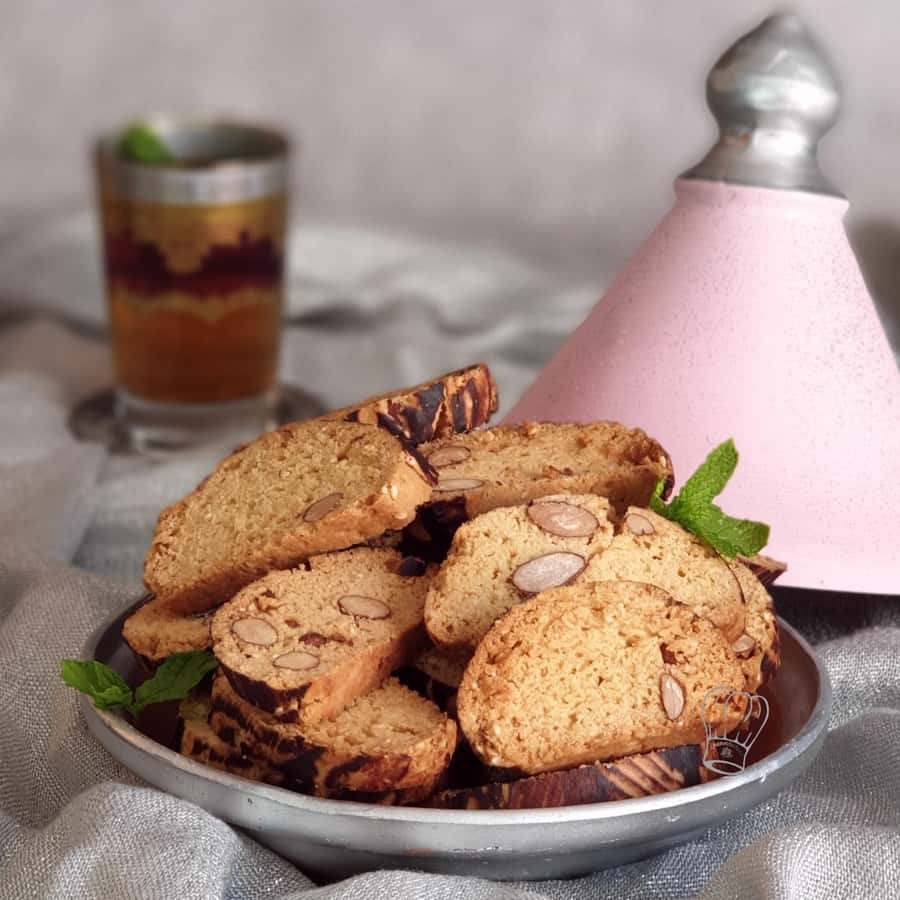
The best quality here is the clear, step-by-step approach. The teacher shows you what to do and helps when a shape or technique goes wrong. That matters because Moroccan pastry often looks easier than it is. A finished Kaab el Ghazal can appear simple, but getting the dough thin and the crescent even takes patience.
I also like the way the class connects ingredients with the finished flavor. Fennel seeds and orange blossom water are not just items on a work surface. They help explain the character of Moroccan baking. You leave with a better sense of how small quantities affect aroma and taste.
The instructors have also been praised for being welcoming and helpful when arrival problems occur. One guide sent photos after the class, which can be a nice extra reminder of the activity. Photos are not listed as a guaranteed inclusion, so treat that as a possible courtesy rather than something to book for.
If you want recipes, ask before the class ends. One participant specifically wished they had done so. The instruction may be easy to follow in the room, but the memory fades once you are back in a hotel or on the road. A written recipe is the most useful souvenir after the pastry box is gone.
Price, timing, and practical planning
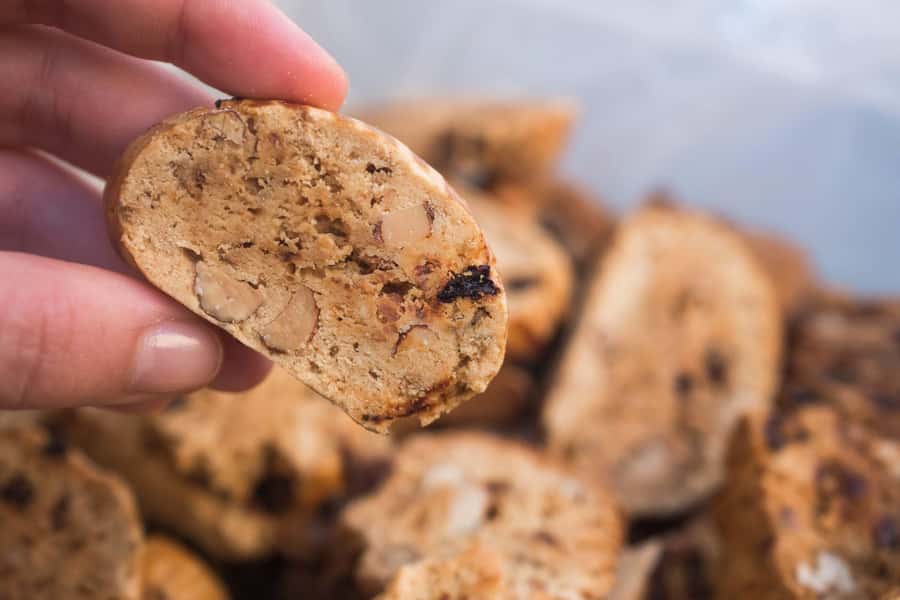
At $40, this is not the cheapest way to eat Moroccan sweets. You could buy pastries from a bakery for much less. But that comparison misses the central point. You are paying for instruction, equipment, tea preparation, a tasting, and food to take away. If you value an activity as well as a snack, the cost is reasonable.
The 150-minute duration is long enough to make the class feel substantial without taking your entire day. I would schedule it when you want a change of pace, perhaps between sightseeing plans rather than immediately before a major dinner. The class includes eating, so leave room for the pastries.
Starting times depend on availability. Since the workshop address is sent before the date and pickup is not provided, build your own transport plan around the confirmed details. Keep the contact information available in case the entrance is difficult to spot.
Cancellation is flexible: you can cancel up to 24 hours in advance for a full refund. You can also reserve now and pay later, which helps if you are arranging several Marrakech activities before your schedule is settled.
Who should book this pastry workshop?
I would recommend it to first-time bakers, couples, families with older children, and anyone who wants a break from sightseeing. It is particularly good for people who enjoy bringing home an edible souvenir. The tea lesson makes it more than a standard baking course.
It also suits a mixed group. An experienced baker can still enjoy the flavors and cultural details, while a beginner can follow the basic methods with support. If your main goal is to learn a broad range of Moroccan dishes, choose the provider’s separate cooking class instead. This experience concentrates on pastries and tea.
People with serious food allergies should contact the provider before booking and provide the details in advance. People who want a fully planned door-to-door activity should note that hotel transport is not included and the meeting address comes later.
Should you book the Marrakech pastry and tea class?
Book it if you want a friendly, hands-on activity with a clear payoff: fresh pastries, mint tea, and a box for later. The teaching is accessible, the group is small, and the class gives you a closer look at Moroccan flavors than a quick bakery stop can provide.
Skip it if you are looking for a full meal, a broad Moroccan cooking course, or a sightseeing tour with hotel pickup. For everyone else, this is a practical $40 choice, especially during a longer Marrakech stay when you need a relaxed afternoon away from the souks. Ask for the recipes, confirm the meeting point, and leave enough time for the taxi.
FAQ
How long does the Moroccan pastry and tea class last?
The experience lasts 150 minutes, or two and a half hours.
How much does the class cost?
The price is $40 per person.
What pastries will I make?
The class teaches Moroccan pastries and biscuits. Specific examples include fekkas and Kaab el Ghazal, though the exact selection may vary.
Is Moroccan mint tea included?
Yes. The class includes a tasting session with Moroccan mint tea, and you learn how to prepare and pour the tea yourself.
Can I take pastries home?
Yes. A box of pastries is included for you to take home after the class.
Is cooking equipment provided?
Yes. All necessary cooking equipment is included.
Is hotel pickup or drop-off included?
No. You must arrange your own transport to and from the workshop.
How will I find the meeting point?
The exact workshop location is sent before the experience date.
What languages are available?
The instructor can teach in Arabic, French, or English.
Can children join the class?
Children under 4 are not permitted. Participants under 18 must be accompanied by an adult.
Just added around Marrakech
- Marrakech: Medina Souks, Hidden Markets and Shopping Tour★ 4.8 · 33 reviews
- Guided walking tour in Marrakech★ 4.5 · 33 reviews
- Sunset Camel Ride Marrakech with Transfers★ 5.0 · 33 reviews
- Agafay desert sunset camel ride Tour from Marrakech★ 5.0 · 33 reviews
- 2 Days Desert Agafay and Atlas Mountains Trek From Marrakech★ 3.8 · 33 reviews
- Atlas mountains, Ourika valley, berber villages trip & Guide★ 5.0 · 33 reviews
- Magical Dinner show and Quad bike In Agafay Desert Marrakech★ 4.5 · 33 reviews
- Camel Ride at the Palm Groves in Marrakech★ 5.0 · 33 reviews
Workshops, compared.
Traditional Moroccan Cooking Class & Market Visit
Read our review →
Moroccan Dishes Cooking Class with a Local Chef
Read our review →
Moroccan Cooking Class & Marrakech Market Visit with Chef Khmisa
Read our review →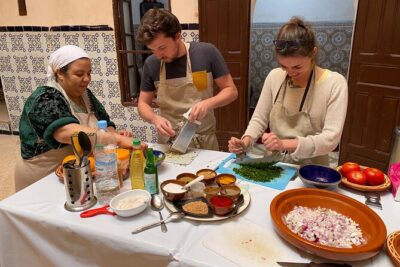
Half-Day Cooking Class with Local Chef Laila in Marrakech
Read our review →
Browse the lists this tour appears in