
Reviewed · CASABLANCA TOURS
Morocco tour start from Casablanca 8 days
Morocco changes scenery by the hour. I like the smart route linking Chefchaouen’s blue medina with Fez, the Roman ruins at Volubilis, and the Sahara near Merzouga. I also like the private format, which gives your group more control than a large coach tour. The main drawback is the pace: several days involve long drives, and the published route needs clarification about the final arrival in Marrakech.
At $1,228.04 per person, this is not a budget sightseeing trip, but it includes private transport, seven breakfasts, dinners, accommodation, fuel, parking, and the desert camp. I would confirm the exact hotels, guide assignment, entrance costs, and final drop-off point before paying, especially since the tour begins in Casablanca but the included transfer wording refers to Marrakech.
In This Review
- Key points to know before booking
- Casablanca arrival and the first practical details
- Hassan II Mosque and Rabat’s royal monuments
- Chefchaouen: blue streets with limited time
- Volubilis and Meknes, two different views of Morocco’s past
- Fez in one demanding but rewarding day
- Crossing the Middle Atlas to Merzouga
- Sunrise, the Ziz Oasis, Todra, and Dades
- Roses, Ouarzazate, and the route toward Marrakech
- What the $1,228 price really covers
- Who should book this Morocco route?
- Should you book it?
- FAQ
- Where does the tour start?
- How long is the tour?
- What time does the tour start?
- Is this a private tour?
- Is transportation included?
- Are meals included?
- Is accommodation included?
- Is the camel ride included?
- Are entrance fees included?
- Can I cancel for a full refund?
Key points to know before booking
- A private eight-day route connects Casablanca, Rabat, Chefchaouen, Meknes, Volubilis, Fez, Merzouga, the Dades Valley, and Marrakech.
- The Sahara night is the emotional center, with a camel ride over the Erg Chebbi dunes and an overnight stay at a desert camp.
- Long driving days are part of the deal, especially Fez to Merzouga and the route from the Dades Gorges toward Marrakech.
- Local guides are used for major historic sites, including Fez and Volubilis, while your main driver handles the long-distance route.
- The strongest praise centers on the drivers, particularly Hamid and Ahmed, who are described as friendly, helpful, multilingual, and good at explaining local customs.
- Entrance fees and tips are extra, and the itinerary includes some optional visits, such as Kasbah Amridil and the film studios at Ouarzazate.
Casablanca arrival and the first practical details
Your Moroccan journey begins at Mohamed V Airport, where a professional driver or guide meets you and takes you to your accommodation in central Casablanca. Day one is mainly an arrival day, so the 12-hour listing appears to describe the full availability window rather than twelve hours of sightseeing.
That is useful if your flight arrives late or you need time to settle in. You will have a base in Morocco’s economic capital, but the first substantial sightseeing comes the following morning.
The tour is private, so only your own group takes part. That matters in Morocco, where a small change in timing can make a big difference. You can usually ask for a photo stop, a slower morning, or a little extra time in a market, although the long route means flexibility has limits.
The tour starts at 7:30 a.m. and uses an air-conditioned vehicle. Private transportation, fuel charges, and parking are included. You should still ask how much luggage space is available, particularly if you are carrying large cases for eight days.
A few more Casablanca trips worth weighing up
- From Marrakech: Casablanca Tour with Hassan II Mosque Visit
★ 4.7 · 4,756 reviews - Casablanca: Hassan II Mosque Premium Tour with Entry Ticket
★ 4.5 · 2,971 reviews - Casablanca City Tour with Hassan II mosque ticket
★ 5.0 · 2,480 reviews
Hassan II Mosque and Rabat’s royal monuments
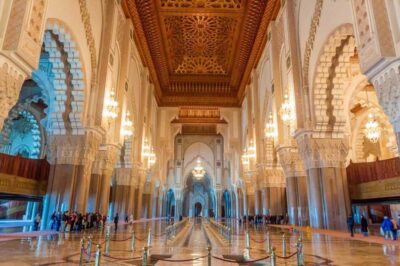
After breakfast, you visit Casablanca’s Hassan II Mosque. It is one of the city’s defining sights, with a very tall minaret and space for 25,000 worshippers. The visit is scheduled for about an hour.
The admission fee is not included, so budget separately for this stop. The mosque is an active religious site, not simply a monument, and your guide should explain the visiting rules and timing. The short visit works well as an introduction to Morocco, but you should not expect a long architectural study.
You then drive to Rabat, Morocco’s capital and administrative center. The itinerary focuses on the Kasbah des Oudaias, a compact historic quarter with narrow streets and views toward the coast. The scheduled visit is only about 30 minutes, so this is more of a quick orientation than a slow exploration.
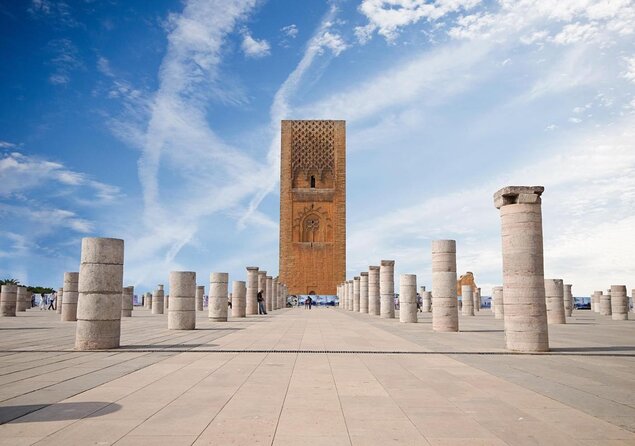
Next comes the Hassan Tower, the unfinished minaret of a 12th-century mosque commissioned by the Almohad ruler Abu Yusuf Yaqub al-Mansur. Its incomplete state is part of its appeal. You can see the scale of the original plan while learning how political ambition shaped medieval Rabat.
The day also includes time in Rabat’s medina, described as one of Morocco’s quieter markets. You can browse handicrafts, spices, and food without the same pressure found in some larger commercial quarters. Dinner and an overnight stay take place in a riad.
One practical issue appears here: the schedule places a 12-hour Chefchaouen stop after Rabat, while the day already includes Casablanca and Rabat. Confirm the actual overnight location and driving order. The route clearly intends to take you onward to Chefchaouen, but the timing shown is not perfectly clear.
Chefchaouen: blue streets with limited time
Chefchaouen is one of the most photogenic stops in Morocco. The town sits in the Rif Mountains, and its medina is painted in shades of blue, from pale powder tones to darker walls around doorways and steps.
Your walking tour takes you through the medina, its gates, and the cobbled main square. A café terrace gives you a place to sit with a view of the great mosque, whose octagonal minaret reflects Andalusian influence. The Qasbah and its gardens add another layer, with an ethnographic museum inside the old walls and crenellated towers.
This is a good place to slow down, but the itinerary gives you only one full day before moving on. I would use the morning for the guided walk, then keep some unstructured time for the square, small shops, and quiet side streets.
The blue paint is not the only reason Chefchaouen works so well. The town has a mountain setting and a gentler rhythm than the major imperial cities. Still, the narrow streets can be tiring if you are carrying luggage, and the uneven paving calls for comfortable shoes.
Breakfast, dinner, and accommodation are included at the Chefchaouen stop. The exact riad or hotel is not specified, so ask for its location. A place inside or close to the medina can make the evening more atmospheric, while a property farther out may make vehicle access easier.
Volubilis and Meknes, two different views of Morocco’s past
Day four takes you from Chefchaouen toward Volubilis and Meknes before continuing to Fez. The schedule lists about five hours for this section, though the full day includes road time between several stops.
Volubilis is the best preserved Roman site in this part of North Africa and a UNESCO World Heritage Site. A certified local guide explains Roman life as you walk among the baths, marble columns, and mosaic floors.
The mosaics are the main reason to visit. They are not just decorative fragments. They show how Roman homes used floors to display stories, animals, and symbols, giving you a glimpse of the people who lived here almost two thousand years ago.
The site is open and exposed, so the quality of the explanation matters. Without a guide, it can be hard to understand how the buildings fit together. The tour provides a local guide for this visit, which is a real advantage.
Meknes offers a different experience. It was an imperial city under Sultan Moulay Ismail, and the 18th-century Bab Mansour Gate is the visual centerpiece. The gate’s ornament and scale reflect the sultan’s effort to make Meknes a seat of power.
You also visit the mausoleum of Moulay Ismail. The itinerary describes it as small but impressive, which is a useful expectation. This is not a full-day Meknes visit. It is a carefully chosen sample before you continue to Fez.
Admission fees are not included at the major sights. Ask your guide which sites require payment and how much local currency you should carry.
A completely different sort of day out of Casablanca:
- Casablanca: City Tour with Hassan II Mosque Entry Ticket
★ 4.6 · 1,137 reviews - Private Tour of Casablanca with Hassan II Mosque Entry Ticket
★ 5.0 · 1,102 reviews - Marrakech Day Trip with Camel Ride from Casablanca
★ 5.0 · 740 reviews - Casablanca: Hassan II Mosque & City Highlights Tour
★ 4.5 · 573 reviews
Fez in one demanding but rewarding day
Fez deserves more than a quick glance, and this tour gives you a full day with a professional local guide. The visit begins outside the medina with the royal palace gate, the Jewish quarter, and a ceramics school.
The Jewish quarter, known as the Mellah, dates from the 16th century and is described as the first Jewish quarter in Morocco. Its architecture helps explain the city’s layered religious and cultural past. The ceramics school adds a hands-on artistic element, where you can see traditional Arabic design and craft techniques.
The second part moves into Fez el Bali, the old medina. Here, the guide becomes especially useful. The streets can be confusing, and important places are easy to miss without someone who knows the route.
The itinerary includes Al-Qarawiyyin, described as the world’s oldest university, the tanneries, and the mausoleum of Moulay Idriss. Each stop shows a different side of Fez: scholarship, trade, religious life, and traditional production.
Expect a busy day. A 14-hour schedule can include breakfast, walking, meals, sightseeing, and transfers, so you should pace yourself. Fez is best appreciated when you listen closely to the guide rather than trying to photograph every doorway.
The guide names most often associated with this company are Hamid and Ahmed. Past customers describe Hamid as warm, funny, professional, and able to speak several languages. Ahmed is praised for responding quickly to requests and explaining Moroccan traditions and customs. The company may assign someone else, so you should request a preferred guide when booking, but do not assume a particular person is guaranteed.
Crossing the Middle Atlas to Merzouga
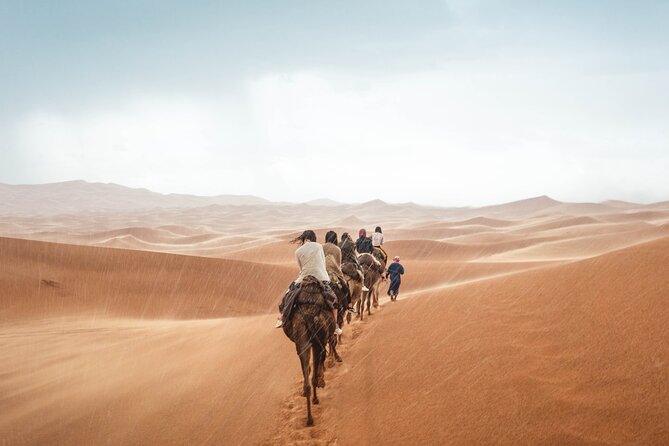
The drive from Fez to Merzouga is one of the hardest days. It takes you through the Middle Atlas Mountains, with a stop in Ifran, known as Morocco’s first ski resort.
The scenery changes from the city and farmland to mountain roads, plains, and cedar forest. Near Azrou, you may have a chance to see Barbary apes, an endemic species associated with the forest. The wording matters: this is an opportunity, not a guaranteed wildlife sighting.
Lunch comes in Midelt, a town associated with an annual apple festival in early October. From there, the road continues toward Errachidia and the Ziz Valley before reaching Erfoud, often treated as the gateway to the Sahara.
By the time you reach Merzouga, you have spent much of the day in the vehicle. The itinerary allows some time to rest before the camel ride, but do not expect a long break if road conditions or stops take extra time.
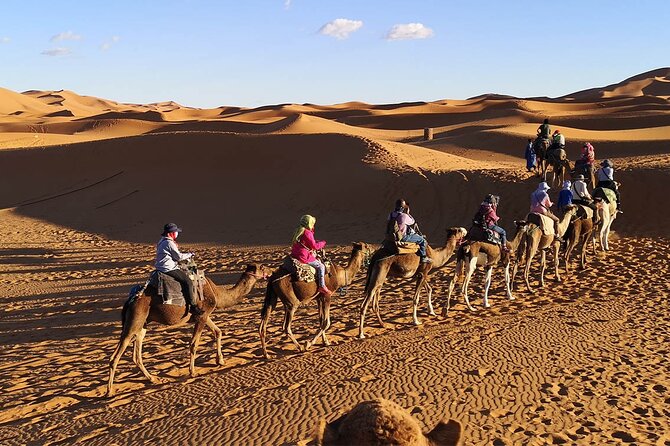
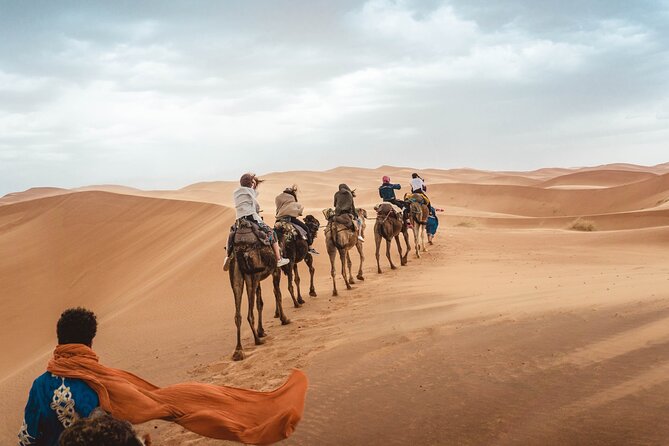
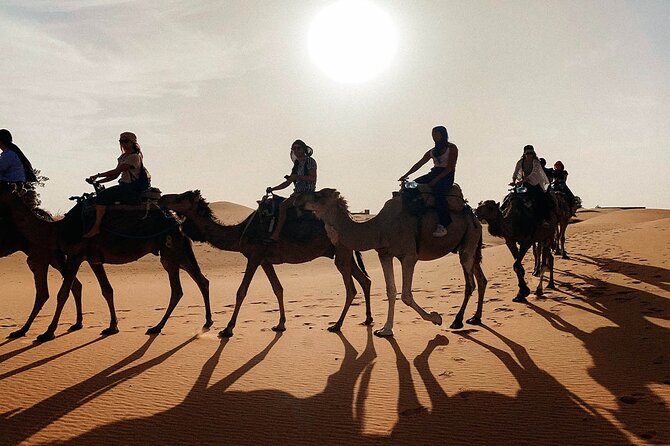
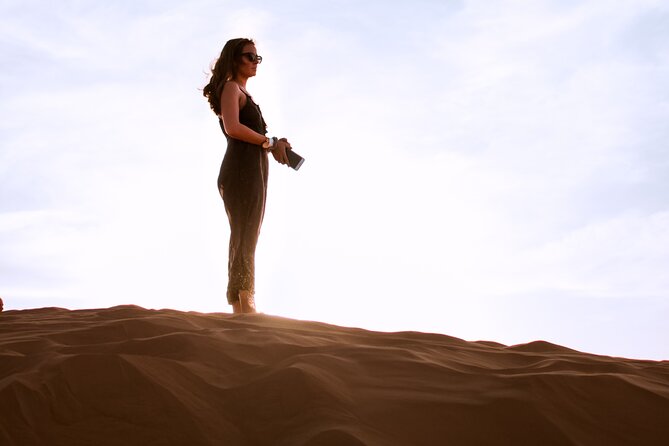
The camel ride crosses the Erg Chebbi dunes around sunset. This is the tour’s signature moment, but it is also worth preparing for physically. Riding on a camel can be uncomfortable, and you should bring water, sun protection, and a small overnight bag if possible.
You spend the night at a desert camp in Merzouga. Dinner and breakfast are included. The description presents this as time with Bedouin nomads, but the precise camp setup is not provided, so ask about bedding, bathrooms, electricity, and luggage handling.
Sunrise, the Ziz Oasis, Todra, and Dades
Day seven begins early with sunrise in the desert. You ride back toward Merzouga, meet your guide, and continue toward the Ziz Oasis.
The oasis stop gives you a look at an old irrigation system. That detail is important because the Sahara is not simply empty sand. Communities have long depended on careful water management, palms, and routes linking the desert to mountain towns.
The itinerary then names the Tontra Gorge, almost certainly referring to Todra Gorge. There, you can walk between rock walls and the river through a valley lined with date palms. The gorge is used for climbing and picnicking, but the included plan focuses on walking and scenery.
After lunch, you continue through the Dades Valley. Erosion has shaped the rock into unusual formations, and the route offers a welcome change after the sand dunes. Dinner and an overnight hotel stay in Tinghir are included.
Again, this is a long day of about 14 hours. The early sunrise is worth the effort, but you may feel the accumulated fatigue from the previous day. This tour rewards people who prefer seeing many regions in one trip over people who want long, quiet stays in each town.
Roses, Ouarzazate, and the route toward Marrakech
The final day leaves the Dades Gorges for the Valley of the Roses. Kalaa Mgouna is known for harvesting the plum rose and producing rose water and oil for beauty products.
A stop here gives you a chance to buy rose water as a practical souvenir. It is lighter and easier to pack than many handicrafts, and the product connects directly to the farming economy of the area.
The route continues through Skoura to Ouarzazate, called the Hollywood of Africa because filmmakers have used the surrounding scenery for major productions. The itinerary offers an optional visit to Kasbah Amridil and a visit to film studios where The Mummy and Gladiator were filmed.
Optional means you should clarify the extra cost and how much time the visit takes. Entrance fees are not included in the tour price, and this final day already covers a great deal of road.
The published day is labeled Marrakech, but the detailed description ends in Ouarzazate and does not clearly state when you reach Marrakech or where you are dropped off. This is the biggest planning question in the entire trip. If your flight leaves from Marrakech, ask for the expected arrival time and whether the final hotel transfer is included.
What the $1,228 price really covers
At $1,228.04 per person, the price buys more than transportation. You receive a private air-conditioned vehicle, private transport, parking, fuel charges, accommodation, seven breakfasts, dinners, and a night at the desert camp.
That can be good value if your group wants a guide, does not want to arrange separate hotels, and values door-to-door transport across a large part of Morocco. The private setup also means you are not sharing the entire eight days with strangers, although group discounts may be available.
The cost does not include tips or entrance fees. Hassan II Mosque, Volubilis, monuments in Rabat and Meknes, and optional visits can add to your spending. The package also does not specify every hotel, the exact camp standard, or all meals.
I would ask four questions before booking:
- Which nights are spent in which hotels or riads?
- Is Marrakech the final destination, and is hotel drop-off included?
- Which entrance fees must I pay locally?
- Can I request Hamid, Ahmed, or another multilingual guide?
The cancellation policy is generous if your plans change early. You can receive a full refund by canceling at least 24 hours before the start time. Cancellations or changes inside that period are not refunded or accepted. Poor weather or failure to reach the minimum number of participants can lead to a different date, another experience, or a full refund.
Who should book this Morocco route?
I would recommend it to first-time visitors who want Morocco’s major contrasts in one organized trip. You see Atlantic-city architecture, imperial capitals, Roman ruins, mountain towns, desert dunes, gorges, oases, rose products, and film locations.
It suits couples, families, and friend groups who value a private vehicle and a driver who can adjust the rhythm. The strong praise for Hamid and Ahmed points to the importance of a personable guide, especially when you are spending many hours together on the road.
I would hesitate if you dislike early starts, long drives, or changing hotels. This is not a relaxed Marrakech holiday. It is a fast-moving route that covers a large portion of the country, with several days scheduled for roughly 14 to 16 hours.
Should you book it?
Book this tour if your priority is range. You will see far more of Morocco than you could manage comfortably by arranging each transfer yourself, and the Sahara camp, Chefchaouen, Fez, and Volubilis give the trip real variety.
Do not book until the operator confirms the final Marrakech arrangements and the exact accommodation. If those details check out, the private format, included transport, desert night, and highly praised driver service make the price reasonable for a well-organized first visit.
FAQ
Where does the tour start?
The tour starts in Casablanca, with pickup at Mohamed V Airport and transfer to accommodation in central Casablanca.
How long is the tour?
The tour lasts approximately eight days.
What time does the tour start?
The stated start time is 7:30 a.m.
Is this a private tour?
Yes. Only your group participates in the private activity.
Is transportation included?
Yes. The package includes private transportation in an air-conditioned vehicle, fuel surcharge, and parking fees.
Are meals included?
Seven breakfasts and dinners are included. The package does not state that lunches are included.
Is accommodation included?
Yes. Accommodation is included, including a hotel stay in Tinghir and a desert camp in Merzouga. The itinerary also includes hotels or riads in other overnight locations, but the exact properties are not named.
Is the camel ride included?
The itinerary includes a camel ride in the Erg Chebbi dunes near Merzouga, followed by an overnight stay at a desert camp.
Are entrance fees included?
No. Entrance fees are not included. Tips are also separate.
Can I cancel for a full refund?
Yes, if you cancel at least 24 hours before the experience start time. Cancellations or changes made less than 24 hours before the start time are not refunded or accepted.
Just added around Casablanca
- Private Half-Day Guided Tour of Casablanca★ 4.0 · 17 reviews
- Private 10 days Tour From Casablanca Via Desert★ 5.0 · 17 reviews
- Casablanca day trip from the cruise ship passenger.★ 4.2 · 17 reviews
- Morocco 8-Night Tour: Chefchaouen, Desert & Hot Air Balloon★ 5.0 · 18 reviews
- Private 11 Day Tour From Casablanca Imperial Cities Sahara Desert★ 5.0 · 18 reviews
- Private Casablanca Layover Tour with Round-Trip Airport Transfer★ 4.5 · 18 reviews
- Big Morocco Tour 15 Days From Casablanca★ 5.0 · 18 reviews
- Casablanca Airport Transfer from hotel in Casablanca★ 5.0 · 18 reviews
Casablanca Tours, compared.
Hassan II Mosque Premium Tour with Entry Ticket
Read our review →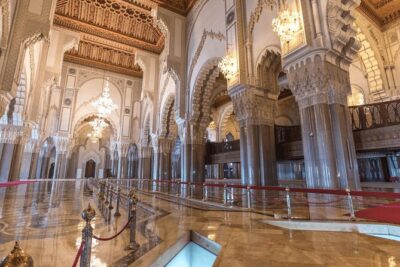
Casablanca City Tour with Hassan II mosque ticket
Read our review →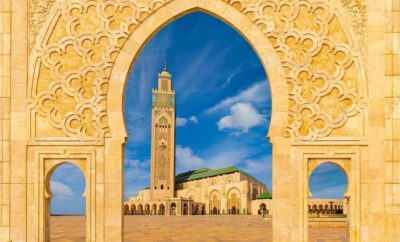
Private Tour of Casablanca with Hassan II Mosque Entry Ticket
Read our review →
Marrakech Day Trip with Camel Ride from Casablanca
Read our review →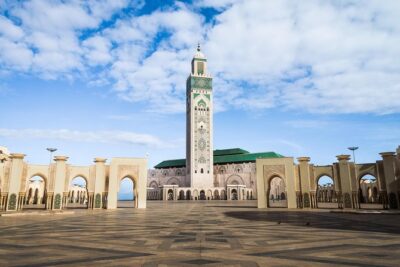
Browse the lists this tour appears in