
Reviewed · ARTISAN AND CRAFT WORKSHOPS
Lamsaty Pottery Workshop with Moroccan Tea
Clay makes a fine Marrakech souvenir. Lamsaty offers a relaxed way to spend about two hours making something with your hands, rather than simply buying another item in the souk. I like the chance to try both hand modeling and a pottery wheel, and I like the friendly, family-run setting with Moroccan tea included. The main drawback is its location north of the Medina, in a modern industrial area that can be awkward to find and does not feel like a traditional Moroccan pottery quarter.
This is a hands-on class for adults, children, couples, and families. You can shape red Marrakech clay into a cup, box, tagine, or another small object, then take turns at the wheel. Wear clothes that can get dirty, and allow extra time for transportation. If you hope to have your pottery fired, you need to remain in Marrakech for at least six days after the workshop.
In This Review
- Key Details Before You Book
- What the Lamsaty Workshop Really Offers
- Finding the Atelier North of the Medina
- The First 15 Minutes: A Clear Clay Demonstration
- Hand Modeling: The Most Relaxed Part of the Class
- Taking a Turn at the Pottery Wheel
- Tea, Music, and the Family Atmosphere
- What Happens to Your Pottery After Class
- Is $40.71 Good Value?
- Who Will Enjoy Lamsaty Most?
- Practical Advice for a Better Session
- Should You Book This Marrakech Pottery Class?
- FAQ
- How long does the Lamsaty pottery workshop last?
- How much does the pottery workshop cost?
- Where does the workshop begin and end?
- Is Moroccan tea included?
- Can beginners try the pottery wheel?
- What can I make during the class?
- Can I take my pottery home?
- Can my pottery be fired?
Key Details Before You Book
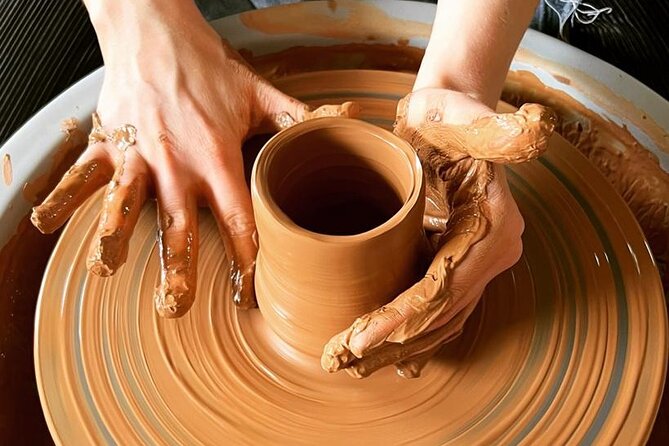
- Two clay techniques in one session: Learn hand modeling, then try shaping clay on a pottery wheel.
- A family-run atelier: The workshop is operated by members of the same family, including sisters and a brother, creating a warm and informal setting.
- Moroccan tea with your project: Tea or coffee is included while you work.
- A small group limit: The class accepts a maximum of 15 people, though the amount of personal help may vary as the session progresses.
- The workshop is outside the Medina: It is just north of the old city, so arrange your ride carefully and do not rely on every taxi driver knowing the address.
- Firing takes planning: Your clay pieces need proper drying time, and firing is possible only if you stay in Marrakech for at least six days.
What the Lamsaty Workshop Really Offers
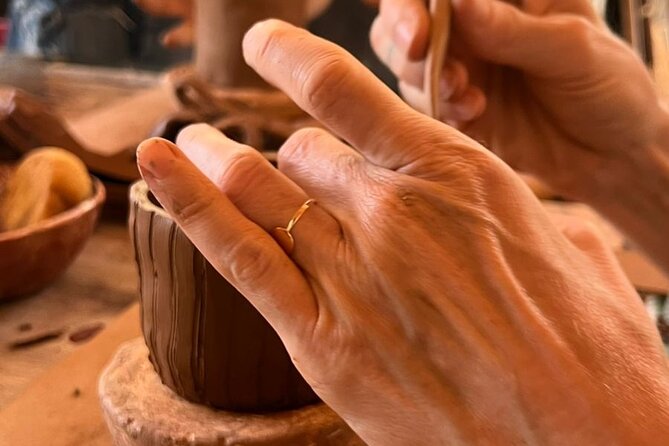
Lamsaty is best understood as a creative craft class, not a formal lesson in Moroccan ceramic history. You come to make things, learn basic techniques, relax with tea, and enjoy a break from sightseeing.
The setting is described as a clean, attractive, modern workshop. It is not presented as a traditional handicraft center in the souks, and you should not expect demonstrations of historic Moroccan pottery methods or a tour of old kilns. That distinction matters. If you want to see how traditional zellij tilework or famous Moroccan tagines are produced, you will need a different experience.
I see the appeal in the simpler approach. You get clay in your hands quickly, and beginners do not need previous experience. The workshop gives you room to experiment without turning the session into a lecture.
The activity also reaches beyond pottery. The wider workshop teaches sewing, painting, sculpture, and the making of pouches, cushions, and other clothing pieces. The detailed pottery program places most of its attention on clay, so you should treat sewing as an available creative theme rather than assume you will complete a full garment or cushion during the two-hour session.
More Artisan and Craft Workshops in Marrakech
- Marrakech: Traditional MRC Hammam and Massage with Argan Oil
★ 4.0 · 1,202 reviews - Marrakech: Pottery Workshop with Moroccan Tea
★ 4.8 · 756 reviews - Marrakech: Traditional Moroccan Hammam, Massage & Argan Oil
★ 4.3 · 294 reviews
Finding the Atelier North of the Medina
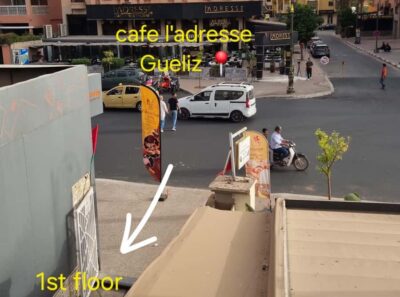
The meeting point is listed at MXC7+6X8 in Marrakesh, Morocco, with the activity ending at the same place. The workshop sits a little north of the Medina, in an industrial district rather than among the souks.
That location is the first practical issue. Some taxi drivers have had trouble finding it, and one ride reportedly went in circles before arriving. Local people may be able to help, but it is better to have the exact map point ready on your phone. The provider has also indicated that drivers can contact the workshop for directions.
I would use a ride service with map navigation, such as inDrive, if it is available to you, rather than assume a standard taxi will recognize the workshop name. Leave a little breathing room before your start time. Arriving late can cut into the part you most want, the actual making.
The location does have one advantage: once you arrive, you are in a dedicated workshop rather than trying to work at a crowded market stall. The space has been described as well kept and welcoming, with music and a calm atmosphere.
The First 15 Minutes: A Clear Clay Demonstration
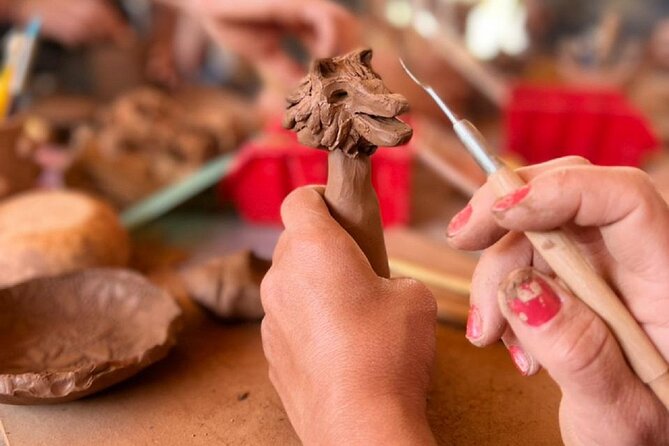
The class begins with a demonstration of up to 15 minutes. This introduction covers basic tools, clay handling, and the main techniques used during the session.
Instructions can be given in more than one language. English and French have both been used for demonstrations, which is useful in a mixed group. The instructors show how to handle the clay and explain the difference between hand modeling and wheel work.
This short demonstration is important because clay responds badly to force. Beginners often press too hard, make walls too thin, or forget to support the inside of a form. A quick explanation gives you enough to begin without wasting half the class on theory.
I would pay close attention to the order of the steps. The hand-built piece is the more forgiving project, while the pottery wheel takes more control and coordination. If the first attempt looks lopsided, that is normal. The wheel is a difficult technique that usually takes repeated practice.
Hand Modeling: The Most Relaxed Part of the Class
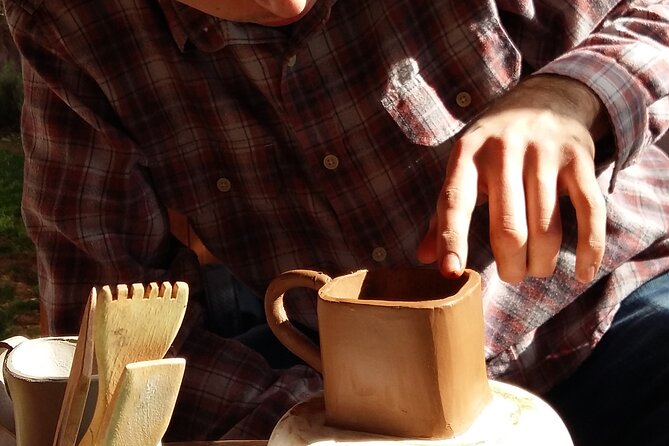
After the demonstration, you create a piece by hand. The suggested options include a cup, a box, a tagine, or a small sculptural object.
This is where the workshop feels most accessible. You can pinch, roll, press, cut, and decorate the clay at your own pace. Tools and shaping implements are available, and the instructors move around to offer advice or help repair a form that is starting to crack or lose its shape.
I like this part because it gives you a real sense of making. You are not simply painting a pre-made souvenir. You begin with a lump of local clay and decide what it will become.
The clay is described as easy to work with, but do not expect perfect results on the first try. A handmade cup may have uneven walls. A box may lean. Those small flaws are part of the point, especially for children and first-time makers.
The work is also messy. Clay can get onto your sleeves, trousers, and shoes, so choose clothing you do not mind washing afterward. The mess is manageable, but it is not a polished, hands-off activity.
More Artisan and Craft Workshops:
- Marrakech: Traditional Moroccan Hammam with Argan Black Soap
★ 3.8 · 120 reviews - Marrakech: Traditional MRC Hammam and Massage with Argan Oil
★ 3.9 · 91 reviews - Marrakech Medina Basket Embroidery Workshop
★ 4.9 · 69 reviews - Marrakech Hammam, Massage & Berber Carpet Weaving Workshop
★ 4.6 · 48 reviews
Taking a Turn at the Pottery Wheel
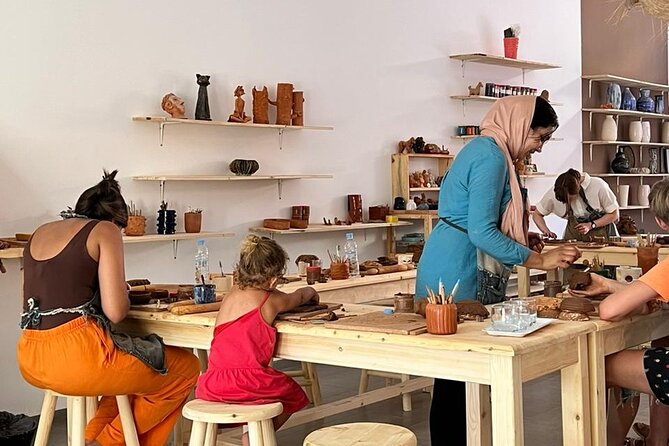
The wheel is the most exciting part for many people, but it is also the part most likely to feel rushed. Participants take turns using the spinning machine, with instructors providing hands-on help.
You may learn how to center the clay, open the middle, and pull the walls upward. Even a basic attempt shows why professional potters make the process look easy. The clay shifts quickly, and a small movement can change the whole shape.
The workshop gives beginners a chance to try the wheel, but this should not be confused with a full wheel-throwing course. Time is shared among the group, and a class of up to 15 people means everyone may have only a short turn. Some sessions provide close help, while others may feel less supported later in the class as the instructors assist several people at once.
I would treat the wheel as a fun introduction rather than a promise that you will leave with a perfect vase. Your hand-modeled piece is likely to offer more control and a better chance of producing something recognizable. The wheel is the memorable experiment.
Tea, Music, and the Family Atmosphere
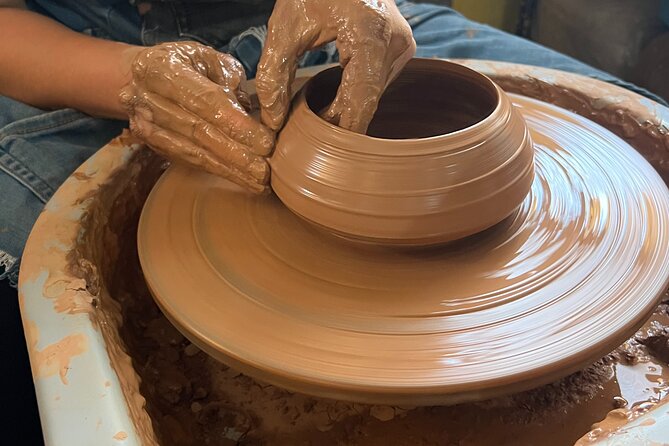
Moroccan tea or coffee is included, giving the class a welcome pause. Tea is not the main attraction, but it helps make the workshop feel social rather than purely instructional.
The family-run nature of the atelier is part of its charm. The business is operated by family members, including three sisters and a brother according to the available descriptions. Instructors are often praised for being patient, kind, and encouraging, especially with beginners and families.
The atmosphere appears informal. After the opening explanation, you may be given room to work independently while the instructors circulate. That works well if you enjoy experimenting. It may be less satisfying if you want continuous, one-to-one teaching.
The workshop has earned a 4.9 rating from 75 reviews, with 97 percent recommending it. The strongest praise centers on the friendly staff, clear initial instruction, attractive space, and the pleasure of trying something different in Marrakech. Those points match the experience’s main strength: it is a pleasant creative outing, not a demanding technical course.
What Happens to Your Pottery After Class
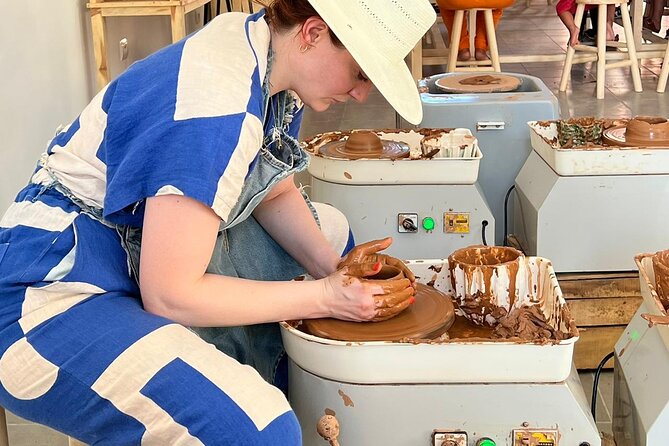
At the end, you can take your pieces with you in a practical bag. You may let them dry at home for a day and paint them after the clay has hardened.
The firing option requires more planning. If you will still be in Marrakech for at least six days after the workshop, the pieces can be fired. The drying period is essential because a piece containing water can explode in the kiln.
That warning is worth taking seriously. Fresh clay may feel dry on the outside while moisture remains inside. Firing too soon can damage the work and the kiln.
Before you book, ask exactly how finished pieces will be stored, collected, and fired. Some people have had problems arranging shipment of pottery overseas after confusion about the final payment. This does not erase the value of the class, but it does mean you should not assume international shipping is automatic or included in the $40.71 price.
If you are leaving Marrakech soon, you can still enjoy the making process and take unfired work with you. Just remember that unfired clay is fragile. Pack it carefully, and confirm what the workshop can realistically return before you leave.
Is $40.71 Good Value?
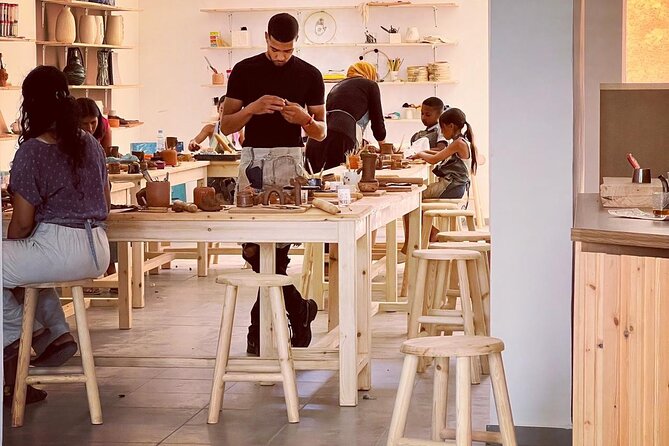
At $40.71 per person, this is not the cheapest way to spend two hours in Marrakech. It is fair value if you want instruction, materials, access to a pottery wheel, tea, and a finished handmade object to carry away.
The price makes more sense for a couple or family looking for a shared activity. You are paying for time, guidance, clay, tools, and a dedicated place to work. The experience also gives you a break from the heat, crowds, and constant shopping pressure around the Medina.
The value is weaker if you expect a deep cultural lesson, a traditional pottery village, or several finished glazed pieces. The class is modern and practical. It teaches basic making skills, but it does not explain much about the history of Moroccan ceramics.
For families, the price may be worthwhile because children can participate rather than simply watch. For couples, it offers a relaxed date activity. For solo visitors, it can be enjoyable, though the shared wheel time may feel brief in a larger group.
The workshop is commonly booked about 19 days ahead. That suggests planning is sensible, especially if your Marrakech schedule is tight or you need the firing option. The maximum group size is 15 people, so the experience is not necessarily private or intimate.
Who Will Enjoy Lamsaty Most?
I would recommend this class to you if you want a creative break and do not mind getting messy. It suits first-time potters, families with children, couples, and adults who want to make something instead of spending another morning shopping.
It is particularly good for:
- People who want to try a pottery wheel without committing to a long course
- Families looking for an activity that most age groups can share
- Couples seeking a low-key date in Marrakech
- Visitors who enjoy crafts, sewing, painting, or sculpture
- Anyone staying long enough to have clay pieces fired
I would hesitate if your priority is traditional Moroccan culture. The workshop does not sit in the souks and does not present itself as a historic handicraft experience. It could take place in many modern cities, with Marrakech clay and Moroccan tea providing the local connection.
I would also think twice if you have only a short time in Marrakech and dislike uncertain transportation. The workshop itself lasts about two hours, but the ride north of the Medina can add stress if you leave at the last minute.
Practical Advice for a Better Session
Book at least 24 hours ahead if you want the option of a full refund for cancellation. Changes or cancellations made less than 24 hours before the start time are not accepted for a refund, and the cut-off follows local Marrakech time.
Bring your mobile ticket and keep the meeting point open on your phone. A taxi driver may not know the atelier by name, so use the map location and ask the driver to contact the workshop if needed.
Wear old, comfortable clothes. Clay can land on your sleeves, and you may spend much of the class leaning over a worktable.
If you are traveling with children, explain that pottery is not instant. A finished-looking piece may need drying, painting, and firing before it becomes a usable ceramic object. That expectation will help everyone enjoy the process instead of judging the result.
If you want your pottery fired, tell the workshop at the start and confirm the timing, collection method, and any extra payment. If you want the work shipped abroad, settle every cost and delivery detail before leaving the atelier, preferably in writing.
Should You Book This Marrakech Pottery Class?
Book it if you want a friendly, hands-on activity with clay, tea, and a chance to try the wheel. The patient family team, multilingual instruction, clean space, and strong value for a two-hour craft session make it a good choice for couples and families.
Skip it if you are seeking a traditional souk-based pottery lesson or a serious cultural tour. The location is less convenient than the Medina, the wheel portion may be short, and firing or shipping requires careful planning.
My call: this is a worthwhile creative outing, provided you judge it as a beginner pottery workshop rather than a Moroccan ceramics history lesson. Wear old clothes, arrange your ride early, and ask clear questions about your pieces before you head home.
FAQ
How long does the Lamsaty pottery workshop last?
The workshop lasts approximately two hours.
How much does the pottery workshop cost?
The listed price is $40.71 per person.
Where does the workshop begin and end?
It begins at MXC7+6X8 in Marrakesh, Morocco, and ends back at the same meeting point.
Is Moroccan tea included?
Yes. Coffee and/or tea is included, with Moroccan tea offered during the creative session.
Can beginners try the pottery wheel?
Yes. The program includes an opportunity to try wheel throwing, along with hand modeling.
What can I make during the class?
You may create a cup, box, tagine, or another modeled object. The wider workshop also covers sewing, painting, sculpture, pouches, and cushions.
Can I take my pottery home?
Yes. You can take your creations with you in a practical bag after the session. The pieces should dry before you paint them.
Can my pottery be fired?
Firing is possible if you stay in Marrakech for at least six days after the workshop. The pieces need sufficient drying time because water inside the clay can cause it to explode in the kiln.
More Workshops
- Marrakech: Moroccan Cooking Class with Pickup
★ 4.6 · 1,862 reviews - Marrakech: Traditional Moroccan Cooking Class & Market Visit
★ 4.8 · 1,861 reviews - Marrakesh: Moroccan Dishes Cooking Class with a Local Chef
★ 5.0 · 1,615 reviews - Moroccan Cooking Class & Marrakech Market Visit with Chef Khmisa
★ 5.0 · 1,504 reviews
Just added around Marrakech
- Marrakech: Medina Souks, Hidden Markets and Shopping Tour★ 4.8 · 33 reviews
- Guided walking tour in Marrakech★ 4.5 · 33 reviews
- Sunset Camel Ride Marrakech with Transfers★ 5.0 · 33 reviews
- Agafay desert sunset camel ride Tour from Marrakech★ 5.0 · 33 reviews
- 2 Days Desert Agafay and Atlas Mountains Trek From Marrakech★ 3.8 · 33 reviews
- Atlas mountains, Ourika valley, berber villages trip & Guide★ 5.0 · 33 reviews
- Magical Dinner show and Quad bike In Agafay Desert Marrakech★ 4.5 · 33 reviews
- Camel Ride at the Palm Groves in Marrakech★ 5.0 · 33 reviews
Artisan and Craft Workshops, compared.
Traditional MRC Hammam and Massage with Argan Oil
Read our review →
Traditional Moroccan Hammam, Massage & Argan Oil
Read our review →
ATV Quad Biking and Goats On Argan Trees with Tea
Read our review →
Traditional Moroccan Hammam with Argan Black Soap
Read our review →Traditional MRC Hammam and Massage with Argan Oil
Read our review →
Pottery and Mosaic Workshop in Fes Led by Local Artisans
Read our review →
Browse the lists this tour appears in