
Reviewed · MERZOUGA AND SAHARA DESERT TOURS
From Marrakech: Quad, Camel, & Dinner 3-Day Merzouga Tour
Desert nights reward the long road. This three-day trip links Marrakech with the High Atlas, Ait Ben Haddou, the Dades Valley, Todgha Gorges, and the Erg Chebbi dunes, giving you a broad taste of southern Morocco in a short amount of time. I especially like the sunset camel ride and the chance to sleep in a desert camp with dinner, drumming, and stars overhead. The main drawback is simple: you spend many hours on the road, particularly on the return to Marrakech.
The trip also earns praise for its guides. Names such as Ali, Youssef, Omar, Hakim, Walid, and Abdul appear often in the feedback, with care, humor, and good organization repeatedly singled out. I like that the package includes air-conditioned transport, two breakfasts, two dinners, camel rides at sunset and sunrise, and sandboarding, but you should budget separately for lunches, tips, and the optional quad ride.
In This Review
- Key points at a glance
- What this three-day Morocco trip is really like
- Day 1: High Atlas roads and Ait Ben Haddou
- Dades Valley and the road to Tinghir
- Day 2: Todgha Gorges and the arrival at Merzouga
- Quad biking, sandboarding, and the Erg Chebbi camp
- Sunrise in the Sahara and the long return
- How good is the value?
- Who should book this Merzouga tour?
- What to pack and how to prepare
- Should you book it?
- FAQ
- How long is the tour from Marrakech to Merzouga?
- What places are visited on the first day?
- Is Ait Ben Haddou a UNESCO-listed site?
- Is the camel ride included?
- Is quad biking included in the tour price?
- What accommodation is provided?
- Are vegetarian and vegan meals available?
- What should I bring for the desert camp?
Key points at a glance
- A long but scenic route: You cross the High Atlas and Tizi n’Tichka Pass before reaching Morocco’s desert country.
- Ait Ben Haddou adds culture: The UNESCO-listed kasbah gives the trip more substance than a simple camel excursion.
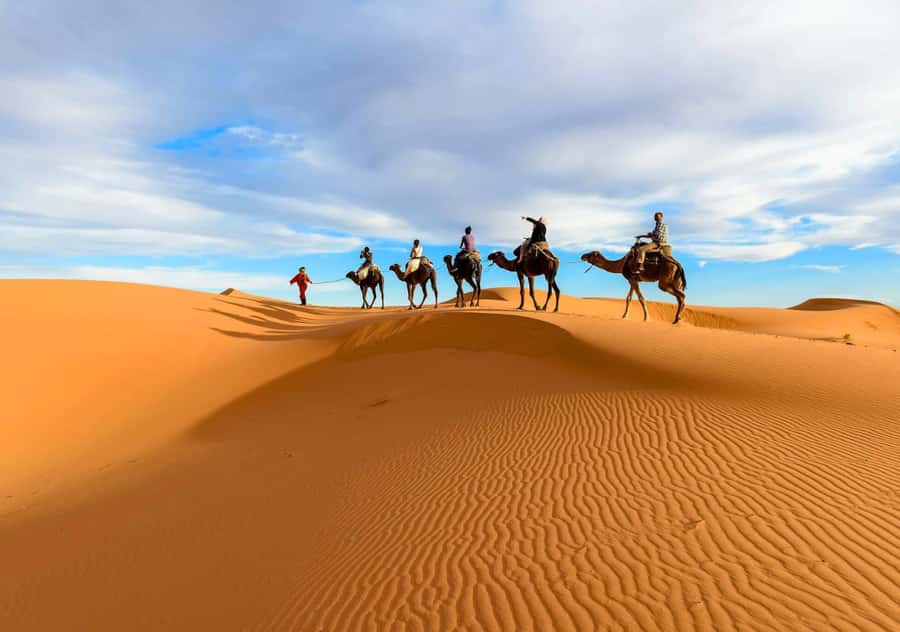
- Sunset at Erg Chebbi is the star moment: You ride camels across the dunes, then continue to camp for dinner and music.
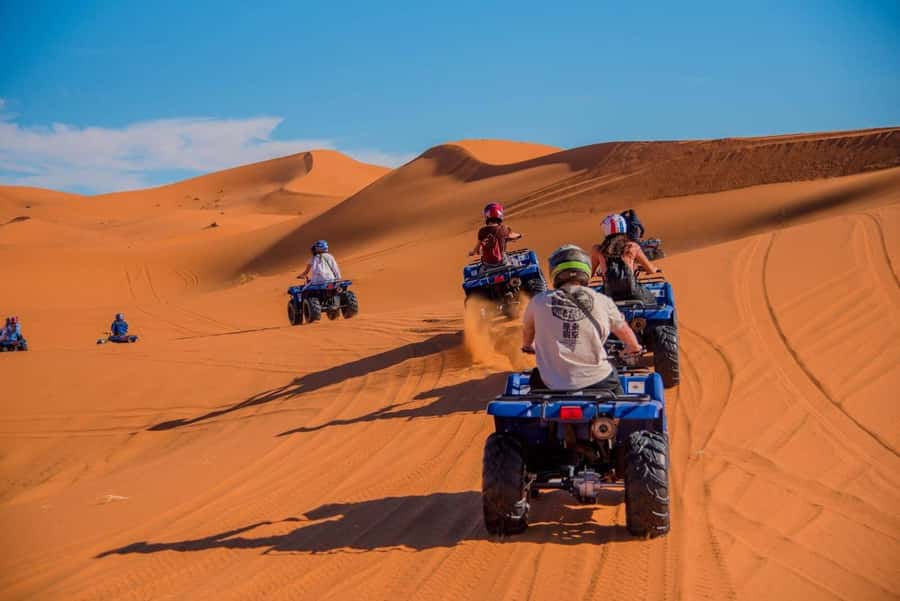
- Quad biking costs extra: Local operators offer ATV and buggy rides, with many customers paying about €40 for the quad option.
- Camp comfort varies by package: Standard and luxury camp choices are available, and the selected option affects your overnight stay.
- Pack for two climates: Summer heat can be intense, while winter nights near the camp can drop to 0°C.
What this three-day Morocco trip is really like
This is not a quick desert outing. Merzouga sits a long way from Marrakech, so the tour works by turning the journey into the main event. You move through mountain roads, kasbah country, valleys, cliffs, villages, and finally the Sahara.
That makes the trip a good choice if you have only three days and want to see several famous places without arranging separate hotels, transport, and activities. It also means you need to accept a busy schedule and long stretches in a minibus or van.
The overall rating is 4.9 out of 5 from 483 ratings, and the strongest praise centers on the guides, smooth organization, desert camp, and value for money. The practical picture is balanced: most people find the trip worthwhile, but the back seats in the van can feel cramped, and the road time is real.
More Camel Rides:
- Marrakech: Agafay Desert Sunset, Camel Ride, and Dinner Show
★ 4.6 · 35,119 reviews - Marrakech: Agafay Desert Quad & Camel Rides with Dinner Show
★ 4.8 · 27,382 reviews - Marrakech: Agafay Desert Quad & Camel Rides with Dinner Show
★ 4.9 · 10,771 reviews
Day 1: High Atlas roads and Ait Ben Haddou
Pickup takes place at your Marrakech hotel or riad, with drop-off later at your hotel or near Djemaa El Fna. Transport is provided in an air-conditioned van with Wi-Fi, though the exact comfort of the ride can vary depending on your seat.
The first major section crosses the High Atlas Mountains. Tizi n’Tichka Pass is the key mountain crossing, and the road gives you a sharp change from Marrakech’s city setting to dry mountain country. This is one of those stretches where you should keep your camera ready, but also expect winding roads and a fair amount of sitting.
The stop at Ait Ben Haddou is the cultural anchor of the first day. This fortified mud-brick settlement is UNESCO listed and has been used as a setting for films. You can walk through its lanes, view the old buildings, and learn about the structure with a local guide. A guide is not included in the base package, but one is available for €2 per person.
That small extra fee may be worthwhile if you want context rather than just photographs. Without a guide, you can still appreciate the ochre walls and hilltop views, but the stories behind the kasbah are easier to follow with someone explaining the site.
The route continues toward the Dades Valley and Tinghir. The first night is spent in an air-conditioned hotel room or suite with a private bathroom. The accommodation receives some of the warmest praise, with one customer describing a spacious room and pool that exceeded expectations.
Dinner is included. Lunch is not, so keep cash available for the meal stop and for drinks. Several people recommend carrying more cash than expected because some restaurants and small stops do not take cards.
Dades Valley and the road to Tinghir
The Dades Valley helps break up the drive with a change of scenery and pace. Here you see dry valleys, cultivated areas, traditional buildings, and the earth-colored architecture that gives southern Morocco its distinct look.
The value of this stop is not just visual. It shows you that the desert is not one endless field of sand. Morocco’s route south moves through mountain, farmland, rocky valleys, and small settlements before it reaches Erg Chebbi.
You will likely spend much of this day in the vehicle, but regular stops are built into the schedule for refreshments, toilets, photographs, and views. A nap can be useful. So can a power bank, since you will want your phone ready for both Ait Ben Haddou and the desert.
Guides make a large difference here. Ali is praised for checking on everyone and explaining the places along the route. Hakim is described as patient, funny, and careful with arrangements. Other named guides, including Youssef, Walid, Omar, and Abdul, are praised for keeping the group cheerful and helping with luggage.
That personal service is a real benefit on a packed trip. You are not left to work out every transfer alone, and the guides introduce you to local staff at the various stops.
Day 2: Todgha Gorges and the arrival at Merzouga
Day two brings one of the tour’s most dramatic stops, Todgha Gorges. The gorge is known for its tall rock walls and narrow passage, and you have time to walk through the area with a local guide.
Mustafa is praised for combining useful information with humor, which matters on a group tour. A good guide can keep the walk moving while still giving you enough detail to understand why the gorge matters.
After Todgha, the route continues toward Merzouga. This is another long drive, but the destination changes the mood. The red and gold dunes of Erg Chebbi are the setting for the evening’s main event.
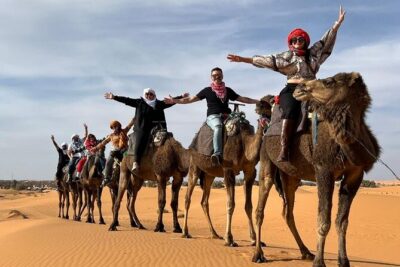
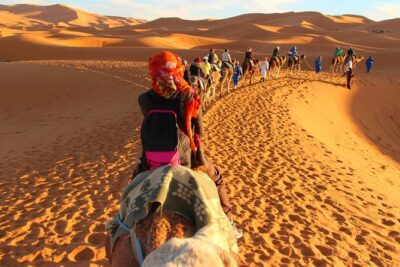
At the camel station, you trade the van for a slower ride into the dunes. Camel trekking is included at sunset and again at sunrise. Wear trousers, jeans, or long shorts, since the saddle and steady movement can rub your legs. Comfortable shoes, sunglasses, sunscreen, and a camera are sensible choices.
The sunset ride is the classic photograph, but it is more than a photo stop. The pace becomes quiet, the van disappears from view, and the dunes begin to change color as the sun lowers. If you are uneasy about riding a camel, ask about using a 4×4 for part of the transfer. The supplied information confirms camel and 4×4 access, though the exact arrangement can depend on the camp and local operation.
Some people also raise questions about the ethics of camel rides. The camels described in the feedback appeared to be in good condition, but you should make your own comfort decision. Quad biking offers a different way to cross the sand and may suit you better if you want speed rather than a slow ride.
More Sahara Desert Tours:
- From Marrakech: 3-Day Merzouga and Sahara Desert Tour
★ 4.9 · 15,308 reviews - From Marrakech: Merzouga 3-Day Desert Safari with Food
★ 4.7 · 12,232 reviews - 3 Days Desert Tour From Marrakech To Merzouga Dunes & Camel Trek
★ 5.0 · 10,125 reviews - 3-Day Marrakech to Merzouga Desert Tour: Camel Rides & Overnights
★ 5.0 · 8,734 reviews
Quad biking, sandboarding, and the Erg Chebbi camp
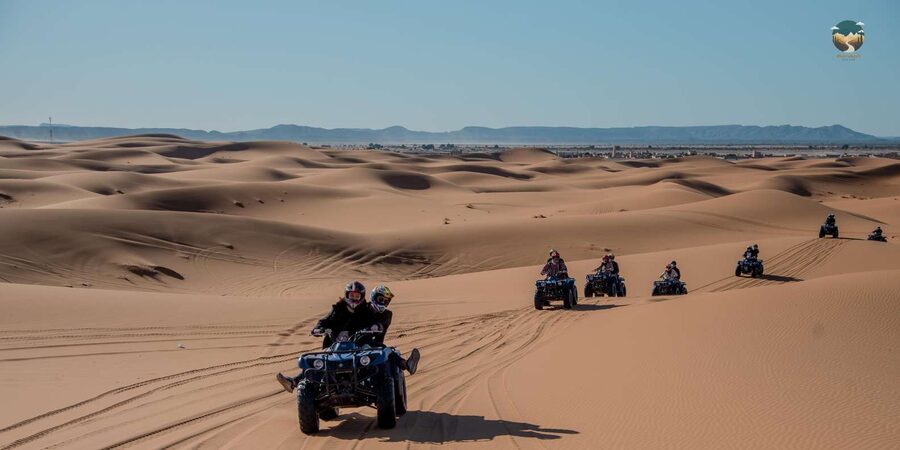
Quad bikes and buggies are not included in the base package. They are rented from local operators, and the commonly reported price for an ATV session is about €40. That price can change, so confirm it before you ride.
I see the quad ride as an optional upgrade rather than a required part of the tour. It adds speed and excitement, and several people considered it worth the extra cost. If you already enjoy off-road driving, it may be the best use of your spare budget. If you mainly want the desert atmosphere, the camel ride and camp provide plenty.
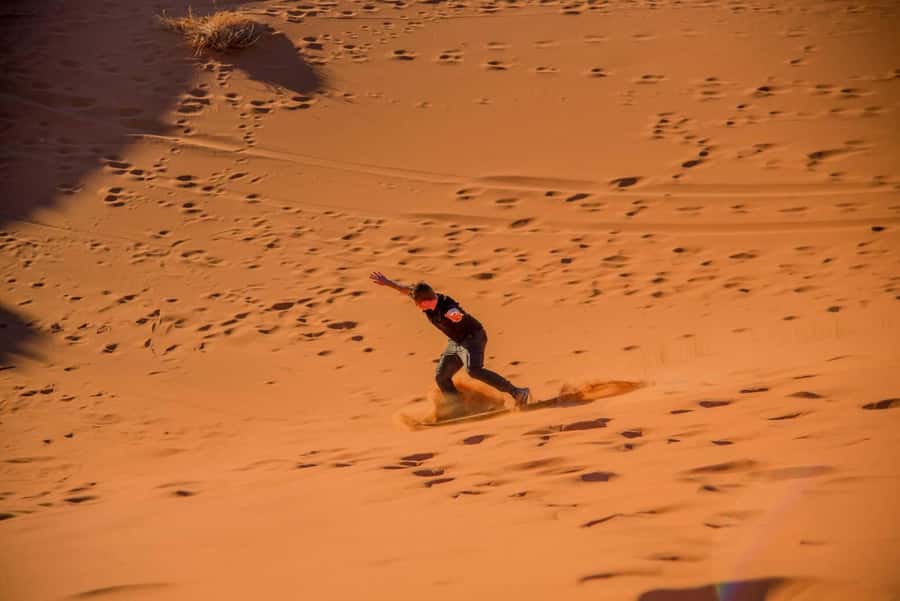
Sandboarding is included, although you should ask at the lodge before leaving to make sure boards are available to take to the camp. The dunes offer a simple, fun activity, but do not expect a full resort setup. This is a desert camp, not an amusement park.
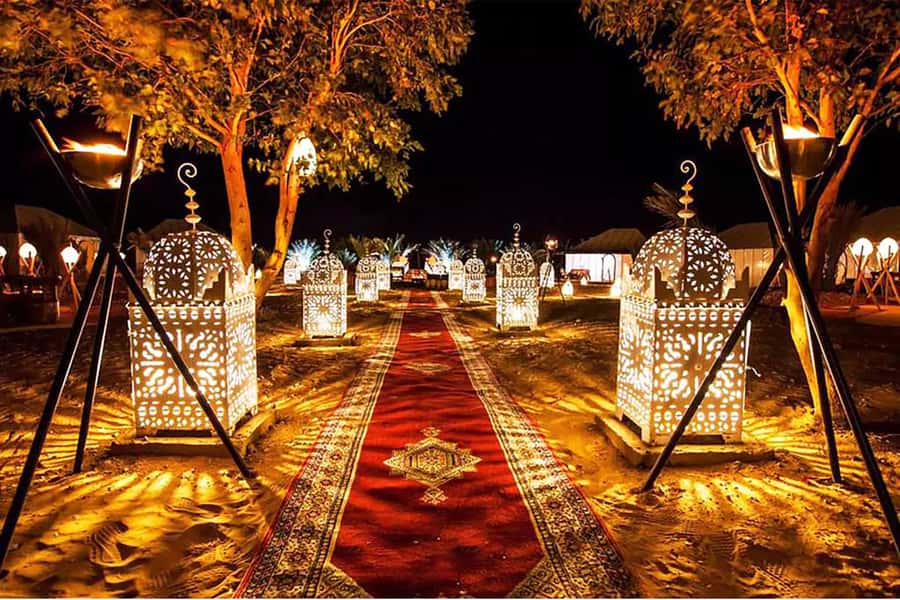
Camp quality depends on the option you select. The standard camp is described as clean, with electricity and lights, while some people felt the showers and tents could use more attention. Luxury camp choices are available for those who prefer more comfort.
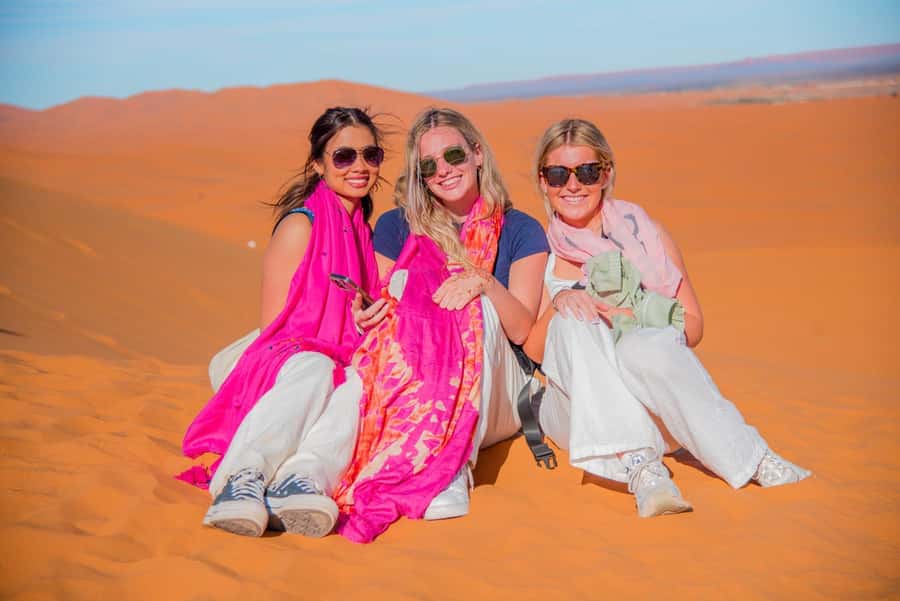
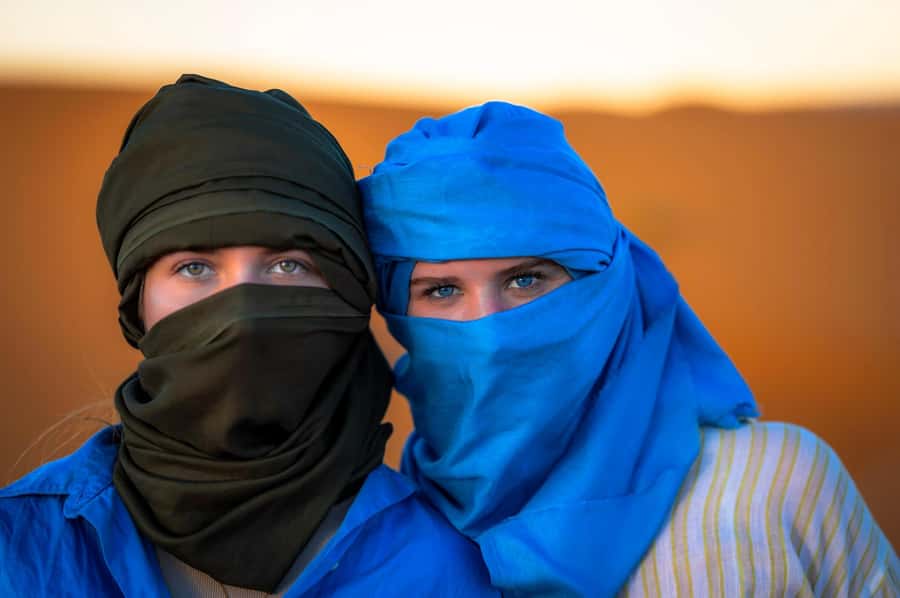
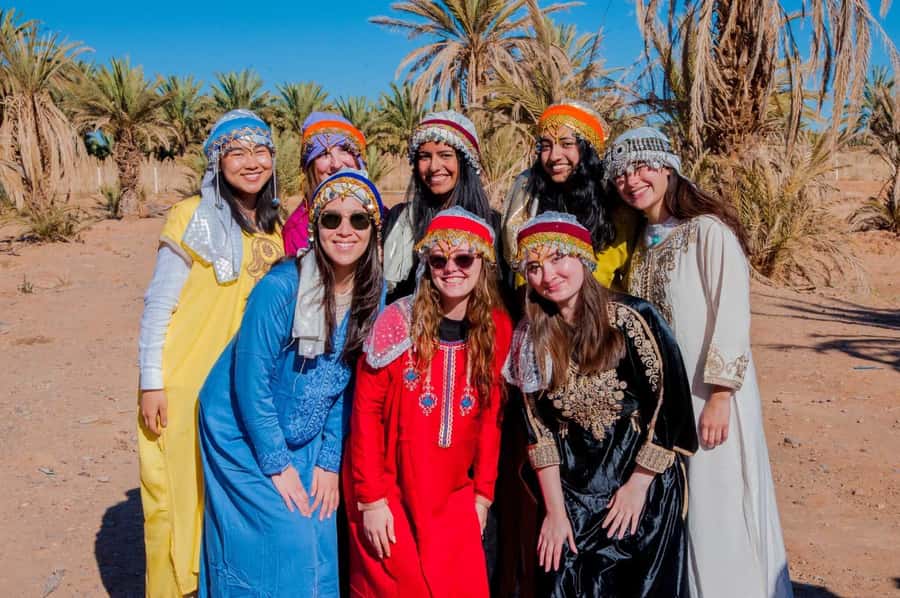
Dinner includes traditional food, with vegetarian and vegan options available. After the meal, Berber drumming and music create the evening program. You can also try on traditional Berber clothing, which adds a playful cultural touch and makes for good photographs.
The social side is part of the appeal. Groups tend to include people from several countries, and the shared dinner, music, and desert setting make conversation easy. If you prefer complete privacy and silence, a busy camp may feel less peaceful than you imagined. If you enjoy meeting people, the group atmosphere is a strength.
Winter deserves special attention. Blankets are provided, but temperatures can drop to 0°C, so pack warm sleeping clothes. In summer, air-conditioning in the transport helps, but the desert heat still makes sunscreen, water, and light clothing important.
Sunrise in the Sahara and the long return
The morning begins with sunrise over the Erg Chebbi dunes. You can return by camel or use a 4×4 to meet the driver, depending on the arrangement at the camp.
Sunrise is often calmer than sunset. The light spreads across the sand, and the cooler air makes the ride easier for many people. Keep a small backpack with you for the camp night, while your main luggage stays securely stored in the van.
After breakfast, the group starts the return toward Marrakech. Day three is largely a transport day, and arrival is expected by evening. This is the tour’s biggest weakness. You get an impressive amount in three days, but you pay for it with long hours on the road.
The return can still be pleasant if you treat it as part of the Moroccan route rather than dead time. Download photos, chat with the group, listen to music, or sleep. Drivers such as Yassine, Ayoub, Houssain, Elhoucin, and Driss receive praise for being punctual, safe, friendly, and attentive, though one account raised concerns about fast driving and uncomfortable rear seats.
If you are tall, ask about seating before departure. The rear row may have limited legroom, a straight seatback, and less airflow. That issue is not universal, but it is worth planning around.
How good is the value?
The tour’s value comes from what it bundles together. You receive hotel pickup and drop-off, air-conditioned transport, a driver-guide, one hotel night, one camp night, two breakfasts, two dinners, camel rides at sunset and sunrise, sandboarding, luggage handling, and evening music.
Arranging all of that independently would take more planning and could cost more once you add transport between Marrakech, Tinghir, and Merzouga. The tour also removes the stress of finding the desert camp and coordinating the camel transfer.
The price does not cover lunches, the local guide at Ait Ben Haddou, tips, or quad biking. Those extras are not difficult, but they can affect your final budget. I would carry enough cash for meals, drinks, small purchases, and tipping.
The group size is not fixed in the information provided. One customer described a group of about 15, which is small enough to feel social without being enormous. A group tour at this price will not give you private-guide flexibility at every stop, but it can make the long drive more enjoyable and affordable.
Who should book this Merzouga tour?
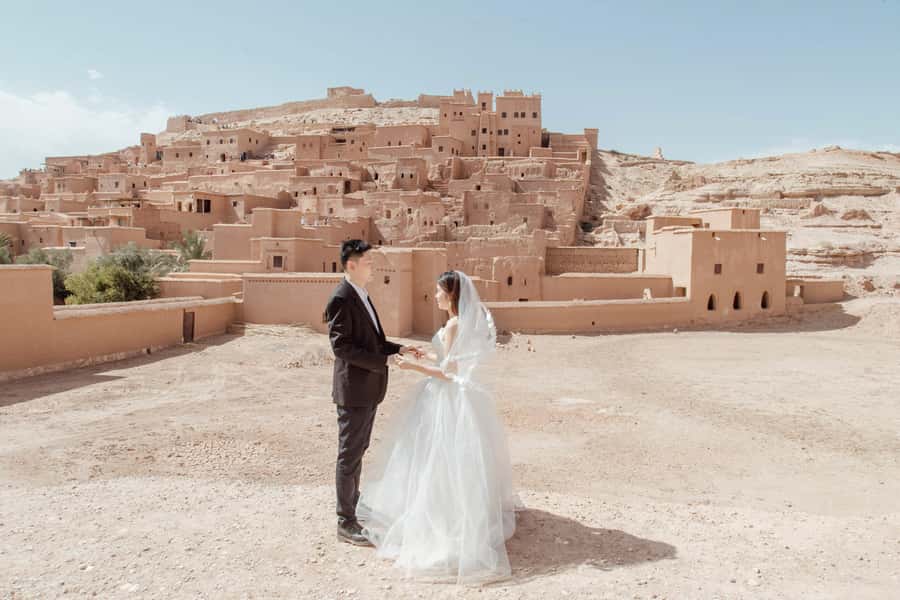
I would recommend it to first-time visitors who want southern Morocco in a compact package. It suits couples, families with children, solo visitors, and small groups, especially if you value having transport, accommodation, and desert activities arranged together.
It is also a good match for photography fans. You get mountain roads, a famous kasbah, a gorge, valleys, camels, dunes, camp lights, traditional clothing, music, sunset, and sunrise in three days.
You should think twice if you dislike long drives, crowded group activities, or simple accommodation. The camp can be lively, and the standard option may not satisfy someone expecting polished hotel facilities. You also need enough energy for early starts and a full return day.
What to pack and how to prepare
Bring comfortable shoes, sunglasses, sunscreen, a camera, a power bank, and warm clothing. Wet wipes are useful at the camp, especially if you prefer to freshen up without relying entirely on the available shower facilities.
Use a small rucksack for the camel ride and camp night. Leave your main suitcase in the van, where luggage is stored during the desert stay.
Wear trousers or long shorts for the camel trek. Pack warm sleepwear in winter, even though blankets are supplied. If you want to try the quad ride, bring enough cash and confirm the price locally.
The guides are one of the tour’s strongest features. Names vary by departure, but the repeated praise for people such as Ali, Omar Faiz, Youssef, Hakim, Walid, Abdul, and Ngassa points to a team culture focused on humor, safety, and checking that everyone is comfortable.
Should you book it?
Book this tour if you want the Sahara without spending a week on the road. You will see major southern Morocco sights, sleep in the dunes, ride camels at sunset and sunrise, and meet people from different countries, all with transport and most meals handled.
Skip it if you need slow travel, private transfers, or five-star camp service. For the best balance, choose the camp level that suits your comfort, bring cash, request a good van seat, and treat the long drives as part of the adventure. The camel ride is included, while the optional quad session, usually about €40, is worth considering if you want more action in the dunes.
FAQ
How long is the tour from Marrakech to Merzouga?
The tour lasts three days, beginning in Marrakech and ending with an evening return to Marrakech on day three.
What places are visited on the first day?
The first day includes the High Atlas Mountains, Tizi n’Tichka Pass, Ait Ben Haddou, the Dades Valley, and Tinghir.
Is Ait Ben Haddou a UNESCO-listed site?
Yes. Ait Ben Haddou is a UNESCO-listed kasbah. A local guide is available for €2 per person, but that guide is not included in the base package.
Is the camel ride included?
Yes. Camel rides are included at sunset and sunrise in the Erg Chebbi dunes.
Is quad biking included in the tour price?
No. ATV and buggy rides are rented from local operators. The commonly reported quad price is about €40, but you should confirm the current price before riding.
What accommodation is provided?
You receive one night in an air-conditioned hotel room or suite with a private bathroom, plus one night at your selected desert camp in Erg Chebbi.
Are vegetarian and vegan meals available?
Yes. Vegetarian and vegan food options are available.
What should I bring for the desert camp?
Bring a small backpack, comfortable shoes, sunglasses, sunscreen, a camera, a power bank, warm clothing, and wet wipes. In winter, bring warm sleeping clothes because temperatures can fall to 0°C.
More Dining Experiences
- Marrakech: Agafay Desert Retreat, Tent, Dinner, Show & Pool
★ 4.8 · 5,616 reviews - Marrakech: Agafay Desert Dinner Show with Quad Bike & Camel
★ 4.9 · 5,058 reviews - Agafay Desert Package, Quad Bike, Camel Ride and Dinner Show
★ 5.0 · 4,244 reviews - Marrakech: Agafay Quad Tour with Camel Ride, Dinner & Show
★ 4.8 · 3,335 reviews
More Quad Biking and Buggy Tours
- Marrakech: Agafay Desert Quad Biking Tour with Dinner-Show
★ 4.8 · 16,569 reviews - Marrakech: Quad Bike Tour to Palm Oasis and Jbilat Desert
★ 4.8 · 11,831 reviews - Marrakech: Agafay Desert Quad, Camel Ride & Dinner Show
★ 4.7 · 10,209 reviews - Marrakech Quad Bike Experience: Desert and Palmeraie
★ 4.5 · 9,509 reviews
Just added around Morocco
- Marrakech: Medina Souks, Hidden Markets and Shopping Tour★ 4.8 · 33 reviews
- Merzouga 4×4 Desert Tours & Excursions★ 5.0 · 33 reviews
- Agafay desert sunset camel ride Tour from Marrakech★ 5.0 · 33 reviews
- Guided walking tour in Marrakech★ 4.5 · 33 reviews
- Sunset Camel Ride Marrakech with Transfers★ 5.0 · 33 reviews
- 2 Days Desert Agafay and Atlas Mountains Trek From Marrakech★ 3.8 · 33 reviews
- Fun buggies in Agadir Forest and Beach Dunes★ 4.5 · 33 reviews
- Atlas mountains, Ourika valley, berber villages trip & Guide★ 5.0 · 33 reviews
Merzouga and Sahara Desert Tours, compared.
3 Days Desert Tour From Marrakech To Merzouga Dunes & Camel Trek
Read our review →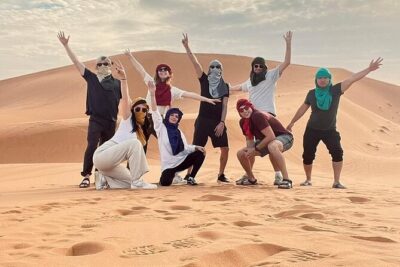
3-Day Marrakech to Merzouga Desert Tour: Camel Rides & Overnights
Read our review →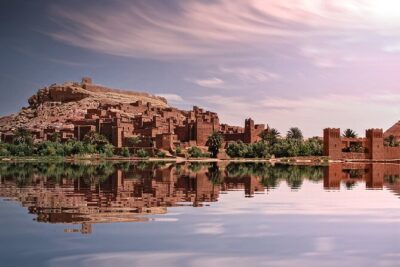
3-Day Marrakech to Fes Sahara Desert Tour via Merzouga
Read our review →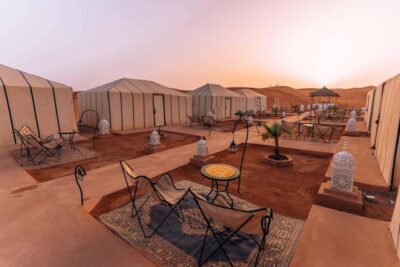
3-Day Merzouga Desert Experience Camel & Meals
Read our review →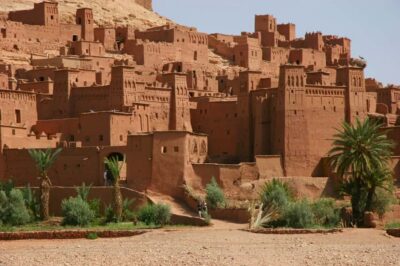
3-Day Tour to Merzouga Erg Chebbi with Food & Camel Trek
Read our review →Browse the lists this tour appears in