
Reviewed · ATLAS MOUNTAINS DAY TRIPS
From Marrakech: 3-Day Mount Toubkal Climbing Trek
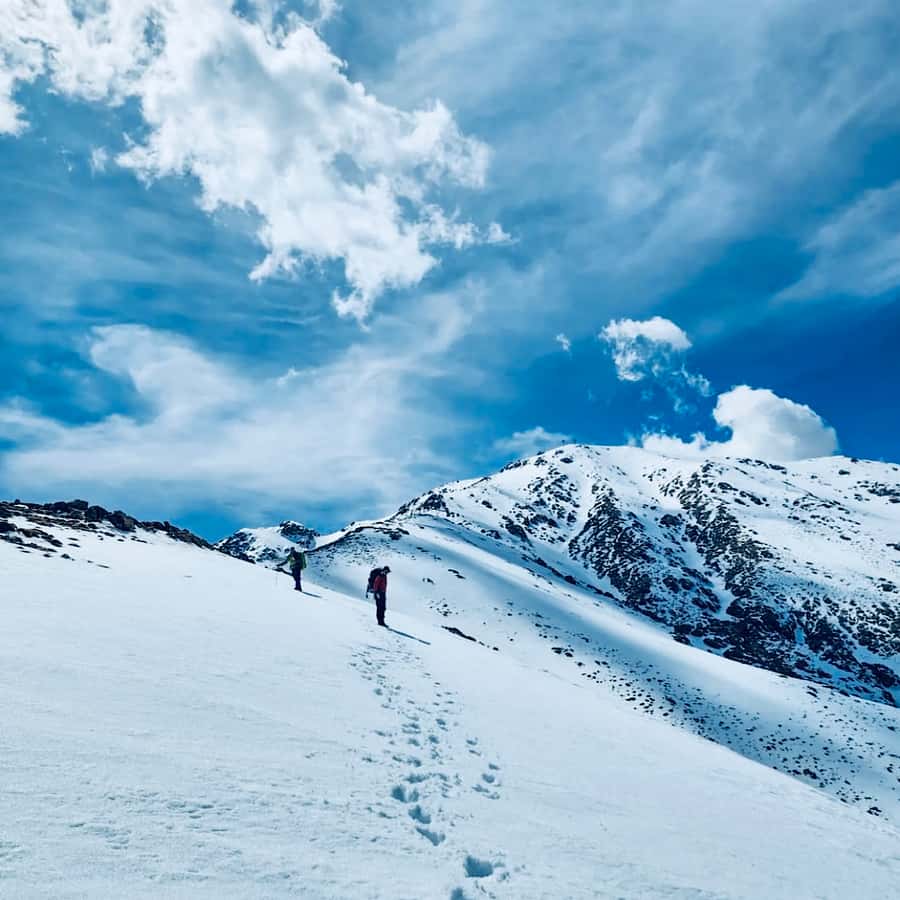
North Africa’s highest summit is within reach. This three-day route from Marrakech combines a non-technical climb with Berber villages, mountain waterfalls, and a quieter circular route through the High Atlas. I especially like the extra acclimatisation day and the chance to see more than the standard two-day out-and-back trek.
I also like how much practical support is built into the $226 price: transport, guide, muleteers, mountain accommodation, and meals are covered. The main caution is the effort required. Summit day can last eight to nine hours, with a steep descent of roughly 2,500 meters, and altitude or bad weather can change the plan.
In This Review
- Five things to know before booking
- What you get for $226
- Day one: Marrakech to Imlil and the Tizi Mzik Pass
- Tamsoult Refuge: Simple rooms and a useful first night
- Day two: The long climb to Aguelzim Pass
- Toubkal Refuge: Prepare for the early alarm
- Day three: The 4,167-meter summit attempt
- Why the guides matter so much
- Food, mules, and the Berber mountain setting
- Who should choose this trek?
- Packing list that will save you trouble
- Booking, pickup, and flexibility
- Should you book the Mount Toubkal trek?
- FAQ
- How high is Mount Toubkal?
- How long is the trek?
- How far is Marrakech from Imlil?
- Is the climb technical?
- What languages do the guides speak?
- What meals are included?
- Do mules carry luggage?
- What should I bring?
Five things to know before booking
- The summit reaches 4,167 meters: This is a serious physical challenge, even though the route is non-technical and does not require climbing equipment.
- The three-day route is a loop: You pass through Tizi Mzik, Tamsoult Waterfalls, Aguelzim Pass, and two different mountain refuges before returning to Imlil.
- Guides are a major strength: Guides including Hassan, Mustafa, Kamal, Mohammed, Omar, Youssef, and Ibrahim are repeatedly praised for careful pacing, encouragement, and safety.
- Accommodation is basic but useful: Expect bunk beds, shared refuge facilities, blankets in some places, and possibly hot showers, not hotel comfort.
- Pack for cold, not just sunshine: Warm layers, sturdy hiking shoes, rain gear, a headlamp, toilet paper, soap, electrolytes, and a sleeping bag or liner are sensible additions.
What you get for $226
At $226 per person, this trek offers solid value if you want a guided summit attempt without arranging every part yourself. The price includes round-trip transport from Marrakech, a certified mountain guide, muleteers and mules for luggage, mountain accommodation, and three breakfasts, three lunches, and three dinners.
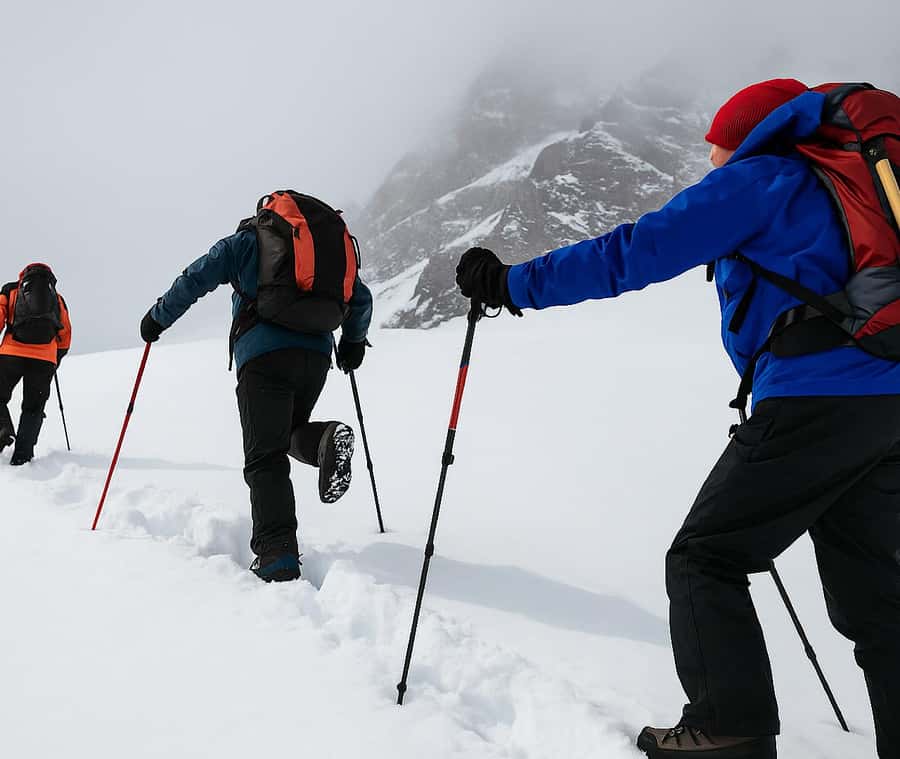
That matters here. You are not simply paying for someone to point toward the mountain. The mule team carries luggage you do not need immediately, while the guide manages the pace and route. Cooks prepare warm meals at the mountain stops, which is a welcome service after several hours on foot.
The group is limited to 14 people, though actual groups may be smaller. Groups of five, seven, eight, and twelve have all been reported, and a small group makes it easier for the guide to notice who is struggling. Solo participants can also fit in well, since the shared walking days and refuge evenings naturally bring people together.
The price does not include travel insurance, personal expenses, or mountain gear. You should also budget for water, snacks, possible hot-shower charges, and tips for the guide and mule team. One practical note: the advertised meals include dinner on all three evenings, but one booking reported that the final dinner was a listing error and was not provided. Confirm the meal arrangement before you go.
More Hiking Tours in Marrakech
- From Marrakech: Ouzoud Waterfalls Guided Hike and Boat Trip
★ 4.7 · 33,630 reviews - Berber villages : Atlas Mountains Day Hike from Marrakech
★ 5.0 · 14,007 reviews - 3 Days Desert Tour From Marrakech To Merzouga Dunes & Camel Trek
★ 5.0 · 10,125 reviews
Day one: Marrakech to Imlil and the Tizi Mzik Pass
Your pickup begins after breakfast in Marrakech. If your hotel is outside the Medina, wait in the lobby. If you are staying in a riad or a Medina property that cars cannot reach, the team contacts you through WhatsApp to arrange a nearby meeting point.
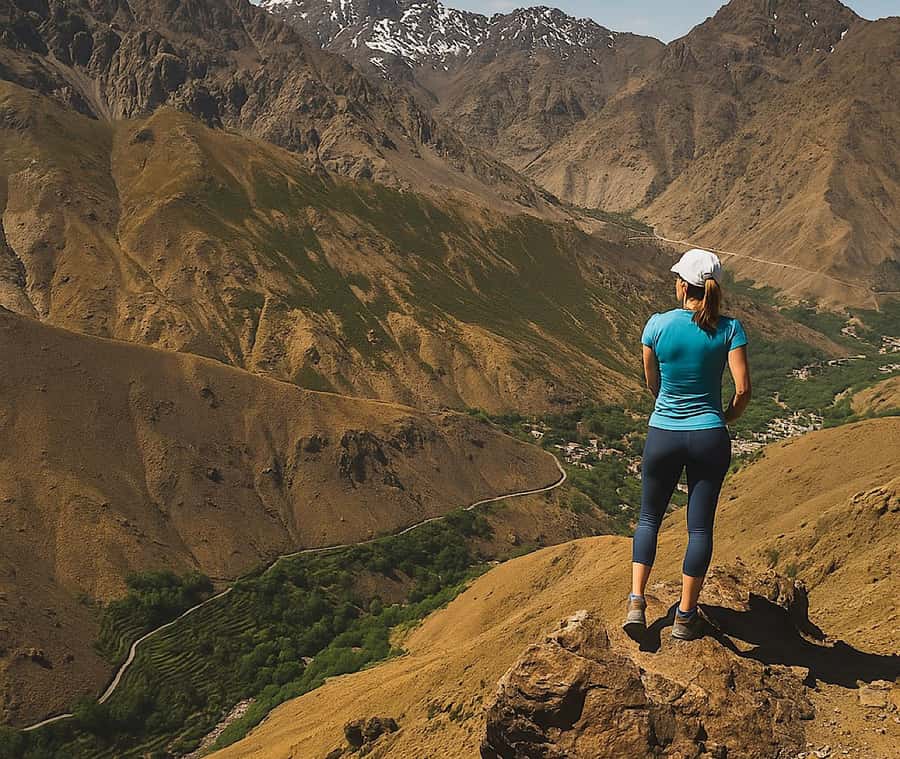
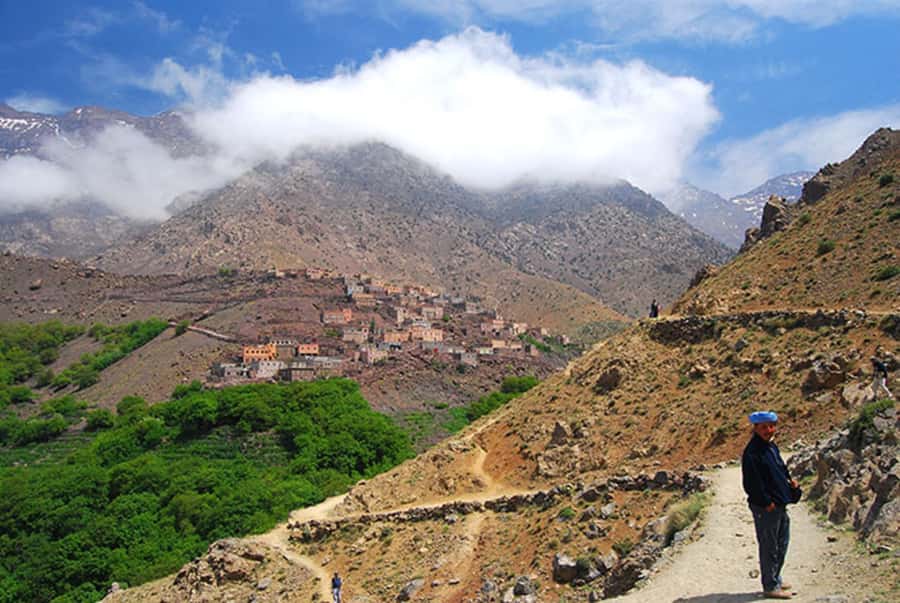
The drive covers about 65 kilometers to Imlil, passing through Tahanaout, Oued Ghighaya, and Asni. The road offers views of traditional Berber villages scattered along the valleys, and the change from Marrakech streets to high mountain terrain happens quickly.
In Imlil, you meet your guide and muleteer team. This is a useful moment to check your day pack and make sure the items you need are not packed onto a mule. Keep water, warm clothing, rain protection, snacks, sunscreen, and any personal medicine with you.
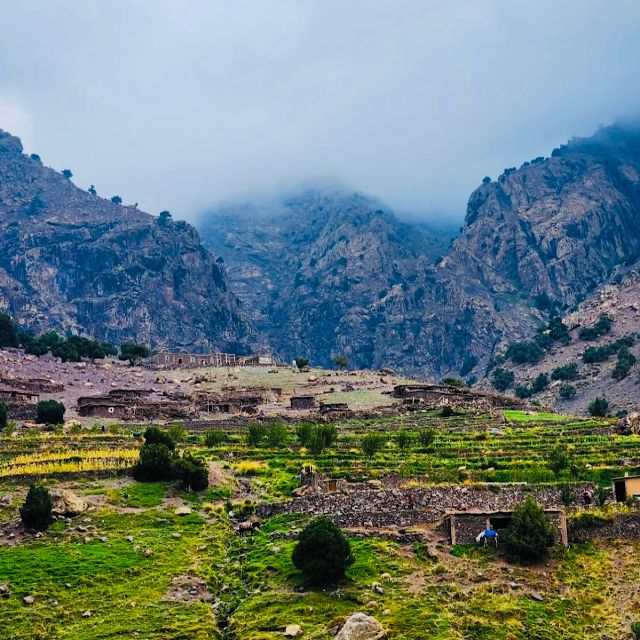
The first walking section climbs to Tizi Mzik Pass at 2,479 meters. From here, you get broad views over the Imlil Valley and toward Mount Toubkal. The day is not a gentle stroll, but it gives your body a chance to adjust before the much higher passes ahead.
The route then passes through juniper forest toward Tamsoult Waterfalls, described as the highest waterfalls in the Atlas Mountains at about 100 meters high. This is one of the more distinctive parts of the route because it adds woodland and running water to a trek otherwise dominated by dry mountain slopes.
Day one covers about 11 kilometers, with 800 meters of ascent and 400 meters of descent. Expect five to six hours of walking. You spend the night at Tamsoult Refuge, which gives this route its extra character. A standard two-day Toubkal trip generally follows the more direct route, while this first night takes you into a less familiar part of the mountains.
Tamsoult Refuge: Simple rooms and a useful first night
Mountain accommodation is functional rather than polished. Expect bunk beds and shared facilities. Some participants found hot showers available, while other refuge facilities may charge a small fee, such as 20 Moroccan dirhams.
Bring a sleeping bag or liner if you want extra warmth and cleanliness. Some huts provide beds and blankets, but temperatures drop sharply at altitude, especially outside summer. Earplugs, slippers, toilet paper, and soap will make the evening much easier.
Meals are one of the strongest parts of the trip. Several groups received generous portions of freshly prepared food, including warm dinners after long walking days. You should still carry snacks and electrolytes, since food at set meal times does not replace quick energy during the walk.
The evenings can be social. Groups have played card games, shared stories, and spent time with guides at the refuge. This is part of the appeal of the three-day plan: you have more time to get to know the people walking beside you instead of rushing straight to the summit.
Day two: The long climb to Aguelzim Pass
Day two is the biggest acclimatisation test. You climb steadily toward Aguelzim Pass at 3,650 meters, gaining about 1,200 meters and descending 300 meters over roughly 10 kilometers.
The pace matters more than speed. A good guide will slow the group, schedule breaks, and watch for signs that someone is struggling. Guides such as Mustafa, Hassan, Kamal, and Youssef are particularly praised for adjusting the pace and keeping groups together. That kind of attention is not a small comfort when the air is thinner and the trail feels increasingly steep.
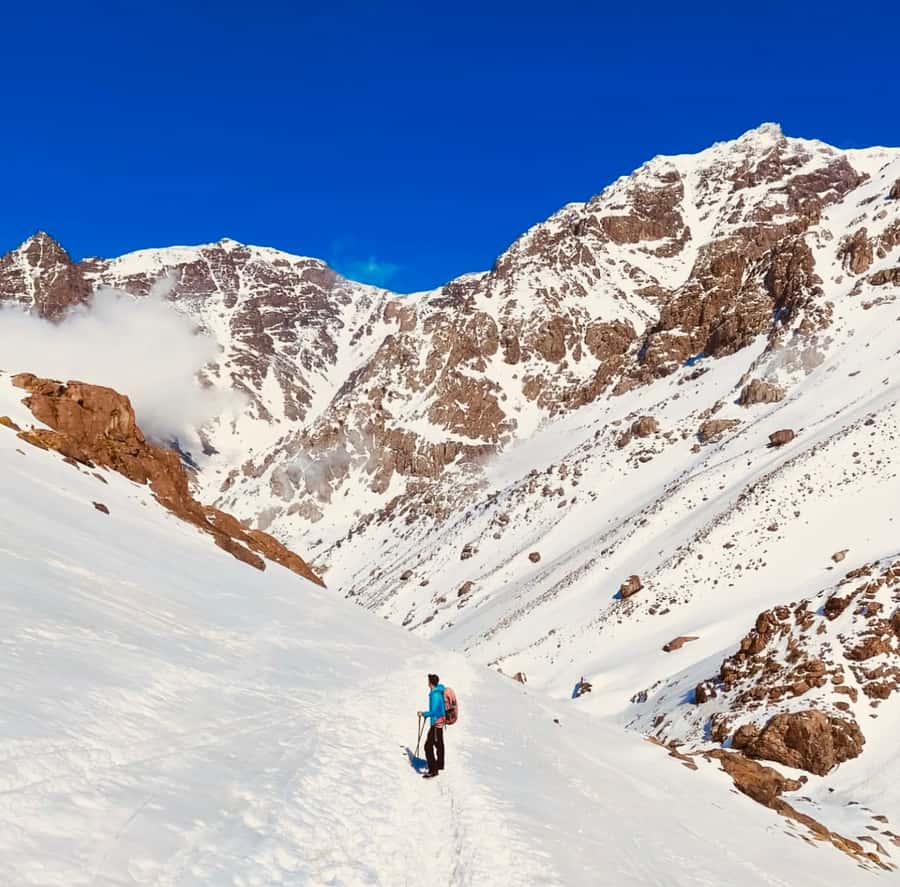
At Aguelzim Pass, you get impressive views toward the Toubkal summit. Reaching the pass is also useful psychologically. You have already gained substantial height, and the next stage is a descent to your summit base rather than another full day of climbing.
The walking time is listed as six to six and a half hours, but your exact day can vary with weather, group pace, and trail conditions. Some itineraries have changed because of a closed road or poor weather. In those cases, guides have rearranged the route, sometimes reaching Toubkal on the second day and using the third day for another summit or Berber village walk.
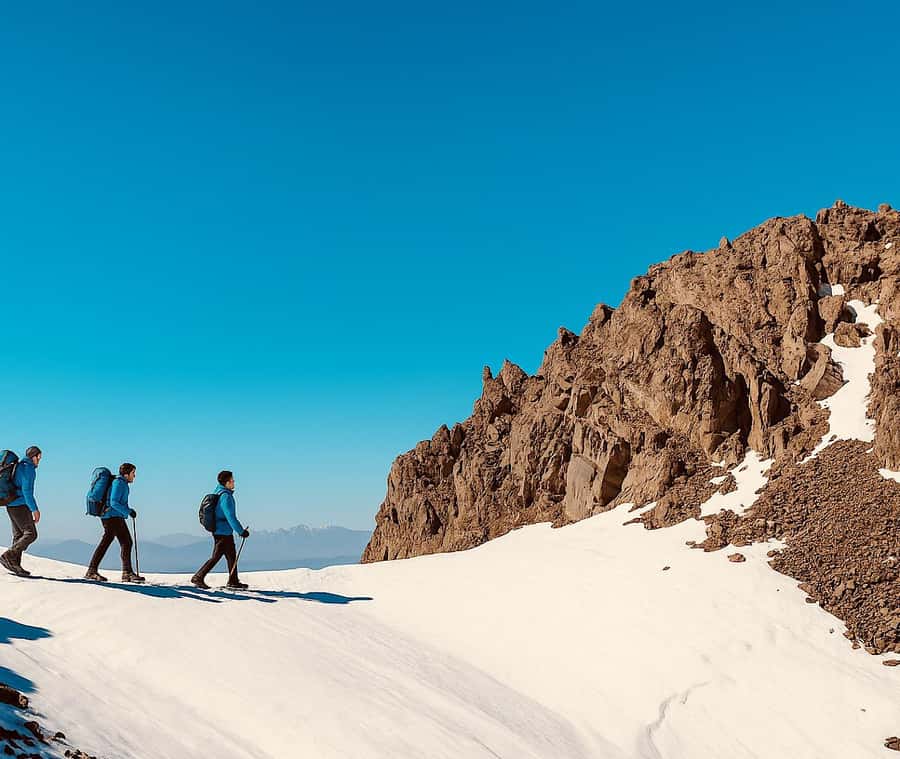
You finish at Toubkal Refuge at 3,207 meters. This is the base for the summit attempt and the coldest sleeping point on the route. A summer trek can still feel very cold before dawn. One participant who traveled in August advised bringing a beanie and warm clothes, noting summit temperatures around 5 degrees Celsius.
More Atlas Mountains Day Trips:
- Marrakech: Atlas Mountains, Ourika Valley, Waterfall & Lunch
★ 4.8 · 15,834 reviews - From Marrakech: Atlas Mountains Full-Day Hiking Trip w Lunch
★ 4.8 · 7,417 reviews - From Marrakech: Atlas Mountains Day Trip with Camel Ride
★ 4.8 · 4,709 reviews - Atlas Mountains & 5 Valleys Tour from Marrakech – All inclusive –
★ 5.0 · 2,913 reviews
Toubkal Refuge: Prepare for the early alarm
The summit morning starts early, sometimes around 3:30 a.m., so you can reach the top near sunrise. This is the point where the trip shifts from scenic trekking to a focused mountain effort.
Lay out your clothing and headlamp before sleeping. Keep your water bottle, gloves, hat, jacket, and snacks close at hand. You do not want to search through a duffel bag in a dark bunk room while the group is ready to leave.
Refuge standards vary, and cleanliness is not guaranteed to feel the same at every stop. Some people found the beds comfortable and the facilities good for a mountain hut, while others wanted cleaner and more comfortable sleeping quarters. Bring a sleeping bag or liner, toilet paper, soap, and a small towel if you prefer to be self-sufficient.
Day three: The 4,167-meter summit attempt
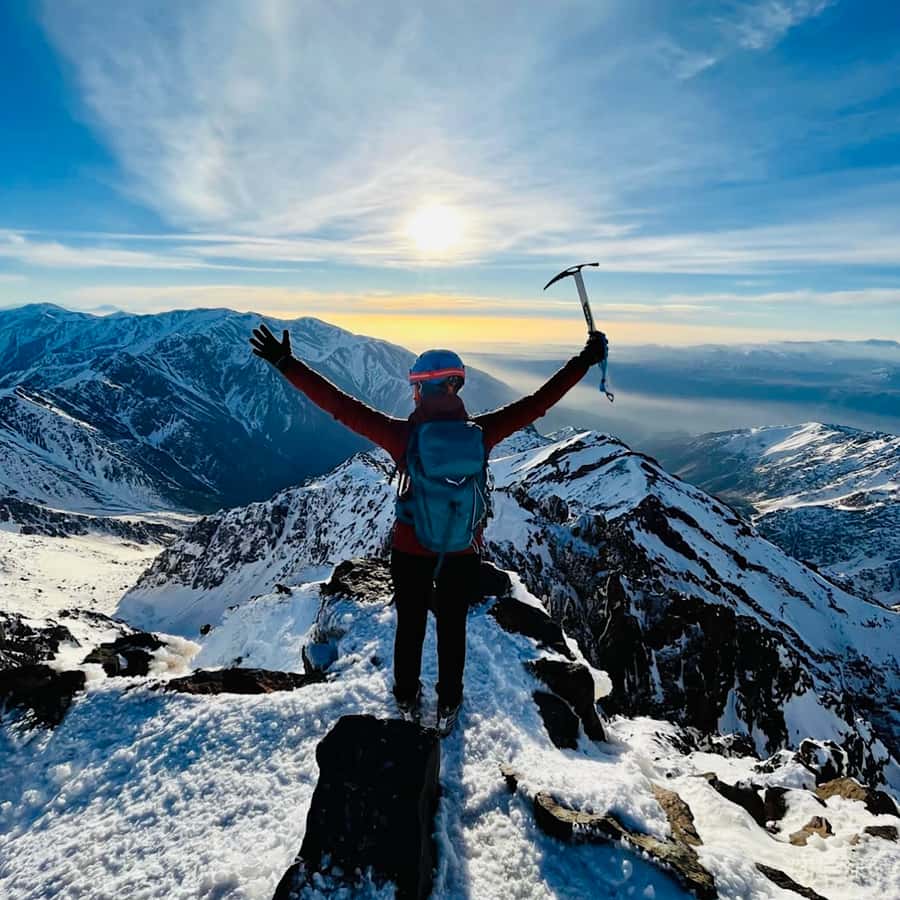
The final climb reaches Mount Toubkal at 4,167 meters, the highest mountain in North Africa. The summit route itself is about four kilometers as a loop, followed by a four-kilometer descent before the much longer return toward Imlil.
This is not technical mountaineering, but it is demanding hiking at high altitude. The trail can include loose scree, and the descent may be harder than the ascent on tired legs. One participant described being caught by the guide after slipping on scree, a good reminder that careful footwork matters.
The reward is a 360-degree view across the High Atlas. On a clear day, you may even see the Sahara Desert on the horizon. Sunrise adds another layer to the experience, and several groups reached the summit at the planned time because their guides managed the pace well.
Do not treat the summit as guaranteed. Weather can stop the attempt. One group was prevented from reaching the top by a storm, while another itinerary changed because of road conditions. That is not a failure of the mountain team. High-altitude weather can make a safe decision more important than a photograph at the top.
After a short break at Toubkal Refuge, you continue down toward Imlil. The stated figures are demanding: about 980 meters of ascent and 2,500 meters of descent, with eight to nine hours of walking. This is a very long day, and your knees and feet may feel the descent more than the summit climb.
One useful criticism concerns the final stretch into Imlil. After the main descent, the extra walk to the pickup point can feel unnecessarily long, particularly for tired legs. A vehicle pickup lower in the valley would make the end easier, but this is a minor issue beside the overall route.
Why the guides matter so much
The guides are the part of the operation that most affects your experience. The strongest accounts consistently praise their patience, humor, route knowledge, and attention to individual ability.
Hassan has been praised for supporting a participant through a weather-related change and for staying attentive on a difficult summit day. Kamal is often noted for setting a comfortable pace, explaining the schedule, and keeping morale high. Mustafa has been described as careful, encouraging, and good at bringing a mixed-ability group to the summit.
Mohammed, Omar, Youssef, Ibrahim, and other guides also receive strong praise for checking on participants and helping with difficult sections. You should still ask questions if you feel unwell. A guide can adjust the pace and route, but no guide can remove the effects of altitude, heat, cold, or exhaustion.
The guides speak Arabic, English, and French. Some have strong local ties and can discuss Berber culture and the mountain area, though the amount of cultural and natural interpretation may vary. If learning about local life is important to you, ask questions directly rather than expecting a formal lecture during every walking section.
Food, mules, and the Berber mountain setting
The meals provide more than convenience. They let you walk with a lighter load and experience food prepared by a local team in places where supplies must be transported by mule.
Participants have described the food as warm, healthy, tasty, and plentiful. Cooks and muleteers are often part of the same support team, carrying bags ahead and preparing meals at the refuges. Carry some snacks of your own, especially for the summit morning.
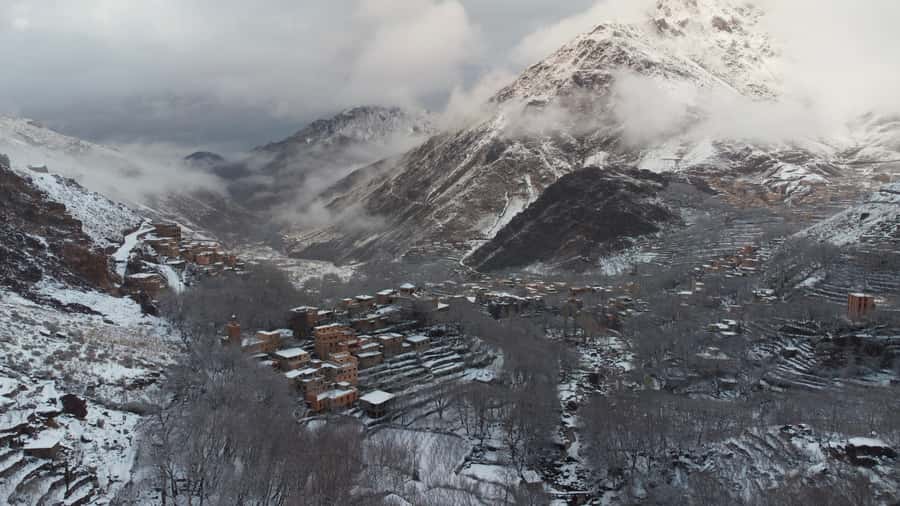
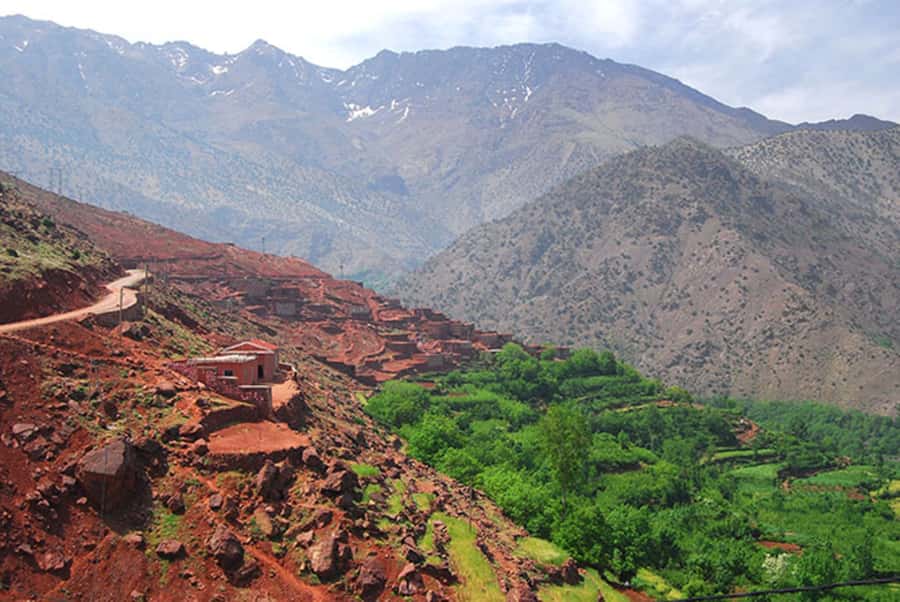
The route also gives you more contact with mountain communities than a direct ascent. Berber villages appear along the valleys, and the setting changes from the juniper forest near Tamsoult to high, open slopes around Aguelzim and Toubkal.
Weather can turn this cultural and scenic plan into something different. A shortened trek may be replaced with a Berber village visit or another local walk. One participant found the substitute village day worthwhile, but also noted that communication between guides could have been clearer when plans changed.
Who should choose this trek?
This trip suits you if you already hike regularly or have a good general level of fitness and want a serious challenge. It can work for beginners too, but only beginners who understand that this is not a casual sightseeing walk. Several first-time climbers completed it successfully with guide support, while others found the second day and summit day very tough.
The three-day route is a better choice than a rushed two-day ascent if you want more mountain scenery and time to adjust to altitude. The loop also avoids repeating the same route in the same way, and the first night at Tamsoult adds waterfalls and a quieter refuge.
You may want a longer trek if you prefer gradual acclimatisation. You may also reconsider if you dislike shared bunk rooms, early starts, cold nights, or long descents. The activity is not suitable for pregnant women, people with high blood pressure, children under two, or people over 95.
Packing list that will save you trouble
The official essentials include a passport, warm clothing, camera, hiking shoes, jacket, rain gear, and sleeping bag. Based on the actual conditions described by participants, I would also bring:
- Headlamp with spare batteries
- Beanie, gloves, and warm summit layers
- Toilet paper and soap
- Electrolytes or oral rehydration salts
- Snacks and a refillable water bottle
- Slippers or comfortable shoes for the refuges
- Earplugs for shared sleeping rooms
- Cash for water, snacks, showers, and tips
Do not wear sandals, flip flops, sleeveless shirts, or slippers on the hike. Hiking shoes with a reliable grip are important, especially on loose ground during the descent.
Mountain gear can be rented locally, and one participant found rental arrangements easy. Still, confirm what is available before departure, especially if you need poles, warm clothing, or a sleeping bag. Pack light because the mule team carries luggage, but keep your day-to-day essentials in your own small pack.
Booking, pickup, and flexibility
Pickup is included from Marrakech hotels and riads. The exact meeting arrangement depends on vehicle access, so check WhatsApp messages before the trip if you are staying in the Medina.
The operator offers free cancellation up to 24 hours in advance and a reserve-now, pay-later option. Those policies are useful for a mountain activity, since weather can affect the route. Starting times vary, so check the available date before booking.
The overall rating is 4.7 from 597 reviews, and the repeated praise centers on the same practical strengths: supportive guides, good food, efficient transport, and scenery worth the physical effort. The recurring complaints are also clear: basic refuge conditions, missing packing information, occasional communication problems when plans change, and the sheer length of summit day.
Should you book the Mount Toubkal trek?
Book it if you want a well-supported, affordable summit attempt with more scenery and acclimatisation than the usual two-day route. The guides and mule team remove much of the planning burden, and the $226 price is strong value for transport, meals, accommodation, and support.
Choose another plan if you want hotel comfort, a relaxed holiday, or a guaranteed summit. For everyone else, this is a demanding but rewarding way to meet the High Atlas: bring proper layers, accept that weather may change the route, and save your energy for the long walk down.
FAQ
How high is Mount Toubkal?
Mount Toubkal reaches 4,167 meters and is the highest mountain in North Africa.
How long is the trek?
The experience lasts three days. The walking times are about five to six hours on day one, six to six and a half hours on day two, and eight to nine hours on summit day.
How far is Marrakech from Imlil?
Imlil is about 65 kilometers from Marrakech, and round-trip transport is included.
Is the climb technical?
The ascent is described as non-technical. However, it is still a demanding high-altitude hike with steep sections, loose scree, cold conditions, and a long descent.
What languages do the guides speak?
The guides speak Arabic, English, and French.
What meals are included?
The package includes three breakfasts, three lunches, and three dinners. One booking reported that the final dinner was described as a listing error and was not provided, so confirm the meal details before departure.
Do mules carry luggage?
Yes. Muleteers and mules carry luggage, allowing you to keep only the items you need during each walking day in your day pack.
What should I bring?
Bring your passport, warm clothing, hiking shoes, jacket, rain gear, and a sleeping bag. A headlamp, beanie, toilet paper, soap, snacks, electrolytes, slippers, and earplugs are also useful additions.
More 3-Day Experiences
- From Marrakech: 3-Day Merzouga and Sahara Desert Tour
★ 4.9 · 15,308 reviews - From Marrakech: Merzouga 3-Day Desert Safari with Food
★ 4.7 · 12,232 reviews - 3-Day Marrakech to Merzouga Desert Tour: Camel Rides & Overnights
★ 5.0 · 8,734 reviews - 3-Day Marrakech to Fes Sahara Desert Tour via Merzouga
★ 5.0 · 6,546 reviews
More Hiking Tours
- Marrakech: Ourika Valley Trip with Waterfall Hike
★ 4.6 · 6,792 reviews - Marrakech: ourika valley lunch & guided hike to waterfalls
★ 4.9 · 3,737 reviews - 3-Day Tour to Merzouga Erg Chebbi with Food & Camel Trek
★ 5.0 · 1,770 reviews - Ouzoud Waterfalls Guided Hike and Boat Trip from Marrakech
★ 4.5 · 1,755 reviews
Just added around Marrakech
- Marrakech: Medina Souks, Hidden Markets and Shopping Tour★ 4.8 · 33 reviews
- Agafay desert sunset camel ride Tour from Marrakech★ 5.0 · 33 reviews
- Guided walking tour in Marrakech★ 4.5 · 33 reviews
- Sunset Camel Ride Marrakech with Transfers★ 5.0 · 33 reviews
- 2 Days Desert Agafay and Atlas Mountains Trek From Marrakech★ 3.8 · 33 reviews
- Atlas mountains, Ourika valley, berber villages trip & Guide★ 5.0 · 33 reviews
- Magical Dinner show and Quad bike In Agafay Desert Marrakech★ 4.5 · 33 reviews
- Marrakech: Ouzoud Waterfalls Trip, Guide & Boat + Lunch★ 4.7 · 33 reviews
Atlas Mountains Day Trips, compared.
Atlas Mountains, Ourika Valley, Waterfall & Lunch
Read our review →
Berber villages : Atlas Mountains Day Hike from Marrakech
Read our review →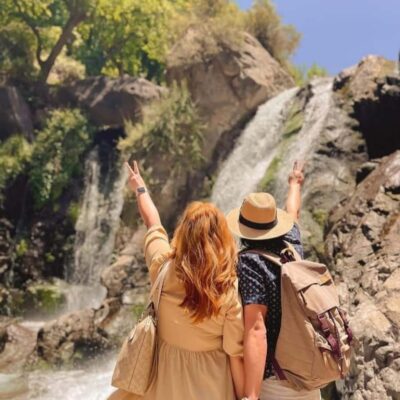
Ourika Waterfalls, Atlas Mountains, Guide + Lunch
Read our review →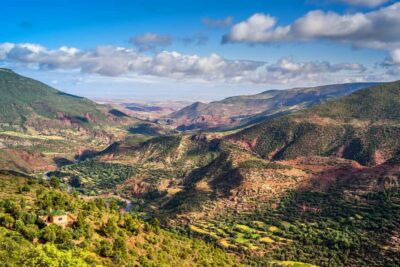
Atlas Mountains & Agafay Desert Tour w Camel Ride
Read our review →
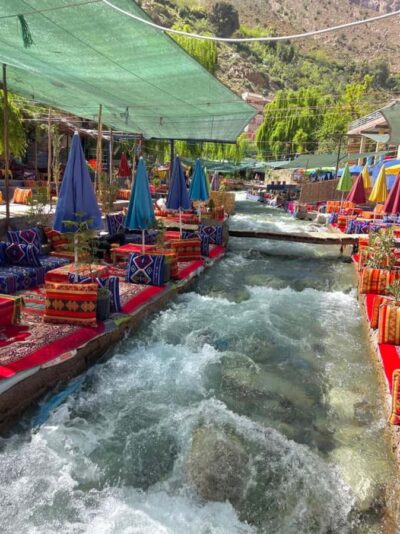
Atlas Mountains, Waterfalls, Ourika Valley +Lunch
Read our review →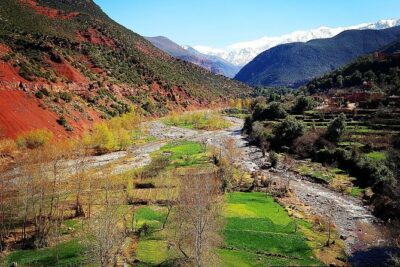
Atlas Mountains & 5 Valleys Tour from Marrakech – All inclusive –
Read our review →Browse the lists this tour appears in