
Reviewed · 3-DAY EXPERIENCES
From Marrakech 3-Day Desert Tour to Agadir
The Sahara is only the middle act. This three-day trip links Marrakech and Agadir by way of the High Atlas, Ait Ben Haddou, Todra Valley, and the Erg Chebbi dunes. I like the wide range of scenery and the chance to sleep in a desert camp rather than simply stop for photographs. I also like that camel trekking, sandboarding, fuel, two breakfasts, two dinners, and accommodation are included. The catch is simple: you will spend long hours in a vehicle, and the first night’s lodging may feel worn.
This is a fast-moving route, not a lazy desert holiday. Guides such as Imad, Ibrahim, Abderahman Moulay, Mahmoud, and Abdul have been praised for good humor, local insight, music in the van, and careful driving. Still, some stops are short, food is basic, and January nights in the desert can be bitterly cold. Pack warmly and keep your expectations practical.
In This Review
- Key points to know before booking
- Why this Marrakech to Agadir route works
- Day one: crossing the Atlas to Ait Ben Haddou
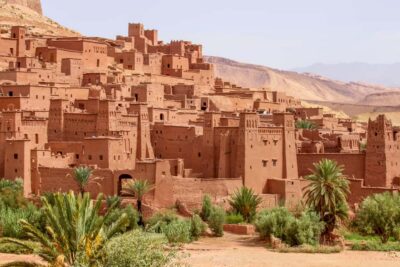
- Two hours at the Ait Ben Haddou ksar
- Roses Valley and the night near Tinghir
- Day two: Todra Valley and the Erg Chebbi dunes
- Sunset by camel and a night under the stars
- Day three: sunrise, Draa Valley, and the road to Agadir
- The Draa Valley drive
- The guides can shape the whole trip
- Vehicle comfort, group size, and the real pace
- What to pack and what to budget
- Who should book this three-day desert tour?
- Should you book it?
- FAQ
- Where does the tour begin?
- Where does the tour end?
- How long is the tour?
- Is camel trekking included?
- Is sandboarding included?
- Are meals included?
- What languages can the guide speak?
- Can I cancel for a full refund?
Key points to know before booking
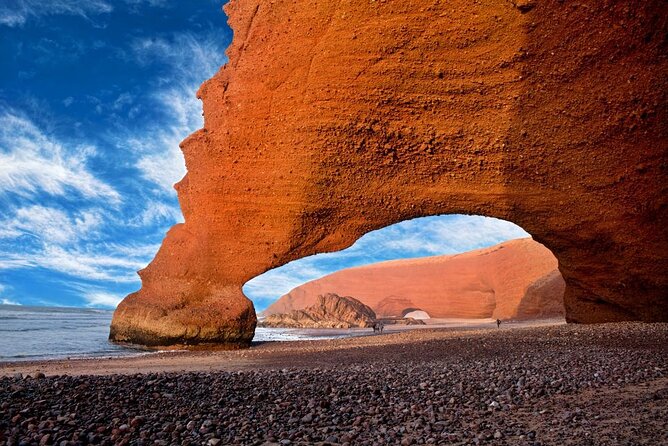
- Three countries of Morocco in one road trip: Cross the Atlas, visit a famous kasbah, pass Berber villages, and finish on the Atlantic coast.
- Sunset and sunrise by camel: Your Erg Chebbi camp stay includes camel trekking, with a 4×4 option for the return to Merzouga.
- Ait Ben Haddou gets real time: The UNESCO-listed ksar receives about two hours, enough for a proper walk rather than a quick roadside look.
- The driving is substantial: Stops break up the journey, but this is still a demanding three-day transfer across southern Morocco.
- Basic meals and mixed lodging: Dinner and breakfast are covered, while lunches cost extra and the Tinghir hotel may be dated.
- Small enough to feel social: The vehicle can carry up to 18 people, though some departures may be smaller.
Why this Marrakech to Agadir route works
The clever part of this tour is its direction. Many desert trips return to Marrakech, which means repeating the same road. This one continues west to Agadir, turning the desert outing into a useful point-to-point journey.
You begin in Marrakech at about 7:00 a.m. and finish in Agadir after sunset on the third day. That makes the tour useful if you want to see the Sahara without giving up a full extra day for transport between the two cities.
I would not choose it if you want long, quiet visits at every site. The route covers a great deal of ground, and the schedule depends on road conditions, group timing, and the pace of local visits. But if you want a broad first taste of southern Morocco, the value is strong at about $267.13 per person.
That price includes an air-conditioned vehicle, fuel, an English, French, or Spanish-speaking guide and driver, one night in Tinghir, one night in the Erg Chebbi desert camp, two breakfasts, two dinners, camel trekking, and sandboarding. You pay separately for lunches, personal purchases, and an optional tip.
A few more Marrakech trips worth weighing up
- From Marrakech: 3-Day Merzouga and Sahara Desert Tour
★ 4.9 · 15,308 reviews - From Marrakech: Merzouga 3-Day Desert Safari with Food
★ 4.7 · 12,232 reviews - 3 Days Desert Tour From Marrakech To Merzouga Dunes & Camel Trek
★ 5.0 · 10,125 reviews
Day one: crossing the Atlas to Ait Ben Haddou
The early start matters. Leaving Marrakech at 7:00 a.m. gives you a better chance of making the long first day work without rushing every stop.
The road climbs toward Tizi n Tichka, the highest major mountain pass in North Africa. You have about 15 minutes here, so think of it as a scenic pause rather than a full mountain visit. The views are the main event, with sharp changes in terrain as the road leaves the city behind.
A short stop can be useful after the climb, but do not expect a long walk or a detailed mountain talk. If you want photographs, have your camera ready before the vehicle pulls in.
Two hours at the Ait Ben Haddou ksar
Ait Ben Haddou is the major cultural stop of the first day. This fortified village, built from earthen architecture, has been used as a setting for films and television, but its real value is its design and setting, not its screen fame.
You get roughly two hours to explore. That is enough time to cross the old settlement, study the packed-earth walls, climb toward the upper levels, and look back across the surrounding country. Wear shoes with a good grip because old paths can be uneven.
A local guide is part of the sightseeing in some places on the route. One useful caution is to protect your own time. One person found the explanations at two local sites too rushed for careful reading, so I would listen first, then make sure you have a few quiet minutes to look around independently.
Ait Ben Haddou can feel busy at popular times, but the stop remains worthwhile because you are seeing one of Morocco’s most distinctive building traditions in context. The allotted time is one of the better-balanced parts of the schedule.
Roses Valley and the night near Tinghir
The road then passes through Kelaat Mgouna and the Valley of Roses. The name refers to the roses grown in the area and used in local products, though the tour gives you only a short coffee break of about 20 minutes at the valley stop.
This is a pause for stretching, coffee, and a quick look, not a full village visit. If you want to buy rose products, check prices and contents before purchasing, since the schedule does not leave much room for browsing.
The first overnight stay is in Tinghir, with dinner and breakfast included. The accommodation is practical rather than luxurious. A few strong experiences came with warnings that the hotel could feel old, even giving it a faded, old-world character. I would treat this night as a place to sleep between long drives, not as a feature of the holiday.
A completely different sort of day out of Marrakech:
- Marrakech: Agafay Desert Sunset, Camel Ride, and Dinner Show
★ 4.6 · 35,119 reviews - From Marrakech: Ouzoud Waterfalls Guided Hike and Boat Trip
★ 4.7 · 33,630 reviews - Marrakech: Agafay Desert Quad & Camel Rides with Dinner Show
★ 4.8 · 27,382 reviews - Marrakech: Agafay Desert Quad Biking Tour with Dinner-Show
★ 4.8 · 16,569 reviews
Day two: Todra Valley and the Erg Chebbi dunes
The second day shifts from fortified villages to canyon scenery and open desert.
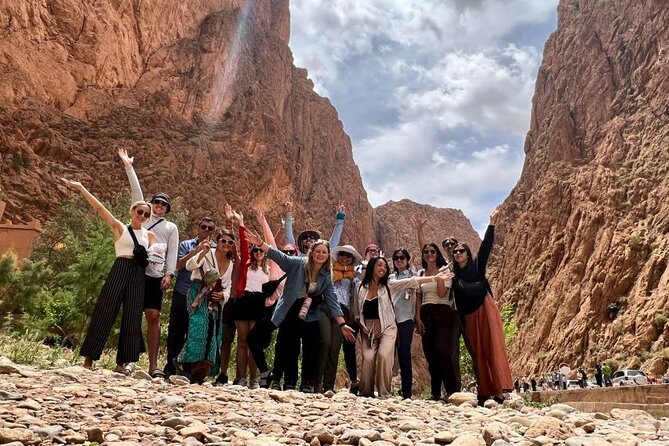
At the Todra River and Toudra Valley, you have about an hour for views and a scenic walk. The itinerary also refers to the Dades Gorges, so the exact canyon stop may depend on the day’s routing. Either way, this part of the journey gives you a chance to leave the vehicle and see the walls and river corridor at walking pace.
An hour is enough for a taste, not a serious hike. Bring water, wear comfortable shoes, and keep an eye on the departure time. The value here is the contrast with the previous day: after earthen villages and mountain roads, the canyon feels more enclosed and dramatic.
Then the road continues toward Merzouga and the Erg Chebbi dunes. This is another long drive, but the stops and changing scenery help break it up. Several people have praised the guides for playing traditional music, explaining local customs, and making the van feel friendly rather than silent and purely functional.
Sunset by camel and a night under the stars
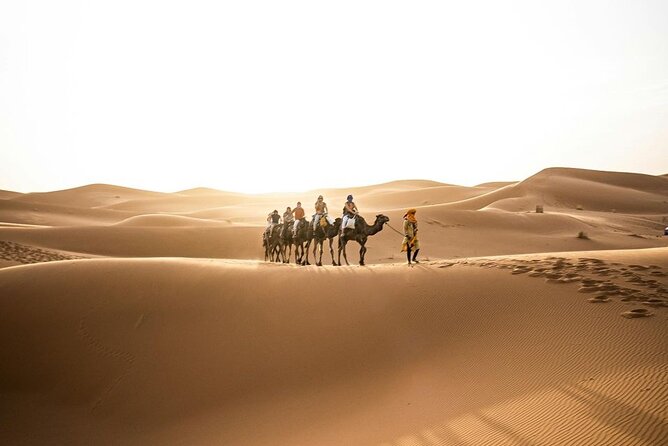
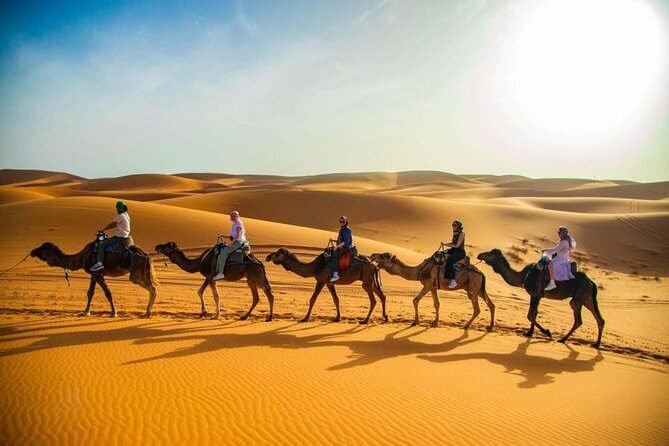
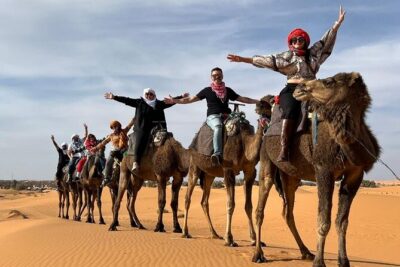
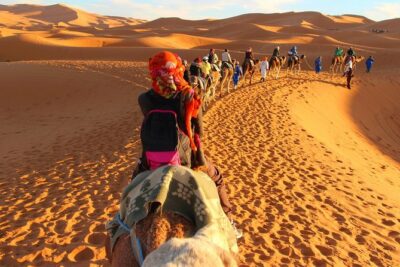
The desert arrival is the payoff for the hours on the road. At Merzouga, you take a camel ride toward the dunes, timed for sunset. The ride lasts about an hour, and you have one camel per person.
Camel trekking is not a smooth horseback-style ride. The animal’s rise and fall can catch you off guard, and the saddle may become uncomfortable. Still, the slow pace suits the desert. You have time to watch the dunes change color and to see the camp approach without the sound of an engine.
Sandboarding is included as well. No special skill is promised, so consider it a playful extra rather than a major sports session. If you prefer not to ride back by camel the next morning, the return option is a Jeep 4×4.
The camp includes dinner and breakfast, with a Sahrawi-style tagine and Berber songs under the stars. This is the most memorable part of the trip for many people, and I understand why. It gives the route a human element that a quick dune photograph cannot provide.
Keep your expectations grounded. This is an organized camp experience, not an isolated wilderness expedition. Food is included, but some meals have been described as basic. The desert camp can also be very cold, especially in January. Bring a warm jacket, thick socks, and extra layers. Do not rely on the word desert to mean warm after dark.
Day three: sunrise, Draa Valley, and the road to Agadir
The third day begins early with sunrise over the dunes. The morning light is often the best time for photographs because the sand is cooler in tone and the shadows are long.
After breakfast, you can return to Merzouga by camel or 4×4. The choice matters if your legs are sore from the previous ride. The 4×4 also gets you back more quickly, which may help the rest of the day’s schedule.
A short coffee and restroom stop follows in Alnif. You then stop for about an hour in Nkob for lunch. Lunch is not included, so keep Moroccan dirhams available and allow for this extra cost when judging the overall price.
The Draa Valley drive
The Draa Valley is one of the most rewarding road sections. You pass Berber villages, kasbahs, palms, and broad views toward the Atlas Mountains. The tour allows about two hours for the drive, though this does not mean two hours of walking or guided sightseeing.
This section helps connect the desert with everyday Moroccan life. Instead of seeing only dunes, you get a sense of how settlements, farming, old kasbahs, and mountain routes fit together. Your guide can add useful local context, and guides named Imad and Abderahman Moulay have been praised for explaining culture and helping with small needs along the way.
The drive continues through Taznakht and Taliouine, areas associated with saffron and Berber traditions. The scheduled stop is only about 15 minutes, so you may get a brief look rather than a detailed saffron lesson. Still, it is a valuable reminder that southern Morocco is not simply empty desert.
You reach Agadir after sunset. Drop-off is provided at your hotel or at the nearest accessible point if your accommodation sits on a narrow street. That final arrival is late, so plan an easy evening rather than a restaurant reservation you cannot change.
The guides can shape the whole trip
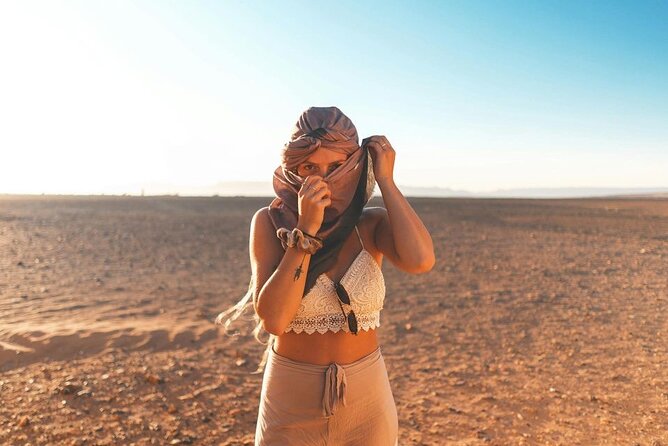
On a route this long, the guide and driver matter as much as the sights. You spend many hours together, so a calm driver, clear instructions, and a good mood make a real difference.
Imad and Ibrahim have received especially warm praise for local information, traditional music, friendly group management, and comfortable walking tours. Abderahman Moulay is also repeatedly described as patient, helpful, attentive, and good at creating a relaxed atmosphere. Mahmoud has been noted for humor, language skills, and practical help, while Abdul has been praised for professional service.
The experience is not tied to one named guide every day, so your exact driver may differ. The useful point is to expect a personal, social style rather than a formal lecture. If you have a question, ask it. The best parts of the trip seem to come when the guide explains what you are seeing, not when the vehicle simply rolls past it.
Vehicle comfort, group size, and the real pace
The air-conditioned vehicle is essential. This route covers mountain roads, valleys, villages, and desert tracks, with a final push to the Atlantic coast. Air conditioning will make the warmer sections easier, but no vehicle can remove the basic fatigue of long road days.
The maximum group size is 18. That is small enough for a shared experience but large enough for delays when people need photographs, food, or restroom breaks. Some departures may feel intimate, while others will have the full group.
You should be comfortable with early starts and a packed schedule. The tour does a good job of adding stops, and several passengers felt the journey moved quickly because there was always something to see. Still, the distance is real. If you dislike sitting in a vehicle for hours, choose a slower trip with fewer destinations.
What to pack and what to budget
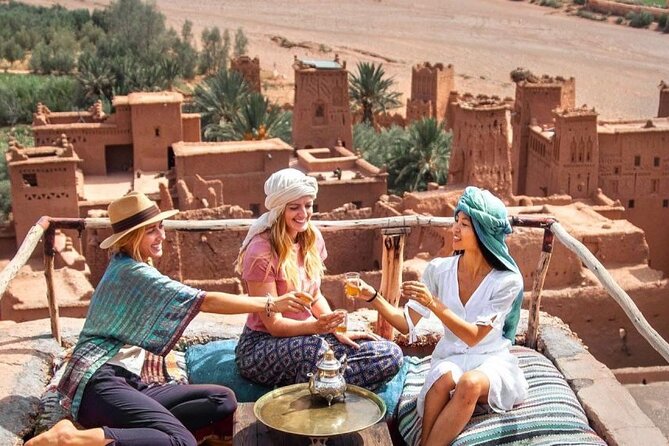
Pack for several climates, not one Moroccan stereotype.
- Warm layers for the desert night and winter mornings
- Comfortable walking shoes for Ait Ben Haddou and the valley paths
- Sun protection for the dunes
- Water and small personal snacks
- Moroccan dirhams for lunches and optional purchases
- A small overnight bag, if possible, rather than your full luggage
Breakfast and dinner are included for both nights, but lunches are not. The included food helps keep the price down, yet it may be plain. If food is a major part of your trip, budget for extra snacks and remain open to simple Moroccan meals.
Tips for the guide and driver are optional. A gratuity can be appropriate when the driver handles long roads safely and the guide gives extra help, but it is not part of the required price.
Who should book this three-day desert tour?
I would recommend it to first-time visitors who want to connect Marrakech and Agadir while seeing the Sahara. It suits people who value variety: mountain passes, a UNESCO site, canyon scenery, village stops, camel riding, a desert camp, and the Draa Valley all appear in three days.
It also works well for friends or couples who enjoy a shared road trip. The group setting, music, local guides, and evening camp help create a sociable mood.
I would hesitate to recommend it to anyone seeking comfort, privacy, or a slow pace. The Tinghir accommodation may be dated, the camp can be cold, food is not a central strength, and the final day runs late. People with limited mobility should check the walking and camel-riding demands before booking, even though most people can participate.
Should you book it?
Book this tour if you want the most scenery and culture possible between Marrakech and Agadir, and you accept long driving days in exchange for the desert night. At about $267.13, the package offers good value because transport, fuel, two nights, four included meals, camels, and sandboarding are covered.
Skip it if you need polished hotels, generous free time, or a quiet desert retreat. For the right person, this is a lively, tightly packed Moroccan road trip with an excellent central memory: arriving at the dunes by camel, then waking to the sun over Erg Chebbi.
Free cancellation is available when you cancel at least 24 hours before the 7:00 a.m. start time. Changes or cancellations inside that window are not accepted for a refund.
FAQ
Where does the tour begin?
Pickup is offered from your Marrakech accommodation, or from the nearest accessible point to your riad. The scheduled start time is 7:00 a.m.
Where does the tour end?
The tour ends in Agadir after sunset. Drop-off is provided at your designated hotel or at the nearest accessible location if the accommodation cannot be reached by vehicle.
How long is the tour?
The experience lasts approximately three days and includes two overnight stays, one in Tinghir and one at a desert camp in Erg Chebbi.
Is camel trekking included?
Yes. Camel trekking is included, with one camel per person. You ride toward the dunes around sunset and can choose to return to Merzouga by camel or Jeep 4×4 after sunrise.
Is sandboarding included?
Yes. Sandboarding in the Erg Chebbi dunes is included in the tour.
Are meals included?
Two breakfasts and two dinners are included. Lunches are not included, so you should budget separately for the midday meals in places such as Nkob.
What languages can the guide speak?
The experienced guide and driver service is offered in English, French, and Spanish. The maximum group size is 18 people.
Can I cancel for a full refund?
Yes, if you cancel at least 24 hours before the experience start time. Cancellations or changes made less than 24 hours before departure are not accepted for a refund.
Just added around Marrakech
- One Way – Marrakech Airport Private Taxi Transfers★ 4.5 · 17 reviews
- Majorelle Garden, YSL & Berber Museum: Exciting Round-Trip Tour★ 4.5 · 17 reviews
- Ourika valley day trip★ 5.0 · 17 reviews
- Marrakech: Agafay Desert Buggy Tour with Transfer★ 4.4 · 17 reviews
- From Marrakech: small group Day Trip To Essaouira Mogador★ 4.9 · 17 reviews
- Essaouira Day Trip from Marrakech★ 5.0 · 17 reviews
- From Marrakech: Ouzoud Waterfalls Full-Day Guided Tour★ 4.2 · 17 reviews
- Best Marrakech to Merzouga 3 D 2N Sahara Desert Tour Adventure★ 5.0 · 17 reviews
3-Day Experiences, compared.
3 Days Desert Tour From Marrakech To Merzouga Dunes & Camel Trek
Read our review →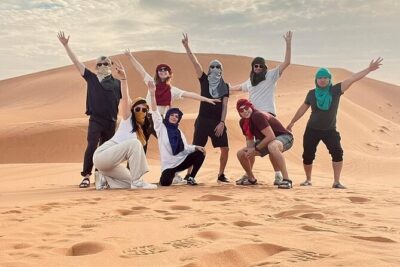
3-Day Marrakech to Merzouga Desert Tour: Camel Rides & Overnights
Read our review →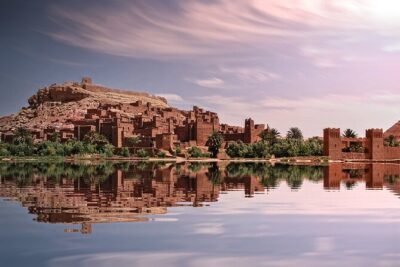
3-Day Marrakech to Fes Sahara Desert Tour via Merzouga
Read our review →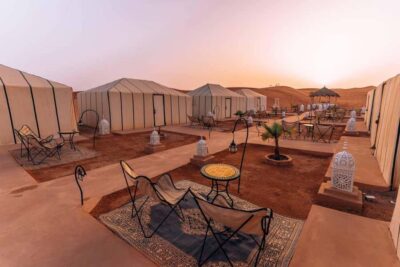
3-Day Merzouga Desert Experience Camel & Meals
Read our review →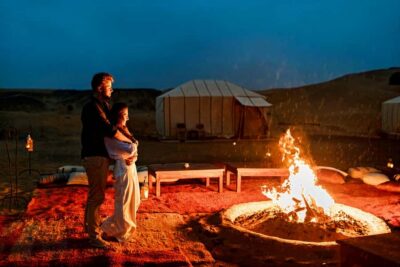
3-Day Tour to Merzouga Erg Chebbi with Food & Camel Trek
Read our review →Browse the lists this tour appears in