
Reviewed · 3-DAY EXPERIENCES
From Agadir: 3-Day Desert Tour to Marrakech
Morocco changes character by the hour. This three-day trip links Agadir and Marrakech through Ait Ben Haddou, the Draa Valley, Todra Gorge, and the Sahara, with a camel ride and overnight desert camp included. I especially like the mix of cultural stops and changing scenery, plus the care shown by drivers such as Abderrahman, Ali, Hicham, and Youssef. The main drawback is simple: you will spend many hours in the vehicle, especially on the final drive to Marrakech.
The Sahara camp night is the emotional high point. Sunset from the dunes, sandboarding, dinner, drumming, and stars give the trip a real sense of place rather than just another long Moroccan road journey. At $172 per person, the price is strong for transport, two nights, meals, camel excursion, and drop-off in Marrakech, though paid lunches and optional upgrades add to the bill.
In This Review
- Key points to know before booking
- Why this Agadir to Marrakech route works
- Day 1: Agadir to Ait Ben Haddou and Tinghir
- Day 2: Todra Gorge and the road to Merzouga
- The desert camp: sunset, dinner, and practical comfort
- Day 3: Sunrise, Rissani, the Draa Valley, and Marrakech
- Guides, drivers, and group atmosphere
- What is included, and what will cost extra?
- Who should book this three-day desert tour?
- Should you book it?
- FAQ
- What is included in the $172 tour price?
- Are lunches included?
- What kind of bathroom is available at the desert camp?
- Can I book a private group?
- What languages are available?
- Where can pickup take place in Agadir?
Key points to know before booking
- The route covers a huge slice of southern Morocco: Agadir, Ait Ben Haddou, Rose Valley, Tinghir, Todra Gorge, Merzouga, the Draa Valley, Ouarzazate, and Marrakech.
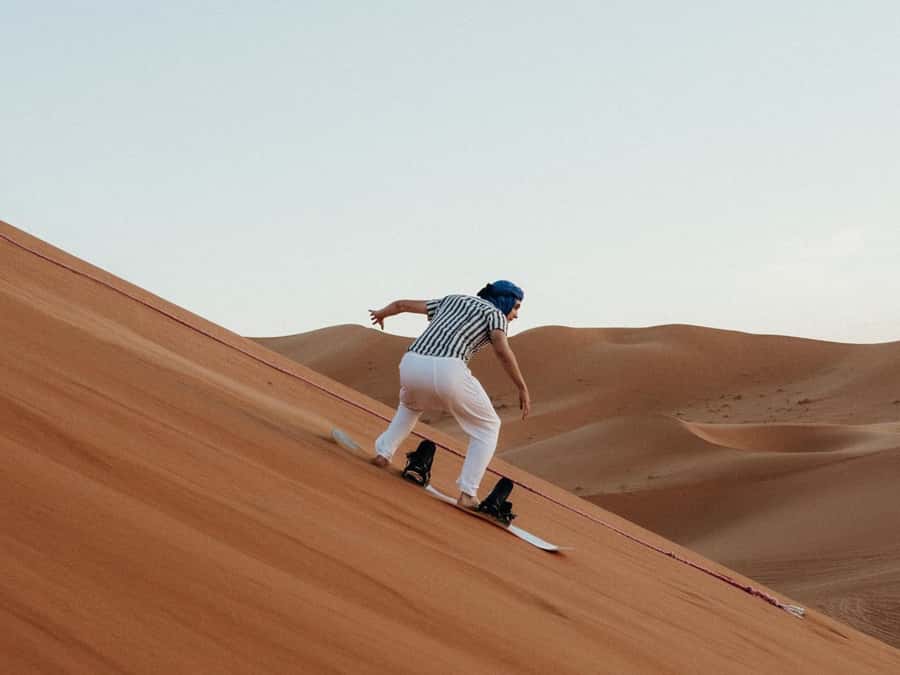
- The desert night is the clear highlight: You ride camels to Erg Chebbi, watch sunset, try sandboarding, eat dinner, and hear Berber music around a fire.
- Expect long driving days: Frequent stops make the journey more manageable, but this is a road trip, not a slow-paced cultural holiday.
- Camp comfort depends on your package: Standard tents have shared bathrooms, while the luxury option adds a private bathroom and may include air conditioning.
- Lunches cost extra: Planned restaurant stops can cost about 120 to 130 Moroccan dirhams, and the food may feel average for the price.
- Communication improves close to departure: Pickup details are sent the day before, usually by WhatsApp, so keep your phone available.
Why this Agadir to Marrakech route works
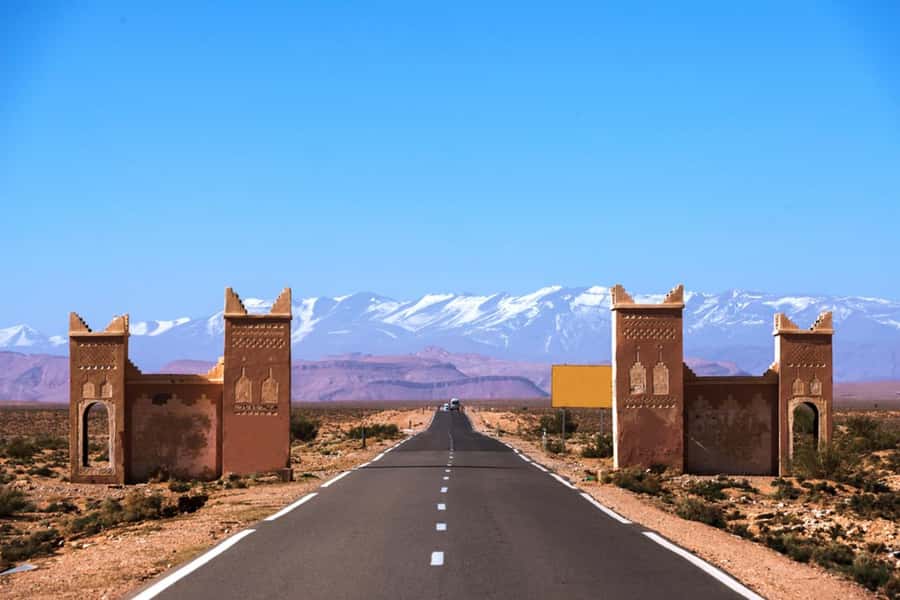
This is a good way to cross southern Morocco without arranging several separate transfers. You start near the Atlantic coast and finish in Marrakech after crossing dry valleys, palm groves, mountain passes, old fortified villages, and Sahara dunes.
I like the route because the scenery keeps changing. One hour you are passing red rock and kasbah walls, and later you are moving through green palms or open desert. The journey also gives you a useful first look at rural Morocco, where small villages, farming areas, craft workshops, and old mud-brick buildings appear between the major stops.
The trade-off is distance. The tour covers a great deal in only three days, so you should expect early starts, timed stops, and plenty of road time. One of the strongest practical points is that drivers usually add toilet, snack, and photo stops along the way. Still, you should book this with the mindset of an active road trip.
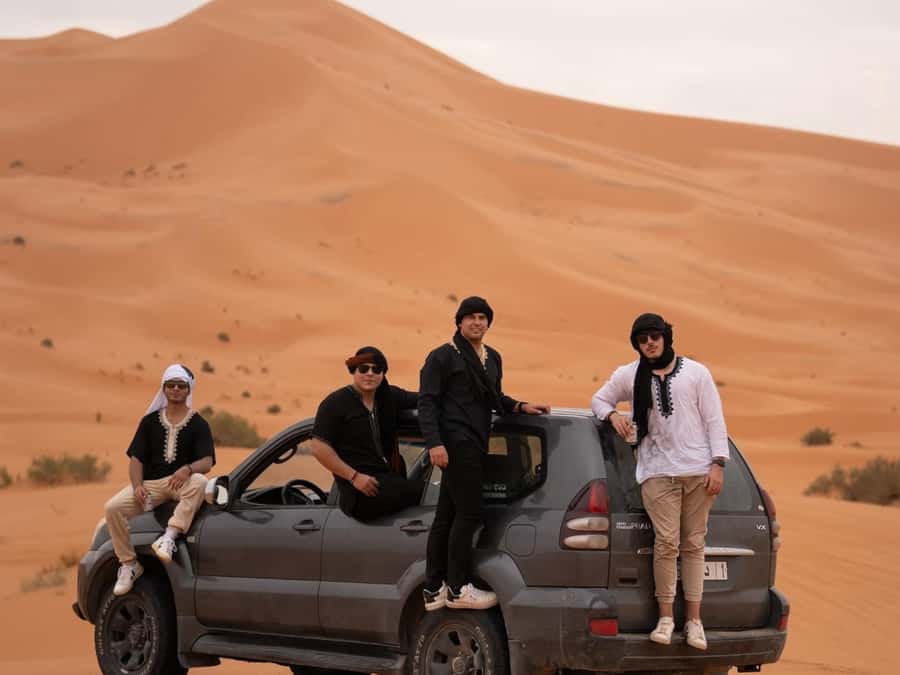
Transport is air-conditioned, and group sizes vary. Some departures have around eight people and a driver, while others can reach about fifteen people. A private group is available if you want more control over timing and company.
A few more Marrakech trips worth weighing up
- From Marrakech: 3-Day Merzouga and Sahara Desert Tour
★ 4.9 · 15,308 reviews - From Marrakech: Merzouga 3-Day Desert Safari with Food
★ 4.7 · 12,232 reviews - 3 Days Desert Tour From Marrakech To Merzouga Dunes & Camel Trek
★ 5.0 · 10,125 reviews
Day 1: Agadir to Ait Ben Haddou and Tinghir
Pickup is scheduled for around 7:00 AM from your Agadir lodging. The exact details normally arrive the day before, and pickup is not available from accommodation more than 7 kilometers from central Agadir. If you stay in a medina riad, you may need to walk to the nearest road that a vehicle can reach.
The first part of the day is a long drive toward Ait Ben Haddou, so bring water and snacks. One useful warning comes from the timing: breakfast is not included on the first morning, and there may not be a convenient breakfast or supermarket stop before the main sightseeing begins.
Ait Ben Haddou is the first major reward. This fortified village, or ksar, is a UNESCO World Heritage Site and a familiar film location. Its earthen walls and narrow lanes rise above the surrounding country, making it one of the most memorable architectural stops on the route.
You get time for lunch and exploration here. A local guide is available for an additional €2 per person, and I think that small extra can be worthwhile if you want more than a quick walk through the lanes. Without a guide, you can still appreciate the buildings, views, and old passageways, but the historical details may be limited.
The tour then follows the Road of a Thousand Kasbahs through Rose Valley and Dades Valley. Despite the grand name, this section is not one nonstop parade of perfectly preserved fortresses. Instead, you see scattered kasbahs, villages, dry cliffs, cultivated pockets, and long stretches of road. The appeal is the overall sense of movement through southern Morocco, not just one photo stop.
The overnight stay is described as a hotel or riad in Tinghir. Actual accommodation can vary, and one recent departure stayed in Kalaa M’Gouna instead. That flexibility is worth knowing before you book. Some guests found the first hotel surprisingly good, while another accommodation was comfortable but below expectations.
Dinner and breakfast are included at the overnight accommodation. Drinks are not included, so keep some cash handy.
Day 2: Todra Gorge and the road to Merzouga
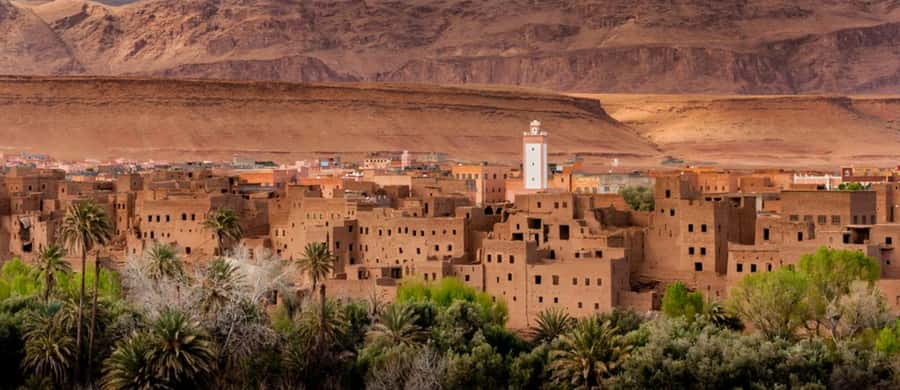
After breakfast, you continue toward Merzouga through the Todra Valley. This is one of the most scenic parts of the trip, with Berber communities, palm groves, and dry mountain surroundings appearing along the road.
The Todra Gorge is the day’s major sightseeing stop. Towering cliffs close around the road and walking area, creating a sharp contrast with the open valleys you have just crossed. The gorge is worth seeing even if your time there is fairly short, though this is not designed as a long hiking day.
The route continues through places such as Tinjdad, Melaab, and Erfoud. These stops help break up the drive and show how the scenery changes as you approach the desert. You might also visit a Berber carpet workshop or manufacture, depending on the departure. That can be interesting if you want to understand local crafts, but it is also a shopping-oriented stop, so do not feel pressured to buy.
As the day progresses, palms give way to stony plains and then the dunes of Erg Chebbi near Merzouga. This change is gradual, which makes the arrival feel more dramatic. The Sahara does not simply appear like a curtain lifting. You watch the ground dry out, the horizon widen, and the dunes take shape.
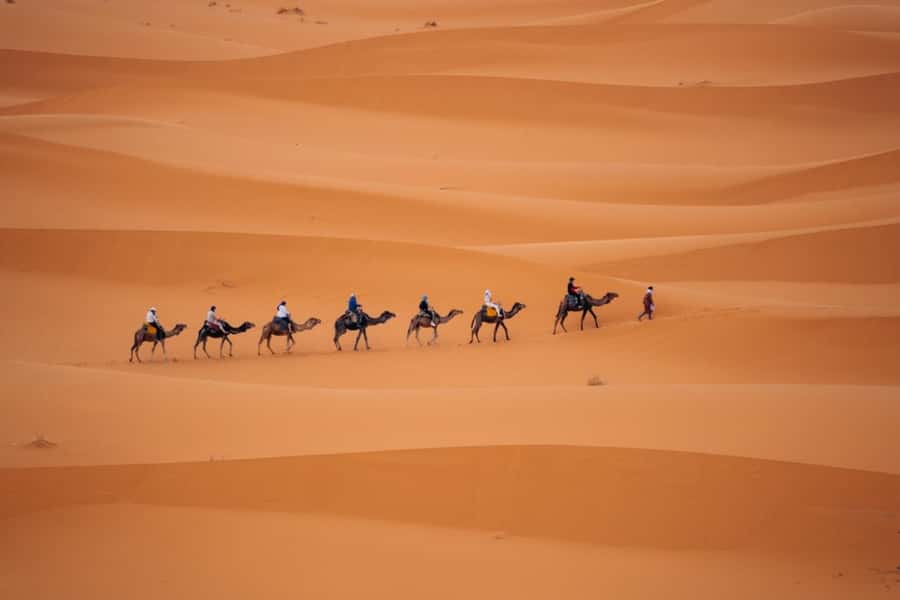
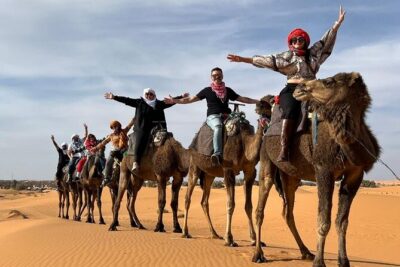
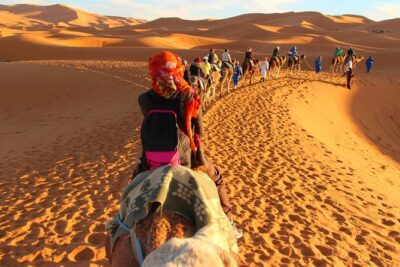
At the edge of the dunes, you transfer to camels for the ride to camp. The camel excursion is included, as is sandboarding. You can usually use the time before sunset to try the board or settle into camp, depending on the timing of your arrival.
The camel ride is not a fast adventure activity. It is a slow, swaying journey, and getting on and off can be awkward. People with back problems should take the warning seriously. If you prefer not to ride, ask the tour team what alternatives are available, though the supplied details do not promise a separate transfer.
The desert camp: sunset, dinner, and practical comfort
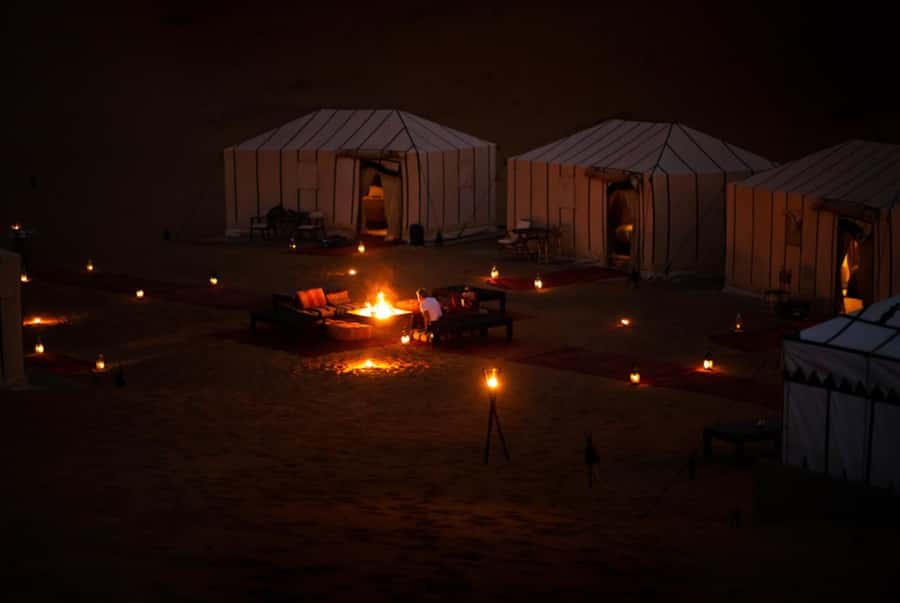
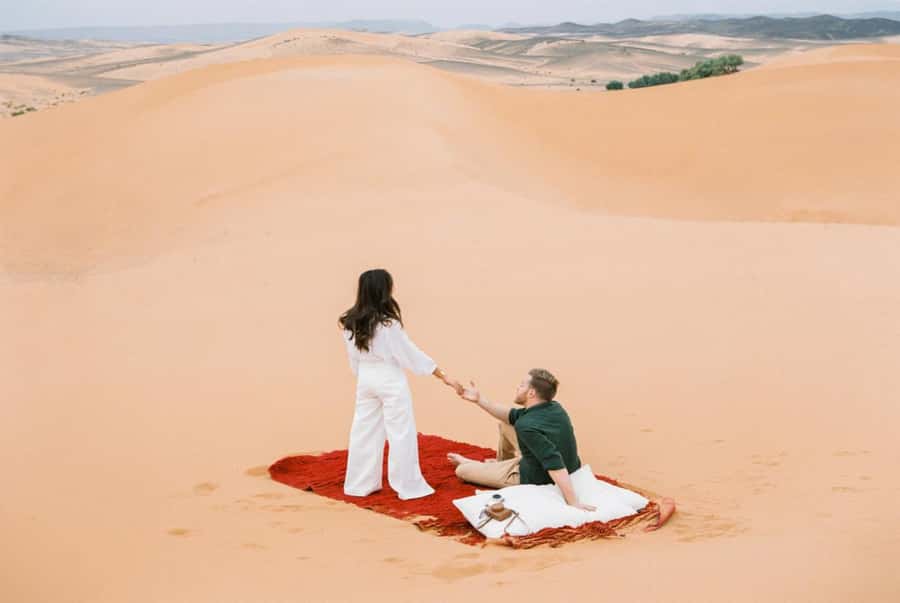
The camp night is the reason many people accept the long drives. The sunset over the dunes gives you a quiet moment after two days of roads and sightseeing. Then the mood shifts to dinner, a campfire, Berber drumming, and music beneath the stars.
The standard camp is not always far out in the empty dunes. One account describes it as being near the edge of the desert, with standard bathrooms, showers, and warm water. That may sound less remote, but it is a sensible compromise if you prefer basic facilities to total isolation.
Standard accommodation uses a private tent with shared bathrooms. The luxury option includes a private bathroom, and one luxury tent also had air conditioning. In colder months, that extra comfort can matter. Nights in the desert can feel cold even after a warm afternoon, so bring warm clothing rather than relying only on the bedding.
Food at the camp is included, and the meals are generally described as good. Expect Moroccan dishes rather than a wide international menu. The music and bonfire add more than entertainment. They give the night a social, local feel, especially when the group is friendly.
Camel welfare deserves attention. One person specifically felt that some handlers were too rough with the animals. You can help by choosing a calm pace, treating the camels gently, and raising concerns with your guide if you see handling that makes you uncomfortable.
A completely different sort of day out of Marrakech:
- Marrakech: Agafay Desert Sunset, Camel Ride, and Dinner Show
★ 4.6 · 35,119 reviews - From Marrakech: Ouzoud Waterfalls Guided Hike and Boat Trip
★ 4.7 · 33,630 reviews - Marrakech: Agafay Desert Quad & Camel Rides with Dinner Show
★ 4.8 · 27,382 reviews - Marrakech: Agafay Desert Quad Biking Tour with Dinner-Show
★ 4.8 · 16,569 reviews
Day 3: Sunrise, Rissani, the Draa Valley, and Marrakech
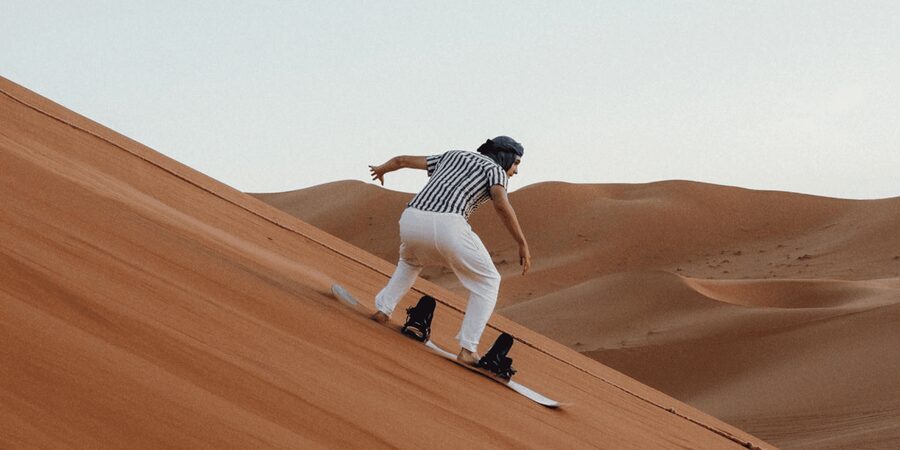
Set your alarm early for sunrise. The dunes are cooler and quieter at this hour, and the changing light gives the sand more shape than it has in the harsh middle of the day. The sunrise is one of the strongest moments of the whole trip, especially if you have chosen the luxury camp and can step outside your tent without a long walk to shared facilities.
After breakfast, you return to Merzouga and begin the long drive west. The route passes through Rissani, Alnif, Tazarine, and N’kob before reaching the Draa Valley.
Rissani adds a useful link to the region’s trading past, while Alnif and Tazarine bring you back into broad, dry country. N’kob and the Draa Valley are known for palm groves, old kasbahs, and Berber villages. After the desert’s bare dunes, the green strips of palms are a welcome change.
This is also the most demanding driving day. The route from Merzouga to Marrakech takes much of the day, with lunch in Ouarzazate before the final crossing of the High Atlas Mountains. Stops for food, toilets, photos, and short visits help, but you should not expect a relaxed afternoon.
The Atlas crossing provides a final change of scenery, with mountain roads and high views before the descent toward Marrakech. Arrival is scheduled for the evening, followed by drop-off at your accommodation. Since the timing depends on road conditions, stops, and group needs, avoid booking a tight evening commitment in Marrakech.
Guides, drivers, and group atmosphere
The human side of this trip receives unusually strong praise. Drivers including Abderrahman, Ali, Hicham, Hamza, Jawad, Youssef, and Simo are described as friendly, careful, attentive, and good at explaining the route. Names can vary by departure, but the pattern is clear: a good driver makes a major difference on this journey.
That matters because you spend so much time in the vehicle. A safe driver who explains the schedule, arranges stops, helps with luggage, and checks that everyone is comfortable can turn a tiring transfer into a pleasant shared experience.
Group sizes vary, and that changes the feel of the trip. A small group of eight can move more quickly and feel personal. A group closer to fifteen may be more social but can take longer to gather at stops. Solo visitors often find the shared format easy for meeting people, while couples who want quiet time may prefer a private group.
Communication before pickup can be uneven. The clearest departures receive WhatsApp instructions the day before, while some people have had trouble getting answers until shortly before departure. Keep your phone on, confirm your pickup point as soon as the message arrives, and do not assume a large vehicle can reach a narrow medina street.
What is included, and what will cost extra?
At $172 per person, the package offers good value if you want to cover this route in a short time. It includes:
- Agadir pickup and Marrakech drop-off
- Air-conditioned transport
- English-speaking driver and guide
- Two breakfasts and two dinners
- Hotel and desert camp accommodation
- Camel excursion
- Sandboarding
- Luggage service
- Berber drumming and music
Lunches and drinks are not included. Planned lunch stops may cost around 120 to 130 dirhams, or roughly €13 based on one reported departure. The meals can be convenient but not always impressive, and you may have little choice about where the group stops.
Bring enough cash for lunches, drinks, snacks, tips, and optional purchases. A scarf can protect you from wind and sun, so you do not need to buy a special desert head covering at a stop. Sunscreen, a hat, comfortable shoes, water, a camera, and warm layers belong in your day bag.
Who should book this three-day desert tour?
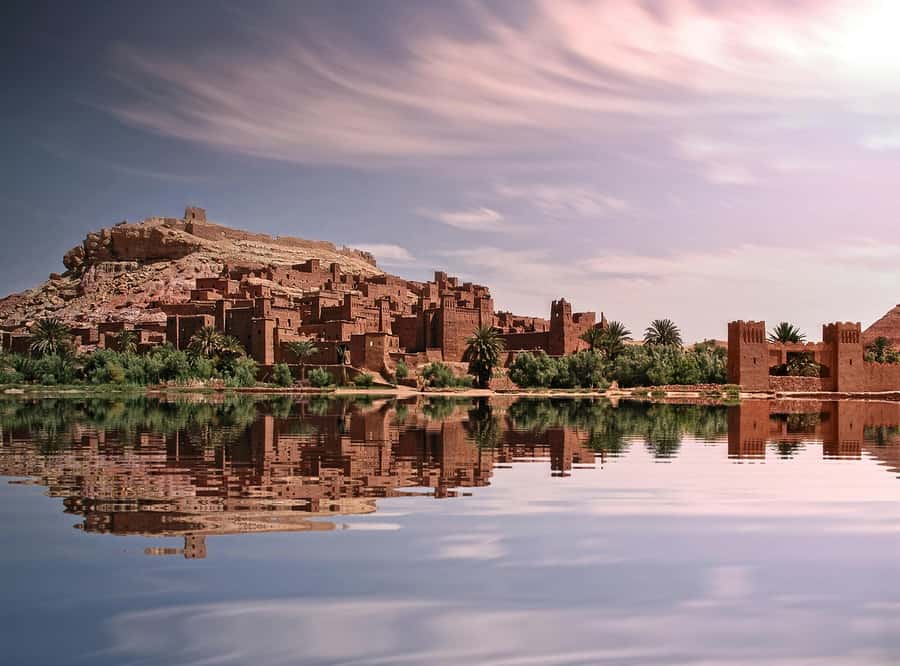
I would choose this trip if you want a strong first taste of southern Morocco and have limited time. You see major sights, travel through several distinct regions, sleep in a desert camp, and finish in Marrakech without arranging separate transport.
It suits solo visitors, friends, couples, and older children who can manage long road days. The friendly group format can make the hours in the vehicle more enjoyable, and the drivers often help keep the mood easy.
I would hesitate if you dislike early starts, organized stops, or long drives. The schedule is full, and some guided visits can feel rushed. This is not the right choice for someone who wants several hours alone at each site, a serious multi-day hike, or a slow stay in the desert.
The tour is also not suitable for people with back problems, and anyone prone to seasickness should note that the activity information lists that as a concern. Smoking is not allowed in the vehicle.
Should you book it?
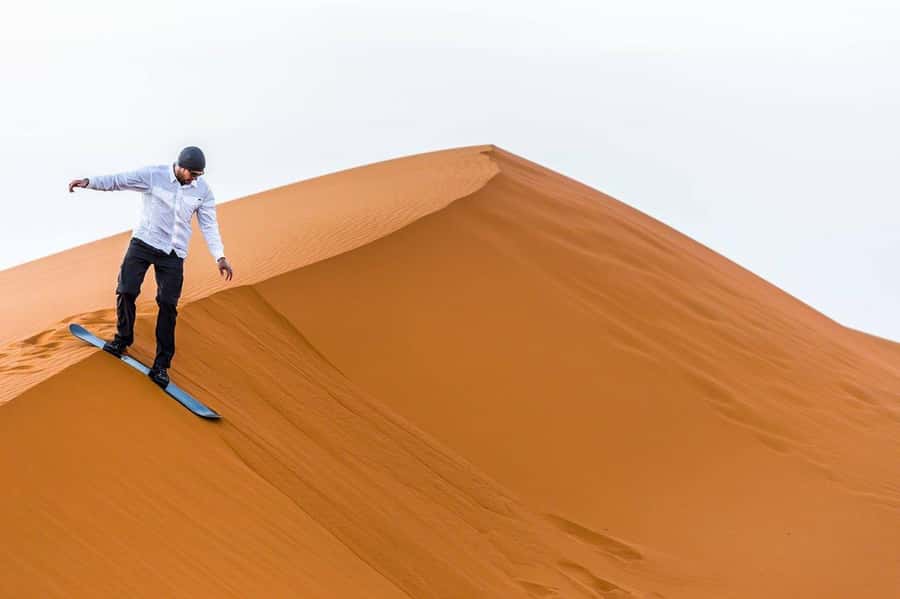
Book this tour if the Sahara night, Ait Ben Haddou, and the changing scenery matter more to you than having a leisurely pace. The price covers the costly parts of the trip, and the strongest value comes from combining transport, accommodation, meals, camel riding, and a Marrakech finish in one package.
Choose the luxury camp if a private bathroom, warmer overnight comfort, or air conditioning is important. Choose the standard option if you are happy with shared bathrooms and want to keep the cost down.
My practical advice is to pack snacks for the first morning, carry cash for lunches, bring warm clothes even in a warm season, and confirm pickup details the day before. If you can accept the road time, this is a well-priced and memorable way to connect Agadir with Marrakech through Morocco’s southern interior.
FAQ
What is included in the $172 tour price?
The price includes hotel pickup in Agadir, air-conditioned transportation, an English-speaking driver and guide, two breakfasts, two dinners, hotel accommodation, desert camp accommodation, a camel excursion, sandboarding, luggage service, Berber music and drumming, and drop-off at your Marrakech accommodation.
Are lunches included?
No. Lunches and drinks are not included. Planned lunch stops may cost about 120 to 130 Moroccan dirhams, so bring enough cash.
What kind of bathroom is available at the desert camp?
The standard option uses shared bathrooms. The luxury option includes a private bathroom. One departure also had showers and warm water at the standard camp, but facilities can vary.
Can I book a private group?
Yes. A private group option is available. Shared departures can vary in size, with some groups reported at around eight people and others at about fifteen.
What languages are available?
The activity is offered with live guides speaking English, French, Arabic, or Spanish.
Where can pickup take place in Agadir?
Pickup is included from accommodation within 7 kilometers of central Agadir. If your riad is in the medina and vehicles cannot reach it, you may be asked to meet at the closest accessible location. Exact pickup details are sent the day before.
Just added around Marrakech
- Marrakech: Medina Souks, Hidden Markets and Shopping Tour★ 4.8 · 33 reviews
- Guided walking tour in Marrakech★ 4.5 · 33 reviews
- Sunset Camel Ride Marrakech with Transfers★ 5.0 · 33 reviews
- Agafay desert sunset camel ride Tour from Marrakech★ 5.0 · 33 reviews
- 2 Days Desert Agafay and Atlas Mountains Trek From Marrakech★ 3.8 · 33 reviews
- Atlas mountains, Ourika valley, berber villages trip & Guide★ 5.0 · 33 reviews
- Magical Dinner show and Quad bike In Agafay Desert Marrakech★ 4.5 · 33 reviews
- Camel Ride at the Palm Groves in Marrakech★ 5.0 · 33 reviews
3-Day Experiences, compared.
3 Days Desert Tour From Marrakech To Merzouga Dunes & Camel Trek
Read our review →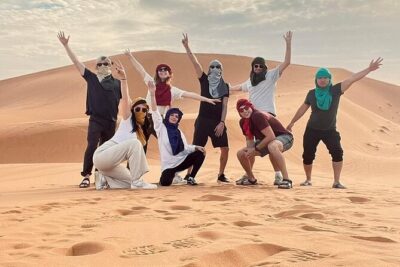
3-Day Marrakech to Merzouga Desert Tour: Camel Rides & Overnights
Read our review →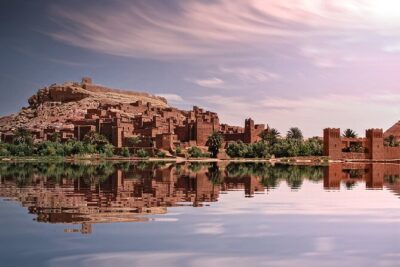
3-Day Marrakech to Fes Sahara Desert Tour via Merzouga
Read our review →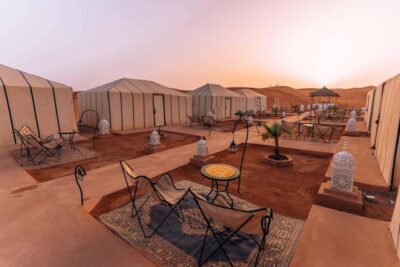
3-Day Merzouga Desert Experience Camel & Meals
Read our review →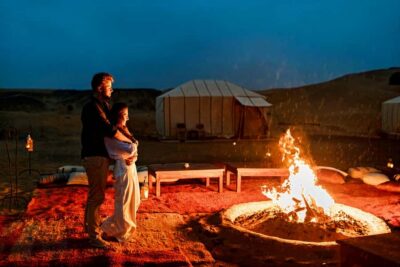
3-Day Tour to Merzouga Erg Chebbi with Food & Camel Trek
Read our review →Browse the lists this tour appears in