
Reviewed · MERZOUGA AND SAHARA DESERT TOURS
Fes: Best Fez to Marrakech via Merzouga Desert Dunes, 3 Days Tour
The desert is only part of the story. This three-day journey links Fez and Marrakech by way of Ifrane, the Middle Atlas, Ziz Valley, Erg Chebbi, Todra Gorge, Ait Ben Haddou, and the Tizi n’Tichka Pass. I like the smart one-way route, which saves you from returning to Fez, and I like the chance to sleep beside the dunes rather than simply stop for a photo. The main drawback is clear: there is a great deal of driving, with long road days and some lunches that can take precious time from later stops.
The price is about $220.14 per person, including transport, two breakfasts, two dinners, camel trekking, and two nights of accommodation. Guides such as Ayoub, Omar, Hamza, Abdul, Hakim, and Mohamed have earned strong praise for being friendly, careful, and attentive, though communication before pickup can be slow. Bring cash for lunches, drinks, and the small Ait Ben Haddou guide fee.
In This Review
- Key points to know before booking
- Why this Fez to Marrakech route makes sense
- Day one: from Fez through Ifrane and Midelt
- Erg Chebbi: camels, camp, and desert light
- Day two: Merzouga to Todra Gorge and the Dades Valley
- Day three: rose products, Ouarzazate, and Ait Ben Haddou
- What the $220 price really covers
- Guides, communication, and group rhythm
- Who should book this three-day desert trip?
- Should you book it?
- FAQ
- How long is the Fez to Marrakech desert tour?
- What time does pickup begin?
- Is transport included?
- Is camel trekking included?
- How long is the camel ride?
- Are meals included?
- Is the Ait Ben Haddou guide included?
- How large is the group?
- Can I cancel for a full refund?
Key points to know before booking
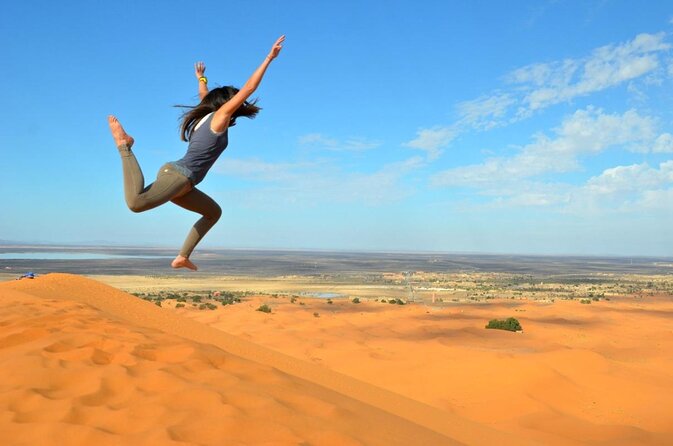
- Erg Chebbi is the emotional high point: Expect a short camel ride to camp, desert sunset and sunrise opportunities, and a night among the dunes.
- The route covers serious ground: Fez to Merzouga can take about eight to ten hours, while the final day to Marrakech is also long.
- The tour ends in the right city: You travel from Fez to Marrakech, making this useful for a wider Morocco itinerary.
- Lunches cost extra: Budget around 150 MAD per lunch, plus money for water, drinks, and small fees.
- Economy may be enough: The biggest reported difference between camp options is air conditioning, which matters most during hot weather.
- The group can reach 17 people: That keeps the price down, but stops and meals follow a shared schedule.
Why this Fez to Marrakech route makes sense
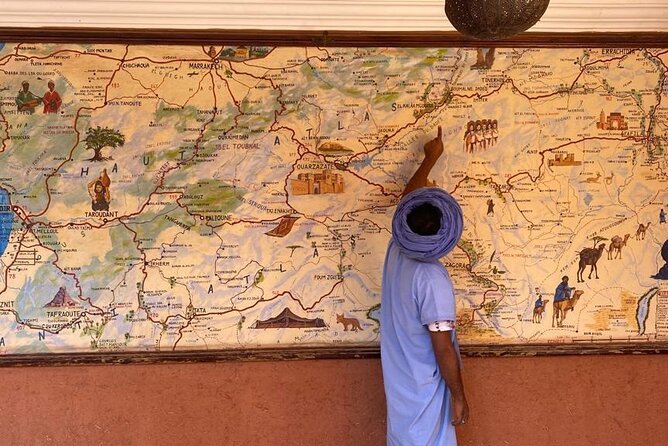
Morocco’s two famous imperial cities are not close neighbors in the sightseeing sense. A direct transfer would get you from Fez to Marrakech, but it would miss the country’s eastern desert, dramatic gorges, mud-built villages, and high mountain roads.
This tour turns the transfer into the main event. You cross the Middle Atlas, pass through date-growing valleys, spend a night near the Sahara, then continue west through the Valley of the Roses and the Dades region. The route finishes with Ait Ben Haddou and the High Atlas.
I like this arrangement for anyone with limited time. You unpack once in Fez, let the driver handle the long roads, and arrive in Marrakech with a memorable cross-country journey behind you. The tradeoff is that this is not a slow holiday. You spend many hours in the vehicle, with sightseeing breaks fitted around a fixed timetable.
The shared vehicle is air-conditioned, and the maximum group size is 17 people. That is small enough to feel organized but large enough that lunch stops and photo breaks may not move quickly. Most people can take part, and pickup is offered from a Fez hotel or a nearby meeting point.
More Sahara Desert Tours in Fez
- From Fez: Sahara Desert 2-Day Tour with Merzouga Camp Stay
★ 4.8 · 1,716 reviews - From Fes to Marrakech: 3-Day Sahara Desert Discovery Tour
★ 4.7 · 1,158 reviews - From Fes: 2-Day Merzouga Desert Trip w/Luxury Tent & Dinner
★ 4.7 · 844 reviews
Day one: from Fez through Ifrane and Midelt
Pickup begins around 7:30 a.m., with the exact hotel arrangement generally confirmed close to departure. The early start is useful because the first day contains the longest push toward Merzouga.
Your first notable stop is Ifrane. Built by the French in the 1930s as a mountain resort, it has sloped roofs, tidy streets, and a distinctly Alpine look. It is often called Morocco’s Switzerland, though that nickname should be treated as a quick visual joke rather than a full description of the country.
After Ifrane, the road reaches Azrou and the Middle Atlas. The route offers mountain views, forested stretches, sharp bends, and villages along the way. The stop is also associated with the local Barbary macaques, which can sometimes be seen near the road. Keep your camera ready, but remember that the drive itself is part of this section.
Midelt is the main lunch stop. The town is known for apples, fossils, and rocks, and it sits between two mountain ranges. Lunch is not included, so you need Moroccan dirhams. A three-course meal has commonly cost around 120 to 130 MAD, with drinks extra.
This is where the schedule can begin to feel tight. Lunch stops have taken close to two hours on some departures, and a slow meal can push the camel ride toward darkness. If you want good desert light, ask the guide how much time remains before continuing.
The later road follows the Ziz Valley, known for date palms and high-quality dates. A viewpoint over the valley gives you the kind of broad Moroccan scene that makes the long drive worthwhile: palms gathered around water, dry hills beyond, and a road threading through the eastern part of the country.
The full journey to Erg Chebbi is often about eight hours of driving, and the day can reach roughly ten hours with stops. By arrival, you may be tired. Still, the approach to the dunes changes the mood quickly. The flat road gives way to sand, and the first night brings the tour’s most distinctive experience.
Erg Chebbi: camels, camp, and desert light
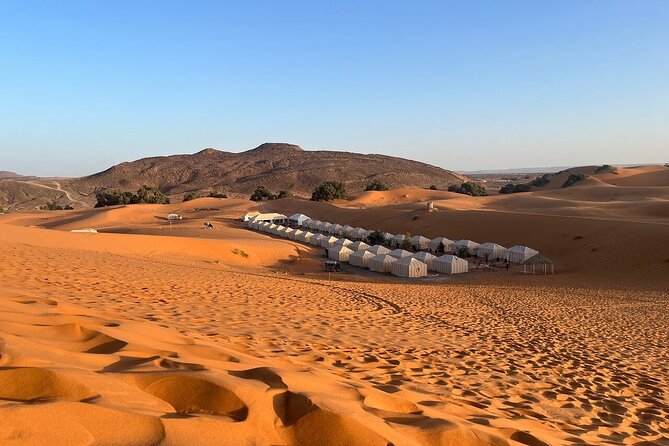
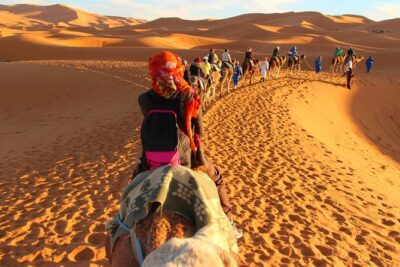
The camel ride is shorter than many people imagine. Expect roughly 30 to 45 minutes on the way to camp and a similar ride when leaving the next morning. That is enough time to feel the slow, swaying rhythm of a camel without turning the experience into an endurance test.
The camp night includes dinner and accommodation in a tent. Some packages offer a luxury upgrade. The practical difference described most often is air conditioning, so I would think carefully before paying more. In mild weather, the basic option may cover what you need. In the heat of summer, climate control can matter.
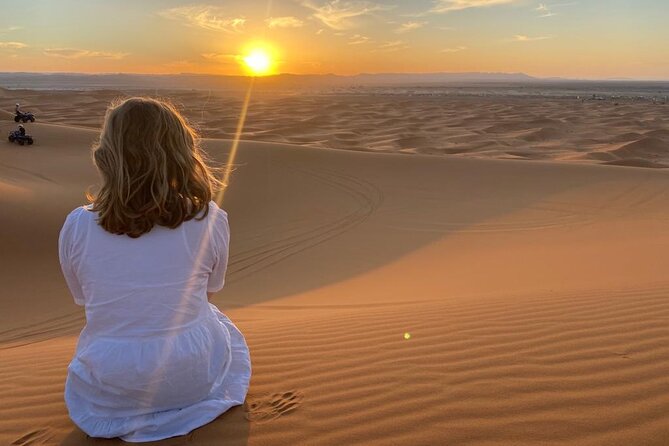
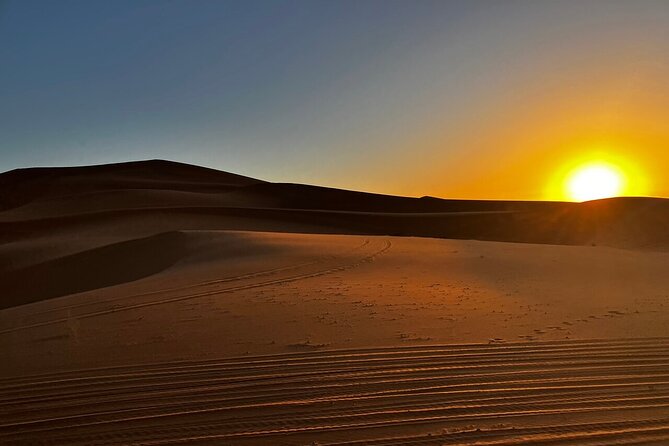
The desert itself is the reason to make this route. Aim to watch sunset if the schedule allows, and get up for sunrise. The changing color on the dunes is simple, quiet, and memorable. One private departure also included an optional ATV ride, but that was part of a different arrangement, so you should not assume it is included in this shared tour.
Dinner and breakfast are included at the camp. Food is served buffet-style on some departures, and the supplied experiences describe the meals as plentiful and tasty. Drinks remain your responsibility, so keep water with you rather than waiting for the next service stop.
The next morning begins with breakfast and the camel ride out. Some departures return to the road after the camel ride, while the listed schedule describes the trip continuing toward the Dades area. Clarify the exact morning sequence with the operator if sunrise timing is important to you.
Day two: Merzouga to Todra Gorge and the Dades Valley
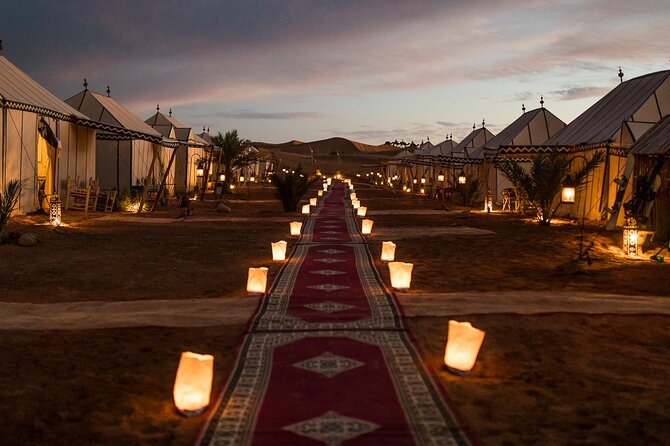
Day two changes from sand to stone. After leaving Merzouga, the route heads toward Todra Gorge, one of the most striking natural stops on the trip.
The guided visit lasts about 40 minutes. The gorge’s tall rock walls rise close around the road and walking area, creating a sharp contrast with the open dunes of the previous night. It is a good stop for stretching your legs and seeing how quickly eastern Morocco’s scenery changes.
The schedule also includes a photography stop near Boumalne Dades, followed by the Valley of the Roses. This region is known for rose cultivation and rosewater products. Depending on the season and timing, the valley may feel more or less impressive, so keep expectations flexible.
An optional stop at a rosewater cooperative can show you how distilled rose water becomes scented products and perfumes. Cooperative visits can be useful when you want a closer look at local production, but they also function as shopping stops. You are not required to buy anything.
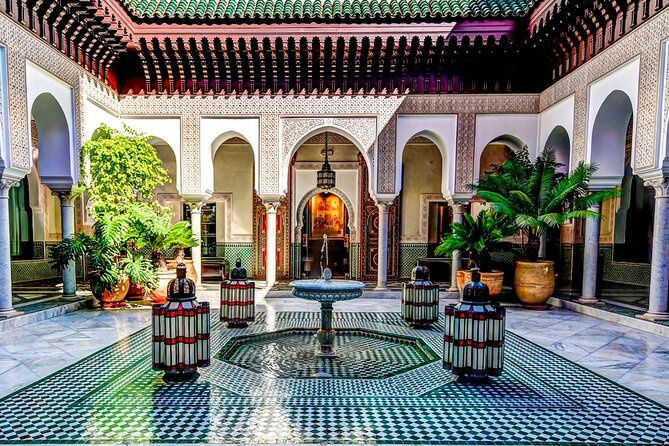
The second night is spent in a boutique guesthouse in the Kelaat Mgouna or Dades Valley area, or sometimes in Ouarzazate, depending on availability. Accommodation has generally received strong praise, with some departures offering especially pleasant rooms and dinners. The exact property is not fixed, so do not book this expecting one named hotel.
A visit around Tinghir may also be included, with a walking tour that can last about 90 minutes. Be aware that part of the walk may take place inside a carpet shop, including mint tea and a rug demonstration. If shopping is not your interest, ask how much time will be spent there before the visit begins. One departure lost about half of the walking tour to this stop.
More Sahara Desert Tours:
- From Fes To Marrakech: 3-Day Sahara Desert Tour & Camel Trek
★ 4.8 · 389 reviews - Fes To Marrakech : 3 Days Tour Via The Desert Of Merzouga & Camel
★ 5.0 · 364 reviews - From Fez: 3-Day Merzouga and Ouarzazte Tour to Marrakech
★ 4.6 · 340 reviews - From Fez: 2-Day Marrakech via Merzouga Desert Tour
★ 4.5 · 174 reviews
Day three: rose products, Ouarzazate, and Ait Ben Haddou
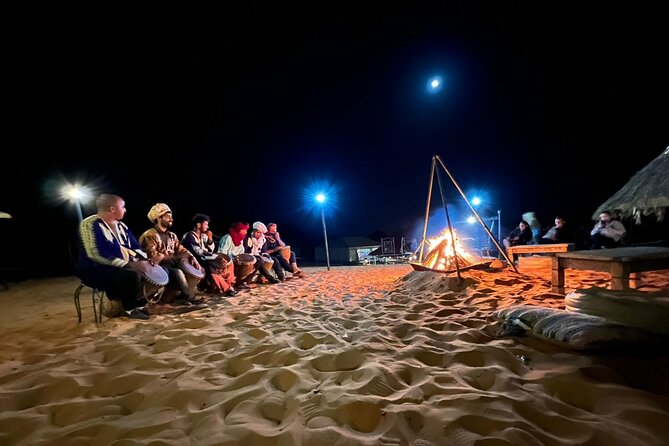
After breakfast, the route continues through the Valley of the Roses toward Kalaa Mgouna. The morning cooperative visit gives the valley a human side, but the timing can vary. If the group spends too long at lunch, another planned stop may be shortened or skipped.
The road then passes the Skoura oasis on the way to Ouarzazate. Palms and mud-built architecture mark this section of southern Morocco. Ouarzazate is often linked with film production, and it serves as a useful base for understanding the kasbah country around it.
The major stop is Ait Ben Haddou. This UNESCO World Heritage site is a fortified village made up of tightly packed earthen kasbahs. From a distance it looks like one large mud-brick settlement, but walking through it reveals separate homes, passageways, and buildings rising along the hillside.
Lunch is extra. A guided visit to the kasbah costs 2 euros per person, or about 20 MAD, and is not included in the tour price. Carry small cash. The fee is minor, but it is an unnecessary nuisance if you arrive without dirhams.
Ait Ben Haddou has appeared in Hollywood films, fashion work, and advertisements. That film connection draws plenty of people, but the site is worthwhile even if you do not recognize a single movie. Its building methods, position above the surrounding area, and narrow lanes offer a direct look at southern Moroccan village design.
The final mountain crossing is Tizi n’Tichka, one of the highest road passes in Morocco. The tour includes a photography stop, followed by a descent through Berber villages where many homes are built from stone and mud. The road is winding, so take the view in small doses if you are sensitive to bends.
You reach Marrakech in the late afternoon or evening, depending on road conditions and the pace of earlier stops. The driver takes you as near as possible to your riad or hotel, which is useful in a city where vehicles cannot always reach the narrowest medina lanes.
What the $220 price really covers
At about $220.14 per person, this is a strong value if you want a desert night and need to move from Fez to Marrakech anyway. The price includes an air-conditioned vehicle, camel trekking, two breakfasts, two dinners, and two nights of accommodation.
You are paying for convenience as much as transport. Arranging this chain of roads, hotels, desert transfers, camels, gorges, and Ait Ben Haddou on your own would take time and careful coordination. The shared format keeps the price manageable.
The costs that catch people out are lunches, drinks, and the Ait Ben Haddou guide. Plan for at least 500 MAD in cash for two lunches, water, and small purchases. Lunches may be set menus at restaurants used by organized groups, and a three-course meal can take around two hours. If you are on a tight budget, two people may be able to share one menu, though portions and restaurant rules can vary.
The camp upgrade deserves scrutiny. One departure found that the second night’s accommodation was the same for economy and upgraded passengers. Ask exactly what changes before paying extra. Air conditioning may be the main difference, not a dramatically different room or route.
Guides, communication, and group rhythm
The strongest part of the human side is the drivers. Ayoub is praised for humor, patience, and cultural explanations. Omar is described as a careful driver who regularly checks on the group. Hamza handled a private departure closely, while Abdul, Hakim, Mohamed, Yosef, Hesham, Iddir, and Jawd also received positive comments for friendliness and care.
That does not mean every departure runs identically. This is a shared tour, and the driver assigned to you can change. Some vehicles may offer Wi-Fi and phone charging, but those features are not listed as guaranteed inclusions.
Communication before pickup has been uneven. You may receive the final meeting details only the day before, so keep the operator’s WhatsApp contact available and do not panic if confirmation is quiet for several days. If you need a precise hotel pickup, contact the company rather than assuming the details are already settled.
The group limit is 17 people. That makes the tour affordable, but you must accept shared decisions about meal stops, photo breaks, and shopping visits. A private tour offers more control, but it changes the price.
Who should book this three-day desert trip?
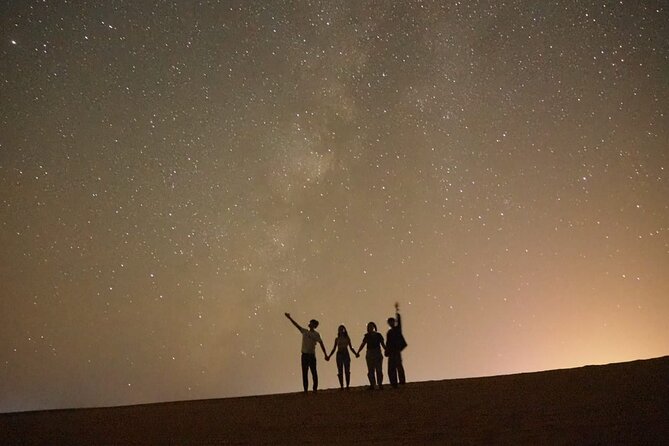
I would choose this tour if you want to see the Sahara, dislike arranging several transfers, and have only three days between Fez and Marrakech. It suits first-time visitors who want a broad sample of Morocco beyond the big cities.
It is also a good fit for solo visitors. The shared group gives you company, and the maximum size is not enormous. The desert camp, camel ride, and long road days are easier when you have a group around you.
I would hesitate if you need relaxed mornings, long walks at every stop, or full control over meals. The route is intense. You may spend eight to ten hours on the road on the first day, and later delays can affect the camel ride or final sightseeing.
Pack a scarf for the desert, comfortable clothes, water, snacks, and cash. If you are visiting in hot weather, ask about air conditioning before choosing the camp upgrade. If you want the best chance of seeing every stop, ask the guide to explain lunch timing and the plan for Ait Ben Haddou.
Should you book it?
Book this tour if the desert is a priority and you want Fez to Marrakech transport folded into the experience. The strongest reasons are the Erg Chebbi camp, the camel ride, Ait Ben Haddou, and the sheer variety between the Atlas Mountains and the desert.
Skip it if long driving days drain the joy from sightseeing. For most people with limited time, though, the route offers a lot for the price. Just bring cash, expect a busy schedule, confirm pickup close to departure, and treat the desert sunrise as the moment worth protecting.
Free cancellation is available up to 24 hours before the start time. The experience begins around 7:30 a.m., and the activity ends in a different city, Marrakech.
FAQ
How long is the Fez to Marrakech desert tour?
The tour lasts approximately three days and ends in Marrakech.
What time does pickup begin?
The stated start time is 7:30 a.m. Pickup is offered from your Fez hotel or a designated meeting point.
Is transport included?
Yes. An air-conditioned vehicle is included for the route from Fez through the desert and Atlas Mountains to Marrakech.
Is camel trekking included?
Yes. Camel trekking, with one camel per person, is included.
How long is the camel ride?
The camel ride is generally about 30 to 45 minutes going to camp and a similar length when leaving, based on the available tour details.
Are meals included?
Two breakfasts and two dinners are included. Lunches and drinks are not included.
Is the Ait Ben Haddou guide included?
No. The local guide costs 2 euros per person, or about 20 MAD.
How large is the group?
The shared tour has a maximum of 17 participants.
Can I cancel for a full refund?
Yes, if you cancel at least 24 hours before the experience begins. Cancellations within 24 hours are not refunded.
More 3-Day Experiences
- Majestic Desert: 3-Day Luxury Journey from Marrakech to Fes
★ 4.9 · 1,437 reviews - From Fes: Unforgettable Desert Tour to Marrakech 3-Day
★ 4.5 · 470 reviews - From Fes: 3 Days and 2 Nights Desert Trip to Marrakech
★ 4.6 · 460 reviews - Fes to Marrakech desert tour 3 days
★ 5.0 · 411 reviews
Just added around Fez
- Fez Cooking Class★ 5.0 · 33 reviews
- Discover Fes: Culture, handicraft & Hidden Treasures★ 5.0 · 33 reviews
- Shared Group Desert Tour Fes To Marrakech Via Merzouga 3 Days★ 5.0 · 34 reviews
- Discover Fez and its hidden secrets★ 5.0 · 34 reviews
- Fes Guided Tours★ 5.0 · 34 reviews
- Discover Fez with a local★ 5.0 · 34 reviews
- Fes Guided Sightseeing Tour with Luxury Car All Inclusive Tickets★ 4.5 · 34 reviews
- Exclusive Fez Medina Walking Tour with a local Guide★ 4.9 · 35 reviews
Merzouga and Sahara Desert Tours, compared.
3 Days Desert Tour From Marrakech To Merzouga Dunes & Camel Trek
Read our review →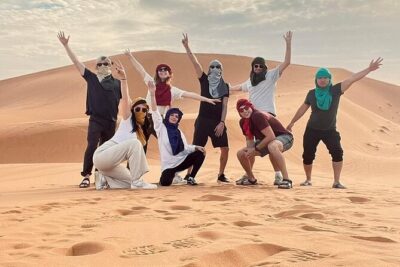
3-Day Marrakech to Merzouga Desert Tour: Camel Rides & Overnights
Read our review →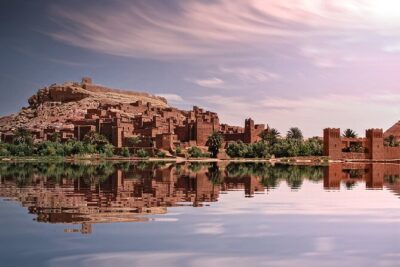
3-Day Marrakech to Fes Sahara Desert Tour via Merzouga
Read our review →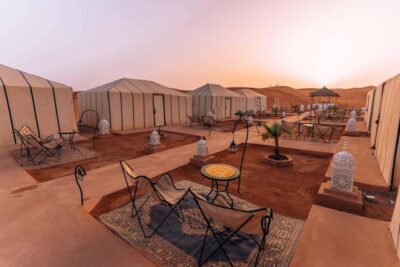
3-Day Merzouga Desert Experience Camel & Meals
Read our review →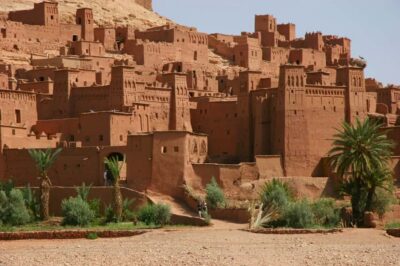
3-Day Tour to Merzouga Erg Chebbi with Food & Camel Trek
Read our review →Browse the lists this tour appears in