
Reviewed · MERZOUGA AND SAHARA DESERT TOURS
3 Days Sahara Tour from Marrakech to Merzouga Dunes
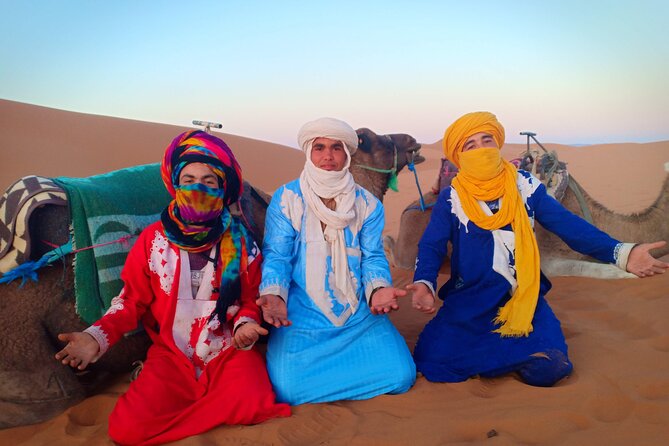
Desert silence comes after a very long road. This three-day journey links Marrakech with the High Atlas, Ait Benhaddou, Dades Valley, Todra Gorge, and the Erg Chebbi dunes, giving you a quick but memorable taste of southern Morocco. I like the strong mix of mountain villages and desert scenery, and I also like that the tour includes two nights of lodging, dinner, and breakfast rather than leaving those basics to chance.
The main trade-off is simple: you spend many hours in the vehicle. The route covers a huge stretch of Morocco in only three days, so this suits you if you value variety and big scenery more than a slow pace. Lunches are not included, and some midday stops can feel aimed at tour groups rather than local dining.
In This Review
- Key points at a glance
- The big picture: Marrakech to the Sahara in 72 hours
- Day one: High Atlas views, Ait Benhaddou, and Dades Valley
- Ait Benhaddou
- Ouarzazate and the route toward Dades
- Day two: Todra Gorge and the approach to Merzouga
- Todra Gorge
- Oases, villages, and Erfoud
- Packing for the camel ride and desert camp
- Day three: Sunrise over Erg Chebbi and the long return
- What makes the $110.34 price worthwhile
- The best parts, and the parts to think about
- Who should book this desert trip?
- Should you book the 3-day Marrakech to Merzouga tour?
- FAQ
- How long is the tour?
- Where does pickup take place?
- What accommodation is included?
- Are meals included?
- Is the camel ride included?
- How many people can join the tour?
- Can I cancel for a full refund?
Key points at a glance
- Cross the Tizi-n-Tichka Pass: The first morning brings wide views from the High Atlas and stops near traditional Berber villages.
- Visit Ait Benhaddou: This UNESCO World Heritage site gives the trip its strongest historic stop, with time to walk through the old fortified village.
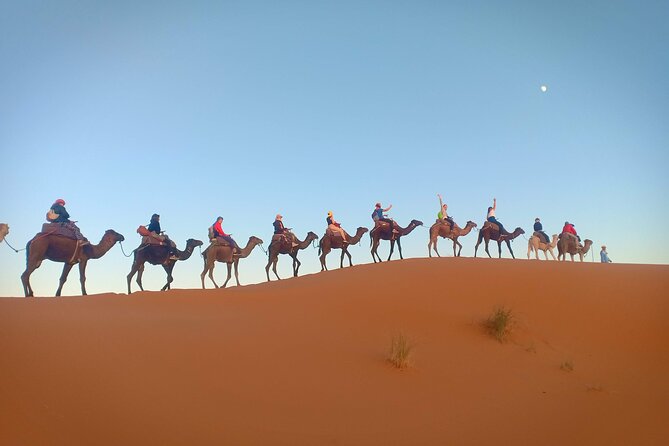
- Sleep beside Erg Chebbi: A camel ride carries you into the Merzouga dunes for sunset, dinner, a private tent, and a desert sunrise.
- See Todra Gorge and the oases: Day two includes the dramatic gorge, palm-filled areas, and villages along the route into the Sahara.
- Expect long driving days: Day one and day three each take about nine hours, while day two is listed at roughly 16 hours because it combines road travel, the desert transfer, and the overnight camp.
- Good value at $110.34: The price includes pickup, a private air-conditioned room, a private desert tent, two dinners, and two breakfasts.
The big picture: Marrakech to the Sahara in 72 hours
This is not a relaxed desert holiday. It is a compact road trip designed to connect several major sights between Marrakech and Merzouga, with the desert night as the reward at the far end.
You leave Marrakech around 7:30 a.m. Pickup is offered from your hotel or riad, or from the closest accessible point if your accommodation sits on a narrow old-town street. That early start matters. The route to Merzouga is long, and reaching the dunes requires crossing the High Atlas and much of southeastern Morocco.
The tour has a maximum group size of 15 people. That is small enough to feel manageable, though the exact comfort of the trip will depend on the vehicle and how full the group is. The driver is central to the experience because so much of your time is spent on winding mountain roads and long desert highways.
Several drivers receive especially warm praise for careful driving and a friendly manner. Names associated with particularly positive experiences include Omar, Mustafà, Ahmed, Haddou, Rachid, Mbarek, Houssein, Hassan, Yassine, Youssef, and Ibrahim. Your driver will vary, but the pattern is clear: good driving and regular stops can make or break this route.
More Sahara Desert Tours in Marrakech
- From Marrakech: 3-Day Merzouga and Sahara Desert Tour
★ 4.9 · 15,308 reviews - From Marrakech: Merzouga 3-Day Desert Safari with Food
★ 4.7 · 12,232 reviews - 3 Days Desert Tour From Marrakech To Merzouga Dunes & Camel Trek
★ 5.0 · 10,125 reviews
Day one: High Atlas views, Ait Benhaddou, and Dades Valley
The first day begins with the climb toward the Tizi-n-Tichka Pass. This is one of Morocco’s great road journeys, with high mountain views, bends, and small Berber villages scattered along the route.
I like this section because the journey itself is part of the sightseeing. You are not simply being carried from one major attraction to another. The change from Marrakech’s busy streets to mountain settlements and dry valleys gives you a quick sense of how varied Morocco is.
The road can be tiring, especially if you are prone to motion sickness. The itinerary allows about nine hours for the day, and that includes several sightseeing stops. Bring water, keep a light layer handy, and use the breaks to stretch rather than treating every stop as another rushed photo opportunity.
Ait Benhaddou
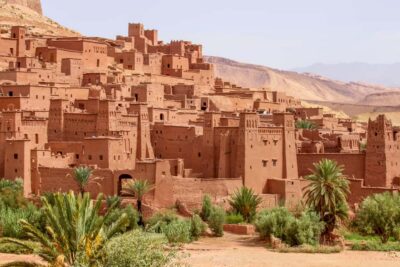
The major stop is Ait Benhaddou, a UNESCO World Heritage site made up of earthen buildings gathered within a fortified settlement. You will have time to walk around the old village and see the compact lanes, walls, and views across the surrounding area.
This is the kind of place where a guide adds real value. Without context, it can look like a striking group of mud-brick buildings. With an explanation of how the settlement functioned and why its position mattered, the stop becomes much more than a film-location photo break.
The tour may arrange a local guide here or at another major sight. Be clear about what is included before you set off. One account describes a guide who was not included in the basic route and whose visit was not optional, with an extra cost of about 25 Moroccan dirhams. That detail may vary, but it is a useful reminder to ask about guide fees and optional-looking stops.
Lunch is taken around Ait Benhaddou or Ouarzazate. Lunches are not included in the tour price. Some people find these stops convenient but expensive for what is served, so I would keep a little extra cash available and avoid expecting a memorable meal at every roadside restaurant.
Ouarzazate and the route toward Dades
The itinerary allows time around Ouarzazate, including the possibility of visiting Kasbah Taourirt and the Atlas Studios. The exact amount of time at each stop may depend on traffic, the group, and the day’s schedule, so do not treat every listed sight as a guaranteed long visit.
From Ouarzazate, the route continues through the Rose Valley and toward Boumalne Dades. The valley is known for its changing colors and villages, while the road into Dades brings a sharper sense of the dry interior.
You spend the night in a riad or hotel in Dades Valley, in a private air-conditioned suite. Dinner and breakfast are included. This first overnight stop is practical as well as pleasant: it breaks up the long drive and gives you a proper bed before the desert night.
More Sahara Desert Tours:
- 3-Day Marrakech to Merzouga Desert Tour: Camel Rides & Overnights
★ 5.0 · 8,734 reviews - 3-Day Marrakech to Fes Sahara Desert Tour via Merzouga
★ 5.0 · 6,546 reviews - Marrakech: 3-Day Merzouga Desert Experience Camel & Meals
★ 4.6 · 6,252 reviews - From Marrakech: 2-Day Sahara Tour to Zagora & Ait Ben Haddou
★ 4.4 · 1,925 reviews
Day two: Todra Gorge and the approach to Merzouga
After breakfast, you set off toward Erg Chebbi and the Merzouga desert. The route passes Berber villages and the towns and areas of Tinghir, Tinjdad, Jorf, and Erfoud, gradually reaching the Tafilalet oasis region.
This is a day of changing scenery. You move from rocky valleys and palm-filled oases toward the open desert around Merzouga. The route gives you a look at how settlements survive in southeastern Morocco, where water and palms shape the pattern of daily life.
Todra Gorge
Todra Gorge is one of the strongest stops of the trip. High rock walls rise on either side of the narrow gorge, creating a dramatic contrast with the broad open spaces elsewhere on the route.
The itinerary includes time at the gorge, and you can stroll through the area with a local guide. One guide named Moulay received special praise for being good company, but the guide assigned to you may be different.
Do not expect a full hiking day here. This is a sightseeing stop within a demanding transfer, not a dedicated walking tour. Still, it offers a useful change of pace after hours on the road. Wear shoes with a decent grip, especially if you plan to walk beyond the easiest section.
Oases, villages, and Erfoud
The road through Tinghir and the nearby villages shows a side of Morocco that can be missed on a quick city visit. Palm groves and cultivated patches appear where water allows, while the surrounding terrain remains stark and dry.
Erfoud marks the approach to the Saharan region. From here, the feeling of the trip changes. The roads open out, settlements become less frequent, and the dunes near Merzouga begin to feel like the main event rather than a distant promise.
By the time you reach your Merzouga hotel, you will want a short rest. The desert transfer follows soon after, so use this pause to reorganize your luggage.
Packing for the camel ride and desert camp
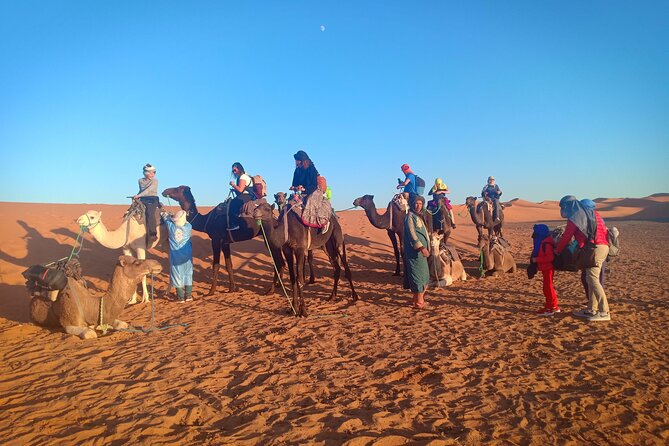
You leave most of your luggage at the hotel and take a small bag for the night. Pack only what you need: warm clothing, toiletries, medication, a phone charger, and anything essential for sleeping comfortably.
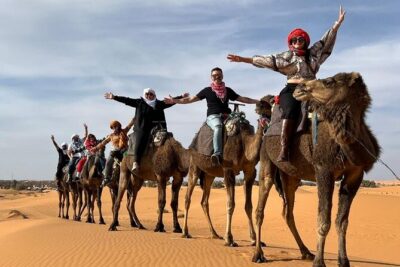
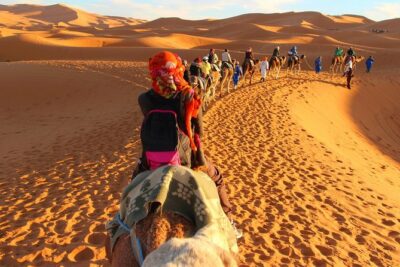
The camel ride crosses the Erg Chebbi dunes toward camp. It is a classic Moroccan desert scene, but it is also a physical activity. Camel saddles can be uncomfortable, and the ride may feel long if you are not used to sitting that way. Wear loose clothing, bring water, and keep your camera or phone easy to reach.
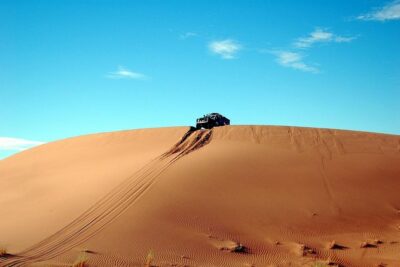
You will have time to watch the sunset from the dunes and walk toward a high point. The changing light is the real attraction here. The sand shifts from pale gold to stronger orange and then darker tones as the sun drops.
At camp, you leave the camels and walk to the tents. The tour includes a private tent, dinner, and breakfast. The supplied details do not specify the exact camp facilities, so you should confirm the bathroom arrangement and electricity if those matter to you.
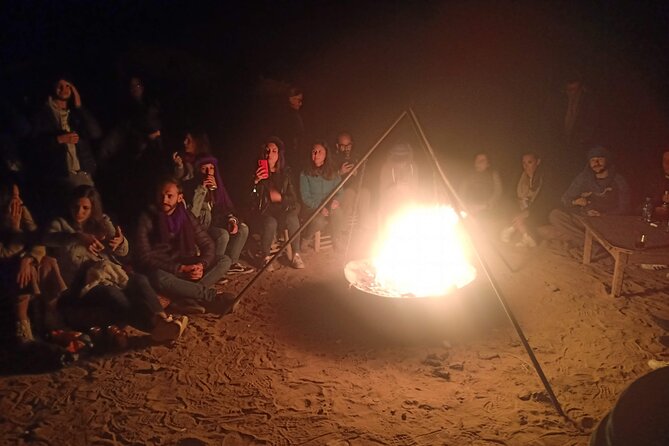
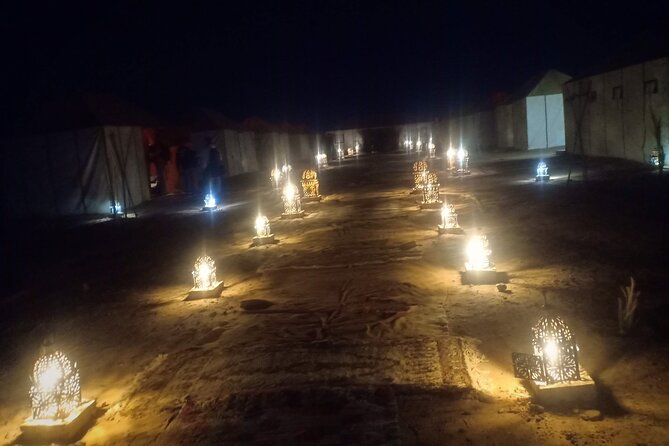
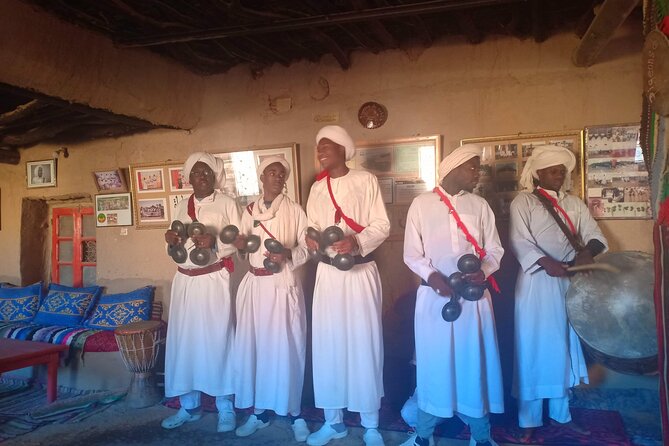
The desert night is likely to be the most memorable part of the trip. The reviews describe dinner, entertainment, stars, and the quiet of the dunes, though one person advised keeping food expectations modest. I would treat the camp meal as part of the setting rather than the culinary highlight.
Day three: Sunrise over Erg Chebbi and the long return
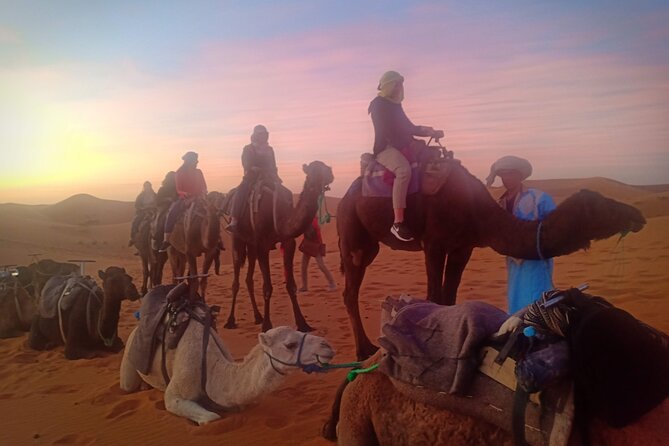
The final morning starts early with a sunrise camel trek through Erg Chebbi. This is worth the early alarm. Sunrise gives the dunes a softer color and cooler air, and the silence feels different from the sunset crowd around camp.
After the trek, you meet the driver and vehicle for the return toward Ouarzazate. There is time for lunch and a break before continuing to Marrakech through the High Atlas.
The return drive takes about nine hours. You should expect to arrive in Marrakech around 7:00 p.m., though road conditions and stops can affect the timing. Do not schedule a tight evening flight or an important appointment immediately afterward.
The final day is not packed with fresh attractions. Its purpose is to get you back across Morocco after the desert overnight. That makes the tour efficient, but it also means the return can feel long after an early start.
What makes the $110.34 price worthwhile
At $110.34 per person, this is unusually low for a three-day route with two overnight stays. The price includes:
- Pickup in Marrakech
- One night in a private air-conditioned suite in Dades Valley
- Dinner and breakfast at the first accommodation
- One night in a private desert tent
- Dinner and breakfast at the camp
- The camel transfer into Erg Chebbi and back
You still pay for both lunches and drinks. You may also encounter separate charges for local guides or certain visits, so the headline price is not the final amount you will spend.
Even with those extras, the value is strong if you want to see a large portion of southern Morocco without arranging transport, hotels, desert transfers, and meals yourself. The trade is comfort and pace. A private rental car or a slower four-day itinerary would give you more control, but it would likely cost more.
The published rating is 5 out of 5 from 29 ratings, with 100 percent recommending the experience. More useful than the number itself is the repeated praise for polite driving, regular stops, friendly drivers, and good organization. Those details matter on a route where road time fills much of the trip.
The best parts, and the parts to think about
The strongest feature is the range of scenery. In three days, you pass from Marrakech to high mountain roads, fortified villages, rocky gorges, palm oases, and Sahara dunes.
The second strength is the driver. People praised Omar, Hassan, Youssef, Yassine, Ibrahim, and others for safe driving, good communication, flexibility, and a pleasant atmosphere. A driver who stops for photos and handles mountain roads calmly adds real value.
The weakest part is the pace. Day one and day three each run about nine hours, and day two combines a major transfer with Todra Gorge, the hotel stop, camel ride, and camp. You will see a lot, but you will not linger everywhere.
The food is another modest drawback. Breakfasts and dinners are included, which simplifies the trip, but lunch stops can be costly and uneven. Bring snacks if you prefer to control what and when you eat.
There can also be commercial stops along the route. That is common on organized Moroccan road trips. Stay polite, ask whether a stop is required, and remember that you do not have to buy something simply because a guide presents it.
Who should book this desert trip?
I would recommend this tour to first-time visitors who want a broad introduction to Morocco beyond Marrakech. It works well for people who have limited time and want Ait Benhaddou, Todra Gorge, the Atlas Mountains, and a Sahara camp in one organized route.
It also suits couples, friends, and solo visitors who prefer not to manage the desert logistics alone. The maximum group size of 15 keeps it from being a giant coach outing, and pickup makes the start easier in Marrakech.
I would think twice if you dislike long drives, have serious motion sickness, or want several hours of walking each day. A four-day or longer desert route would give you more time in the valleys and less pressure on the return.
Bring a small overnight bag, water, sun protection, comfortable shoes, and warm clothes for the desert night. Desert temperatures can change sharply, and the trip includes early mornings in open surroundings.
Pickup begins between 7:00 and 7:30 a.m. from Monday through Sunday. Confirmation is provided when you book, and most people can participate. Free cancellation is available if you cancel at least 24 hours before the start time. Changes or cancellations made inside that window are not accepted for a refund.
Should you book the 3-day Marrakech to Merzouga tour?
Book it if you want maximum scenery for a low price and can accept long road days. The camel ride, sunset, sunrise, Ait Benhaddou, and Todra Gorge give you a strong first look at southern Morocco.
Skip it if your ideal desert holiday means slow mornings, long walks, and time to settle into each place. For the right person, this tour is a very efficient route from Marrakech to the Sahara, with careful drivers and a memorable night in the dunes doing most of the heavy lifting.
FAQ
How long is the tour?
The experience lasts approximately three days. Day one and day three are each listed at about nine hours, while day two is listed at about 16 hours because it includes the route to Merzouga, sightseeing, the camel ride, and the desert camp overnight.
Where does pickup take place?
Pickup is offered from your Marrakech hotel or riad, or from the closest accessible location if the vehicle cannot reach your accommodation. Pickup takes place between 7:00 and 7:30 a.m.
What accommodation is included?
The first night is in a private air-conditioned suite in the Dades Valley area. The second night is in a private tent at the Sahara desert camp.
Are meals included?
Two breakfasts and two dinners are included. Lunches on the way and beverages are not included.
Is the camel ride included?
The itinerary includes a camel ride across the Erg Chebbi dunes, including the route to camp and an early morning sunrise trek. The tour details do not list a separate camel ride charge.
How many people can join the tour?
The maximum group size is 15 people.
Can I cancel for a full refund?
Yes. You can cancel for a full refund if you do so at least 24 hours before the experience begins. Cancellations or changes made less than 24 hours before the start time are not accepted for a refund.
More 3-Day Experiences
- From Marrakech: Unforgettable 3-Day Desert Tour to Fes
★ 4.9 · 2,614 reviews - 3-Day Tour to Merzouga Erg Chebbi with Food & Camel Trek
★ 5.0 · 1,770 reviews - From Marrakech: 3-Day Sahara Tour with Private tent & Meals
★ 4.8 · 1,652 reviews - Marrakech to Merzouga Desert 3-Day via the High Atlas Mountains
★ 5.0 · 1,434 reviews
Just added around Marrakech
- One Way – Marrakech Airport Private Taxi Transfers★ 4.5 · 17 reviews
- Majorelle Garden, YSL & Berber Museum: Exciting Round-Trip Tour★ 4.5 · 17 reviews
- Marrakech: Agafay Desert Buggy Tour with Transfer★ 4.4 · 17 reviews
- Ourika valley day trip★ 5.0 · 17 reviews
- Essaouira Day Trip from Marrakech★ 5.0 · 17 reviews
- From Marrakech: small group Day Trip To Essaouira Mogador★ 4.9 · 17 reviews
- From Marrakech: Ouzoud Waterfalls Full-Day Guided Tour★ 4.2 · 17 reviews
- Quad Bike, Camel Ride, Dinner with Show & sunset in Agafay Desert★ 4.5 · 17 reviews
Merzouga and Sahara Desert Tours, compared.
3 Days Desert Tour From Marrakech To Merzouga Dunes & Camel Trek
Read our review →
3-Day Marrakech to Merzouga Desert Tour: Camel Rides & Overnights
Read our review →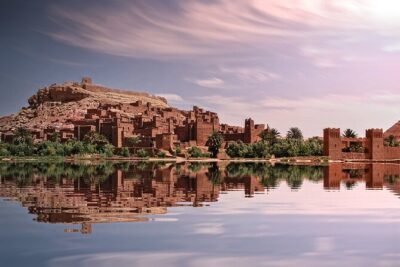
3-Day Marrakech to Fes Sahara Desert Tour via Merzouga
Read our review →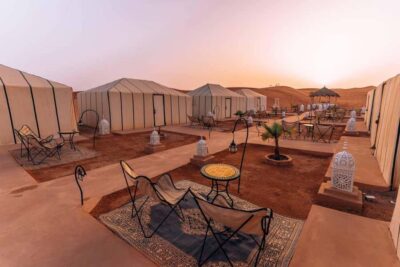
3-Day Merzouga Desert Experience Camel & Meals
Read our review →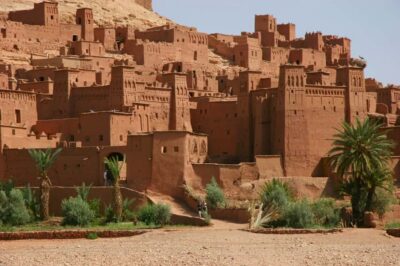
3-Day Tour to Merzouga Erg Chebbi with Food & Camel Trek
Read our review →Browse the lists this tour appears in