
Reviewed · MERZOUGA AND SAHARA DESERT TOURS
10-days Private tour in Morocco: Sahara Desert + Imperial Cities
Morocco rewards a long, looping journey. This private 10-day tour links Casablanca, Rabat, Chefchaouen, Fes, the Sahara, the Atlas Mountains, Ait Benhaddou, and Marrakech without making you arrange each transfer yourself. I like the mix of famous sights and smaller places, especially the overnight desert camp and the visit to Khamlia, a village known for Gnawa music.
I also like the balance between guided visits and free time. You get city historians for Fes and Marrakech, private transportation, nine breakfasts, three dinners, and a camel ride. The main drawback is the pace: several days involve long drives, and admission fees for mosques, museums, palaces, and gardens are extra. At $2,954.46 per person, this is a serious investment, so the value depends on how much you prize private service and a ready-made route.
In This Review
- Five details that shape the experience
- Casablanca and Rabat: A strong first look at Morocco
- Rabat’s monuments and Chefchaouen’s blue lanes
- Volubilis, Meknes, and the first taste of Fes
- Fes medina: Five hours inside an old city maze
- From cedar forests to Merzouga and the Sahara
- Merzouga, Rissani, Khamlia, and the camel ride
- Todra Gorge and the Dades Valley
- The Thousand Kasbahs route and Ait Benhaddou
- Marrakech’s palaces, gardens, and design
- What the $2,954.46 price really buys
- Who should book this Morocco route?
- FAQ
- How long is the private Morocco tour?
- Is transportation included?
- What accommodation is provided?
- Is the camel ride included?
- Are meals included?
- Are entrance fees included?
- Can I cancel for a full refund?
Five details that shape the experience
- One private vehicle for the full route: Your group travels by air-conditioned vehicle rather than joining a large coach.
- A Sahara overnight is built in: You ride camels through the Merzouga dunes and sleep in a luxury tented camp.
- Fes gets dedicated attention: A private city guide leads a five-hour visit through the famous medina.
- The route covers several sides of Morocco: You see Atlantic cities, Roman ruins, Rif and Atlas mountain country, desert villages, kasbahs, and major souks.
- Meals are partly included: Nine breakfasts and three dinners are covered, while many lunches and other dinners remain your choice.
- The strongest personal touch comes from the staff: Hassan is praised for his friendly guiding, while driver Achmed is praised for making the road days comfortable.
Casablanca and Rabat: A strong first look at Morocco
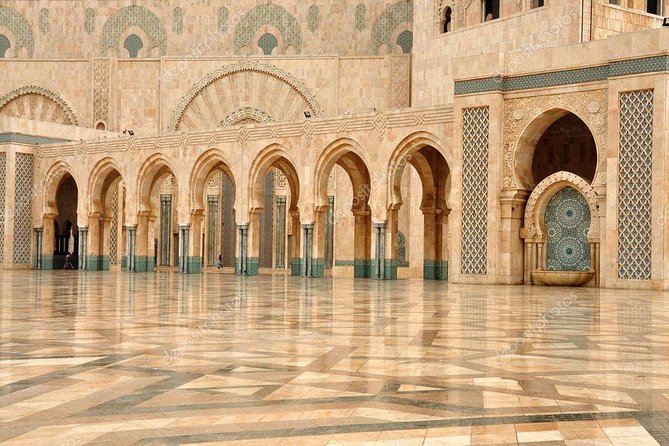
Your arrival begins in Casablanca, with airport pickup and a welcome from the guide. The first major stop is the Hassan II Mosque, one of Morocco’s great visual landmarks and one of the few mosques in the country open to non-Muslim visitors.
The planned visit lasts about an hour. Your guide explains Muslim customs, religious traditions, and the meaning behind the building. The admission ticket is not included, so budget for that separately. This is a worthwhile first stop because it gives you cultural context before the tour turns toward old medinas and desert settlements.
You may also have time for Rick’s Café, a restaurant and piano bar designed to recall the setting made famous by the film Casablanca. It occupies an old courtyard-style house near the old medina, with curved arches, balconies, brass lighting, and other period-inspired touches. Film fans will enjoy it, but it is a themed restaurant, not an untouched piece of movie history. Treat it as an optional atmosphere stop.
The route then continues to Rabat, Morocco’s capital. The visit here is brief on the first day, but the next morning gives you more time for the city’s main sights. That arrangement works well, since Casablanca itself receives a focused introduction rather than a full day.
More Sahara Desert Tours in Casablanca
- Morocco Tour from Casablanca to Sahara and Marrakech 5 days
★ 4.5 · 171 reviews - 7-days: Casablanca to Chefchaouen then Fes and Sahara Desert – Camel Trekking
★ 5.0 · 53 reviews - 8-Day Morocco Adventure: Imperial Cities & Sahara Desert Trek
★ 5.0 · 37 reviews
Rabat’s monuments and Chefchaouen’s blue lanes
Rabat brings together grand monuments, old defensive walls, and open public spaces. The Hassan Tower is the city’s signature sight, an unfinished minaret linked to a much larger mosque project. Nearby, the Mausoleum of Mohammed V has a formal setting and a mounted guard at the entrance.
The mausoleum matters not only for its decoration. Mohammed V is remembered for helping Morocco achieve independence, and the site offers a clear link between royal history and modern national identity. The visit takes about 30 minutes, so you will see the essential parts without spending half a day there.
Next comes the Kasbah des Oudaias, a fortress area with white and blue homes and a garden filled with orange trees and flowers. This is one of Rabat’s more pleasant stops because it combines architecture with a slower walk through residential lanes. The visit is scheduled for about 30 minutes, though a private tour may allow some flexibility.
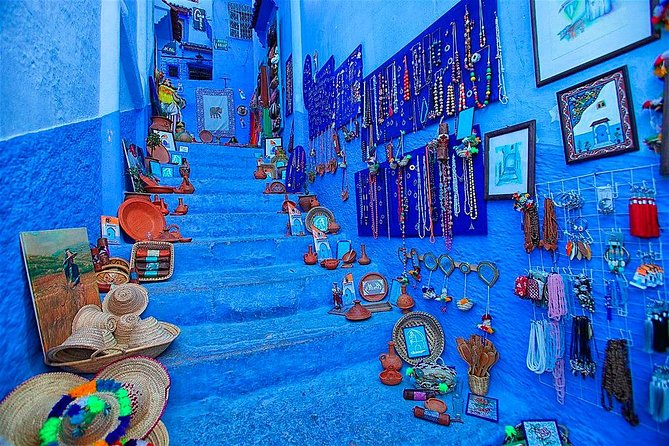
The drive to Chefchaouen changes the mood. The blue city sits among the Rif Mountains and is known for its orderly medina, handicrafts, and goat cheese. Six hours are allocated here, which gives you time to walk beyond a quick photo stop and reach the central Hammam Square.
Chefchaouen is highly photogenic, but that can also be its weakness. The blue walls draw crowds and encourage a picture-taking circuit, so look for the quieter side streets and small craft shops. Your private guide can help you get your bearings, while your own free time lets you pause for tea, food, or local shopping.
Volubilis, Meknes, and the first taste of Fes
The next day combines Roman ruins with Morocco’s royal past. Volubilis was a major Roman administrative center in North Africa outside Egypt, and its remains are among the best preserved Roman sites in the region.
Allow about two hours for the ruins. The ticket is extra. The site is open and exposed, so comfortable shoes and sun protection are sensible, though the tour details do not specify what equipment is provided. The appeal here is the contrast: Roman roads and mosaics appear far from the image many people have of Morocco.
Meknes follows with a two-hour guided visit. Sultan Moulay Ismail wanted to make it the grandest city in North Africa, earning Meknes the nickname Versailles of the Maghreb. The city’s scale and royal ambition make it an important counterpoint to the narrower lanes of Chefchaouen.
By late afternoon, you reach Fes for a short panoramic introduction. This is a useful orientation, but do not expect the city’s full character in a few hours. The real Fes visit comes the following day.
For dinner, the Clock Café is suggested as a flexible option. Its menu includes Moroccan dishes and unusual choices such as a camel hamburger, along with cultural activities such as storytelling, Arabic calligraphy workshops, and film evenings. Dinner is not generally included here, so you can choose this café or find another place on your own.
Fes medina: Five hours inside an old city maze
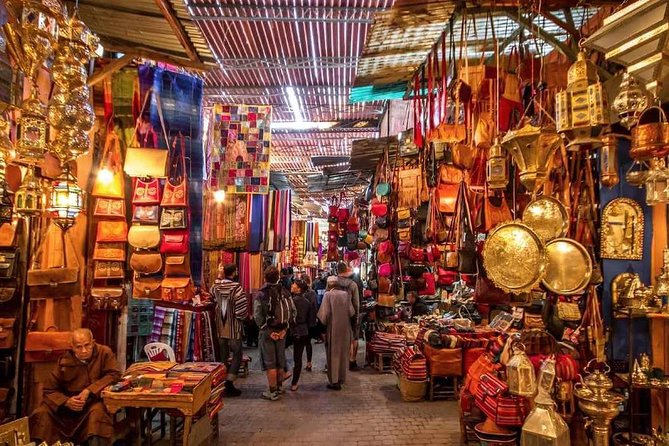
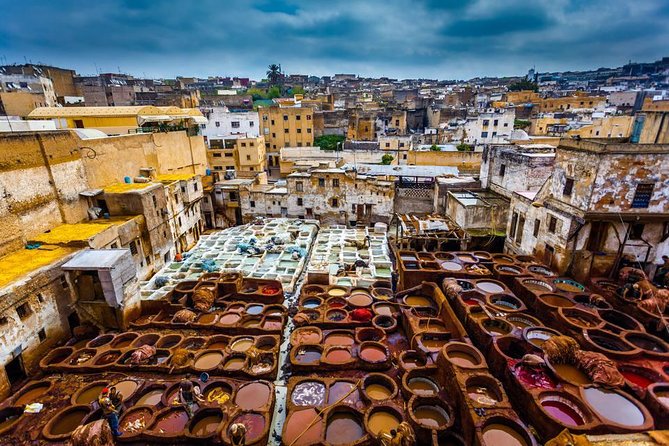
Fes deserves the full morning and part of the afternoon. The medina is a World Heritage site with more than 9,000 streets, and its narrow lanes can feel confusing even when you have a good sense of direction. A dedicated city guide is especially valuable here.
The tour includes major palaces, the Jewish quarter, a madrassa, and a Quranic school, though the exact final selection can vary. Admission to museums and monuments is extra. Ask your guide early which sites require payment so you can plan your time and cash.
What I like about the Fes portion is its depth. Instead of treating the medina as a market to pass through, the guide explains its traditions, architecture, religious life, and place as an old center of learning. Fes reached its height in the 13th century and is associated with one of the world’s oldest universities.
The main caution is sensory overload. Five hours in a dense medina can be tiring, especially if you want time to shop, stop for food, and photograph details. Keep your day flexible and do not judge the experience by how many monuments you can check off. Fes works best when you allow time for doors, courtyards, workshops, and quiet corners.
More Sahara Desert Tours:
- 5 Days Private Tour from Casablanca to Fes and Sahara Desert
★ 5.0 · 22 reviews - From Marrakech: 3-Day Merzouga and Sahara Desert Tour
★ 4.9 · 15,308 reviews - From Marrakech: Merzouga 3-Day Desert Safari with Food
★ 4.7 · 12,232 reviews - 3 Days Desert Tour From Marrakech To Merzouga Dunes & Camel Trek
★ 5.0 · 10,125 reviews
From cedar forests to Merzouga and the Sahara
Day five is one of the longest and most varied road days. You leave Fes for the cedar forests around Azrou and Ifran, then continue toward Midelt, the Ziz Valley, Erfoud, and Merzouga.
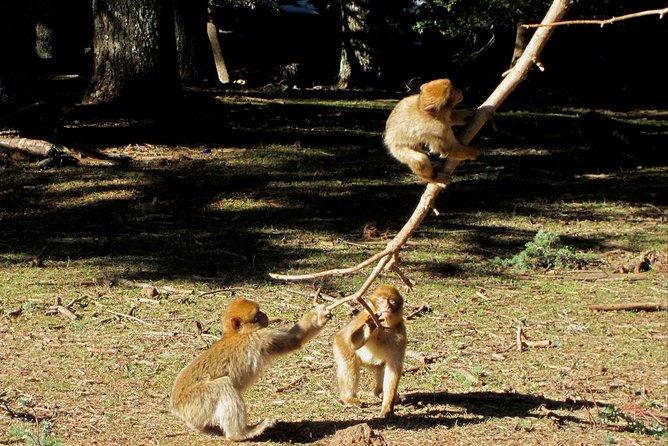
The cedar forests offer a cool change from the cities. You may see monkeys and other animals, though wildlife sightings are not guaranteed. Midelt provides a mountain stop between the Middle and High Atlas, while the Ziz Valley brings fertile farmland and date palms into the view.
The route through Erfoud adds an unusual geological note. Fossil excavations near the town have produced trilobites and other ancient specimens, supporting the fact that the Sahara area was once under an ocean. A workshop may allow you to find and work with original fossils, which can become a personal souvenir. This is an optional-style activity, so confirm any cost directly before taking part.
At Merzouga, you receive traditional Moroccan tea and stay at a hotel overlooking the dunes. The following day is devoted to desert activities, giving the Sahara more than a rushed sunset stop.
Merzouga, Rissani, Khamlia, and the camel ride
The Merzouga day gives you several ways to choose your level of activity. Options include desert sports, Moroccan cooking workshops, visits with nomadic communities, and music or cultural activities. Not every option is described in fixed detail, so ask what is available during your dates and what carries an extra charge.
Rissani offers a more grounded view of the old caravan economy. Its market and souk recall the town’s past as a trading point for gold, spices, textiles, weapons, and enslaved people. The donkey market is part of the scene, making this a working market rather than a polished attraction built only for sightseeing.
Khamlia adds another distinctive stop. The village is associated with Gnawa people, whose ancestors were brought from Sudan as slaves. Music, local life, and tradition are central to the visit, and this stop gives you a chance to hear a cultural tradition in its own setting rather than only in a hotel performance.
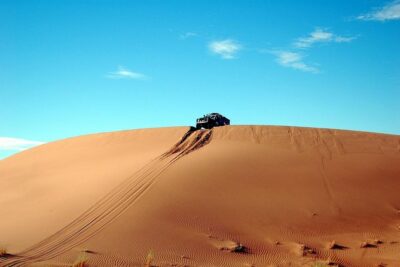
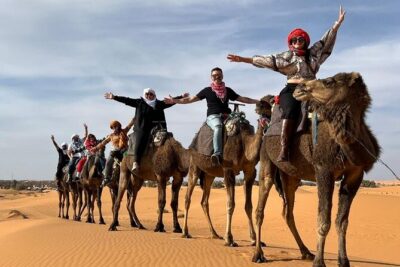
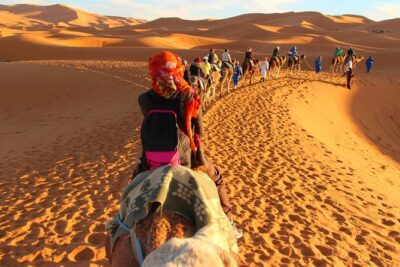
Later, you ride a camel for about an hour through the dunes toward desert oases. The schedule also mentions quad-bike challenges and scavenger hunts for those who want more action. You finish with sunset from a dune, then spend the night in a luxury tent at the desert camp.
The desert night is the emotional high point for many people, but it is not a hotel night with sand nearby. Expect an open, remote setting and a strong temperature change after dark. The tour provides the tent, but you should clarify the exact camp facilities if comfort is a major concern.
Todra Gorge and the Dades Valley
After sunrise in the desert, the route heads toward Todra Gorge. The change is dramatic: wide sand and low dunes give way to tall rock cliffs, with sections of the gorge only about 10 meters wide and walls reaching roughly 600 meters.
Two hours are planned here. That is enough for a meaningful look and photographs, but not a full mountain walk. The stop is best for people who enjoy scenery and short exploration rather than a long hike.
The day ends around Boumalne Dades in the Dades Valley. The setting becomes greener and quieter, with birds and cultivated land replacing the desert’s bare openness. Since this follows the desert night, the day can feel tiring. The reward is the sharp contrast between two very different parts of Morocco in a single morning.
The Thousand Kasbahs route and Ait Benhaddou
The road continues along the route often called the Thousand Kasbahs. You pass through Kalaat Mgouna, known as the City of Roses, as well as the villages of Skoura and El Kelaa des M’Gouna.
A kasbah is a fortified residence or castle-like structure, and these settlements once helped protect trade routes between the Sahara and Marrakech. The tour’s description is strongest here when it connects buildings to movement, commerce, and daily life rather than treating them as empty ruins.
Ouarzazate offers a stop at Kasbah Taourirt and the old walls and fortifications. About two hours are assigned to the town. Afterward, Ait Benhaddou receives another two hours.
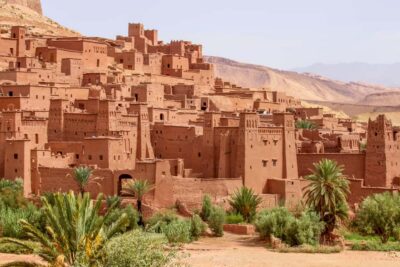
Ait Benhaddou is a UNESCO World Heritage site and one of Morocco’s most recognizable fortified villages. It remains inhabited and has been used as a filming location for Gladiator, Game of Thrones, and other productions. The movie connection may bring you there, but the real interest lies in the earthen buildings, narrow route through the settlement, and its role on the old caravan road.
The day ends in Marrakech at Jemaa el-Fna. Food stalls serve tagine, couscous, sandwiches, and tea, while music and public performances fill the square. Dinner here is included among the three dinners on the tour, and it is a lively way to enter Marrakech. You should still expect a busy public space with strong smells, noise, and plenty of sales pitches.
Marrakech’s palaces, gardens, and design
Marrakech receives a full guided day, and that is necessary. The city’s sights are spread across different moods, from royal rooms to formal gardens and crowded souks.
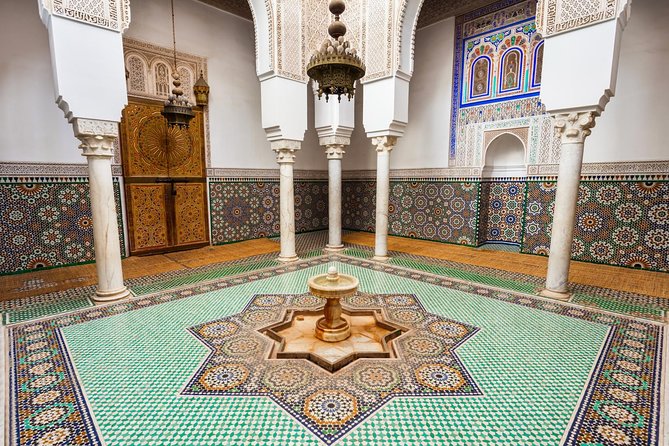
The Ben Youssef Medersa is an Islamic school with carefully decorated interiors and fine architectural detail. Admission is extra, and the visit takes about an hour. The Bahia Palace follows with courtyards, gardens, and rooms decorated by artisans from Fes. It was built in the 19th century with the aim of becoming Marrakech’s finest palace.
The Koutoubia Mosque is a short 20-minute stop and one of the city’s most photographed monuments. Non-Muslim visitors should not expect an interior visit, and the entrance fee is listed as not included. Its minaret is important in Moroccan architecture and influenced later towers, including Rabat’s Hassan Tower.
The two-hour visit to Jardin Majorelle shifts the pace again. Jacques Majorelle designed the botanical garden, and Yves Saint-Laurent and Pierre Bergé later acquired it. The garden’s exotic plants and strong blue architectural details make it a welcome pause from the medina.
The Yves Saint Laurent Museum adds modern design to the day. It includes permanent and temporary displays, with a building that combines contemporary lines and Moroccan touches. Admission is extra, so the day can become costly if you enter every major sight.
The final morning allows time for shopping in the Marrakech souk. A hot-air balloon ride may also be available, but it is optional and not included. Airport transfer completes the trip on day ten.
What the $2,954.46 price really buys
The cost covers private transportation, an air-conditioned vehicle, four-star hotels or riads, a luxury desert tent, the camel ride, nine breakfasts, and three dinners. Flights and monument admissions are excluded.
For a solo participant, the price is high. For a small private group, the value improves because you are paying for a vehicle, driver, guides, accommodations, and a long cross-country route rather than a single attraction. The private format also lets your group move at its own pace, which matters in places such as Fes, Chefchaouen, and the desert.
The biggest cost benefit is convenience. You do not need to arrange separate transfers between cities, find a desert operator, or coordinate several local guides. The tradeoff is that many road days are full, and extra entrance fees, lunches, dinners, drinks, and optional activities can raise the final total.
The tour is highly rated, with 99 percent recommending it and 279 published ratings at five stars. The most specific praise goes to the balance of guided sightseeing and free time, plus Hassan’s friendly service and driver Achmed’s help on the road. Those details matter because a private tour succeeds or fails on the people handling it.
Who should book this Morocco route?
I would choose this tour if you want to see a large portion of Morocco in one trip and prefer private transport over figuring out trains, buses, transfers, and desert connections yourself. It suits couples, families, and small groups who value flexibility and want both city guides and quieter regional stops.
You should think twice if you dislike long drives, changing hotels, or paying extra at many monuments. The route is ambitious, not leisurely. It gives you a broad understanding of Morocco, but it does not offer several slow days in one place.
Book it if the Sahara night, Fes medina, Chefchaouen, and Marrakech all appeal to you. If your priority is deep time in just one or two cities, a shorter custom tour may offer better value.
FAQ
How long is the private Morocco tour?
The tour lasts approximately 10 days, beginning with airport pickup in Casablanca and ending with transportation to the airport on day ten.
Is transportation included?
Yes. Private transportation in an air-conditioned vehicle is included, along with airport pickup.
What accommodation is provided?
The package includes four-star hotels or riads and a luxury tent at the desert camp.
Is the camel ride included?
Yes. A camel ride in the desert is included. The planned ride lasts about one hour and includes the Merzouga dunes and nearby desert oases.
Are meals included?
Nine breakfasts and three dinners are included. Flights, many other meals, and drinks are not included.
Are entrance fees included?
No. Entrance to museums and monuments is not included. This applies to places such as the Hassan II Mosque, Volubilis, Ben Youssef Medersa, Bahia Palace, Jardin Majorelle, and the Yves Saint Laurent Museum.
Can I cancel for a full refund?
You can cancel at least 24 hours before the experience start time for a full refund. Cancellations or changes made less than 24 hours before the start time are not accepted for a refund. Poor weather or failure to meet the minimum number of participants may lead to a new date, another experience, or a full refund.
Just added around Casablanca
- Private Day Trip to Rabat Departure from Casablanca★ 5.0 · 33 reviews
- 3 Days Chefchaouen and Fez from Casablanca Private Tour★ 5.0 · 34 reviews
- Casablanca Private Full-Day Highlights Tour★ 5.0 · 34 reviews
- Sunset Camel Ride in the Palm Grove Of Marrakech★ 5.0 · 34 reviews
- Private Full-Day Tour in Casablanca with Pickup★ 5.0 · 34 reviews
- Atlas Trekking Morocco★ 5.0 · 35 reviews
- Marrakeck City tour from Casablanca all the day around trip★ 5.0 · 35 reviews
- Casablanca: City Highlights Tour★ 4.7 · 35 reviews
Merzouga and Sahara Desert Tours, compared.
3 Days Desert Tour From Marrakech To Merzouga Dunes & Camel Trek
Read our review →
3-Day Marrakech to Merzouga Desert Tour: Camel Rides & Overnights
Read our review →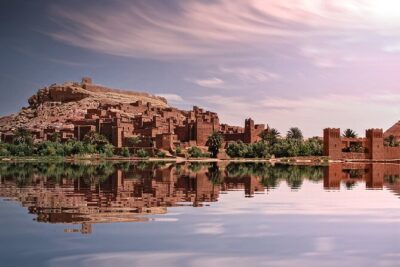
3-Day Marrakech to Fes Sahara Desert Tour via Merzouga
Read our review →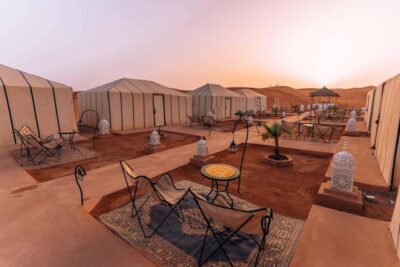
3-Day Merzouga Desert Experience Camel & Meals
Read our review →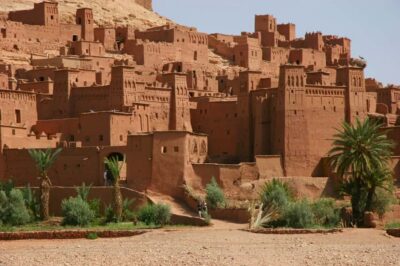
3-Day Tour to Merzouga Erg Chebbi with Food & Camel Trek
Read our review →Browse the lists this tour appears in