
Reviewed · MEDINA AND SOUK WALKS
Marrakech Private Medina Tour: Bahia Palace & Ben Youssef
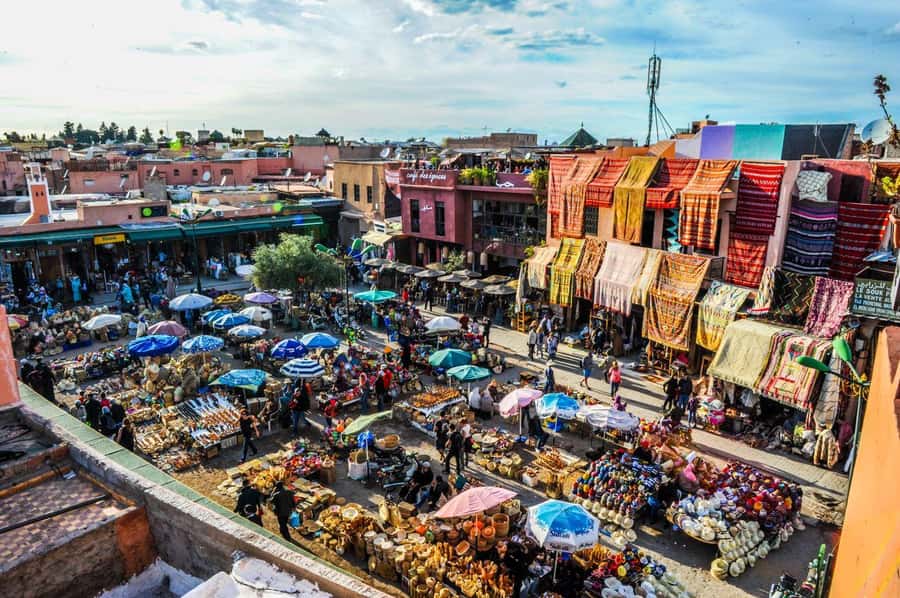
Marrakech reveals itself one oven at a time. This private four-hour walk links Bahia Palace and Medersa Ben Youssef with small daily-life stops that many visitors miss, including a communal bakery and a hammam furnace where tanjia cooks slowly in clay pots. I like the mix of grand architecture and ordinary neighborhood traditions. I also like having a local guide to handle the medina’s maze, where getting lost can be part of the fun, but not always when you have an appointment later.
At $176 per person, this is not a cheap walking tour, especially for solo visitors. The value improves when two or more people share the private experience and you care about focused guiding, included admission, and a route that avoids a heavy souvenir-shop agenda. The meeting point in Jemaa el-Fna can be confusing, and you need to find the official guide holding an Urban Adventures sign or badge.
In This Review
- Key points at a glance
- Why this four-hour route works
- Meeting your guide in Jemaa el-Fna
- Through the souks to Bahia Palace
- Fresh bread at the communal farran
- Tanjia and the hammam furnace
- Medersa Ben Youssef and Saadian-era detail
- What the private format adds
- Is $176 per person good value?
- Practical strengths and small drawbacks
- Who should book this medina walk?
- FAQ
- How long does the Marrakech private medina tour last?
- Where do I meet the guide?
- How do I identify the official guide?
- Is this a private tour?
- Is the tour conducted in English?
- Are entrance tickets included?
- Is food included?
- Can children join the tour?
- Should you book it?
Key points at a glance
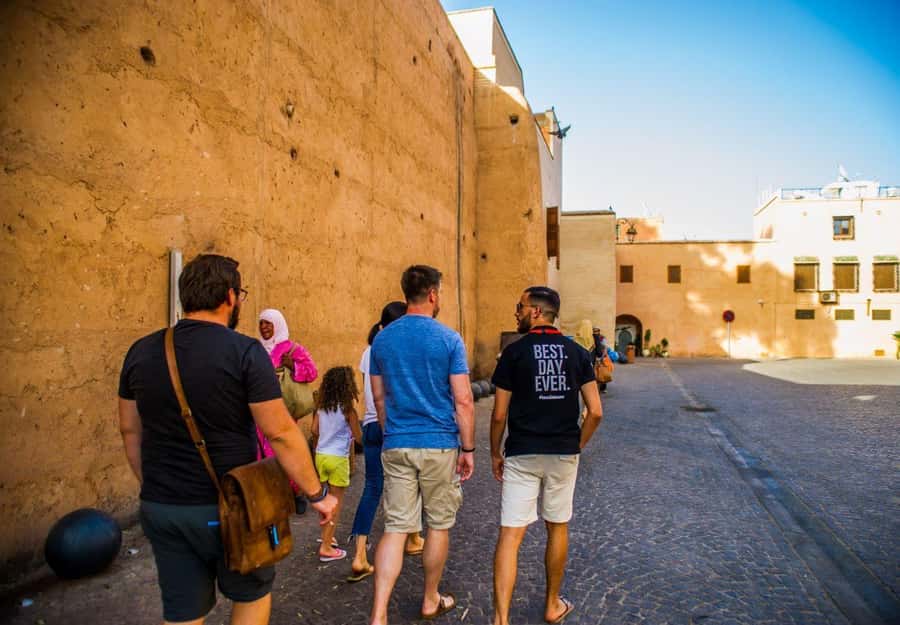
- Warm bread at a farran: Watch families bring dough to a traditional communal bakery and taste bread straight from the oven.
- Tanjia at a hammam furnace: Learn how a Marrakech specialty cooks in clay pots using leftover heat from the neighborhood bathhouse.
- Two major historic sights included: Bahia Palace and Medersa Ben Youssef admission are covered in the price.
- Private English-language guiding: You get a private group and a licensed local guide, with room for questions and a flexible pace.
- A useful first-day orientation: The route through the souks ends in Jemaa el-Fna, helping you get your bearings in the old city.
- A clear meeting-point warning: Meet in front of Café France, not with one of the unofficial guides who may approach you in the square.
Why this four-hour route works
Marrakech’s medina can feel like several cities packed into one old quarter. You have palaces, religious schools, food workshops, narrow market lanes, and busy public spaces all within walking distance, yet the connections are not obvious when you first arrive.
This tour gives you a sensible introduction. It begins at Café France in Jemaa el-Fna, moves through the souks to Bahia Palace, then shifts toward everyday food traditions before ending at Ben Youssef. You finish where you started, in the city’s famous central square, with directions or suggestions for continuing on your own.
I especially like the order. Bahia Palace provides a strong architectural opening, the bakery and furnace add local texture, and Ben Youssef closes the tour with a quieter, more detailed look at Moroccan design and education. You are not simply ticking off monuments. You are seeing how the old city works.
The four-hour length also matters. It is long enough to cover the main stops without taking over your entire day. You can schedule it early in your stay, then use what you learn to return to the souks, Jemaa el-Fna, or nearby sights independently.
More Medina and Souk Walks in Marrakech
- Marrakech: Bahia Palace, Saadian Tombs, Souk and Medina Tour
★ 4.7 · 4,974 reviews - Marrakech: Ben Youssef, Secret Garden, & Souks Walking Tour
★ 4.6 · 2,802 reviews - Marrakech: Colorful Medina Souks Guided Walking Tour
★ 4.7 · 2,470 reviews
Meeting your guide in Jemaa el-Fna
The official meeting point is in front of Café France on Place Jemaa el-Fna, along Rue des Banques. As you enter the square through the main entrance, look for the three-story café on the right.
This is the part of the booking information I would take seriously. The square has unofficial guides who may try to persuade you to join them. Your guide should be carrying an Urban Adventures sign or badge and waiting in front of the café. Allow extra time to identify the correct person rather than agreeing to follow the first friendly voice.
The tour begins with a short briefing before you enter the souks. That simple orientation is useful because Jemaa el-Fna changes character through the day, and the medina’s lanes are not laid out for easy navigation. An early tour can help you understand the basic direction of the old city before you return later on your own.
Past the square, expect a walking experience rather than a sightseeing ride. Wear comfortable shoes and keep water handy. A past guide, Sarah, was praised for adding water stops and short rests, which is a good example of the kind of personal adjustment a private tour can allow.
Through the souks to Bahia Palace
The route passes spice lanes and artisan workshops on the way to Bahia Palace. This part is less about a single landmark and more about seeing the medina as a working district, with trades and food traditions set along narrow passages.
A private guide is most useful here. You can ask why a lane is known for a particular craft, how the market is organized, or where the route is heading. One earlier guest said the guide helped avoid too many souvenir stops, a welcome feature if you want the market experience without spending four hours being steered toward purchases.
Bahia Palace is the first major admission stop. Entry is included, so you do not need to budget separately for the ticket. Inside, the guided visit covers courtyards, riads, mosaics, and reception halls. The palace is a good place to slow down after the tight lanes outside and notice the contrast between public ceremony and private residential spaces.
Look closely at the surfaces. The appeal is not just size or royal association. It is the careful combination of tilework, carved wood, painted details, and open courtyards. Your guide can connect those decorative elements to the people who lived, worked, and received visitors there.
The palace can become crowded, so the guide’s comments help you focus rather than simply photograph the prettiest ceiling. The stop is also a reminder that Moroccan architecture is designed around shade, enclosed courtyards, and layered views. You see one room, then another framed beyond it.
Fresh bread at the communal farran
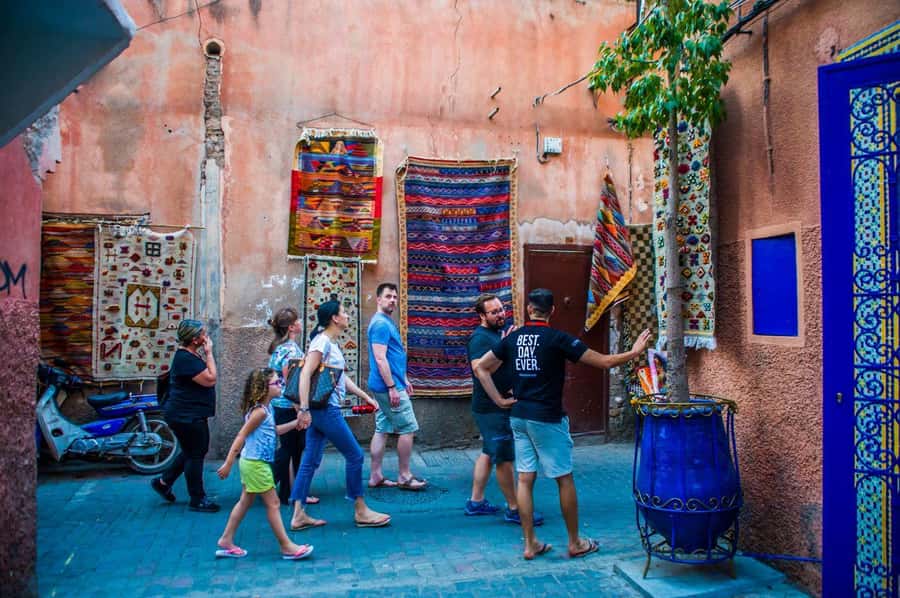
The bakery visit is the most distinctive part of the route. A farran is a traditional communal oven where families bring prepared dough to be baked. You will see how this neighborhood service fits into daily life, then taste warm bread from the oven.
This is a small stop, but it carries more meaning than a standard food sample. It shows a shared system in which households can prepare dough at home while using a local baker for the intense heat and baking work. The bread connects you to the medina as a living neighborhood, not only a historic quarter arranged for sightseeing.
The tasting is included as part of the visit. Other food and drinks are not included, so do not treat the bread as a full meal. If you need more food, plan to buy it separately.
For me, this kind of stop is one reason to choose the tour over a palace-only walk. You get a taste, but you also see a local process and hear how it functions. It is the sort of detail you might pass without noticing if you explore alone.
More Palaces and Gardens:
- Marrakesh: Majorelle Garden Entry Tickets
★ 4.5 · 9,651 reviews - Marrakech: Majorelle Garden, YSL, and Berber Museum Entry
★ 4.6 · 5,168 reviews - Marrakech: Bahia Palace, Saadian Tombs, & Koutoubia Mosque
★ 4.5 · 2,529 reviews - Marrakech: Saadian Tombs & Bahia Palace, Medina Guided Tour
★ 4.6 · 1,989 reviews
Tanjia and the hammam furnace
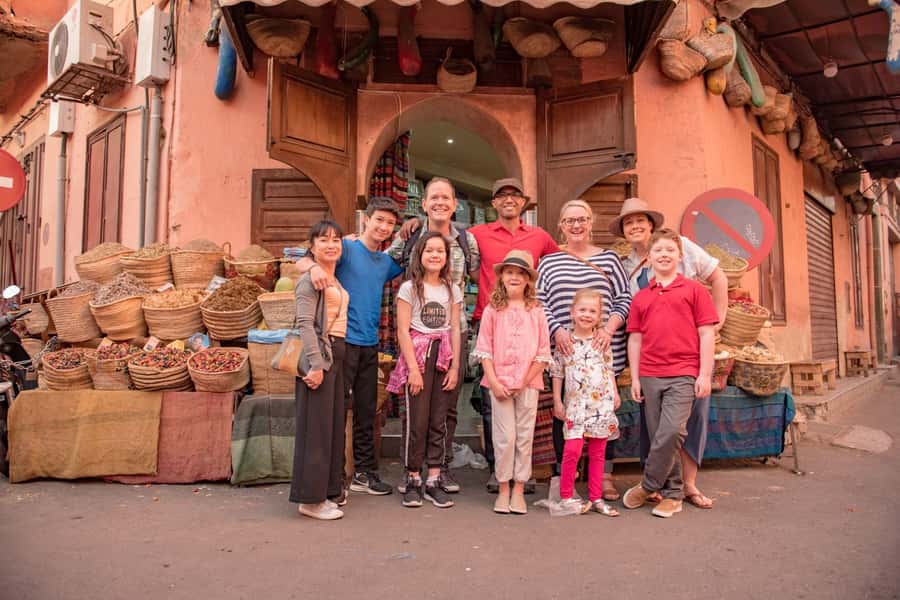
A few minutes from the bakery, the tour pauses at a neighborhood hammam furnace. Here you learn how tanjia is prepared and slow-cooked in clay pots using residual heat.
Tanjia is closely tied to Marrakech, and the cooking method makes this stop memorable. The dish is placed in a clay container and left to cook slowly in heat that remains after the hammam has been fired. That link between a public bathhouse and a traditional meal gives you a practical look at how food, fuel, and neighborhood services overlap.
This is an explanation stop, not a restaurant meal. The included food element is the bread tasting, while additional food and drink cost extra. If you want to eat tanjia, you will need to arrange that separately.
Still, the furnace visit adds something that a normal restaurant cannot. You are learning where a cooking method comes from and how it uses the resources already present in the district. It is a compact lesson in local ingenuity.
Medersa Ben Youssef and Saadian-era detail
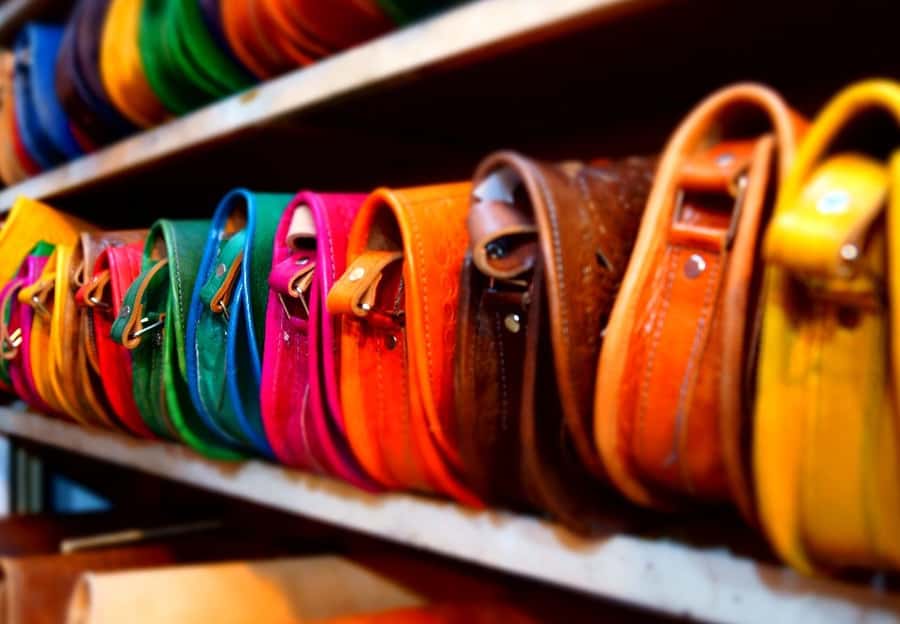
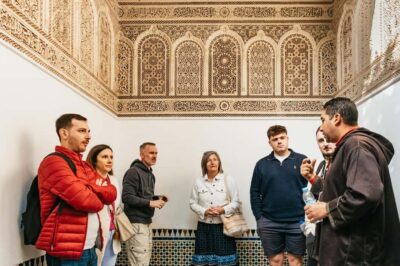
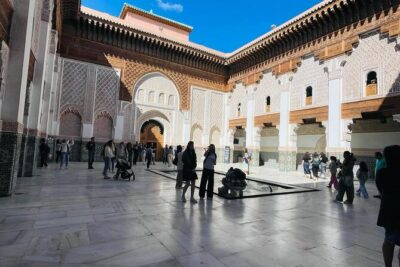
The final major stop is Medersa Ben Youssef, one of the city’s most rewarding interiors. Admission is included, and the guide explains its role as a religious school where up to 800 students once lived and studied.
The building is known for Saadian-era stucco, zellige tilework, and carved cedar. Take time to examine the changes in texture. The stucco gives you fine plaster decoration, the zellige supplies tight geometric pattern, and the cedar adds warmth above. Together, they make the school feel both precise and human.
The courtyard offers the clearest sense of the building’s design. It was not simply a decorative shell. It supported study, residence, movement, and religious life, all arranged around a central space. Your guide’s historical context helps you read the building as a school rather than just a photogenic monument.
The school is a strong finish because it rewards patient looking. Bahia Palace gives you elaborate palace rooms and reception spaces. Ben Youssef shifts the focus toward learning and communal life. Seeing both on the same walk makes the differences easier to understand.
One note for planning: the current route described here includes Bahia Palace and Ben Youssef, not every historic sight sometimes associated with Marrakech medina tours. Older feedback referred to the Saadian Tombs, a museum, and a photo museum, but those stops are not part of the experience as currently outlined. Do not book this tour expecting those additional visits.
What the private format adds
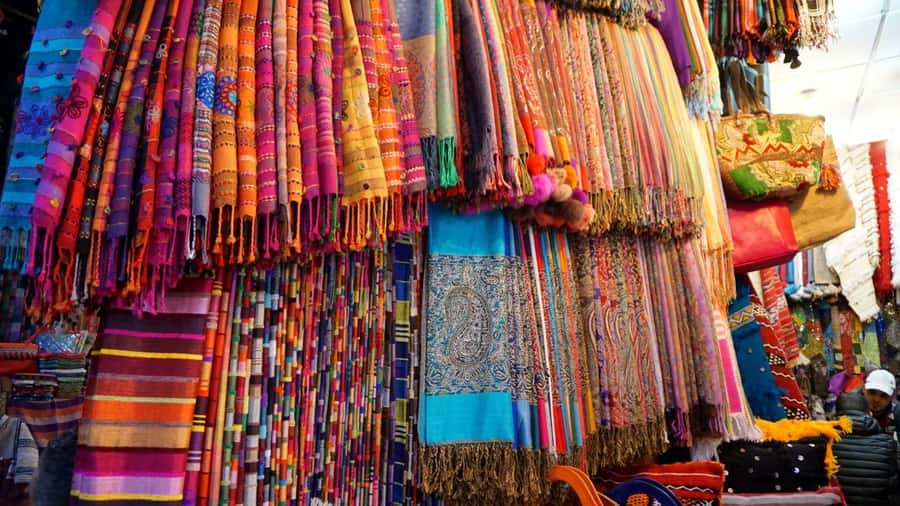
The private setup is the main reason to consider the price. You are not joining a large group, and the guide can respond to your interests. If you want architecture, you can ask for more design detail. If food traditions interest you more, you can spend extra time understanding the bakery and tanjia.
Past bookings include solo guests who ended up with one-on-one guiding and couples who appreciated help with photographs. One guide, Mustafa, was praised for his friendly and informative approach. Another guide, Sarah, was described as attentive and considerate, with historical facts paired with local stories.
Those details point to the real strength of the experience: the guide can shape the walk. You are not guaranteed a particular guide, but the service is built around a licensed local guide rather than a fixed audio script.
The private format can also make the medina less stressful. Your guide knows the route, helps you avoid confusion, and can explain what is happening around you. A guest who took the tour on the first day found it useful for learning the old city’s layout. I agree with that timing. A four-hour orientation can save you from wasting half a day later while trying to locate the same places.
Is $176 per person good value?
At $176 per person, the tour sits in the premium range for a four-hour walk. You are paying for a private group, a licensed English-speaking guide, two entrance tickets, the bakery visit, the bread tasting, and the hammam furnace stop.
The price makes the most sense for a couple, family, or small private group that values personal attention. The cost is harder to justify for a solo visitor focused only on seeing Bahia Palace and Ben Youssef, since both can be approached as individual sightseeing stops.
Think of the fee as covering organization as much as admission. You get a planned route through the souks, guidance at the monuments, local food context, and help with orientation. The tour also limits the risk of losing time in the medina or being pulled into unwanted shopping stops.
Children under six may join free of charge, and the experience is described as child-friendly. That can improve the value for families, though four hours of walking through the medina may still feel long for a very young child.
The company also describes the tour as carbon neutral and operated by a B Corp-certified business committed to responsible travel. That will not change the monuments you see, but it may matter if you prefer a tour operator with a stated environmental and social policy.
Practical strengths and small drawbacks
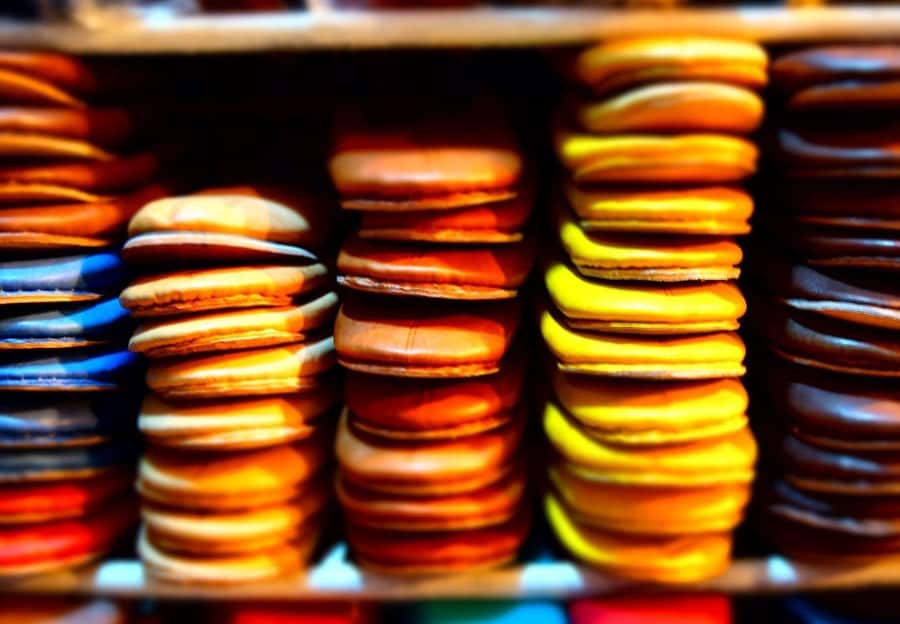
The strongest feature is the blend of major sights and ordinary life. Bahia Palace and Ben Youssef give the tour its historic weight, while the farran and hammam furnace make the morning feel specific to Marrakech.
The guides have also made a strong impression. Guests praised clear historical explanations, local stories, patience with questions, photo help, and a reassuring manner for solo women. Those are practical benefits, not just pleasant extras.
The main drawback is the meeting point. Jemaa el-Fna is easy to recognize, but finding the right person in front of Café France can take attention. Follow the instructions closely and look for the official sign or badge.
Another consideration is what is not included. Additional food and drinks cost extra, and the bread tasting is a sample rather than a complete culinary outing. If you want a full meal or several tastings, add a separate food experience.
Finally, the route is on foot and set at four hours. The pace has been adjusted for rests and water stops in at least one past experience, but you should still dress for walking and tell your guide if you need a slower rhythm.
Who should book this medina walk?
I would recommend it most strongly for a first visit to Marrakech, especially if you are staying near the old city and want a clear introduction before exploring alone. It also suits solo visitors who want company and orientation without joining a large group.
Couples and families may find the private format especially useful because the guide can adapt explanations and pauses. Children are welcome, with those under six able to join free, though parents should consider the walking time.
Art and architecture fans will appreciate the two major interiors. Food-curious visitors will like the bakery and tanjia furnace, but anyone seeking a full tasting menu should choose a different experience or plan an additional meal.
You may want to skip it if you already know the medina well, dislike guided walks, or only want a quick visit to one palace. The price is easiest to defend when you value context, local access, and a calm route through a confusing part of the city.
FAQ
How long does the Marrakech private medina tour last?
The tour lasts four hours. Starting times depend on availability when you book.
Where do I meet the guide?
Meet in front of Café France in Jemaa el-Fna, at Place Jemaa el Fna on Rue des Banques. The café is a three-story building on the right as you enter the square through the main entrance.
How do I identify the official guide?
Look for a guide holding an Urban Adventures sign or badge. Unofficial guides may approach you in Jemaa el-Fna, so do not follow someone unless they match the official meeting instructions.
Is this a private tour?
Yes. It is a private group experience led by a licensed local guide.
Is the tour conducted in English?
Yes. The listed tour language is English.
Are entrance tickets included?
Yes. Admission to Bahia Palace and Medersa Ben Youssef is included.
Is food included?
The tour includes a visit to a communal bakery and a bread tasting. Additional food and drinks are not included.
Can children join the tour?
Yes. The tour is child-friendly, and children under six may join free of charge.
Should you book it?
Book this tour if you want Marrakech explained through both its grand buildings and its working neighborhoods. The included palace and school admissions are useful, but the bakery and tanjia furnace are the details that give the walk its character.
I would schedule it near the start of your stay, arrive early at Café France, and use the final return to Jemaa el-Fna as your launch point for further exploring. At $176 per person, it is a considered purchase, not a bargain, but the private guiding, local food traditions, and medina orientation make it a sound choice for visitors who want more than a quick monument checklist.
More Medina and Souk Walks
- Marrakech Monuments & Souks 3-Hour Tour
★ 3.8 · 1,540 reviews - Marrakech: Bahia Palace, Madrasa Ben Youssef and Medina Tour
★ 4.7 · 1,347 reviews - Marrakech: Madrassa Ben Youssef, Secret Garden & Medina Tour
★ 4.8 · 1,303 reviews - Marrakech: Palace, Museum, Madrasa & Medina Highlights Tour
★ 4.7 · 706 reviews
Just added around Marrakech
- Marrakech: Medina Souks, Hidden Markets and Shopping Tour★ 4.8 · 33 reviews
- Guided walking tour in Marrakech★ 4.5 · 33 reviews
- Sunset Camel Ride Marrakech with Transfers★ 5.0 · 33 reviews
- Agafay desert sunset camel ride Tour from Marrakech★ 5.0 · 33 reviews
- 2 Days Desert Agafay and Atlas Mountains Trek From Marrakech★ 3.8 · 33 reviews
- Atlas mountains, Ourika valley, berber villages trip & Guide★ 5.0 · 33 reviews
- Magical Dinner show and Quad bike In Agafay Desert Marrakech★ 4.5 · 33 reviews
- Marrakech: Ouzoud Waterfalls Trip, Guide & Boat + Lunch★ 4.7 · 33 reviews
Medina and Souk Walks, compared.
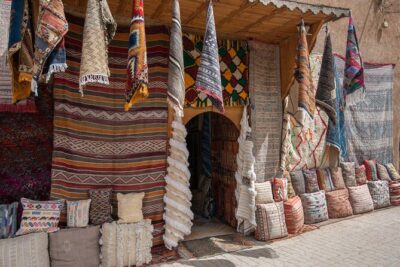
Bahia Palace, Saadian Tombs, Souk and Medina Tour
Read our review →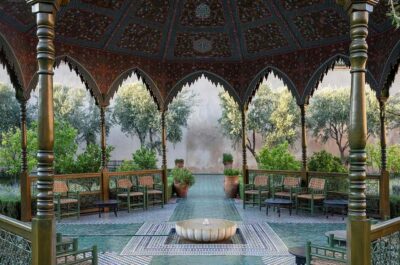
Ben Youssef, Secret Garden, & Souks Walking Tour
Read our review →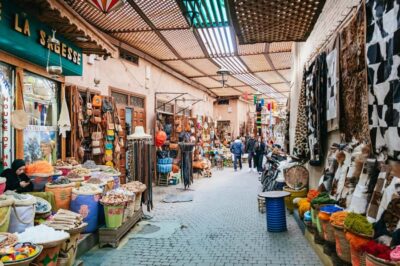
Saadian Tombs & Bahia Palace, Medina Guided Tour
Read our review →
Museum, Al Attarine Madrasa & Tannery and Medina Tour
Read our review →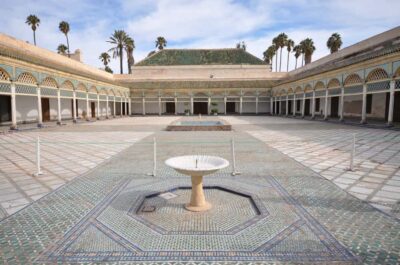
Bahia Palace, Madrasa Ben Youssef and Medina Tour
Read our review →Browse the lists this tour appears in