Reviewed · CAMEL RIDES
Marrakech Desert Trip Chigaga Dunes Riding Camel Sandboarding
The Sahara begins with a long road. This three-day private trip links Marrakech with Erg Chigaga, Morocco’s far-off sand country, adding kasbahs, Atlas Mountain crossings, camel riding, sandboarding, and a night in a Berber camp. I like the way it combines major sights with a genuinely remote desert setting. I also like that only your own group takes part, so the pace can feel more personal than a large coach excursion.
The main catch is the amount of time spent in the vehicle. The journey to Chigaga includes long road sections and 60 kilometers of off-road driving, then another 90 kilometers through the desert on the way back. At $557.50 per person, the price can be fair for a private trip with two breakfasts, two dinners, transport, and desert activities, but you should be ready for a demanding three days.
In This Review
- The trip at a glance
- Why Erg Chigaga is worth the long ride
- Day one: Atlas roads, Tamnougalt, and Ait-Ben-Haddou
- The Draa Valley shows Morocco beyond the dunes
- Two hours by camel near Erg Lihoudi
- The 60-kilometer off-road run to Chigaga
- Day three: Lake Iriqui, fossils, and the long return
- What the $557.50 price really covers
- Who will enjoy this trip most
- Practical preparation for three demanding days
- Should you book the Marrakech to Chigaga trip?
- FAQ
- How long is the Marrakech desert trip?
- What is the price per person?
- Is this a private tour?
- What is included in the tour price?
- Are lunches included?
- Are drinks included?
- How long is the camel ride?
- Where do you sleep?
- How much off-road driving is included?
- Can you cancel for a refund?
The trip at a glance
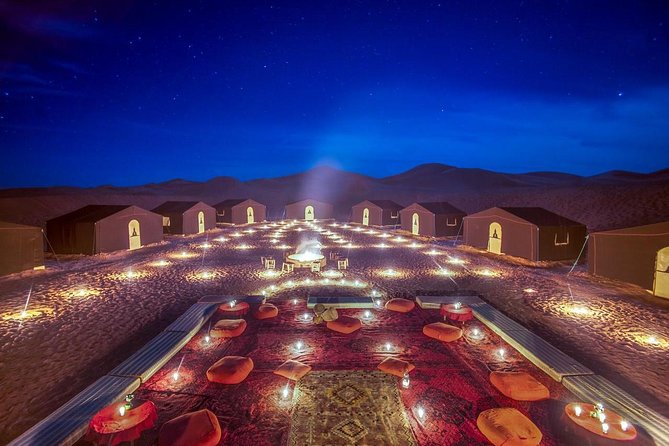
- Erg Chigaga is the main prize: You sleep in a Berber tent at the foot of dunes that reach about 300 meters.
- The camel ride lasts two hours: It takes place near Erg Lihoudi after the drive through the Draa Valley.
- You get 60 kilometers of off-road desert driving: The route passes erg, reg, hammada, oases, and other changing desert terrain.
- Ait-Ben-Haddou and Tamnougalt add cultural depth: The trip is not only a desert transfer.
- The return includes Lake Iriqui and fossil country: Day three gives you a different view of the desert before the paved-road journey home.
- This is a private activity: Only your group participates, which matters when a day includes many hours on the road.
Why Erg Chigaga is worth the long ride
Many short desert trips from Marrakech focus on the nearer desert areas. This route aims farther south, toward Erg Chigaga, where the sand and distance from towns become the main attraction. The reward is a quieter setting and a stronger sense of leaving ordinary Morocco behind.
You will not simply arrive at a line of dunes, take a quick photograph, and return to town. The final approach includes 60 kilometers of off-road driving through several types of desert terrain. The route passes erg, meaning sand dunes, along with reg, hammada, and oasis areas. Each term describes a different surface or setting, and together they help you see that the desert is not one endless sheet of sand.
The high dunes are the visual centerpiece. At about 300 meters, Erg Chigaga gives you the sort of broad, open view many people picture when they think of the Sahara. The supplied description also emphasizes the great silence and distance from civilization. That matters. The best part of this trip may not be a scheduled activity at all, but the time when the engine stops and the desert feels enormous.
More Camel Rides in Marrakech
- Marrakech: Agafay Desert Sunset, Camel Ride, and Dinner Show
★ 4.6 · 35,119 reviews - Marrakech: Agafay Desert Quad & Camel Rides with Dinner Show
★ 4.8 · 27,382 reviews - Marrakech: Agafay Desert Quad & Camel Rides with Dinner Show
★ 4.9 · 10,771 reviews
Day one: Atlas roads, Tamnougalt, and Ait-Ben-Haddou
The first day connects Marrakech with three important stops. You cross the High Atlas Mountains, visit Tamnougalt kasbah, and spend about an hour at the Ksar of Ait-Ben-Haddou.
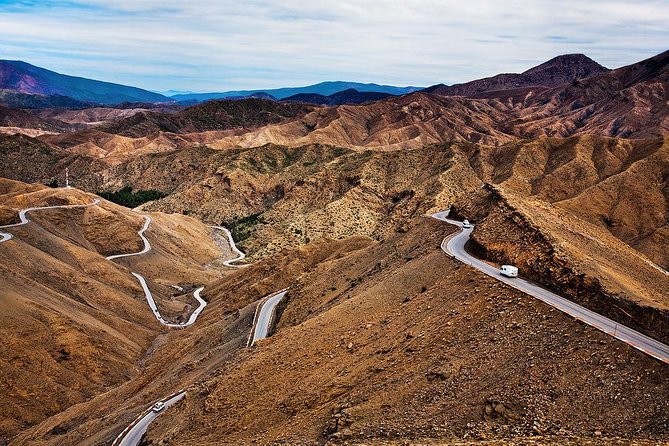
The Atlas crossing gives the opening drive some variety. The trip includes a 15-minute visit in the mountains, enough for a short stop and a look at the setting, but not enough for an extended mountain walk. Keep your expectations practical: this is a scenic pause during a long transfer, not a full mountain excursion.
Tamnougalt provides a smaller-scale kasbah experience. The scheduled visit lasts about 30 minutes, with admission included. That is brief, but useful. It breaks up the road and introduces the fortified architecture and settlement style that become a recurring theme on this route.
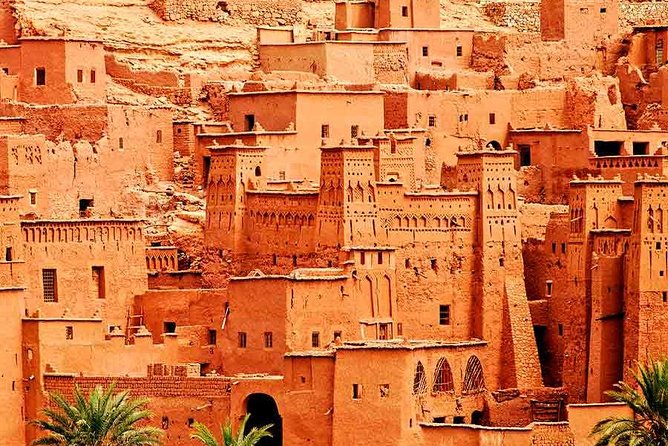
Ait-Ben-Haddou receives about an hour, making it the more substantial cultural stop of the day. The ksar is one of Morocco’s best-known fortified villages, and its clustered earthen buildings make a sharp contrast with the open mountain roads. An hour lets you get a feel for the site, though you should not expect to explore every corner at leisure.
This day is also the first warning about the pace. Three stops sound generous on paper, but the route begins in Marrakech and continues south. You should see day one as a transport day with worthwhile breaks, not as a relaxed sightseeing circuit. Comfortable clothing, water, and patience will help.
The Draa Valley shows Morocco beyond the dunes
After breakfast on day two, you have time to visit the rest of the kasbah before taking the old caravan road through the Draa Valley. The route follows the river and mountains, passing villages and gardens along the oasis.
This is one of the most valuable parts of the trip because it gives context to the desert. The Draa Valley is not simply a route to the sand. Its gardens, villages, and water corridor show how people have built settled life along an otherwise dry region. You get a glimpse of daily life in the oasis before reaching M’hamid, described as the gateway to the desert.
The drive through the valley also helps explain the old caravan connection. This was a passage between settled communities and the wider desert, and the road still shifts gradually from cultivated areas to harsher open ground. I would pay attention here rather than treating the valley as scenery seen through a window.
Lunch is not included, so budget separately for it. Drinks are also excluded. Since this day includes a long drive, you should keep money available for food and refreshments instead of assuming every stop is covered by the tour price.
Two hours by camel near Erg Lihoudi
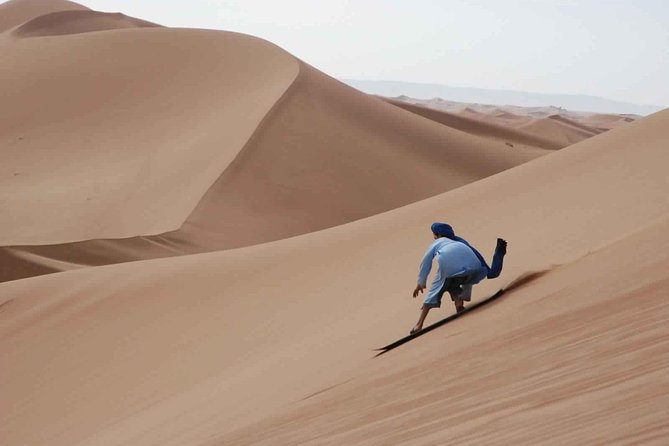
At Erg Lihoudi, after reaching the desert gateway area, the itinerary schedules a two-hour camel ride. This is a proper riding segment rather than a short photo opportunity.
Camel trekking offers a slower way to experience the desert. After hours in a vehicle, the change in pace can be welcome. You see the sand from a lower, quieter viewpoint, and the movement of the camel gives the desert a more traditional feel.
The ride does require some tolerance for discomfort. Two hours on a camel is longer than the brief rides often offered near cities, and the motion may not suit everyone. If you have concerns about riding, ask the provider for practical guidance before departure. The supplied information confirms the activity, but it does not specify riding arrangements, saddle style, or alternatives.
Sandboarding is also part of the experience. The description presents it as one of the key desert activities, though it does not state the exact location or duration. You should treat it as a planned feature, while understanding that the time available may depend on the day’s driving schedule and conditions.
More Camel Rides:
- Marrakech: Agafay Desert Quad, Camel Ride & Dinner Show
★ 4.7 · 10,209 reviews - 3 Days Desert Tour From Marrakech To Merzouga Dunes & Camel Trek
★ 5.0 · 10,125 reviews - 3-Day Marrakech to Merzouga Desert Tour: Camel Rides & Overnights
★ 5.0 · 8,734 reviews - Marrakesh: Desert & Mountain Tour with Camel Ride & Lunch
★ 4.8 · 7,513 reviews
The 60-kilometer off-road run to Chigaga
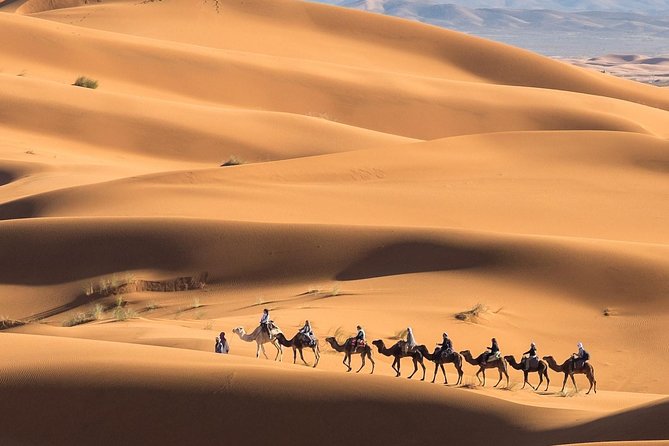
After lunch and the camel ride, the trip continues toward Erg Chigaga with 60 kilometers of off-road travel. This is where the experience becomes less polished and more remote.
The route passes several desert forms, including dunes, gravelly reg areas, stony hammada, and oases. You are not simply being driven to a hotel in the sand. The off-road section is part of the point, allowing you to see how quickly the surroundings change once the paved route ends.
Still, off-road driving can be tiring. The itinerary does not give an exact driving time for this stretch, so you should expect the day to feel full. If you prefer short transfers and frequent stops, this is not the right desert outing. If you like the idea of reaching a remote camp by a rougher route, the drive adds to the sense of place.
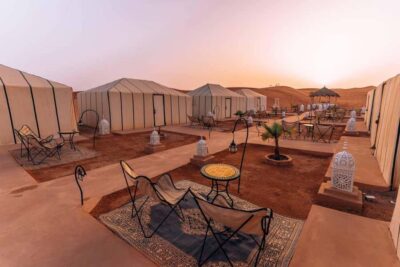
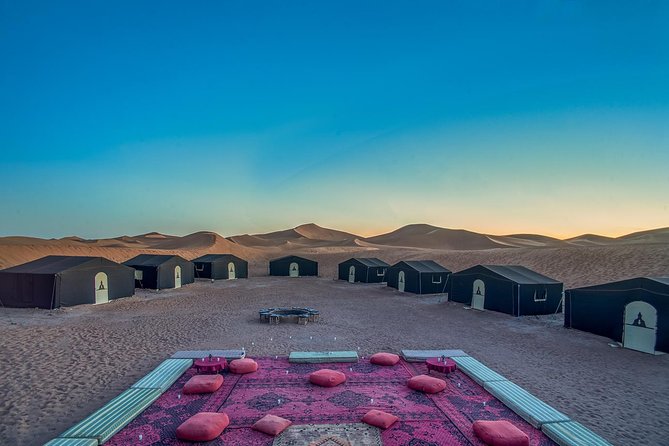
On arrival, dinner and the night take place at a bivouac made up of nomad tents. You sleep at the foot of the dunes, rather than returning to a town. Berber music around a fire is included in the overall experience, and the open night sky is a major part of the appeal.
The camp setting is simple by design. The information provided does not specify private bathrooms, electricity, bedding arrangements, or shower facilities at the camp. You should ask about those points before booking if comfort is important to you. What is clear is that the overnight stay is meant to bring you close to the desert, not reproduce a conventional hotel.
Day three: Lake Iriqui, fossils, and the long return
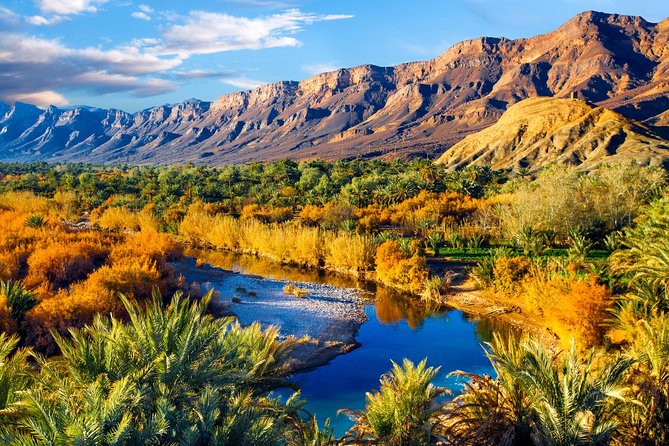
The return begins after breakfast with another 90 kilometers of desert driving. The scenery changes again, with Lake Iriqui, mountain views, and fossils listed along the route.
Lake Iriqui adds an important reminder that the desert has more than dunes. The itinerary does not say whether water will be present when you visit, so do not assume you will see a full lake. The mention of the area signals a different desert setting and a useful contrast with Erg Chigaga.
Fossils are another distinctive detail. They offer a physical link to the region’s ancient past without turning the day into a formal museum visit. The schedule gives no details about a fossil stop or collection, so think of this as part of the route rather than a guaranteed hands-on activity.
Lunch takes place in Foum Zguid, the first village after the desert. A shower is also possible there, which could be welcome after the camp and two days of driving. The shower is not listed as included, so ask whether there is a charge and bring whatever you need for a quick refresh.
From Foum Zguid, the trip returns to Marrakech on paved roads through Taznakht. The village is known for Berber carpets and rugs, adding a final cultural element to the journey. You then cross the High Atlas again and reach Marrakech in the late afternoon.
The day is listed as about eight hours, but the full journey may feel longer once stops and the earlier desert section are considered. Do not schedule a flight, train, or important appointment immediately after the expected arrival. The tour ends back at the Marrakech meeting point, but road conditions and the length of the route leave little room for a tight connection.
What the $557.50 price really covers
At $557.50 per person, this is not a budget day trip. The value depends heavily on whether you want a private, multi-day route to the more remote Chigaga dunes.
The price includes transport for your group, two breakfasts, two dinners, the listed visits, the camel ride, sandboarding, and the Berber camp experience. Admission is included for the stated stops. A private arrangement is especially useful here because the schedule has long driving sections and several points where a group’s energy can vary.
Lunches, drinks, and tips are extra. Those costs are easy to overlook, so include them in your budget. The price also does not tell you whether every comfort at the desert camp is included, since facilities are not described.
The strongest value comes if you would otherwise need to arrange several separate pieces: transport from Marrakech, Atlas crossings, historic kasbah visits, a camel ride, a remote desert transfer, an overnight camp, and the return through Foum Zguid and Taznakht. If you mainly want one night in a nearby desert camp, a shorter tour may cost less and involve far less road time.
The listed score is 5 out of 5 from 21 ratings, with a 100 percent recommendation rate. That is a small sample, but it supports the idea that the combined package has pleased people looking for an unusual desert trip rather than a quick excursion.
Who will enjoy this trip most
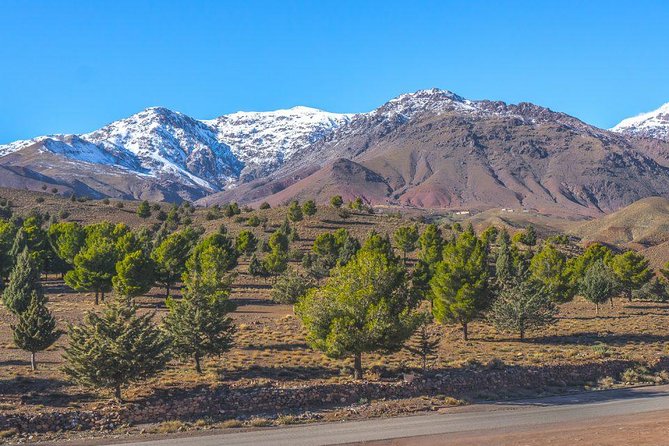
I would recommend this experience to you if you have three days, want a private itinerary, and care more about reaching a remote desert than minimizing time in the vehicle. It suits people who enjoy changing scenery, old caravan routes, kasbahs, camel riding, and basic camp life.
It is also a good match if you want several Moroccan experiences in one route. You get the High Atlas, Tamnougalt, Ait-Ben-Haddou, the Draa Valley, an oasis approach, dunes, Berber music, sandboarding, Lake Iriqui, fossils, and Taznakht carpets.
I would be more cautious if you dislike long drives, rough roads, or simple accommodation. The trip has no listed luxury features, and the desert sections are substantial. You should also think carefully about the two-hour camel ride if sitting on a camel for that length of time may be difficult.
Because the activity is private, it may work well for families or friends who want to control the atmosphere within their own group. The supplied information says most people can participate, but it does not provide detailed accessibility guidance. Ask the provider about mobility needs before paying.
Practical preparation for three demanding days
Pack lightly, but bring the basics for a night away from Marrakech. Water and drinks are not included, and lunch is your responsibility, so plan for those costs and needs.
Wear clothing suitable for sun, sand, and changing temperatures. The supplied information does not give seasonal weather details, but desert nights can feel very different from daytime conditions. A warm layer for the camp is a sensible precaution, and closed shoes will be useful for dunes and off-road stops.
Keep your schedule open on the final day. The listed return journey includes eight hours from the desert region, a possible shower in Foum Zguid, a stop in Taznakht, and a second Atlas crossing. A late-afternoon arrival is expected, not guaranteed to the minute.
The listed start time is 12:00 am, which is ambiguous in the booking details. Confirm the actual pickup time and meeting point in Marrakech before departure. Confirmation is provided at booking, and the activity ends back at the starting meeting point.
Free cancellation is available if you cancel at least 24 hours before the local start time. Changes or cancellations inside that window are not accepted for a refund. The trip can also be moved or refunded if poor weather affects the experience or if the minimum number of participants is not met.
Should you book the Marrakech to Chigaga trip?
Book it if the phrase far from civilization sounds better to you than quick and easy. The remote Erg Chigaga camp, two-hour camel ride, sandboarding, Berber music, and long off-road approach give this trip a stronger desert character than a short stop near Marrakech.
Skip it if your priority is comfort, flexible sightseeing, or minimal driving. The route is ambitious for three days, and you will spend much of the time moving between the city, kasbahs, valleys, and desert.
For the right person, the price buys more than a camel ride and a night in a tent. It buys access to a distant part of Morocco, reached through the Atlas Mountains, oasis villages, old caravan country, and wide open sand. Just go in prepared for a full schedule, extra costs for lunches and drinks, and a simple camp experience.
FAQ
How long is the Marrakech desert trip?
The experience lasts approximately three days and ends back at the Marrakech meeting point.
What is the price per person?
The listed price is $557.50 per person.
Is this a private tour?
Yes. Only your group participates in the activity.
What is included in the tour price?
The tour includes two breakfasts, two dinners, the listed admission tickets, transport, camel trekking, sandboarding, and the desert camp experience described in the itinerary.
Are lunches included?
No. Lunch is not included, so you should budget for it separately.
Are drinks included?
No. Drinks are not included.
How long is the camel ride?
A two-hour camel ride is scheduled at Erg Lihoudi on the second day.
Where do you sleep?
You spend the night in a bivouac made up of Berber or nomad tents at the foot of the Erg Chigaga dunes.
How much off-road driving is included?
The route to Erg Chigaga includes 60 kilometers of off-road driving. The return journey includes another 90 kilometers of desert driving before reaching Foum Zguid.
Can you cancel for a refund?
Yes. You can cancel at least 24 hours before the local start time for a full refund. Poor weather or failure to meet the minimum number of participants may also result in a different date or a full refund.
Just added around Marrakech
- One Way – Marrakech Airport Private Taxi Transfers★ 4.5 · 17 reviews
- Majorelle Garden, YSL & Berber Museum: Exciting Round-Trip Tour★ 4.5 · 17 reviews
- Marrakech: Agafay Desert Buggy Tour with Transfer★ 4.4 · 17 reviews
- Ourika valley day trip★ 5.0 · 17 reviews
- From Marrakech: small group Day Trip To Essaouira Mogador★ 4.9 · 17 reviews
- Essaouira Day Trip from Marrakech★ 5.0 · 17 reviews
- From Marrakech: Ouzoud Waterfalls Full-Day Guided Tour★ 4.2 · 17 reviews
- Best Marrakech to Merzouga 3 D 2N Sahara Desert Tour Adventure★ 5.0 · 17 reviews
Camel Rides, compared.
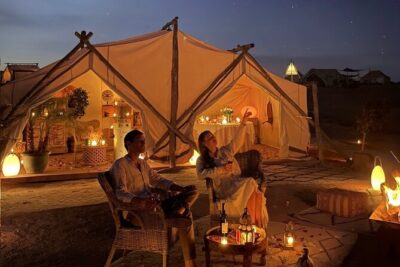
Agafay Desert Sunset, Camel Ride, and Dinner Show
Read our review →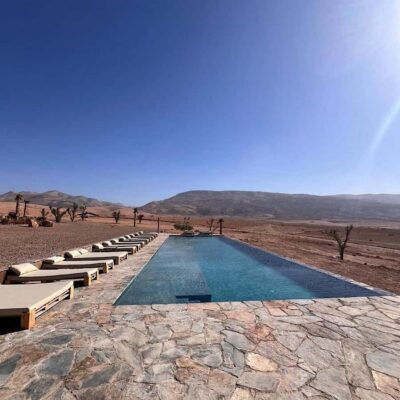
Agafay Desert Quad & Camel Rides with Dinner Show
Read our review →Agafay Desert Quad & Camel Rides with Dinner Show
Read our review →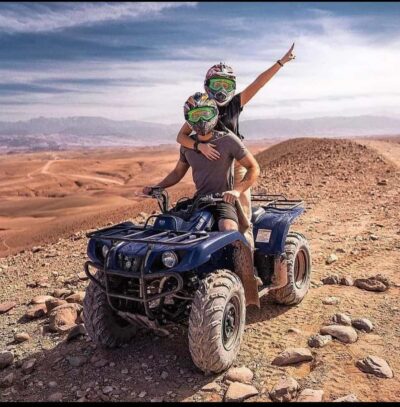
Agafay Desert Quad, Camel Ride & Dinner Show
Read our review →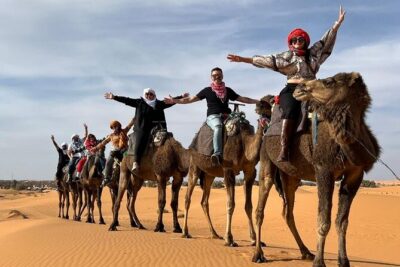
3 Days Desert Tour From Marrakech To Merzouga Dunes & Camel Trek
Read our review →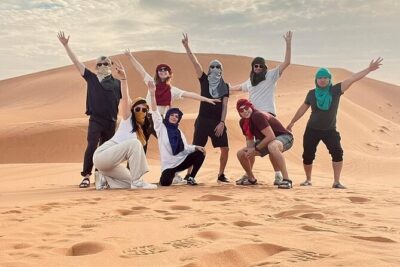
3-Day Marrakech to Merzouga Desert Tour: Camel Rides & Overnights
Read our review →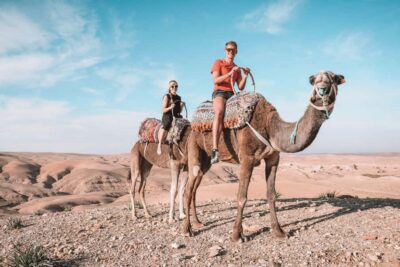
Desert & Mountain Tour with Camel Ride & Lunch
Read our review →